
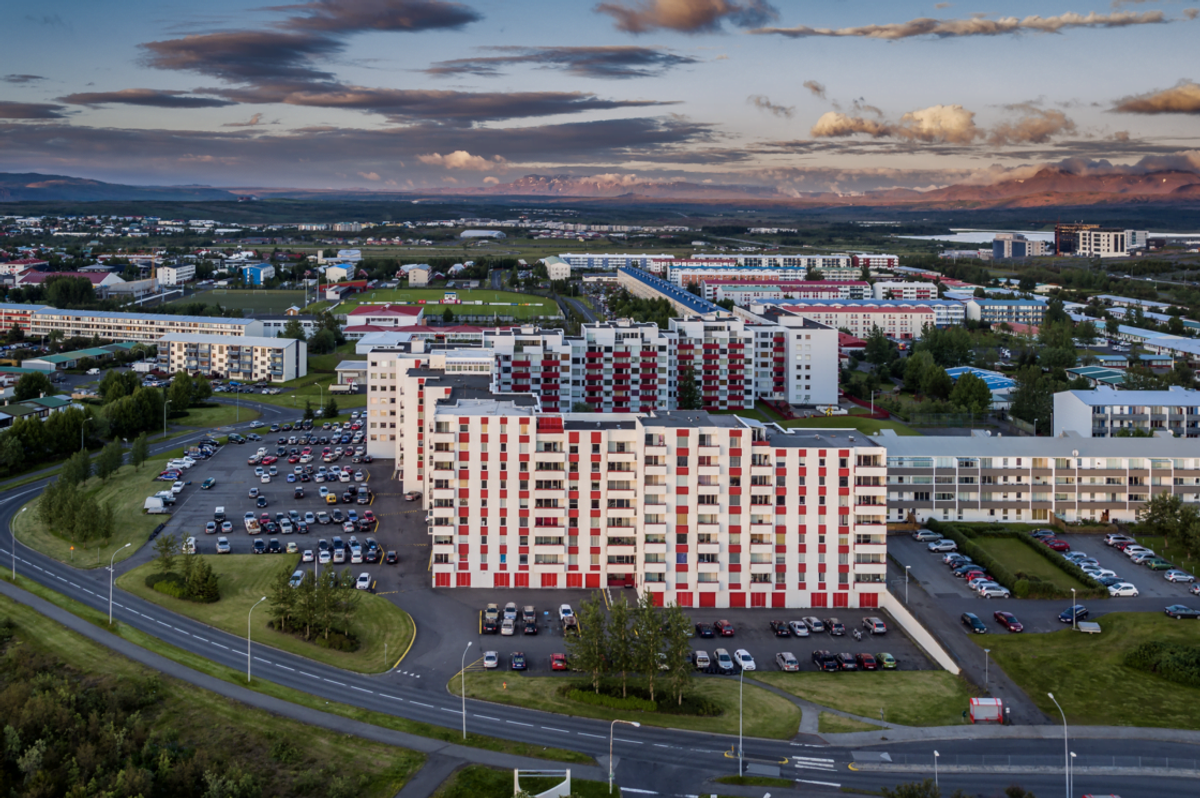
Breiðholt
Historic farm ruins in Breiðholt, marking the original settlement that gave the district its name.
关于
关于Breiðholt
Historic farm ruins in Breiðholt, marking the original settlement that gave the district its name.
Visit the rústir gamla Breiðholtsbæjarins in Breiðholt to connect with the origins of the area and experience a preserved piece of Reykjavík’s rural past within the modern city.
Breiðholt附近的旅游
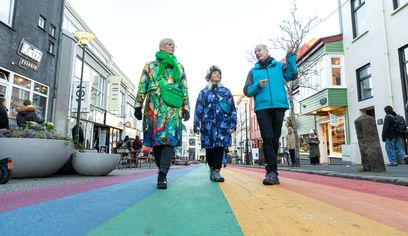
Private Reykjavik LGBTQ+ City Walk
Your Friend in Reykjavik · 3 hours
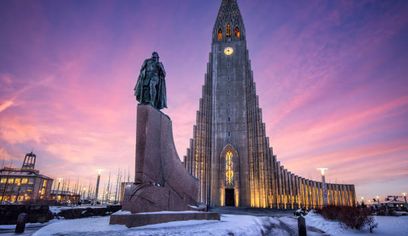
Private Reykjavik City Tour
Icelimo Luxurytravel · 4 hours
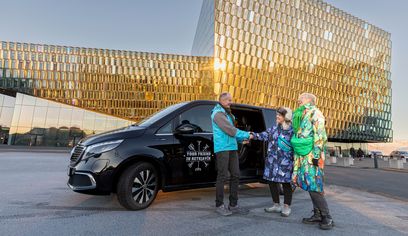
Private 3 hour Reykjavik Driving Tour
Your Friend in Reykjavik · 3 hours
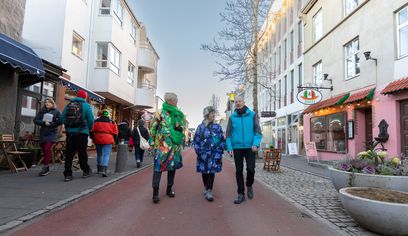
Private Reykjavik Shopping & Sightseeing Walking Tour
Your Friend in Reykjavik · 3 hours
照片
图库
背景
历史与背景
The farm Breiðholtsbær is first recorded in written sources from 1395, indicating its long-standing presence in the area. Over time, it developed as a traditional Icelandic farm with an associated church and burial ground. The ruins of the farm, church, and churchyard were officially protected on July 28, 1981. Preservation records place the site approximately 15–30 meters north of Grjótasel 21, with the church believed to have stood slightly above the farmstead. Historical references also mention a stone-built bathing pool that remained visible until around 1950. Today, the site is recognized as an important cultural heritage location within Breiðholt.
The rústir gamla Breiðholtsbæjarins are a protected historical site located in Breiðholt in Reykjavík. These ruins mark the original farmstead of Breiðholt, from which the entire district takes its name, and represent an important link to the area’s rural past before modern urban development. The farm Breiðholtsbær is first mentioned in written sources dating back to 1395, indicating that it was an established settlement during the late medieval period. Over the centuries, it functioned as a traditional Icelandic farm, supporting local families through agriculture and livestock. A church once stood nearby, along with a small churchyard, highlighting the role of the site as both a residential and spiritual center for the surrounding community. Today, the remains of the farm, church, and burial ground are preserved as an archaeological site. According to preservation records, the ruins are located approximately 15–30 meters north of the house at Grjótasel 21, with the church believed to have stood slightly above the main farm buildings. Historical accounts also refer to a stone-built bathing pool that was still visible until around the mid-20th century. The site was officially protected on July 28, 1981, recognizing its cultural and historical value. It now stands as a rare reminder of Reykjavík’s agricultural past, offering insight into how the landscape has transformed over time while preserving traces of earlier ways of life.
民间故事
故事与民间故事
Long before Breiðholt became a modern residential district, the land was home to a small but enduring farm known as Breiðholtsbær. For centuries, families lived and worked here, shaping the landscape through farming and daily life. A church once stood nearby, serving as a spiritual center for the local community, with a small graveyard marking generations who had lived on the land. As Reykjavík expanded in the 20th century, the quiet rural setting gradually disappeared, replaced by streets and housing. The old farm buildings fell into ruin, but their memory remained. In 1981, the site was officially protected to preserve this connection to the past. Today, visitors can walk near the remains and imagine a very different Breiðholt—one of open fields, scattered farmhouses, and a close-knit community. The ruins stand as a quiet reminder of how the area evolved from a rural settlement into part of a growing city, while still holding onto its historical roots.
你知道吗?
The farm Breiðholt is first mentioned in written records from 1395, making it one of the oldest documented sites in the area—and the place that gave the entire district its name.
文化
故事与传说
来自该地区的冰岛传奇和民间故事
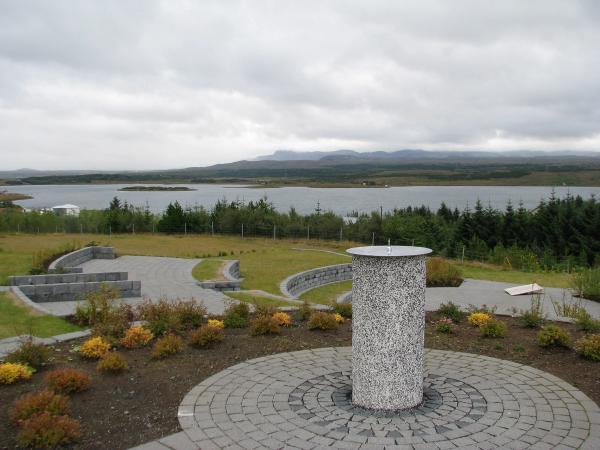
Elliðavatn
Elliðavatn is a historic location in Iceland mentioned in "Kjalnesinga saga", one of the ancient Íslendingasögur (Sagas of Icelanders). These medieval narratives preserve the history of Iceland's Viking Age settlement.
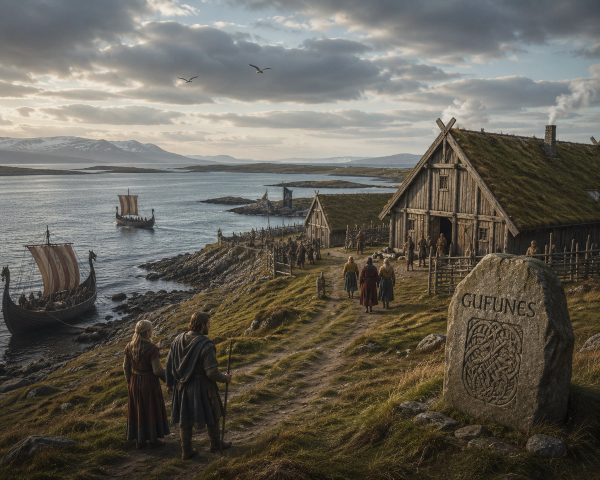
Gufunes
Gufunes is a historic location in Iceland mentioned in "Egils saga", one of the ancient Íslendingasögur (Sagas of Icelanders). These medieval narratives preserve the history of Iceland's Viking Age settlement.
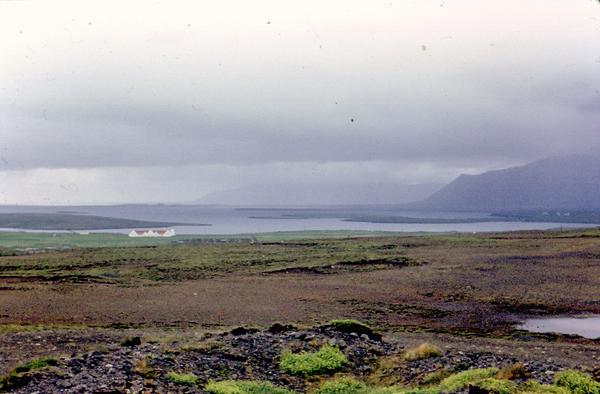
Korpúlfsstaðir
Korpúlfsstaðir is a historic location in Iceland mentioned in "Kjalnesinga saga", one of the ancient Íslendingasögur (Sagas of Icelanders). These medieval narratives preserve the history of Iceland's Viking Age settlement.
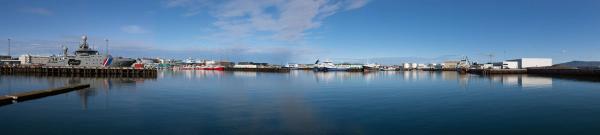
Reykjavík
Reykjavík is a historic location in Iceland mentioned in "Harðar saga og Hólmverja", one of the ancient Íslendingasögur (Sagas of Icelanders). These medieval narratives preserve the history of Iceland's Viking Age settlement.
位置
位置
Discover
Explore Nearby
Places from our database within 5.0 km — all data from Sanity
Loading nearby places…
0 places found within 5.0 km
Plan full itinerary →探索更多