

Djákninn á Myrká – The Deacon of Dark River
In the Icelandic legend, a deacon dies before meeting his beloved and returns from the grave to collect her on horseback.
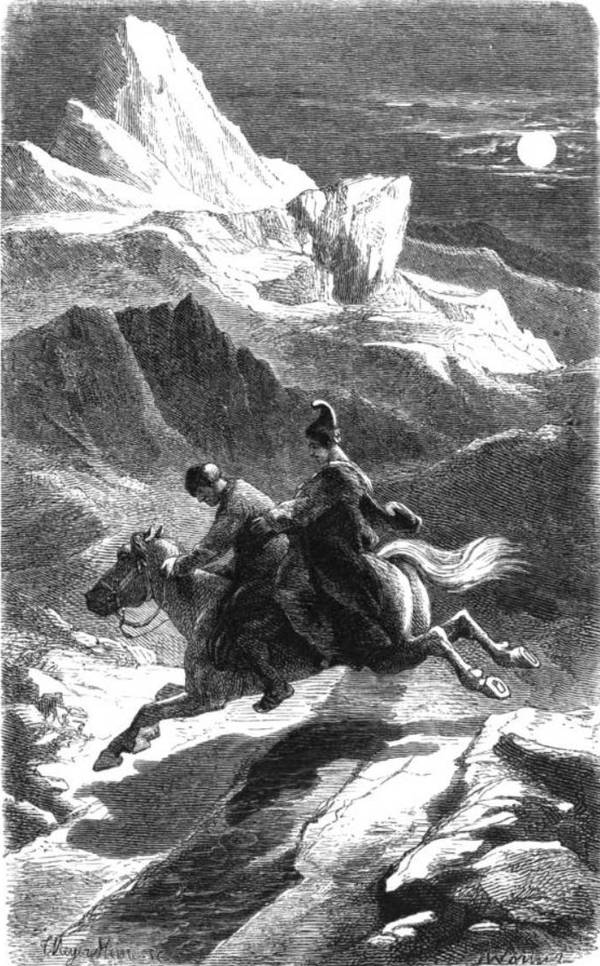
The Deacon of Myrká is one of Iceland’s best-known ghost stories. In the traditional tale, a young deacon and a woman arrange to meet, but he dies before the promised visit. Unaware of his death, she waits for him.
The deacon nevertheless arrives on horseback and takes her away into the night. As they ride, she gradually realises that something is terribly wrong: her companion is no longer among the living. In familiar versions of the tale, the journey leads towards a grave, and she narrowly escapes being drawn into it.
This is a traditional Icelandic version of the wider 'dead bridegroom' folktale. Details differ between collected variants, so it should not be retold as a verified historical murder. Source: Rósa Þorsteinsdóttir, 'The Dead Bridegroom (ATU 365) in Iceland', Scottish Studies (2026), https://doi.org/10.2218/fqpmhs89