

交通与自驾
冰岛自驾指南:道路、车辆与安全
冰岛自驾实用指南:租车、公路类型、F级高地公路、天气、加油、停车、冬季路况与安全行程安排。
更新于
© Sævar G
冰岛自驾:哪些因素会影响旅程
冰岛自驾自由度很高,但距离、风力、道路表面和日照比地图上看到的更加重要。应根据实时情况和合理的停留时间规划每一天,而不是单纯追求行驶里程。
道路类型、碎石路与F级公路
1号环岛公路及主要旅游公路通常比较容易驾驶。碎石路需要减速和拉大车距。F级高地公路属于特殊类别,通行时间受季节限制,对车辆有要求;有些过河路段即使使用性能良好的四驱车也可能不安全。
不要仅凭日期安排F级高地公路
进入高地前,必须查看道路是否开放、天气预报和官方安全信息。四驱车并不能让关闭的道路或危险河道变得安全。
如何选择租车
根据路线、季节、行李和乘客人数选择车辆,而不是只看车型。天气合适时,普通两驱车可以完成许多夏季环岛行程;部分高地路线则需要获准的四驱车。认真阅读保险条款,尤其是风、碎石、沙尘和涉水损坏的除外责任。
天气、强风与冬季驾驶
风的危险性可能不亚于雪。在空旷停车场扶好车门,条件恶化时减速,并随时准备更改路线。冬季还要应对黑暗、结冰和不断变化的路况;预留更多时间,不要为了酒店预订而冒险穿越警报区域。
如果在11月至3月旅行,可以参考 GoIceTravel 冬季旅行指南,了解各月份的日照和条件。
加油、充电和停车
驶入偏远路段前先补充燃料,不要假设下一座小镇的加油站会营业到很晚。电动车在主要公路上越来越实用,但仍需提前规划充电。请使用景点指定停车区,绝不要为了拍照而停在行车道上。
如何安排一天的自驾
给瀑布、观景台、用餐、天气延误和临时停车预留时间。地图上看起来不远的路线可能占据整天。冬季要根据可用日照安排活动;夏季也不要因为天亮得久而疲劳驾驶。
地图显示的时间不等于冰岛实际旅行时间
开车只是一天的一部分。天气检查、加油、用餐、观景、短途步行和不同的路面都会增加时间。不停车时看似轻松的路线,实际可能非常漫长。
每天选择少数重点目的地,把其他停靠点作为可选项目。这样更安全、灵活,通常也比试图完成收藏夹中所有景点体验更好。
提前安排停车,不要在公路上随意停靠
冰岛风景很容易让人想临时停车,但安全停车应选择正规停车场或适当的避车处。不要因为风景漂亮就突然减速、堵塞交通,或停在不适合停车的路肩。
主要景点通常有更明确的停车和通行设施。预留时间,遇到不安全的拍照点就继续前往下一个正规停车处。
冬季公路旅行必须准备备用路线
即使原本合理的路线,也可能在当天晚些时候因天气恶化而不宜通行。准备靠近住宿地点或方向不同的替代方案,不要认为必须完成原计划。
最好的冬季行程不是里程最多的,而是即使某条路关闭、某项活动取消也能顺利调整的行程。
沿着旅行路线安排住宿
短途旅行每晚返回雷克雅未克可能很方便,但深入南海岸或进行环岛旅行后,这会造成大量折返。沿途更换住宿地点能减少重复驾驶,增加实际观光时间。
选择过夜地点时,不仅要考虑当天终点,也要考虑第二天早晨从哪里出发更方便。
驾驶疲劳也是路线规划的一部分
即使驾驶距离看似不长,全天观光也可能令人疲惫。强风、黑暗、陌生道路和频繁停靠都会增加驾驶员的精神负担。
条件允许时轮流驾驶,安排真正的休息,不要为了多看一个景点而让最后一段车程变得过长。
Self-Drive Attractions That Build Natural Route Days
These GoIceTravel attractions work as clear route anchors for common self-drive itineraries.

Thingvellir National Park
A logical first Golden Circle anchor with established visitor access.

Gullfoss
A major stop that helps define a complete Golden Circle driving day.

Seljalandsfoss
A natural western South Coast anchor when moving east from Reykjavík.

Skógafoss
Easy to combine with the western South Coast without a large detour.

Jökulsárlón Glacier Lagoon
An eastern South Coast anchor that is best approached as part of a multi-day drive.
Activities Along Your Road Trip
Add bookable experiences to a self-drive itinerary without rebuilding the whole route around tours.
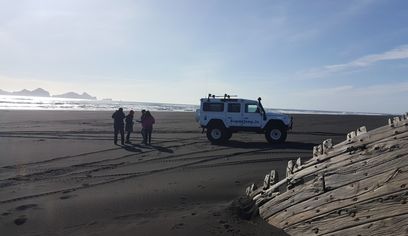 8 hours
DT 322 Private Superjeep South Coast & Eyjafjallajökull Volcano Sights
Superjeep
起价
264,500 ISK
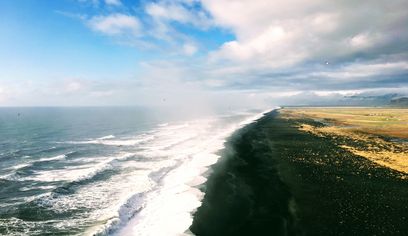 10 hours
Private South Coast tour
EastWest
起价
220,000 ISK
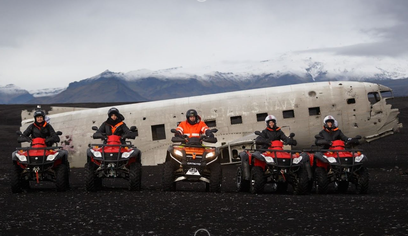 10 hours 30 minutes
South Coast & Plane Wreck Black Beach ATV Adventure
Reykjavik Excursions by Icelandia
起价
47,499 ISK
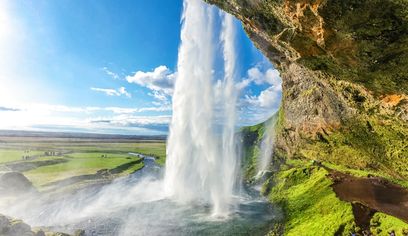 11 hours
Private Premium South Coast Small Group Tour
Iceland Horizon - Saga Travel - GeoIceland
起价
299,900 ISK
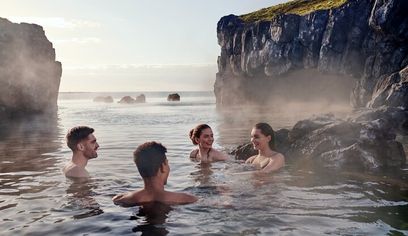 13 hours
South Coast & Sky Lagoon Saman Pass Tour
BusTravel Iceland
起价
31,790 ISK
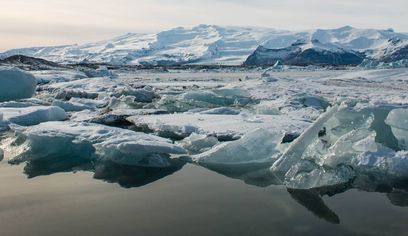 14 hours
Private South Coast and Glacier Lagoon Day Tour
David The Guide
起价
279,900 ISK


