🌍 We're constantly adding new places, tours & experiences — check back often!
GoIceTravel
探索冰岛景点🧭 Trip Planner🌌 实时极光预报

🌐 Language

reykjanes · Iceland

Kleifarvatn

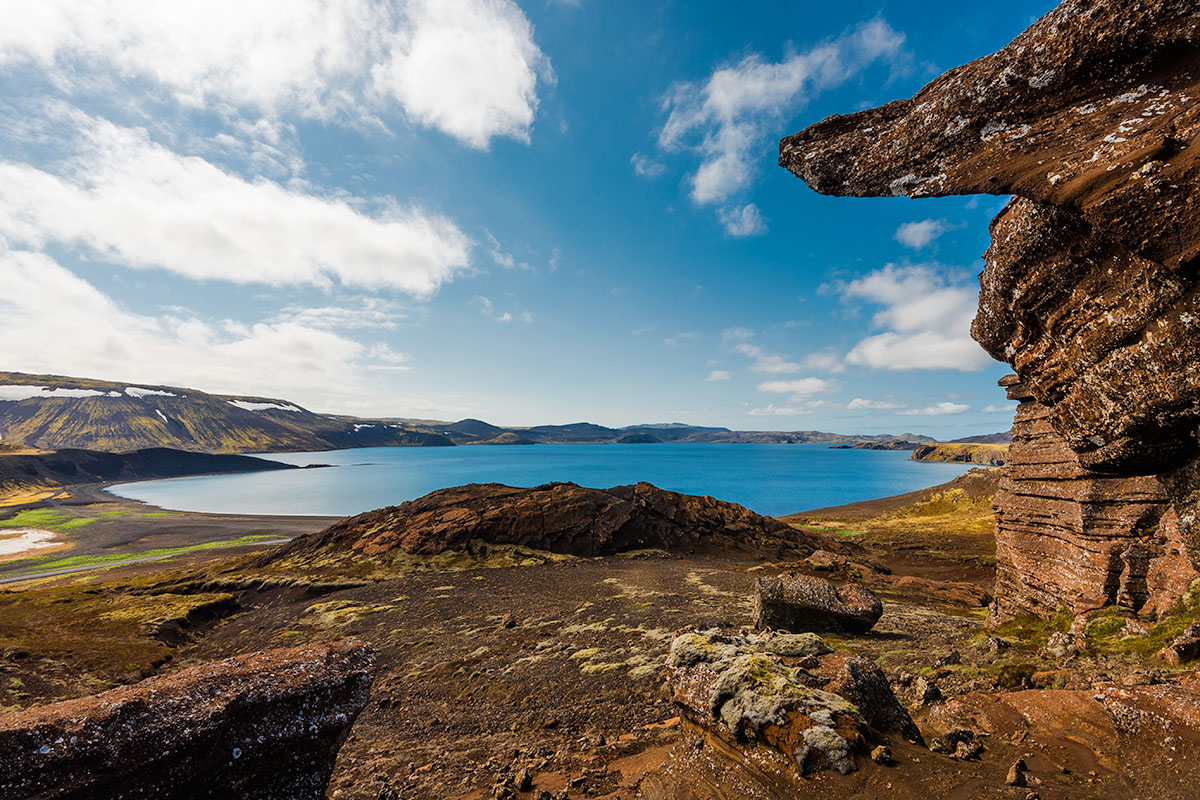
Discover Kleifarvatn, Reykjanes' largest and deepest lake, set amidst a starkly beautiful volcanic panorama. Its dark, often mirror-like waters reflect the raw power of Iceland's geological heartland, offering a truly unique and serene experience.

About Kleifarvatn

Discover Kleifarvatn, Reykjanes' largest and deepest lake, set amidst a starkly beautiful volcanic panorama. Its dark, often mirror-like waters reflect the raw power of Iceland's geological heartland, offering a truly unique and serene experience.

History & Background

Kleifarvatn's history is inextricably linked to the intense geological forces that have shaped the Reykjanes Peninsula. Formed by volcanic activity over millennia, the lake occupies a rift valley situated directly on the Mid-Atlantic Ridge, where the North American and Eurasian tectonic plates slowly pull apart. This constant geological tension has resulted in a landscape characterized by extensive lava fields, crater rows, and powerful geothermal systems. The lake's depth and surface area are not static; they are directly influenced by seismic activity. A dramatic example occurred in 2000 when a significant earthquake caused fissures to open beneath the lake, leading to a rapid drainage that reduced its surface area by approximately 20% over several years. This event, visible as receding shorelines, offered scientists a unique opportunity to study the interplay between seismic activity and hydrology. Over time, the fissures gradually sealed, and the lake has slowly returned to its former levels, a living demonstration of the earth's dynamic processes. Beyond its geological significance, Kleifarvatn also holds a place in Icelandic folklore. Like many deep, mysterious lakes, it is said to be home to a large, serpent-like creature, the "Kleifarvatn monster." These tales add another layer of intrigue to an already captivating natural wonder, inviting visitors to ponder the unseen depths and ancient legends.

Key Facts

  • No visible outlet — water drains through volcanic fissures
  • Lake level dropped significantly after 2000 earthquake
  • Deepest lake on the Reykjanes Peninsula
  • Surrounded by black volcanic sand beaches
  • Located within the Reykjanes UNESCO Global Geopark

Tours Near Kleifarvatn

Best-rated Iceland experiences — book with free cancellation

About Kleifarvatn

Kleifarvatn, the largest lake on the Reykjanes Peninsula and one of Iceland's deepest, is a natural wonder that captivates with its stark beauty and profound mystery. Nestled within a landscape shaped by relentless volcanic activity and shifting tectonic plates, the lake offers a powerful testament to Iceland's geological dynamism. Its dark, often tranquil waters are surrounded by barren, multi-hued hills, steam vents, and solidified lava fields, creating an otherworldly panorama that feels both ancient and alive. What to see and do at Kleifarvatn largely revolves around appreciating its dramatic scenery. There are several viewpoints along the main road (Route 42) that offer stunning perspectives of the lake and its surroundings, perfect for photography. The area is ideal for quiet contemplation, a leisurely drive, or even a hike into the surrounding hills for more expansive views. Birdwatchers might spot various species, especially during migratory seasons. Just a short drive away, the geothermal area of Seltún/Krýsuvík provides a stark contrast with its bubbling mud pots and vibrant mineral deposits, showcasing the active forces beneath the earth's surface that also influence Kleifarvatn. Tips for visitors include dressing in layers, as the weather can change rapidly, and wearing sturdy shoes if you plan to explore off the main viewpoints. While swimming is generally not recommended due to the lake's cold temperatures and sudden depths, fishing is popular with permits. Remember to respect the fragile environment and stay on marked paths, especially near geothermal areas. Kleifarvatn is an essential stop for anyone seeking to understand the raw, untamed heart of the Reykjanes Peninsula.

History & Background

Kleifarvatn's history is inextricably linked to the intense geological forces that have shaped the Reykjanes Peninsula. Formed by volcanic activity over millennia, the lake occupies a rift valley situated directly on the Mid-Atlantic Ridge, where the North American and Eurasian tectonic plates slowly pull apart. This constant geological tension has resulted in a landscape characterized by extensive lava fields, crater rows, and powerful geothermal systems. The lake's depth and surface area are not static; they are directly influenced by seismic activity. A dramatic example occurred in 2000 when a significant earthquake caused fissures to open beneath the lake, leading to a rapid drainage that reduced its surface area by approximately 20% over several years. This event, visible as receding shorelines, offered scientists a unique opportunity to study the interplay between seismic activity and hydrology. Over time, the fissures gradually sealed, and the lake has slowly returned to its former levels, a living demonstration of the earth's dynamic processes. Beyond its geological significance, Kleifarvatn also holds a place in Icelandic folklore. Like many deep, mysterious lakes, it is said to be home to a large, serpent-like creature, the "Kleifarvatn monster." These tales add another layer of intrigue to an already captivating natural wonder, inviting visitors to ponder the unseen depths and ancient legends.

Story & Folklore

The wind whispered ancient secrets across the dark surface of Kleifarvatn. Locals often spoke of a creature, a giant serpent, lurking in its immense depths, a tale as old as the volcanic hills themselves. One crisp autumn morning, a lone photographer, Einar, set out to capture the lake's elusive beauty. The air was still, the water a perfect obsidian mirror reflecting the bruised sky. As he framed his shot, a ripple, impossibly large, spread from the center of the lake. It wasn't the wind. A strange, elongated shadow seemed to shift beneath the surface, just for a moment, before vanishing into the dark unknown. Einar shivered, unsure if it was merely a trick of light or the legendary monster asserting its presence. He took his photo, but the image forever held the haunting suggestion of something vast and ancient beneath the calm. He left with a newfound respect for the lake's mysteries, another soul touched by the profound, enigmatic spirit of Kleifarvatn.

Visitor Information

Best Time

Late morning to afternoon, especially on clear days

Duration

1-2 hours

Access

Paved road (Route 42) provides easy access to viewpoints.

Why Visit

Witness the raw, otherworldly beauty of Iceland's largest lake on the Reykjanes Peninsula.

Hidden Gems Nearby

Off-Peak Visit

Visit Kleifarvatn during shoulder season (May or September) for a perfect balance of access and solitude.

You'll experience the site without summer crowds while still having good weather and daylight.

Local Flora

Look for the native Icelandic plants growing in the area — Arctic thyme, moss campion, and various lichens.

These resilient plants have adapted to survive harsh conditions and add subtle beauty to the landscape.

Changing Light

Kleifarvatn looks dramatically different depending on the time of day and weather conditions.

Cloud shadows, rain showers, and low-angle sunlight can transform the landscape within minutes — Iceland's famous "four seasons in one day."

Practical Information

Best Time

Late morning to afternoon, especially on clear days

Duration

1-2 hours

Access

Paved road (Route 42) provides easy access to viewpoints.

Frequently Asked Questions

When is the best time to visit?

Summer (June-August) offers the best weather and longest daylight hours. However, each season offers unique beauty.

Is this place wheelchair accessible?

Accessibility varies by location. Major tourist sites often have paved paths, while more remote areas may require hiking.

Do I need to book in advance?

Most natural attractions in Iceland are open access and free. No booking is needed unless it involves a guided tour.

Explore More of Iceland