久皮沃古尔——石蛋之村
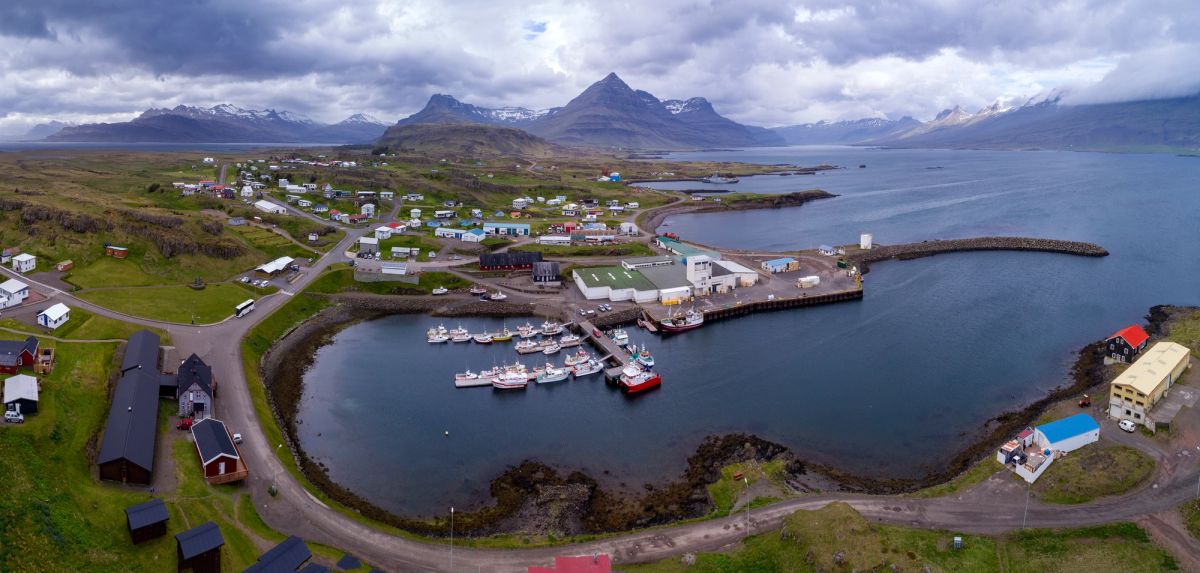
久皮沃古尔是东冰岛迷人的渔村,以'格莱迪维克之蛋'艺术装置而著称——34个代表贝鲁菲约尔杜尔峡湾鸟类的巨型花岗岩蛋。旧木制仓库朗加布德(1790年)是冰岛保存最完好的最古老木制建筑。
About
About 久皮沃古尔——石蛋之村
久皮沃古尔是东冰岛迷人的渔村,以'格莱迪维克之蛋'艺术装置而著称——34个代表贝鲁菲约尔杜尔峡湾鸟类的巨型花岗岩蛋。旧木制仓库朗加布德(1790年)是冰岛保存最完好的最古老木制建筑。
Walk among 34 giant stone bird eggs in a unique outdoor sculpture installation beside a beautiful East Iceland harbour.
Photos
Photo Gallery
Background
History & Background
Djúpivogur Village & Eggin í Gleðivík是位于冰岛东部的景点。这是冰岛冰岛东部地区最受欢迎的景点之一。无论何时到访,都能感受到冰岛大自然的独特魅力。
Djúpivogur Village & Eggin í Gleðivík是位于冰岛东部的景点。这是冰岛冰岛东部地区最受欢迎的景点之一。无论何时到访,都能感受到冰岛大自然的独特魅力。游客可以在此停留观赏,感受冰岛壮丽的自然风光。建议您提前查看天气状况和道路条件,以获得最佳的游览体验。
Folklore
Story & Folklore
Djúpivogur Village & Eggin í Gleðivík是位于冰岛东部的景点。这是冰岛冰岛东部地区最受欢迎的景点之一。无论何时到访,都能感受到冰岛大自然的独特魅力。
💡 Did You Know?
Each of the 34 eggs in Djúpivogur is made from a different type of stone — and each one represents a real bird species that lives in the area.
Local Legend
The Elves of the Eastern Fjords
The steep mountains and narrow fjords of East Iceland are considered one of the most enchanted regions of the country. Local tradition holds that entire communities of elves (álfar) live inside the mountains, with their own towns, churches, and social structures mirroring human society. Fishermen in eastern fjord villages have long reported seeing lights in the mountainsides on dark winter nights — the windows of elf houses, they say. Some families maintain that their ancestors had regular contact with the elf-folk, trading goods and sharing knowledge. The belief is so persistent that construction projects in the region still sometimes account for known elf dwellings.
Culture
Stories & Legends
Icelandic sagas and folklore from this area
Æðarsteinn
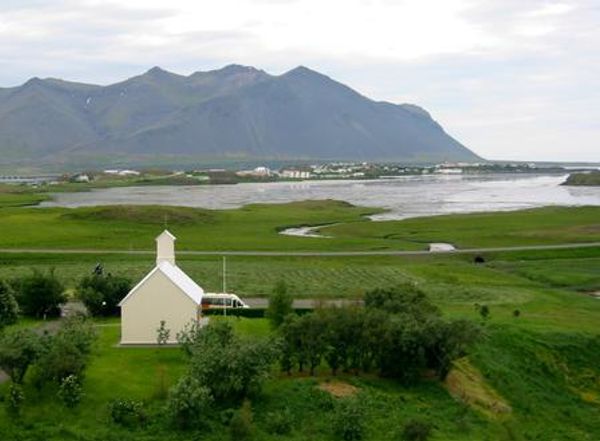
Æðarsteinn is a historic location in Iceland mentioned in "Þorsteins saga Síðu-Hallssonar", one of the ancient Íslendingasögur (Sagas of Icelanders). These medieval narratives preserve the history of Iceland's Viking Age settlement.
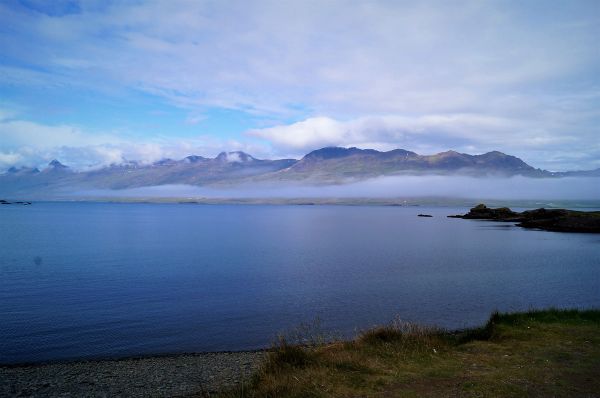
Berunes
A remote coastal area steeped in saga lore and natural beauty.
Explore
Hidden Gems Nearby
✦ Best Time of Day
Visit Djúpivogur Village & Eggin í Gleðivík during golden hour (the hour after sunrise or before sunset) for the most beautiful light.
Iceland's low-angle sunlight creates long shadows and warm colors that transform ordinary scenes into extraordinary ones.
✦ Local Knowledge
Ask locals for their favorite nearby spots — Icelanders are friendly and love sharing recommendations.
The best experiences often come from local tips about lesser-known viewpoints, cafés, or hidden natural features.
✦ Weather Changes
Don't leave if the weather is bad — wait 15 minutes and it often changes dramatically.
Iceland's rapidly changing weather can transform a gray scene into a spectacular display of light and clouds in minutes.
Help
Frequently Asked Questions
Location
📍 Location
Discover
Explore Nearby
Places from our database within 1.0 km — all data from Sanity
Loading nearby places…
0 places found within 1.0 km
Plan full itinerary →Explore More