柏林墙
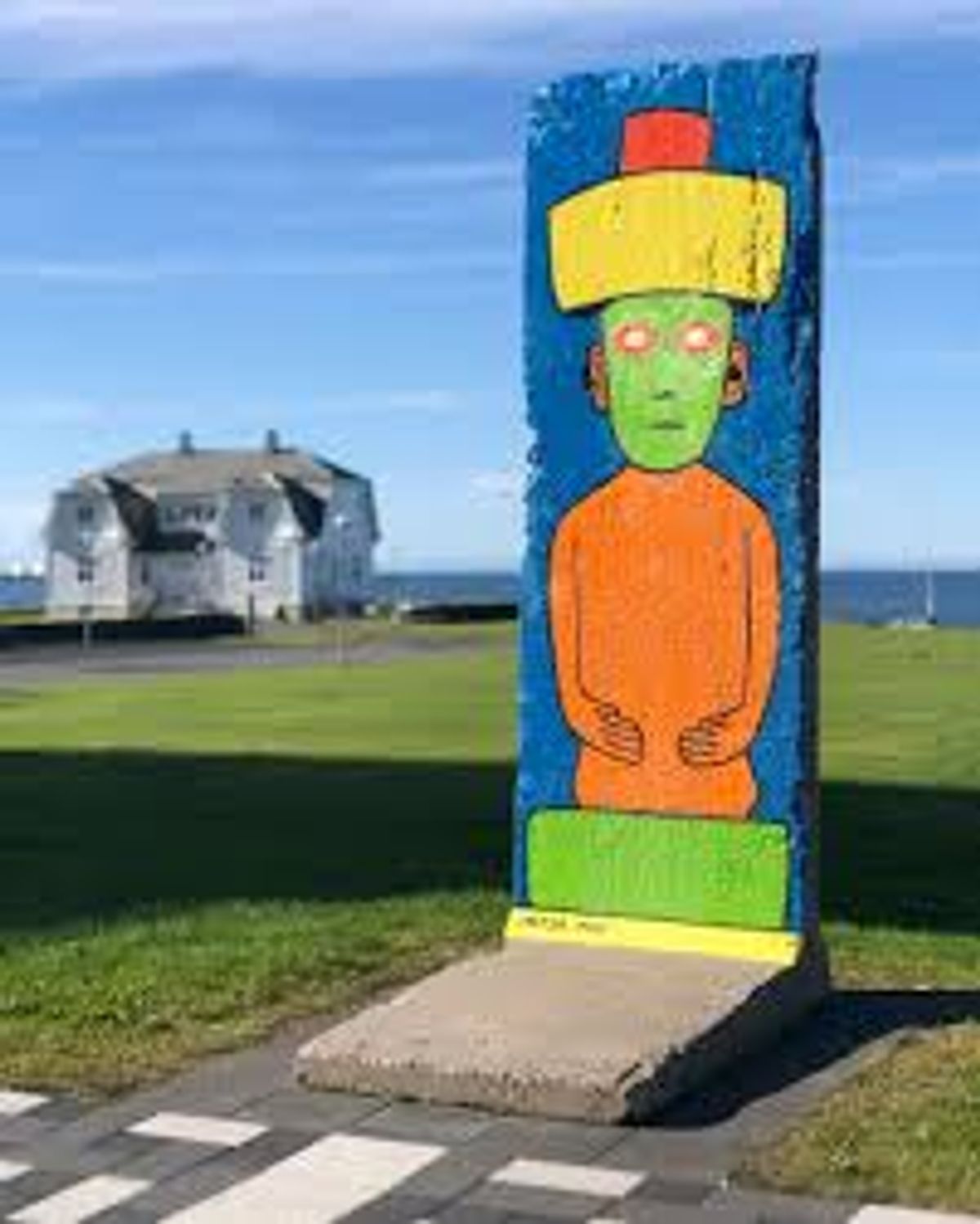
位于 Reykjavík 博尔加图恩(Borgartún)的柏林墙纪念段,是原始 Berlin Wall 的一部分,用以纪念冷战结束以及国际对话与合作的重要意义。这一纪念物也体现了冰岛在冷战时期作为东西方交流桥梁的重要角色,尤其与 Reykjavík Summit 1986 密切相关。 如今,这段柏林墙遗址象征着欧洲…
About
About 柏林墙
位于 Reykjavík 博尔加图恩(Borgartún)的柏林墙纪念段,是原始 Berlin Wall 的一部分,用以纪念冷战结束以及国际对话与合作的重要意义。这一纪念物也体现了冰岛在冷战时期作为东西方交流桥梁的重要角色,尤其与 Reykjavík Summit 1986 密切相关。 如今,这段柏林墙遗址象征着欧洲历史上的分裂时代以及随后实现的和平转变,同时也是游客在雷克雅未克市区了解冷战历史的重要文化停留点之一。
Connect with a monumental piece of global history in an unexpected and poignant Nordic setting.
Background
History & Background
柏林墙建于1961年,是冷战期间分隔东西德的铁幕的鲜明象征。近三十年来,它在物理和意识形态上将家庭和社区隔离开来,成为地缘政治紧张局势最强烈的体现。1989年11月9日它的倒塌是全球历史上的一个关键时刻,标志着东欧共产主义的崩溃,并为德国统一铺平了道路。 德国统一后,柏林墙的碎片被分发到世界各地,作为自由、纪念和人类精神战胜压迫的象征。雷克雅未克收到这块墙体是德国政府的礼物,以表彰冰岛在促进国际对话方面发挥的作用,特别是1986年罗纳德·里根和米哈伊尔·戈尔巴乔夫在雷克雅未克举行的峰会,这次峰会常被认为是为冷战结束奠定了基础。因此,这块特殊的墙体具有双重意义:它代表着全球为自由而进行的斗争,以及冰岛对世界和平的独特贡献。
在雷克雅未克海边发现一段意义深远的20世纪历史:一段真正的柏林墙。这块重达数吨的混凝土板,作为全球分裂和最终统一的关键时代的强大、有形的连接。它在这里的存在,远离其最初的位置,提供了一个独特的机会,让人们反思冷战、争取自由的斗争以及对团结的普遍渴望。 这段柏林墙位于哈帕音乐厅和会议中心附近,沿着风景优美的海滨,方便游客探索市中心。这里没有复杂的展览;墙壁本身就是纪念碑,可以直接进行沉思。花点时间观察它风化的表面、残留的油漆,以及曾经分裂一个国家的实物。它邀请您思考那些生活在其阴影下的人们的故事,以及庆祝其倒塌的欢腾人群。 参观柏林墙不仅仅是看到一件历史文物;它是一种将您与人类共同的过去及其迈向和平的持续旅程联系起来的体验。您可以将参观与漫步雷克雅未克充满活力的港口、在哈帕停留或漫步城市迷人的街道结合起来。它是一个深刻的提醒,即使是最强大的障碍也能倒塌,即使是一个小岛国也能在世界事件中发挥重要作用。这是一个引人入胜的免费景点,为任何雷克雅未克行程增添了深度。
Folklore
Story & Folklore
当您站在它面前时,北大西洋的海风在您身边呼啸,这是一块刻满历史的冰冷混凝土板。这不仅仅是一段墙;它是逝去时代的低语,是人类韧性的证明。想象它曾一度傲然挺立,一道残酷的屏障,分裂着家庭、朋友和意识形态。现在,远离其最初的严峻目的,它在一片以开放和亲近自然而闻名的岛国上安详地休憩。每一处裂痕和褪色的涂鸦都讲述着分离、渴望,最终是胜利的故事。它是一个无声而有力的提醒,墙壁可以倒塌,对自由的渴望不分地理界限,甚至在雷克雅未克宁静的街道上也能回响。它在这里的存在几乎是超现实的,一个全球的伤疤被治愈并转化为希望的灯塔,提醒我们团结的力量和和平的脆弱。
💡 Did You Know?
This specific segment of the Berlin Wall was a gift from the German government to Reykjavík, symbolizing peace and shared democratic values.
Local Legend
A Piece of the Divided World
Standing in Borgartún, the fragment of the Berlin Wall connects Reykjavík to one of the defining stories of the 20th century. For decades, the wall symbolized the division between East and West during the Cold War. Its presence in Reykjavík reflects Iceland’s role as a neutral meeting ground between global powers, especially during the historic Reykjavík Summit 1986, where leaders worked toward reducing tensions between opposing political systems.
Experiences
Tours Near 柏林墙
Best-rated Iceland experiences — book with free cancellation


Culture
Stories & Legends
Icelandic sagas and folklore from this area
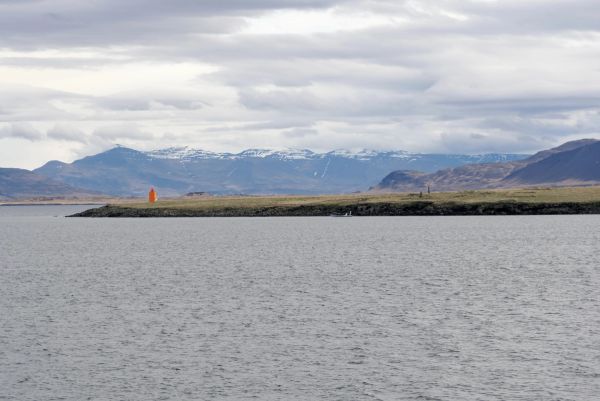
Engey
Engey is a historic location in Iceland mentioned in "Njáls saga", one of the ancient Íslendingasögur (Sagas of Icelanders). These medieval narratives preserve the history of Iceland's Viking Age settlement.
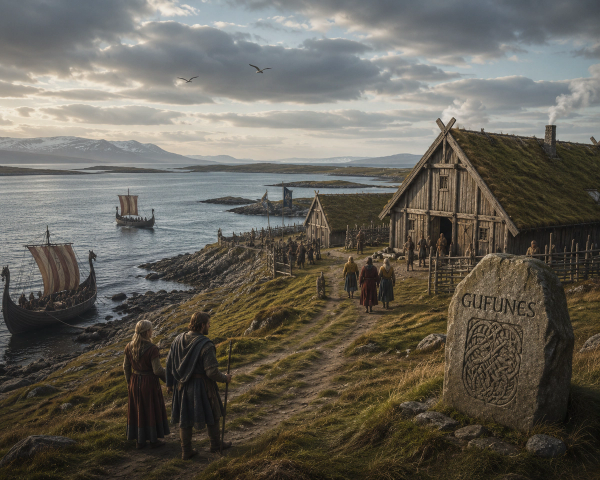
Gufunes
Gufunes is a historic location in Iceland mentioned in "Egils saga", one of the ancient Íslendingasögur (Sagas of Icelanders). These medieval narratives preserve the history of Iceland's Viking Age settlement.
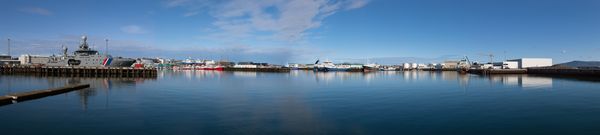
Reykjavík
Reykjavík is a historic location in Iceland mentioned in "Harðar saga og Hólmverja", one of the ancient Íslendingasögur (Sagas of Icelanders). These medieval narratives preserve the history of Iceland's Viking Age settlement.
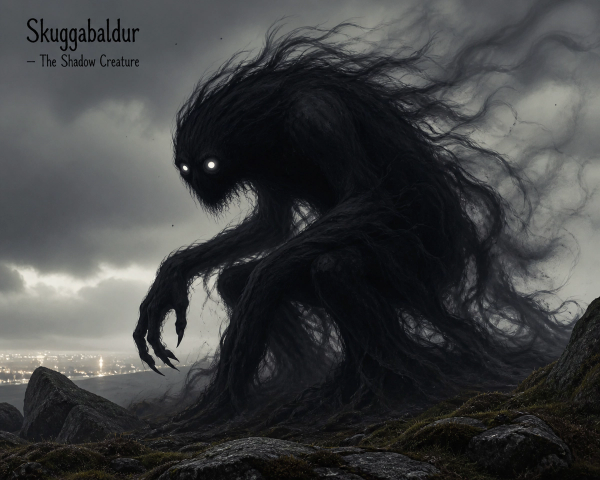
Skuggabaldur – The Shadow Creature
Skuggabaldur: A phantom dog guarding forgotten paths.
Location
📍 Location
Discover
Explore Nearby
Places from our database within 1.0 km — all data from Sanity
Loading nearby places…
0 places found within 1.0 km
Plan full itinerary →Explore More