埃亚菲亚拉约库尔火山
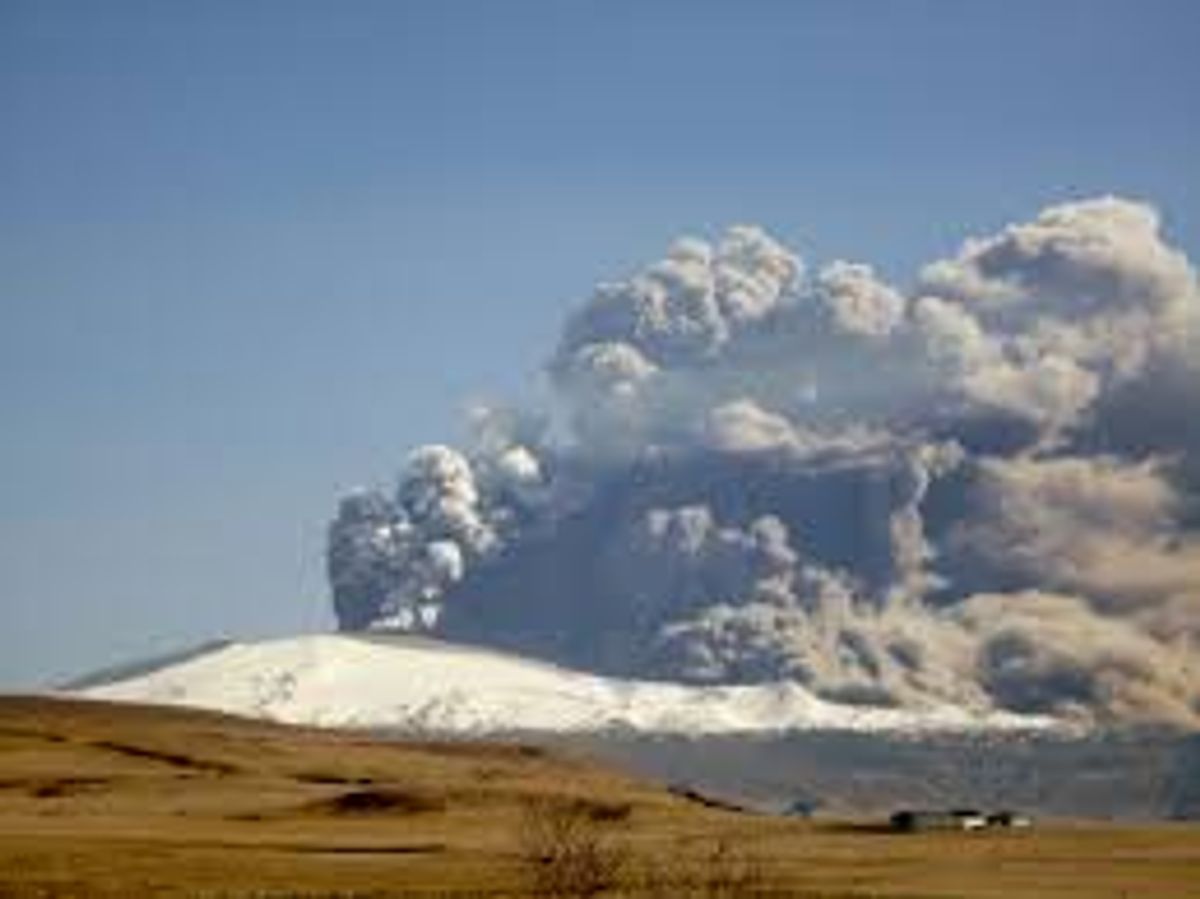
埃亚菲亚拉约库尔是2010年4月瘫痪欧洲空域数周的冰岛火山,影响逾1000万旅客。这座1651米高的成层火山覆盖着冰川。该地区的农场提供关于喷发的博物馆,有现象的图片和视频记录。
About
About 埃亚菲亚拉约库尔火山
埃亚菲亚拉约库尔是2010年4月瘫痪欧洲空域数周的冰岛火山,影响逾1000万旅客。这座1651米高的成层火山覆盖着冰川。该地区的农场提供关于喷发的博物馆,有现象的图片和视频记录。
Witness the dramatic volcanic landscapes at Eyjafjallajökull Glacier-Volcano and see the forces that shaped Iceland
Background
History & Background
The volcano is 1,651 meters high and covered by an ice cap about 100 square kilometers. The name means 'Island Mountain Glacier.' Guided tours visit the eruption site and visitor centers explain the dramatic events. The area offers stunning views and hiking opportunities.
Eyjafjallajökull是一座冰盖层状火山,以其2010年喷发而闻名,喷发产生了巨大的火山灰云,扰乱了欧洲航空旅行数周。火山高1651米,被约100平方公里的冰盖覆盖。名字意为'岛山冰川'。导游参观喷发地点,游客中心解释戏剧性事件。该地区提供令人惊叹的景色和徒步机会。
Folklore
Story & Folklore
The name means 'Island Mountain Glacier.' Guided tours visit the eruption site and visitor centers explain the dramatic events. The area offers stunning views and hiking opportunities.
Local Legend
The Troll of Reynisdrangar
The dramatic sea stacks at Reynisdrangar, visible from many points along the South Iceland coast, are said to be trolls turned to stone. According to legend, two trolls were trying to drag a three-masted ship to shore when they were caught by the first rays of dawn. Sunlight is fatal to trolls in Icelandic folklore, and they were instantly petrified, becoming the towering rock pillars that stand in the sea to this day. On stormy nights, some locals say you can still hear the trolls groaning as the waves crash against them, forever frozen in their midnight labor.
Experiences
Tours Near 埃亚菲亚拉约库尔火山
Best-rated Iceland experiences — book with free cancellation


Culture
Stories & Legends
Icelandic sagas and folklore from this area
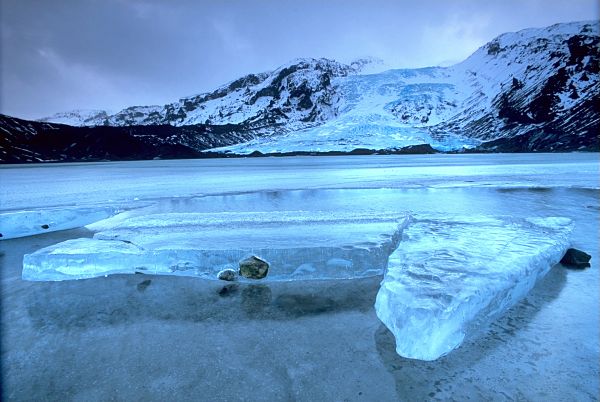
Eyjafjallajökull
Eyjafjallajökull: A mighty glacier, a symbol of Iceland's raw power.
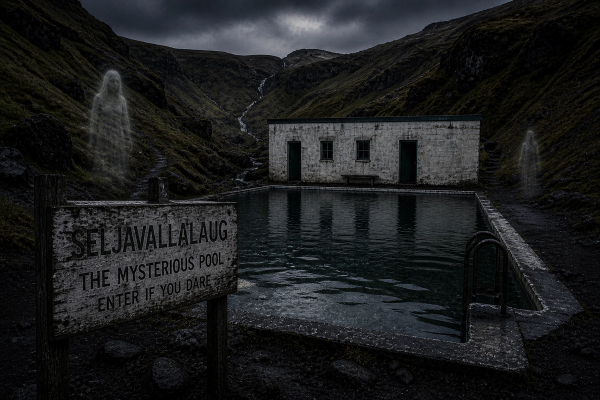
Seljavallalaug – The Mysterious Pool
An isolated geothermal pool in a narrow valley. Hikers have reported hearing voices with no visible source in the valley, particularly at dusk in autumn when the light fades early.
Explore
Hidden Gems Nearby
✦ Lava Formations Close-Up
Look carefully at the lava formations near Eyjafjallajökull Glacier-Volcano — each tells a story of how it cooled.
Rope lava, pillow lava, and columnar basalt each formed under different conditions, creating a geological textbook in stone.
✦ Moss & Lichens
The moss and lichen growing on the volcanic rock are some of the first life to colonize new lava fields.
Some of these organisms grow less than 1cm per year, meaning the patches you see may be decades or centuries old.
✦ Sunset Colors
The volcanic rock takes on incredible red and gold hues during sunset.
The iron-rich minerals in the lava glow in warm light, creating a photographer's paradise.
Help
Frequently Asked Questions
Location
📍 Location
Discover
Explore Nearby
Places from our database within 1.0 km — all data from Sanity
Loading nearby places…
0 places found within 1.0 km
Plan full itinerary →Explore More