Bessastaðaskans
Bessastaðaskans is a historic 17th-century fort, originally built to defend against Turkish raids, now appearing as gentle, grass-covered mounds by the sea. The…
About
About Bessastaðaskans
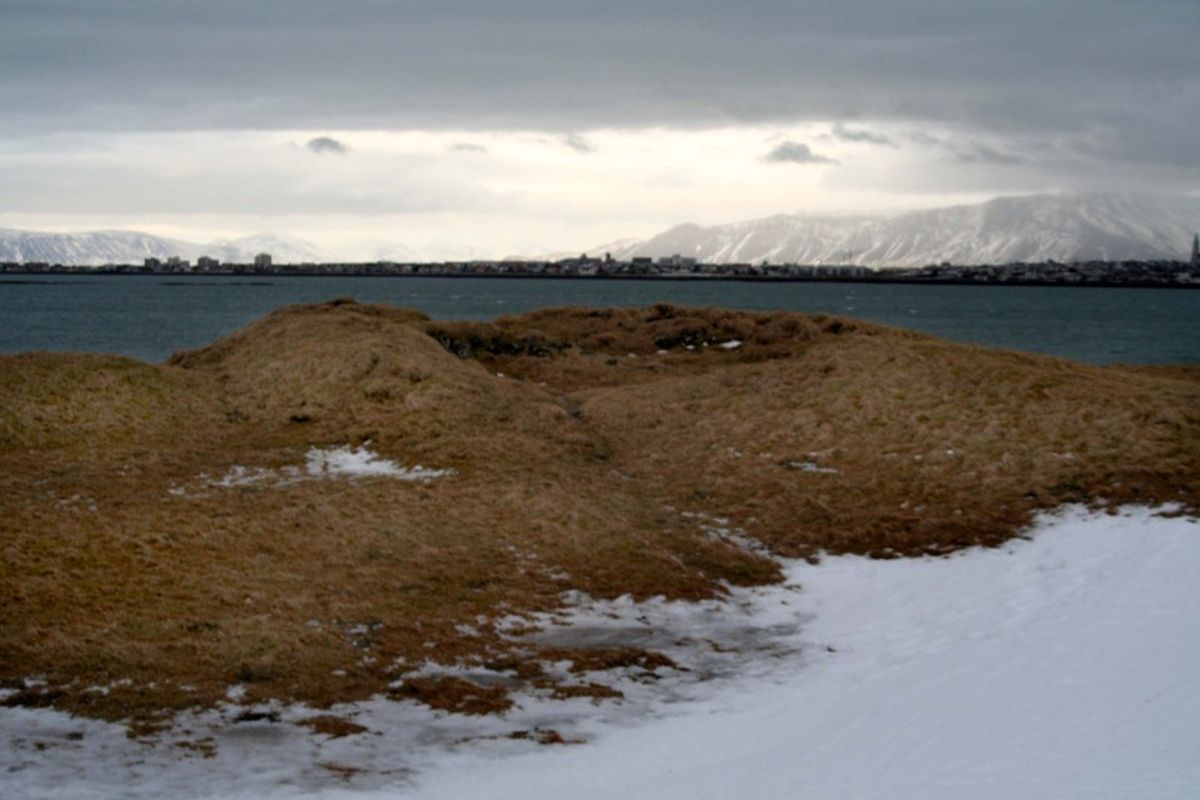
Bessastaðaskans is a historic 17th-century fort, originally built to defend against Turkish raids, now appearing as gentle, grass-covered mounds by the sea. These ancient earthworks offer a glimpse into Iceland's past, set against the dramatic backdrop of a cloudy sky, a shimmering bay, and distant snow-capped mountains.
Discover a unique blend of Icelandic history and stark natural beauty with panoramic coastal views.
Background
History & Background
Bessastaðaskans is a historical fort that was erected in the late 17th century, specifically to defend against incursions by Turkish pirates. The structure primarily consisted of four high earthen walls, which over the centuries have naturally settled and become less pronounced, now appearing as gentle mounds. The construction of the fort was a significant undertaking for its time. In 1667, a special tax was levied nationwide to finance the building of Bessastaðaskans, with the people of Suðurnesjamenn tasked with its construction the following year. However, after its initial establishment, the fort was not maintained, and it gradually became overgrown by vegetation. It wasn't until 1930 that Bessastaðaskans was officially preserved as a historical site. Adding to its rich history, local legend tells of Óli skans and his wife Vala, who are said to have lived at the fort. Their story has been passed down through generations and is recounted in a well-known Icelandic poem, intertwining the fort's strategic past with local folklore.
Bessastaðaskans offers a compelling journey into Iceland's past, set against a backdrop of breathtaking coastal scenery. Originally constructed in the late 17th century as a fort to defend against Turkish pirate raids, it stands today not as a towering stronghold, but as a series of gentle, undulating earth mounds, largely overgrown with resilient brown grass and dotted with patches of snow, as seen in the accompanying image. From this historic vantage point, visitors are treated to expansive views across the tranquil bay, with the distant silhouette of a city skyline and the majestic, snow-capped mountains beyond. The fort's history is intriguing, having been funded by a national tax in 1667 and built by locals from Suðurnesjamenn. Despite its initial purpose, it was not maintained, and nature slowly reclaimed it until its protection as a historical site in 1930. Beyond its factual history, the site is steeped in local folklore, particularly the tale of Óli skans and his wife Vala, whose story is immortalized in Icelandic poetry. Access to Bessastaðaskans is via the picturesque Álftanes coastal path, starting from the parking area near Bessastaðakirkja. While offering a serene walk, visitors should be aware that the path may be closed during bird nesting season to protect local wildlife. This unique coastal location, with its blend of history, legend, and dramatic natural beauty, provides a distinctly Icelandic experience.
Folklore
Story & Folklore
Standing on the windswept mounds of Bessastaðaskans, you can almost hear the echoes of the 17th century when this unassuming fort was a vital defense. Built to guard against marauding Turkish pirates, it was once a formidable structure, now softened by centuries of nature reclaiming its earth walls. The foreground is a mosaic of resilient brown grass and lingering patches of snow, leading down to the dark, restless waters of the bay. Across the expanse, a distant city skyline emerges, crowned by majestic snow-dusted mountains under a brooding, cloudy sky. It’s here, amidst this rugged beauty, that the legend of Óli skans and his wife Vala is said to have unfolded, their story woven into the very fabric of this historic, windswept point.
Local Legend
Sagan af Óla skans og Völu
Staðbundnar sögur segja frá Óla skans og konu hans Völu, sem sögð eru hafa búið í virkinu. Saga þeirra er ódauðleg í vel þekktu íslensku kvæði, sem bætir lag af goðsagnakenndum sjarma við þennan sögulega stað.
Experiences
Tours Near Bessastaðaskans
Best-rated Iceland experiences — book with free cancellation


Culture
Stories & Legends
Icelandic sagas and folklore from this area
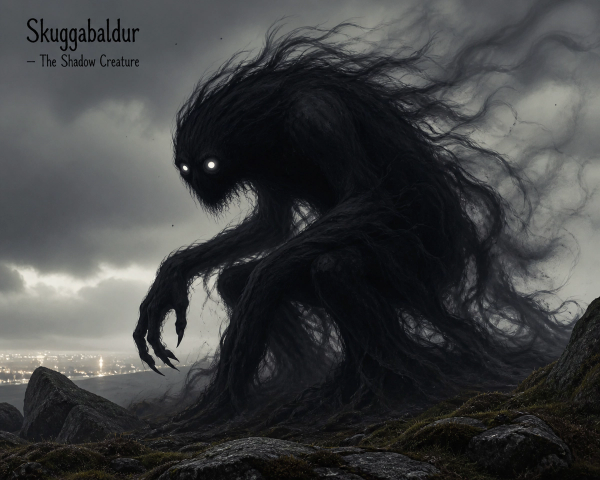
Skuggabaldur – The Shadow Creature
Skuggabaldur: A phantom dog guarding forgotten paths.
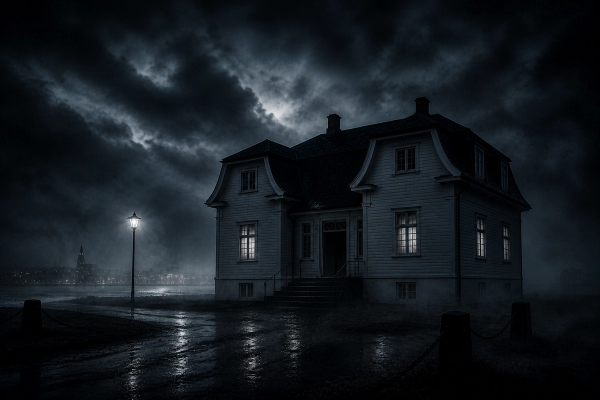
Höfði House – Reykjavík's Haunted Mansion
Höfði House: Reykjavík's historic mansion with a chilling paranormal past.
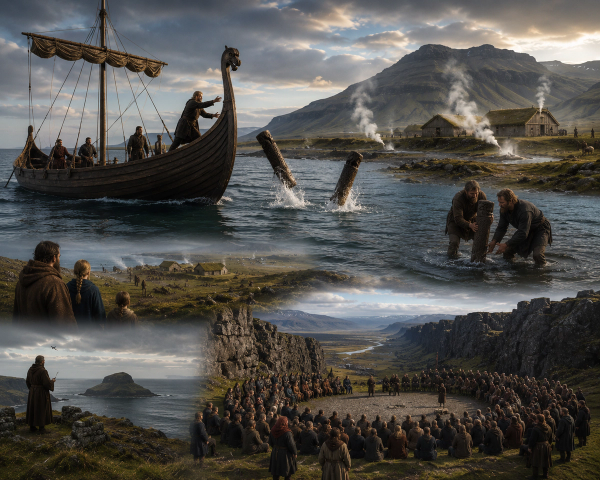
The Settlement of Iceland – Land of Fire and Freedom
Iceland: Land of Fire and Freedom, forged by Vikings and volcanic might.

National Theatre of Iceland
Staff and performers have reported unexplained sounds, flickering lights and ghostly presences in the backstage areas and upper floors of this early 20th century building.
Explore
Hidden Gems Nearby
✦ Bessastaðakirkja
Nálæg söguleg kirkja sem hefur verið til staðar í ýmsum myndum í margar aldir og var einu sinni biskupssetur.
Hún býður upp á innsýn í trúar- og stjórnmálasögu Íslands.
✦ Álftaness strandstígur
Falleg gönguleið meðfram strandlengjunni sem leiðir að Bessastaðaskansi, með útsýni yfir sjóinn og fuglalíf.
Tilvalinn fyrir rólega göngu og til að njóta fersks sjávarlofts og víðáttumikils útsýnis.
✦ Útsýni yfir Reykjavík
Frá Bessastaðaskansi er hægt að sjá skýringarmynd Reykjavíkur yfir flóann, með Hallgrímskirkju oft áberandi.
Tilvalinn staður til að taka myndir af höfuðborginni úr nýju sjónarhorni.
Help
Frequently Asked Questions
Location
📍 Location
Discover
Explore Nearby
Places from our database within 1.0 km — all data from Sanity
Loading nearby places…
0 places found within 1.0 km
Plan full itinerary →Explore More