
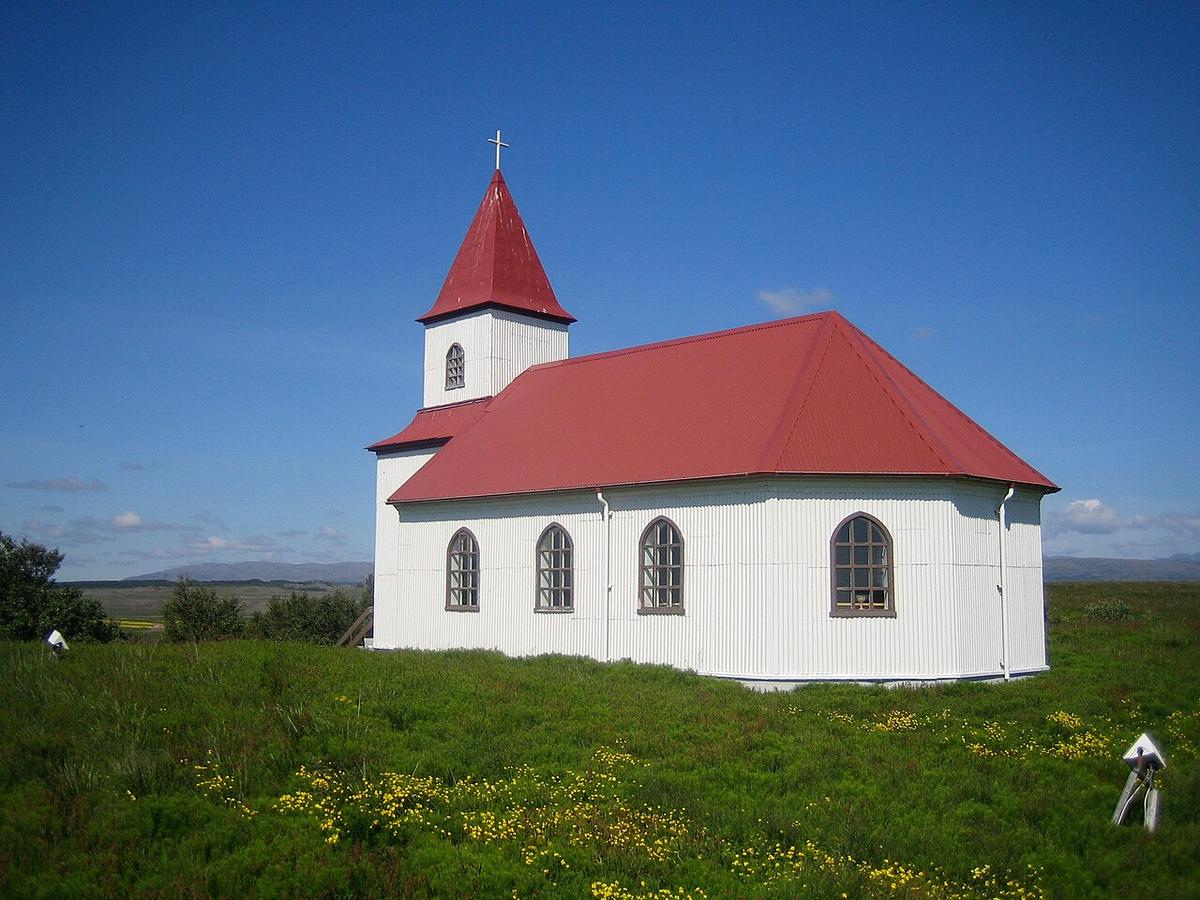
Stafholtskirkja
A charming white church with a striking red roof, nestled in West Iceland's verdant landscape.
About
About Stafholtskirkja
A charming white church with a striking red roof, nestled in West Iceland's verdant landscape.
Experience a slice of Icelandic history and serene beauty at this iconic red-roofed church.
Tours Near Stafholtskirkja

Buggy tours around Snæfellsjökull. 2 hour tour
Glacier Paradise · 2 hours 30 minutes

Buggy tours around Snæfellsjökull. 1 hour tour
Glacier Paradise · 1 hour

Into The Glacier - With Snowmobiling From Klaki Base Camp
Arctic Adventures · 2 hours 30 minutes
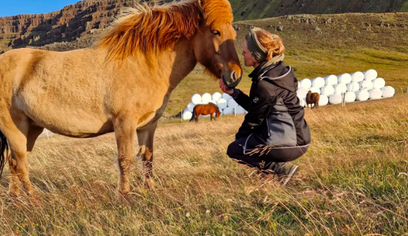
Private Farm Visit & Silver Circle Day Tour in West Iceland
Rest in the West · 12 hours
Photos
Gallery
Background
History & Background
The current Stafholtskirkja, a prominent landmark in West Iceland, was constructed between 1875 and 1877. At its inception, under the guidance of Reverend Stefán Þorvaldsson, it was regarded as one of the largest and most magnificent rural churches of its time, featuring a distinctive roof tower with a cathedral-like collar and a small chancel. The church’s original design reflected the architectural trends and spiritual aspirations of late 19th-century Iceland. A significant transformation took place in 1948 when the church underwent renovations. These included the construction of a new chancel and the addition of a more substantial tower, which notably altered its external appearance. These changes made the building more spacious and stately, enhancing its capacity and grandeur. The church was officially transferred to the ownership and stewardship of the congregation in 1910, solidifying its role as a central pillar of the local community. Beyond its architectural evolution, Stafholtskirkja holds deep historical connections to some of Iceland's most celebrated figures. The famed historian and poet Snorri Sturluson, along with the scholar Ólafur Þórðarson hvítaskáld, both lived in Stafholt for a period. This association elevates the church's significance, linking it to the rich intellectual and literary traditions that have shaped Icelandic culture for centuries, making it a site of profound historical and cultural resonance.
Nestled in the breathtaking landscape of West Iceland, Stafholtskirkja is a beacon of history and serenity. This striking church, instantly recognizable by its crisp white wooden siding and vibrant red corrugated iron roof, crowned with a matching red steeple and white cross, stands proudly against a backdrop of rolling green fields and distant mountains under a brilliant blue sky. Built between 1875 and 1877 under the patronage of Reverend Stefán Þorvaldsson, it was initially one of the largest and most magnificent country churches of its era, featuring a distinctive roof tower with a cathedral-like collar and a small chancel. Its elegant arched windows, visible along its elongated sides, invite contemplation. The church underwent significant modifications in 1948, which saw the construction of a new porch and the addition of a more prominent tower. These changes altered its external appearance, making it both more spacious and grander, yet preserving its timeless charm. Stafholtskirkja was officially handed over to the congregation for ownership and care in 1910, marking a new chapter in its community role. Beyond its architectural beauty, Stafholtskirkja holds profound cultural significance. It is historically linked to some of Iceland's most revered figures, including the legendary historian and poet Snorri Sturluson and the scholar Ólafur Þórðarson hvítaskáld, both of whom resided in Stafholt for a period. This connection imbues the site with a deep sense of historical narrative, making it more than just a place of worship but a living testament to Iceland's intellectual and spiritual heritage. Visitors to Stafholtskirkja can appreciate its distinctive Icelandic architectural style, its peaceful setting, and ponder the centuries of history that have unfolded here. The surrounding lush green landscape, dotted with small yellow flowers in warmer months, provides a tranquil setting for reflection and photography. It’s a perfect stop for those exploring the historical and natural wonders of West Iceland, offering a quiet moment to connect with the island's rich past.
Folklore
Story & Folklore
Under the vast, azure sky of West Iceland, Stafholtskirkja stands as a testament to enduring faith and history. Imagine the whispers of the wind through the tall grass, carrying tales from the late 19th century when this bright white church, with its distinctive red roof and steeple, first rose from the landscape. Commissioned by Reverend Stefán Þorvaldsson and completed between 1875-1877, it was once among the grandest country churches of its time. Its silhouette, topped by a cross reaching towards the heavens, has graced this land for generations. Later, in 1948, the church underwent significant changes, gaining a new porch and a more prominent tower, enhancing its stately appearance and spaciousness. But beyond its architectural evolution, Stafholtskirkja holds deeper echoes. It was once home to literary giants like Snorri Sturluson and Ólafur Þórðarson, linking this serene spot to the very foundations of Icelandic saga and scholarship. Visiting here is not just seeing a building; it's stepping into a vibrant tapestry of Icelandic heritage, where every beam and every arch tells a story of devotion, change, and the enduring spirit of a nation.
Did You Know?
Did you know Iceland adopted Christianity in 1000 AD by democratic decision at Alþingi? Stafholtskirkja, though newer, carries centuries of spiritual legacy.
Culture
Stories & Legends
Icelandic sagas and folklore from this area
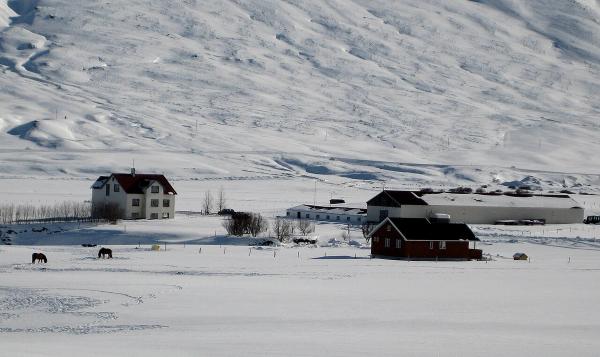
Bakkavað
Bakkavað is a historic location in Iceland mentioned in "Laxdæla saga, Harðar saga og Hólmverja", one of the ancient Íslendingasögur (Sagas of Icelanders). These medieval narratives preserve the history of Iceland's Viking Age settlement.
Blundsvatn
Blundsvatn is a historic location in Iceland mentioned in "Hænsna-Þóris saga", one of the ancient Íslendingasögur (Sagas of Icelanders). These medieval narratives preserve the history of Iceland's Viking Age settlement.
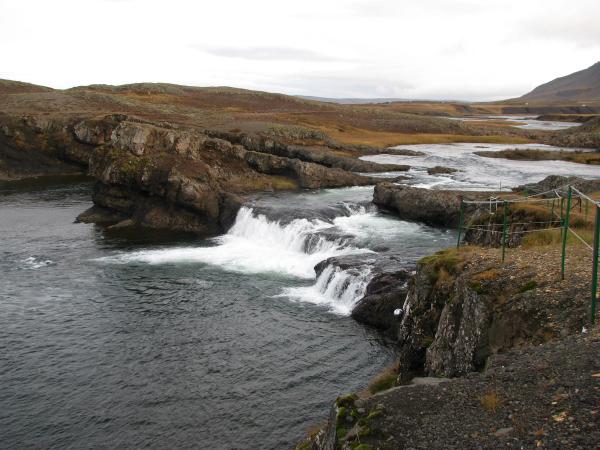
Grímsá
Grímsá is a historic location in Iceland mentioned in "Harðar saga og Hólmverja", one of the ancient Íslendingasögur (Sagas of Icelanders). These medieval narratives preserve the history of Iceland's Viking Age settlement.
Haugar (Sigmundarstaðir)
Haugar (Sigmundarstaðir) is a historic location in Iceland mentioned in "Egils saga", one of the ancient Íslendingasögur (Sagas of Icelanders). These medieval narratives preserve the history of Iceland's Viking Age settlement.
Location
Location
Discover
Explore Nearby
Places from our database within 5.0 km — all data from Sanity
Loading nearby places…
0 places found within 5.0 km
Plan full itinerary →Explore More