
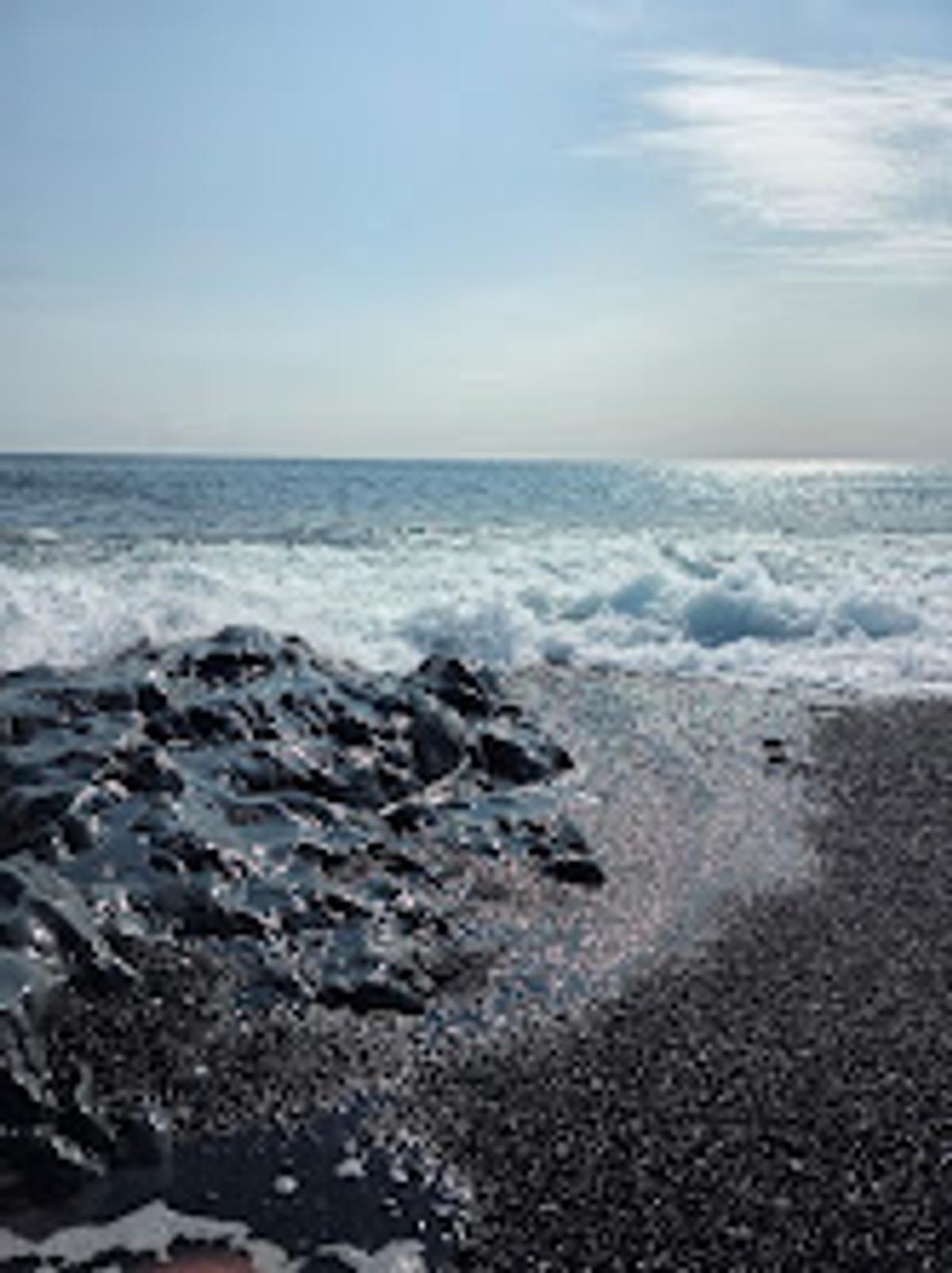
Djúpalónssandur Beach
Djúpalónssandur Beach, nestled on the Snæfellsnes Peninsula in West Iceland, is a captivating black sand and pebble beach. Renowned for its dramatic volcanic la…
About
About Djúpalónssandur Beach
Djúpalónssandur Beach, nestled on the Snæfellsnes Peninsula in West Iceland, is a captivating black sand and pebble beach. Renowned for its dramatic volcanic landscapes, it also features the poignant remains of a shipwreck and ancient lifting stones, inviting visitors to a unique coastal experience beneath Snæfellsjökull.
Witness dramatic volcanic landscapes, explore shipwreck remains, and test your strength with ancient lifting stones.
Tours Near Djúpalónssandur Beach

Buggy tours around Snæfellsjökull. 2 hour tour
Glacier Paradise · 2 hours 30 minutes
Buggy tours around Snæfellsjökull. 1 hour tour
Glacier Paradise · 1 hour
Into The Glacier - With Snowmobiling From Húsafell
Arctic Adventures · 4 hours 30 minutes
Private Tagestour Westisland ab Reykjavík mit Stopp am Langjökull
SPS Travel · 8 hours
Photos
Gallery
Background
History & Background
Djúpalónssandur holds echoes of Iceland's maritime past. The ancient lifting stones found here are a significant historical artifact, representing a long-standing tradition among local fishermen. These stones were used as a test of strength, a crucial rite of passage for those seeking to work on the demanding fishing boats. Beyond these cultural relics, the beach is also home to the poignant remains of a shipwreck. These scattered pieces of iron serve as a somber reminder of the ocean's power and the perils faced by sailors navigating the Icelandic waters. Together, these elements paint a vivid picture of the human interaction with this dramatic coastal environment through centuries.
Djúpalónssandur Beach, a jewel of the Snæfellsnes Peninsula in West Iceland, offers an unforgettable encounter with Iceland's untamed nature and rich maritime heritage. This captivating black sand and pebble beach is famed for its dramatic volcanic landscapes, providing a stark and beautiful backdrop to the powerful Atlantic ocean. Dominating the horizon is the magnificent Snæfellsjökull, a glacier-capped stratovolcano that adds to the area's mystical allure and enhances the sense of wild, untamed beauty. Visitors to Djúpalónssandur can explore the fascinating remnants of a shipwreck, a poignant memorial to the sea's might and human resilience. These decaying iron pieces are scattered across the black pebbles, telling silent stories of past voyages and the challenges faced by seafarers. Further inland, a unique cultural artifact awaits: the ancient lifting stones. These heavy, smooth stones were historically used by local fishermen to prove their strength before being deemed fit for work at sea. They offer a tangible link to the island's industrious past and provide an engaging challenge for modern-day visitors to test their own might. The beach's dramatic setting, combined with these compelling historical elements, creates a truly compelling experience. Djúpalónssandur is not merely a scenic stop but a place where geological drama, historical echoes, and powerful natural beauty converge, making it a must-visit destination on the Snæfellsjökull Peninsula.
Folklore
Story & Folklore
Step onto Djúpalónssandur and feel the raw power of Iceland's western coast. The dramatic black pebbles crunch underfoot, a stark contrast to the vast, volcanic landscapes that unfold around you. Above, the majestic Snæfellsjökull glacier looms, a silent guardian over this captivating stretch of shore. Here, history whispers through the air, carried by the sea breeze. You'll encounter the haunting remains of a shipwreck, a poignant reminder of the ocean's unforgiving nature. Nearby, ancient lifting stones, smooth and heavy, lie ready for those who dare to test their might, echoing the traditions of old Icelandic fishermen. This beach isn't just a sight; it's an immersive journey into Iceland's rugged beauty and maritime past, a place where nature's drama and human history intertwine.
Did You Know?
The ancient lifting stones at Djúpalónssandur were historically used by fishermen to test their strength, a vital skill for life at sea.
Culture
Stories & Legends
Icelandic sagas and folklore from this area
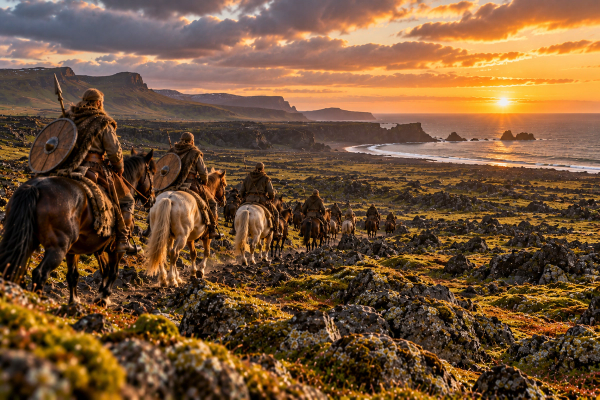
Beruvíkurhraun
Beruvíkurhraun is a historic location in Iceland mentioned in "Bjarnar saga Hítdælakappa", one of the ancient Íslendingasögur (Sagas of Icelanders). These medieval narratives preserve the history of Iceland's Viking Age settlement.
Djúpalón
Djúpalón is a historic location in Iceland mentioned in "Bárðar saga Snæfellsáss", one of the ancient Íslendingasögur (Sagas of Icelanders). These medieval narratives preserve the history of Iceland's Viking Age settlement.
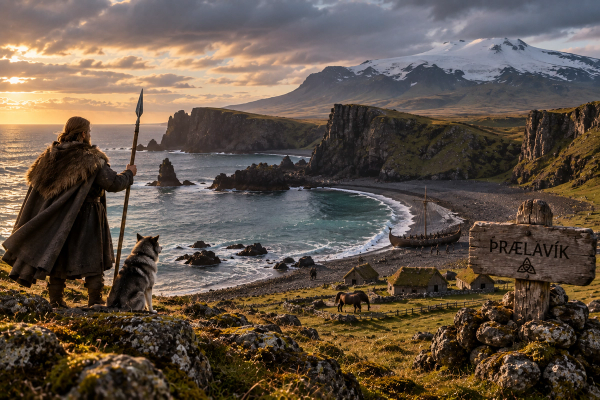
Þrælavík
Þrælavík is a historic location in Iceland mentioned in "Bárðar saga Snæfellsáss", one of the ancient Íslendingasögur (Sagas of Icelanders). These medieval narratives preserve the history of Iceland's Viking Age settlement.
Explore
Hidden Gems Nearby
Tidal Patterns
The black sand creates stunning patterns as the waves retreat, especially at low tide.
The interplay of water, sand texture, and reflected sky creates naturally artistic compositions that are constantly changing.
Rock Formations
Explore the rock formations at the edges of the beach — many feature columnar basalt and small caves.
These geological features add variety to your beach visit and often shelter small tidal pools with marine life.
Seabird Watching
Bring binoculars to spot seabirds nesting on nearby cliffs, especially during summer months.
In breeding season (May-August), you can often see puffins, fulmars, and guillemots from the beach.
Help
Frequently Asked Questions
Location
Location
Discover
Explore Nearby
Places from our database within 5.0 km — all data from Sanity
Loading nearby places…
0 places found within 5.0 km
Plan full itinerary →Explore More