
Iceland · Archaeological Heritage
Historic & Abandoned Places
Registered abandoned farms, ruins, shielings and historic church sites from Iceland's national archaeological survey — not every site here is abandoned, and not every site is currently open to visit.
Iceland was settled from the late 9th century onward, and centuries of farming, changing climate, and rural depopulation have left thousands of former farmsteads, outbuildings and seasonal herding sites recorded but unoccupied across the country. Minjastofnun Íslands, the national heritage agency, maintains an open archaeological survey of these locations. This collection presents a reviewed selection of that data with independently written, factual descriptions — and, where public access hasn't been verified, an honest note saying so rather than an invitation to visit.
5 Places
Historic Farmstead · North Iceland
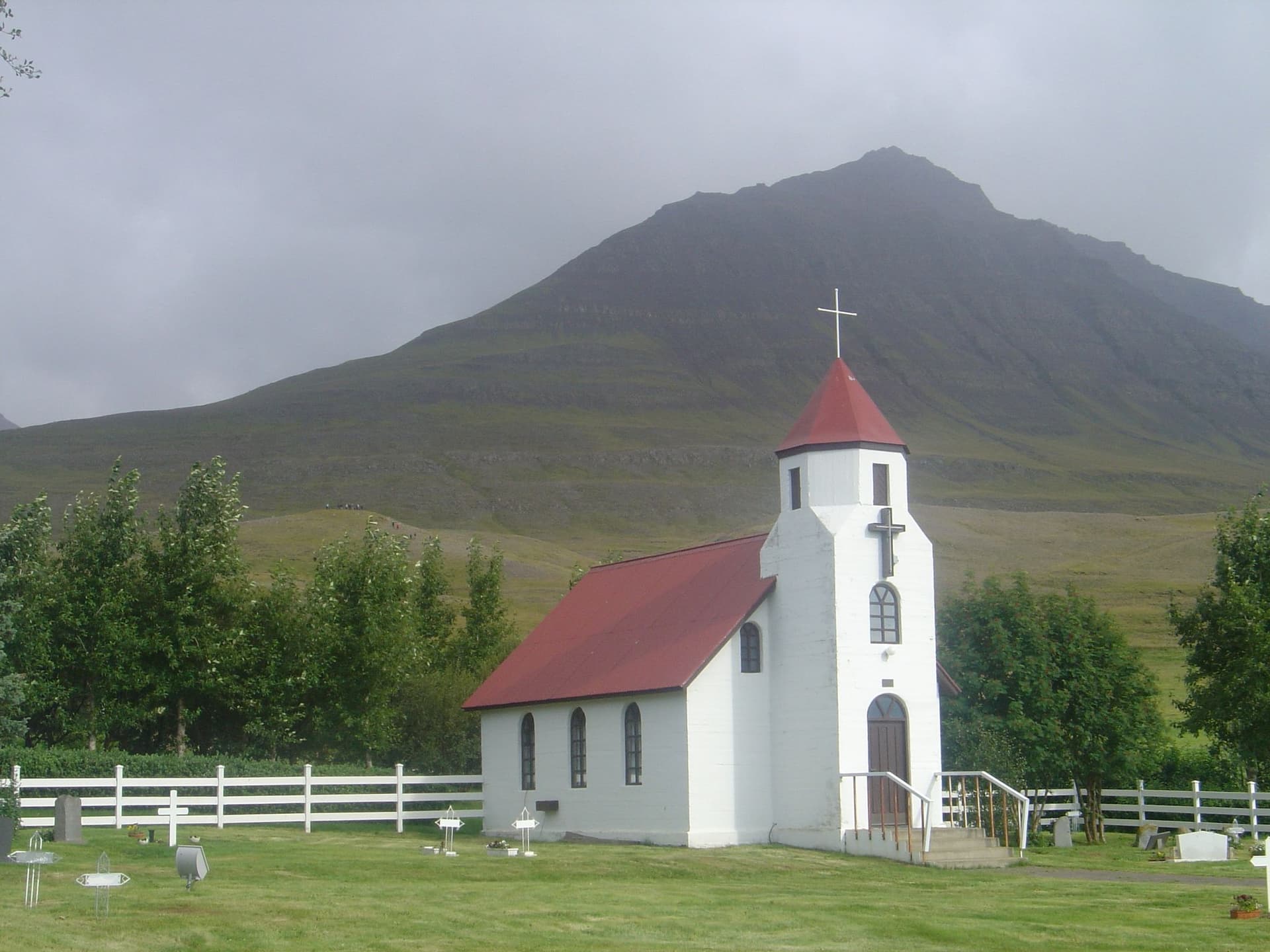
Flugumýri
Flugumýri is a historic church and farm site in Skagafjörður, North Iceland, said in the Landnámabók to be named for a mare called Fluga owned by its first settler, Þórir dúfunef.
Explore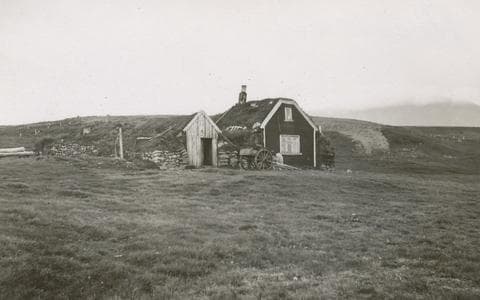
Ruin · North Iceland
Hvammkot
Archaeological Ruin in North Iceland, Iceland — a registered archaeological site with 24 recorded features.
Explore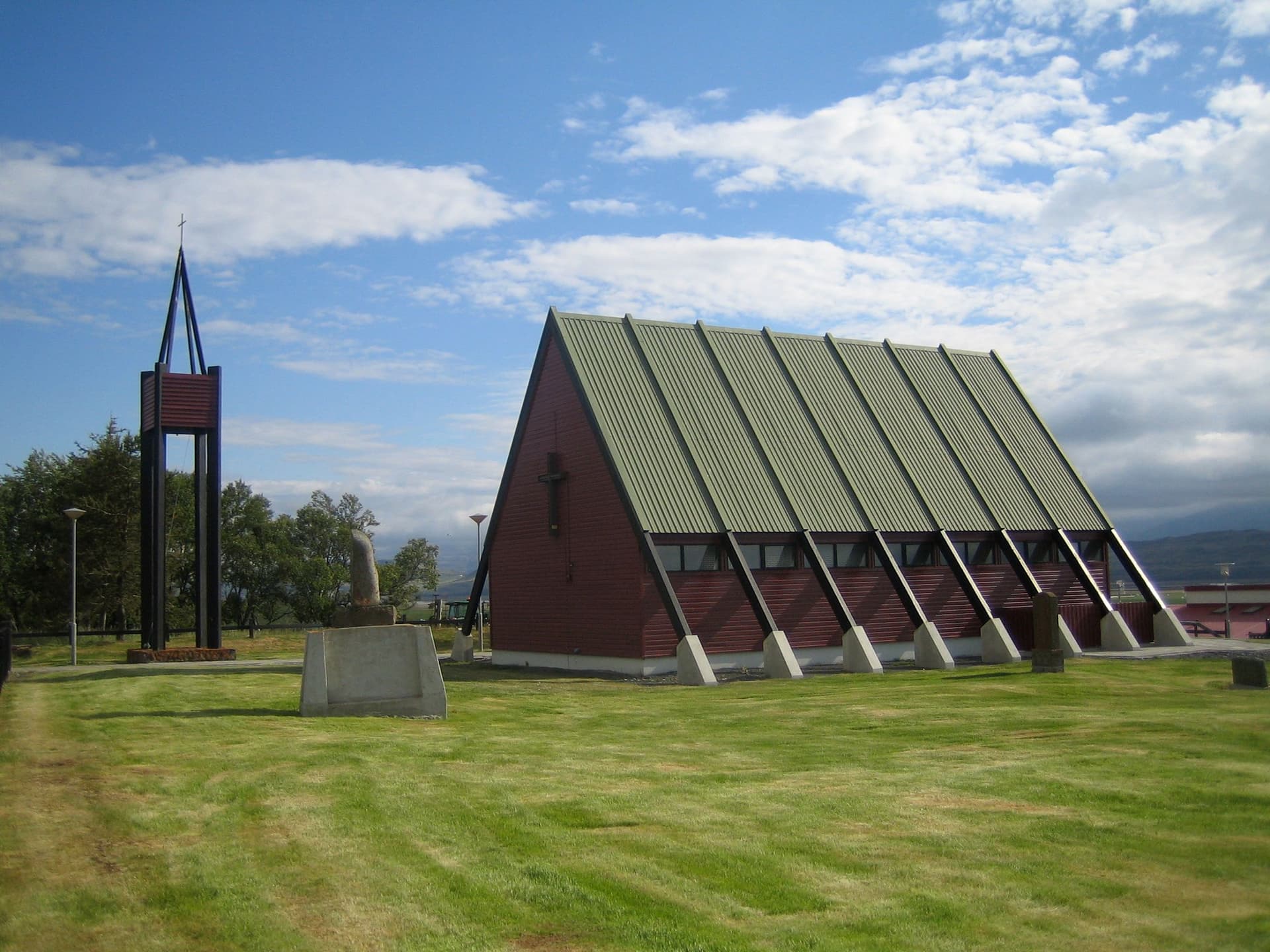
Historic Church Site · North Iceland
Miklibær
Miklibær is a historic church site and former parsonage in Blönduhlíð, Skagafjörður, first recorded in the Sturlunga Saga in 1234 and later the setting of a well-known 18th-century ghost legend.
Explore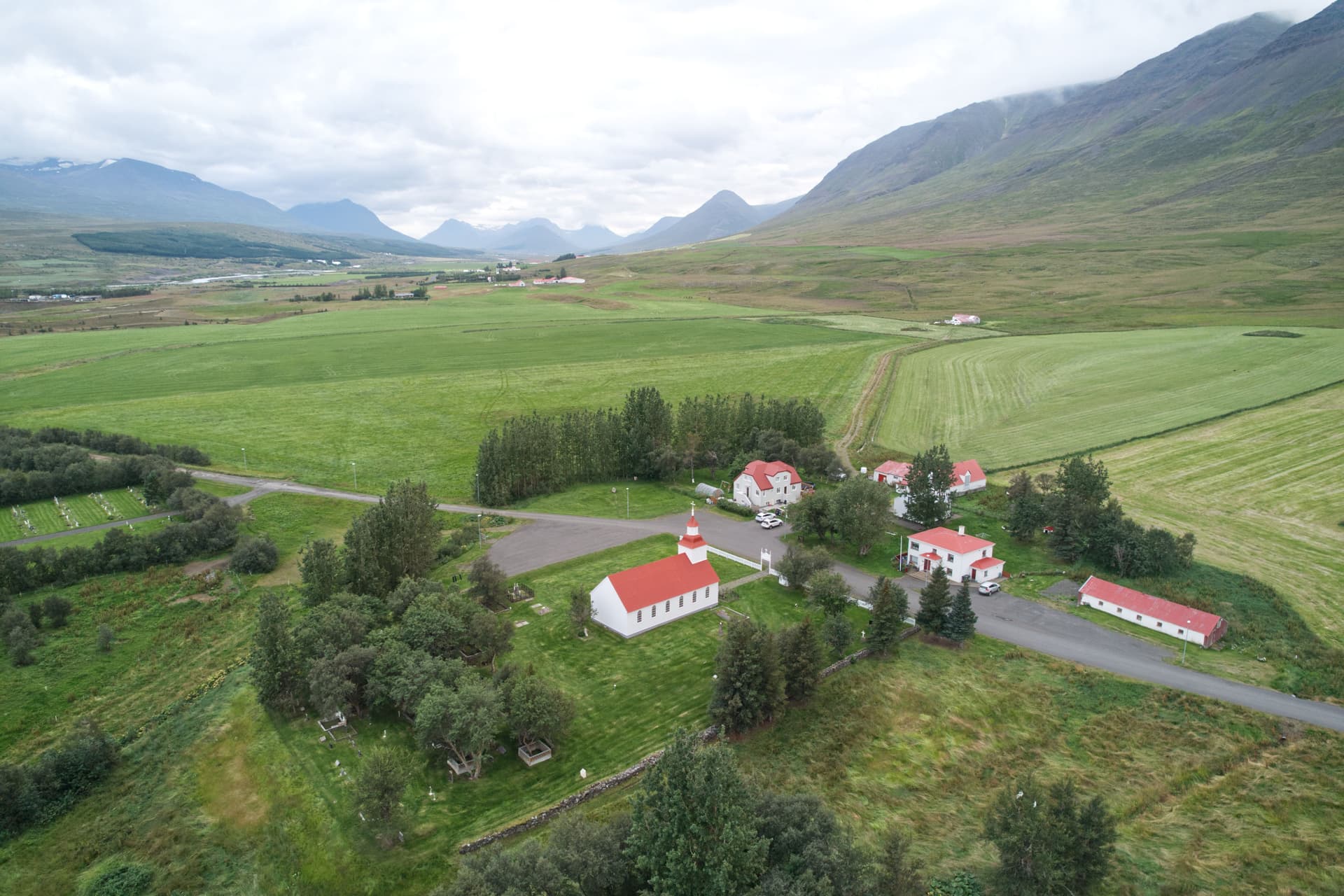
Historic Farmstead · North Iceland
Möðruvellir
Möðruvellir is a historic farm and church site in Hörgárdalur, North Iceland, continuously settled since the Age of Settlement and the birthplace of Iceland's first minister, Hannes Hafstein.
Explore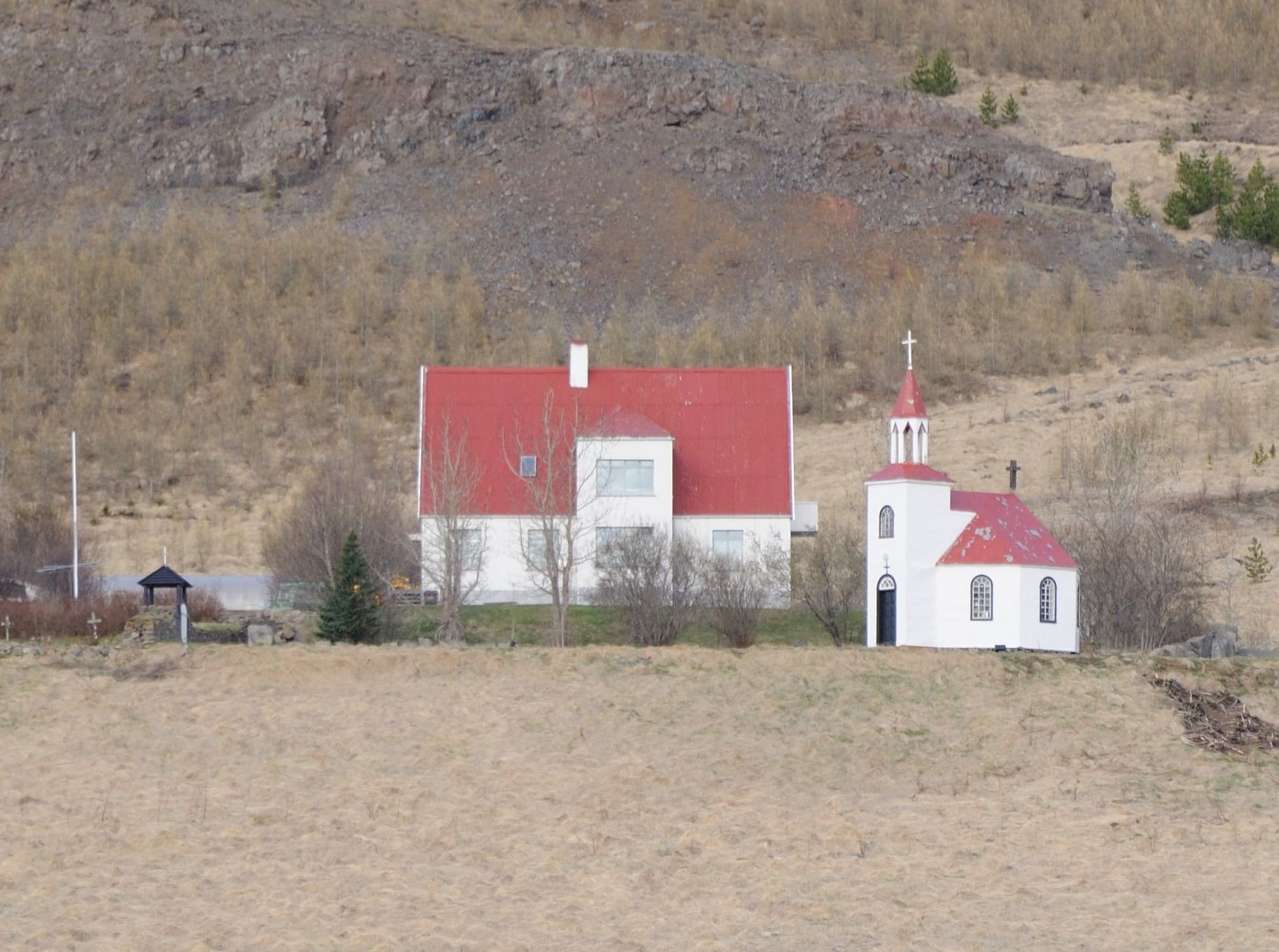
Historic Church Site · North Iceland
Silfrastaðir
Silfrastaðir is a farm and church site in Skagafjörður, North Iceland, whose original 1842 turf church was later moved to Reykjavík's Árbæjarsafn open-air museum.
ExploreBefore You Go
Responsible Exploration
- Many of these sites sit on private agricultural land — access is not guaranteed and should never be assumed.
- Do not climb on, enter, or move stones from any ruined structure.
- Do not remove artifacts. Several sites carry Iceland's highest legal protection tier (friðlýst).
- Where a page doesn't confirm a public trail or parking point, none should be assumed to exist.