Historic Church Site · North Iceland, Iceland
Silfrastaðir
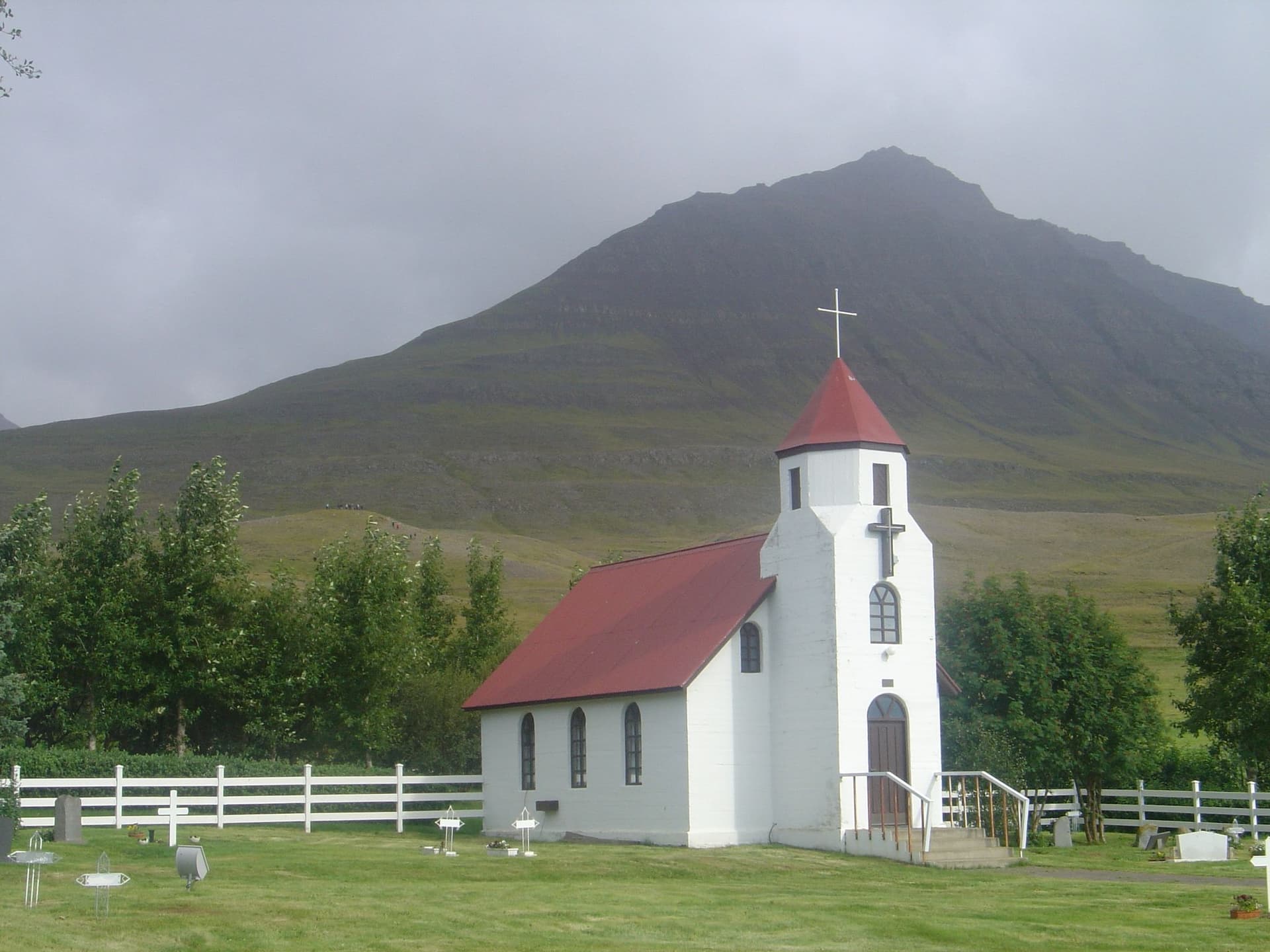
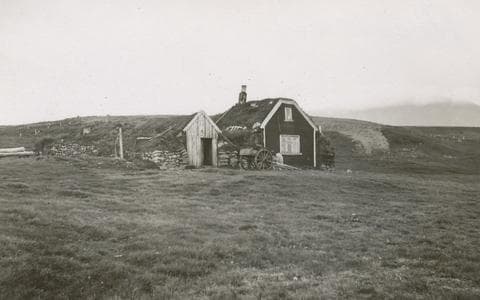
Silfrastaðir is a farm and church site in Skagafjörður, North Iceland, whose original 1842 turf church was later moved to Reykjavík's Árbæjarsafn open-air museum.
Photo: Hansueli Krapf · CC BY-SA 3.0
More Photos
Overview
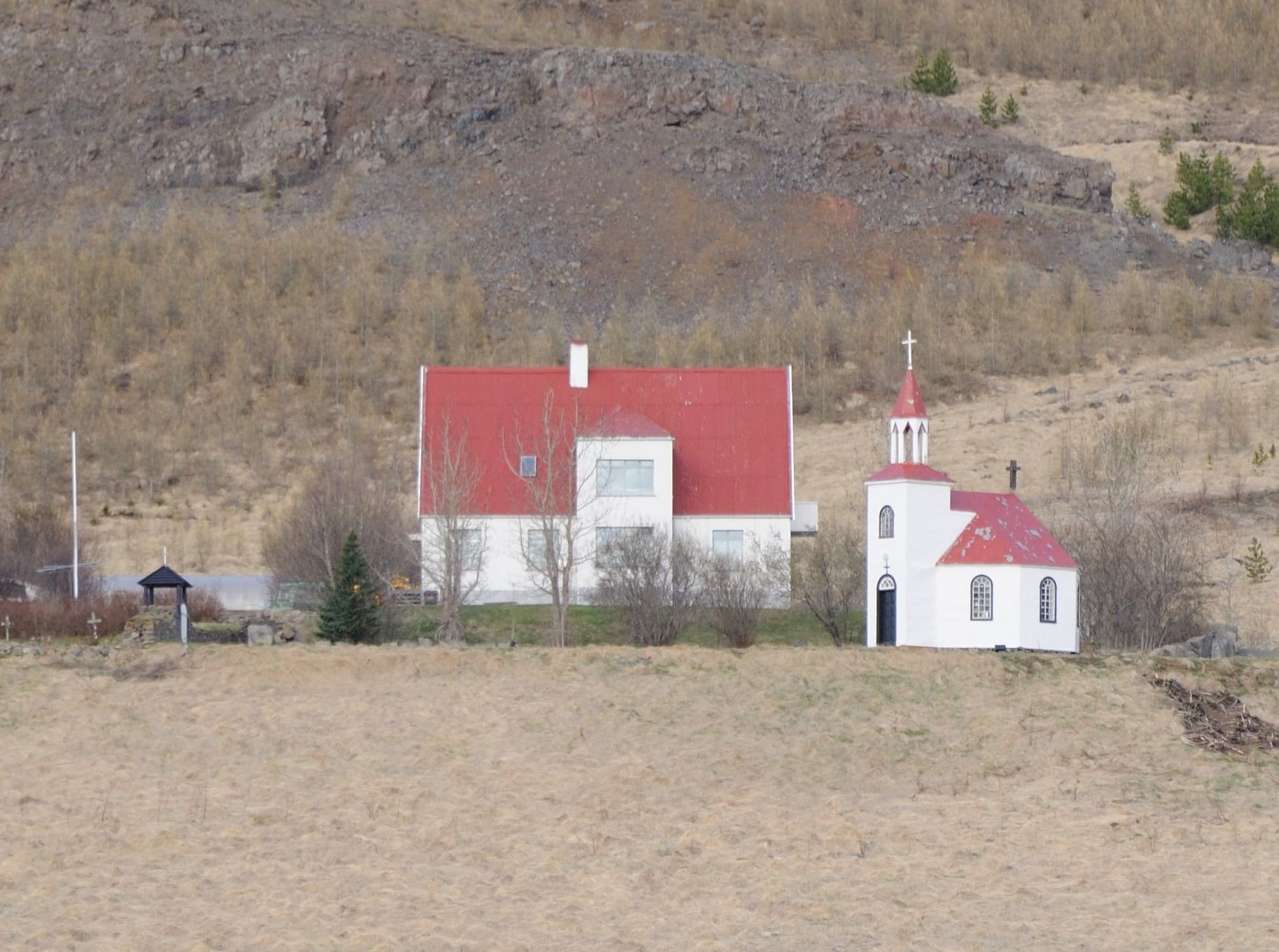
Visitors today find a working farm at the mouth of Norðurárdalur valley, centered on an eight-sided wooden church built in 1896 and consecrated that July. The farm's historic lands once stretched from the Bóluá river to the Kotá river before parts were sold off in the same year.
History
The farm's original turf church, built in 1842, was later dismantled and relocated to the Árbæjarsafn open-air museum in Reykjavík; the present eight-sided church was built in its place and consecrated on 12 July 1896. That same year the surrounding Silfrastaðaafréttur mountain range was sold to the county along with two smallholdings, Hálfdanartunga and Krókárgerði, which were abandoned and never rebuilt. Sturlunga Saga records that Eyjólfur ofsi Þorsteinsson and his men stopped nearby at the Skeljungsskáli cabin on their way to the Flugumýri Arson, suggesting a farm may have stood there at the time.
What Remains Today
No formal condition survey was available for this entry, but the present eight-sided 1896 church still stands and appears to be an active building in the available photographs; the earlier 1842 turf church survives separately, preserved as a museum exhibit rather than on site.
Visiting & Preservation
Access Not Yet Verified
Silfrastaðir is a working farm with an active church building on ordinary agricultural land. Public access to this site has not been independently verified. Do not assume a trail, parking, or landowner permission exists.
Preservation Notice
No archaeological survey record was available for this entry, so no formal archaeological protection status is recorded for Silfrastaðir itself in the dataset used; a nearby folklore stone, Skeljungssteinn, is separately noted as a protected site.
Location
Why Visit
The church's 1842 predecessor is now a preserved exhibit at Árbæjarsafn in Reykjavík, and the surrounding valley carries a genuine Sturlunga Saga connection via the nearby Skeljungsskáli cabin.
Did You Know?
The poet Bólu-Hjálmar is credited with recording the local folk tale about the Skeljungur stone near Silfrastaðir, in which two holes through a large boulder were said to be the marks of a ghost bound to it.
Guided Tours
Explore North Iceland on a Guided Tour
See the wider region with a guided tour — many pass near historic sites like this one.
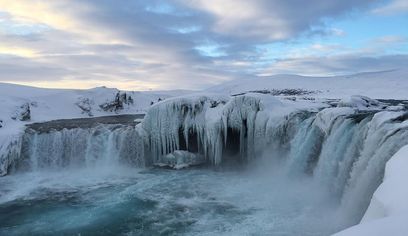 8 hours
4x4 Lake Myvatn and Godafoss Waterfall Day Tour from Akureyri
Imagine Iceland Travel
From
34,800 ISK
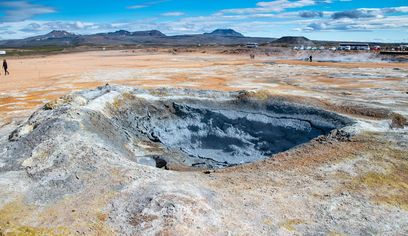 6 hours
Lake Mývatn Shore Excursion from Akureyri Port - German
Iceland Horizon - Saga Travel - GeoIceland
From
23,000 ISK
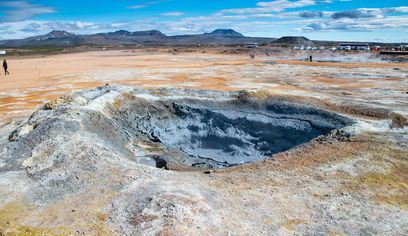 6 hours
Lake Mývatn Shore Excursion from Akureyri Port - Spanish
Iceland Horizon - Saga Travel - GeoIceland
From
23,000 ISK