Abandoned Farm · Westfjords, Iceland
Hesteyri
Hesteyri is a deserted fishing village in the remote Jökulfirðir fjords of the northern Westfjords, abandoned in 1952 after decades as a trading post and later a herring-processing hub.
Photo: NN · Public domain
Overview
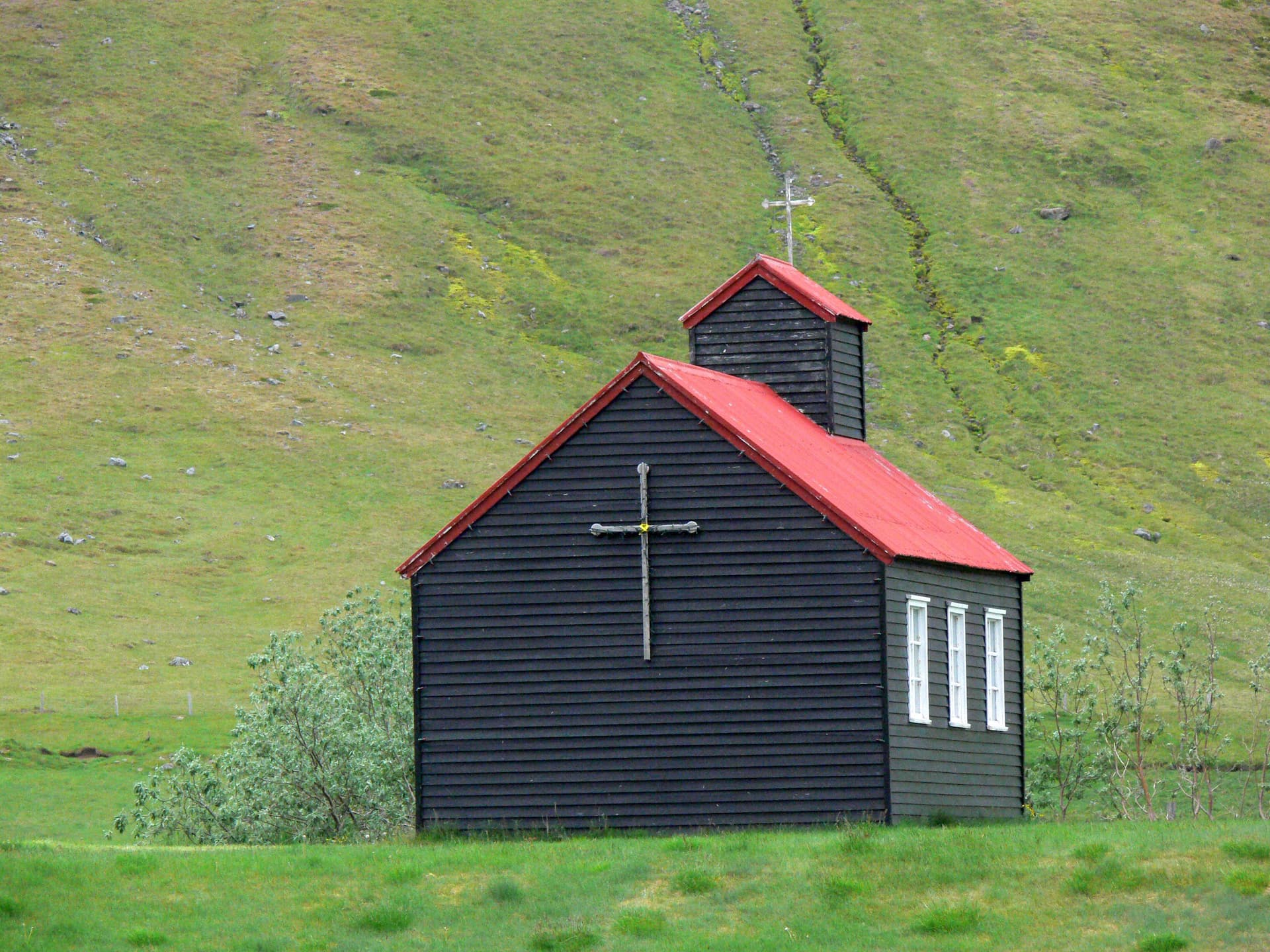
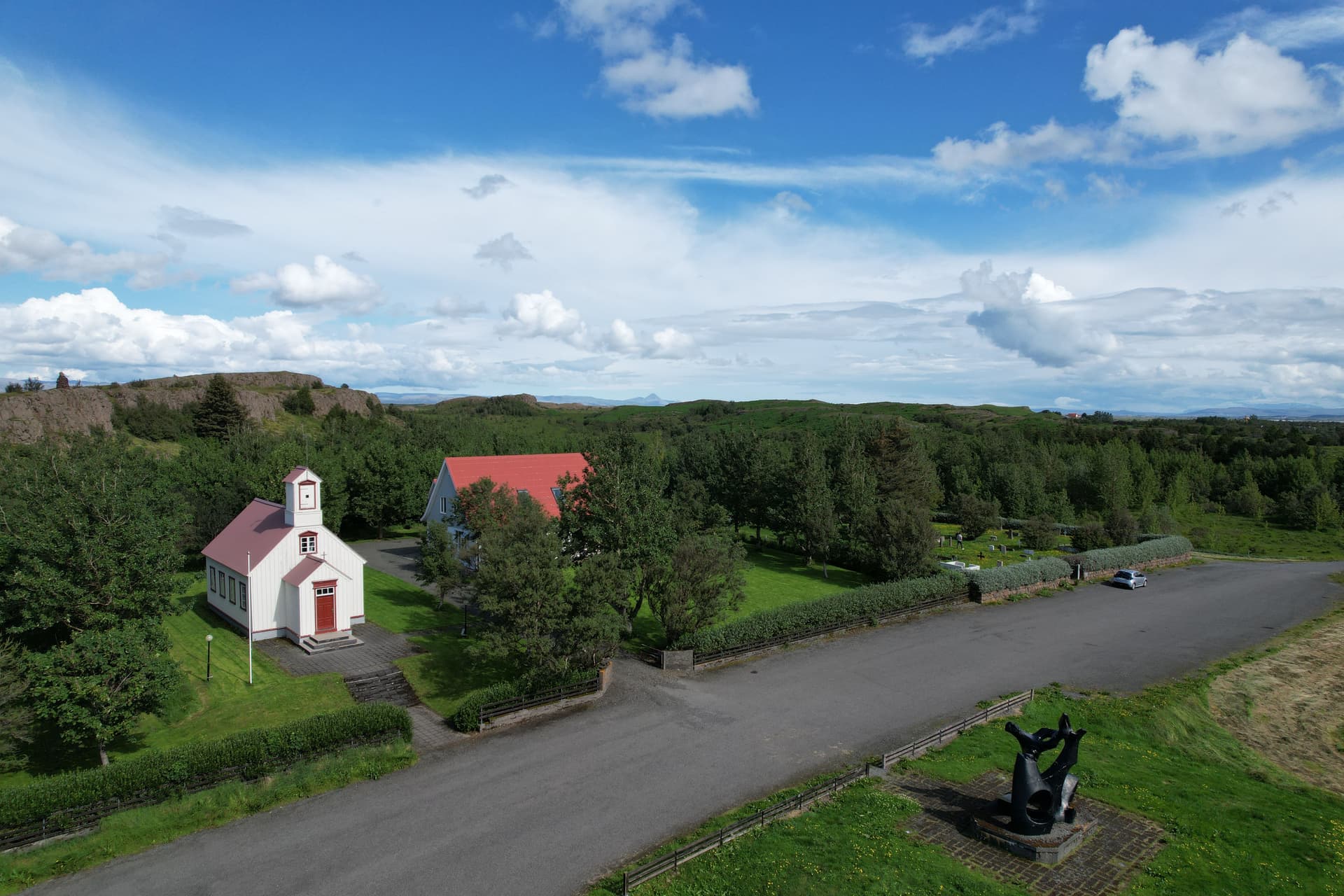
Hesteyri is a fully abandoned village on Hesteyrarfjörður in the remote Jökulfirðir area of the northern Westfjords. Around nine houses survive there today, mostly built in the first half of the 20th century (a few predate 1900), now used only as summer houses rather than any year-round settlement.
History
Hesteyri became a licensed trading post in 1881 and grew into a small administrative center for the surrounding Sléttuhreppur district, with a resident doctor, a radio station from 1922, and a school dating to 1884. Population peaked at just over 80 before the village was abandoned in autumn 1952, the last residents leaving on 1 November that year. About two kilometers inland at Stekkeyri, a whaling station built in 1894 was later converted to herring processing; it operated into the Second World War before closing.
What Remains Today
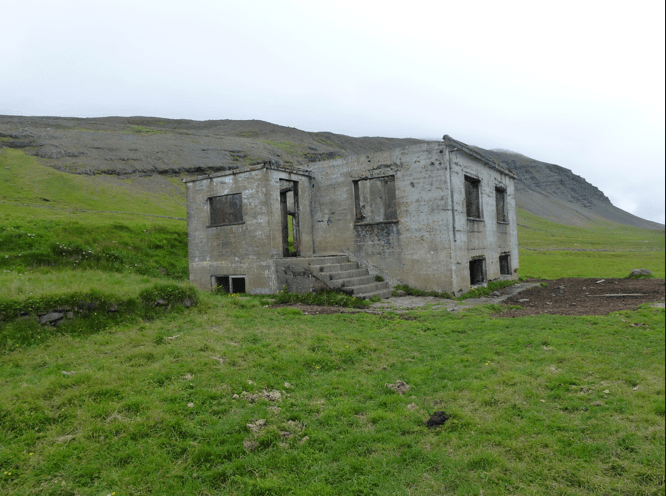
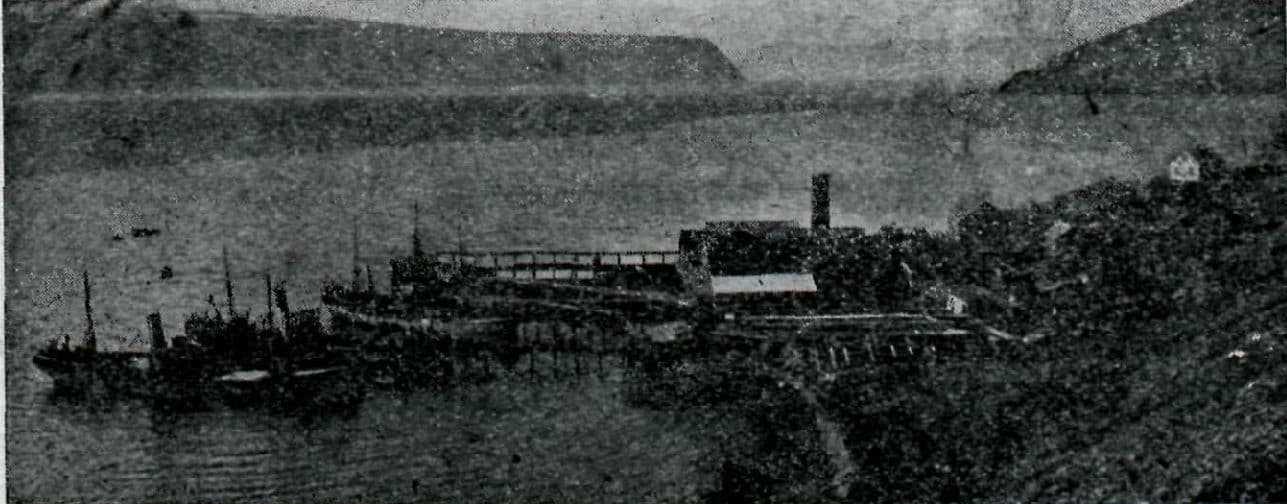
Of the whaling-turned-herring station at Stekkeyri, little survives beyond ruins and a large chimney that still stands, as shown in a surviving 1930 photograph of the working plant. In the village itself, around nine early-20th-century houses remain standing, now used seasonally as summer houses.
Visiting & Preservation
Access Not Yet Verified
Hesteyri lies in a remote, roadless part of the Jökulfirðir fjords, historically reached mainly by boat. Public access to this site has not been independently verified. Do not assume a trail, parking, or landowner permission exists.
Preservation Notice
No formal archaeological protection status is recorded for this site in the dataset used.
Location
Why Visit
Hesteyri's abandoned processing station, with its surviving chimney, is a rare physical trace of Iceland's shift from whaling to herring industry in the early 20th century, documented in a 1930 photograph of the plant at work.
Did You Know?
A river just inside the village, Hesteyrará, was a longstanding obstacle for travelers heading north to remote coves like Hornvík — it wasn't bridged until 2004, more than fifty years after the village itself was abandoned.
Guided Tours
Explore Westfjords on a Guided Tour
See the wider region with a guided tour — many pass near historic sites like this one.
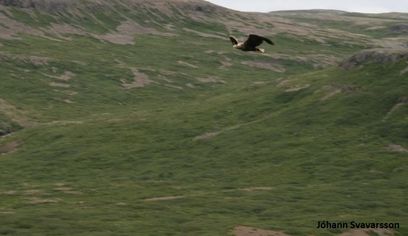 7 hours
BIRD WATCHING - puffins and more
Westfjords Adventures
From
43,800 ISK
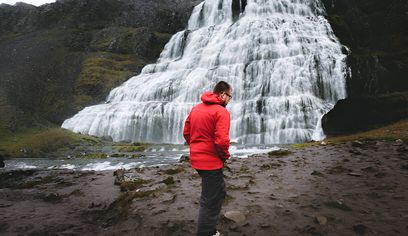 4 hours
Private Dynjandi Waterfall & Historic Westfjords Excursion - from Isafjordur
Nordur Travel Services ehf
From
202,860 ISK
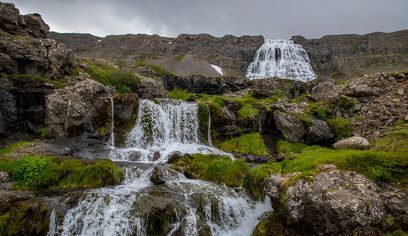 3 hours
Private tour from Isafjordur Port: Dynjandi Waterfall & Westfjords Panorama
Nordur Travel Services ehf
From
220,000 ISK