More Photos
Overview
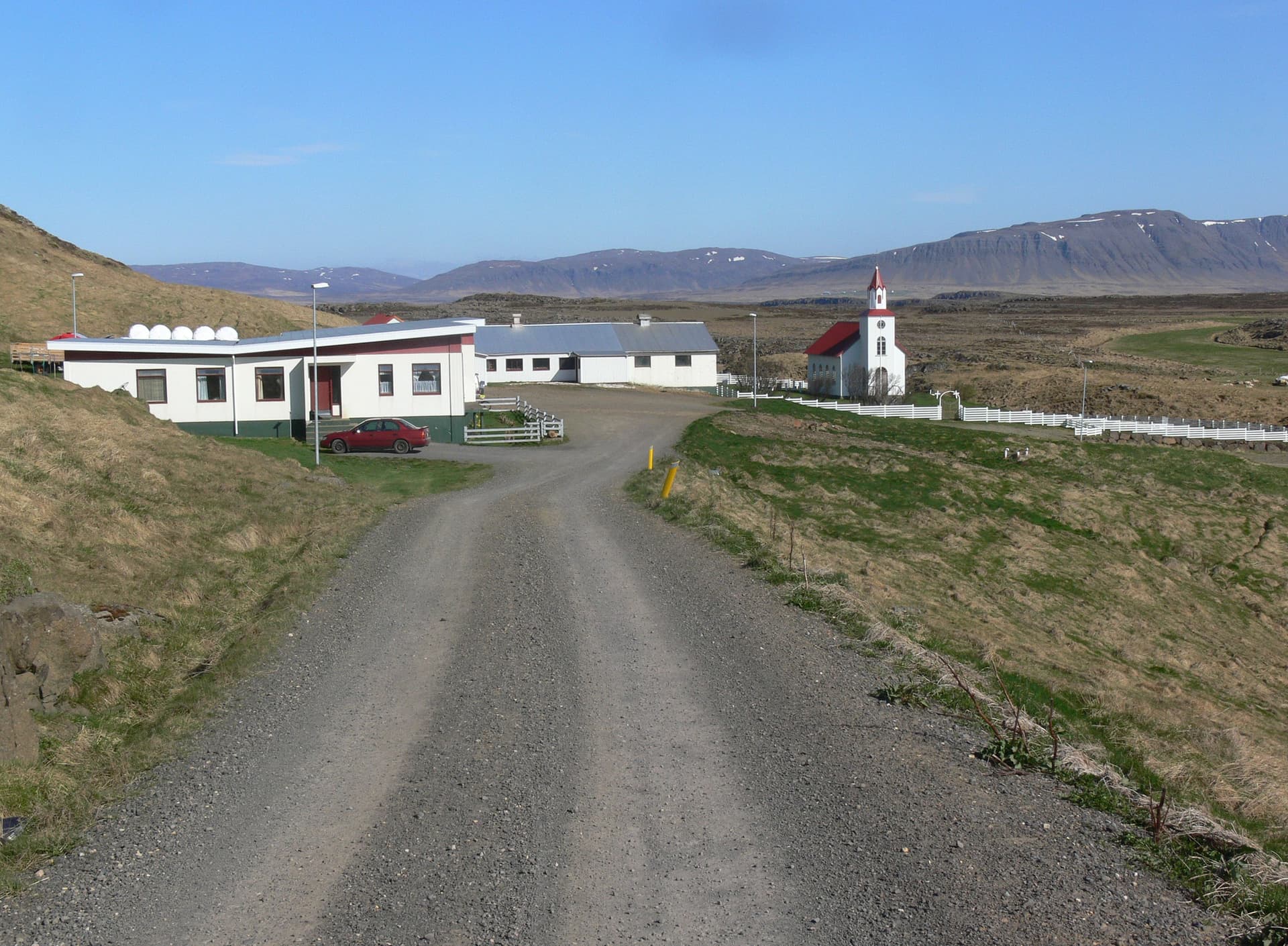
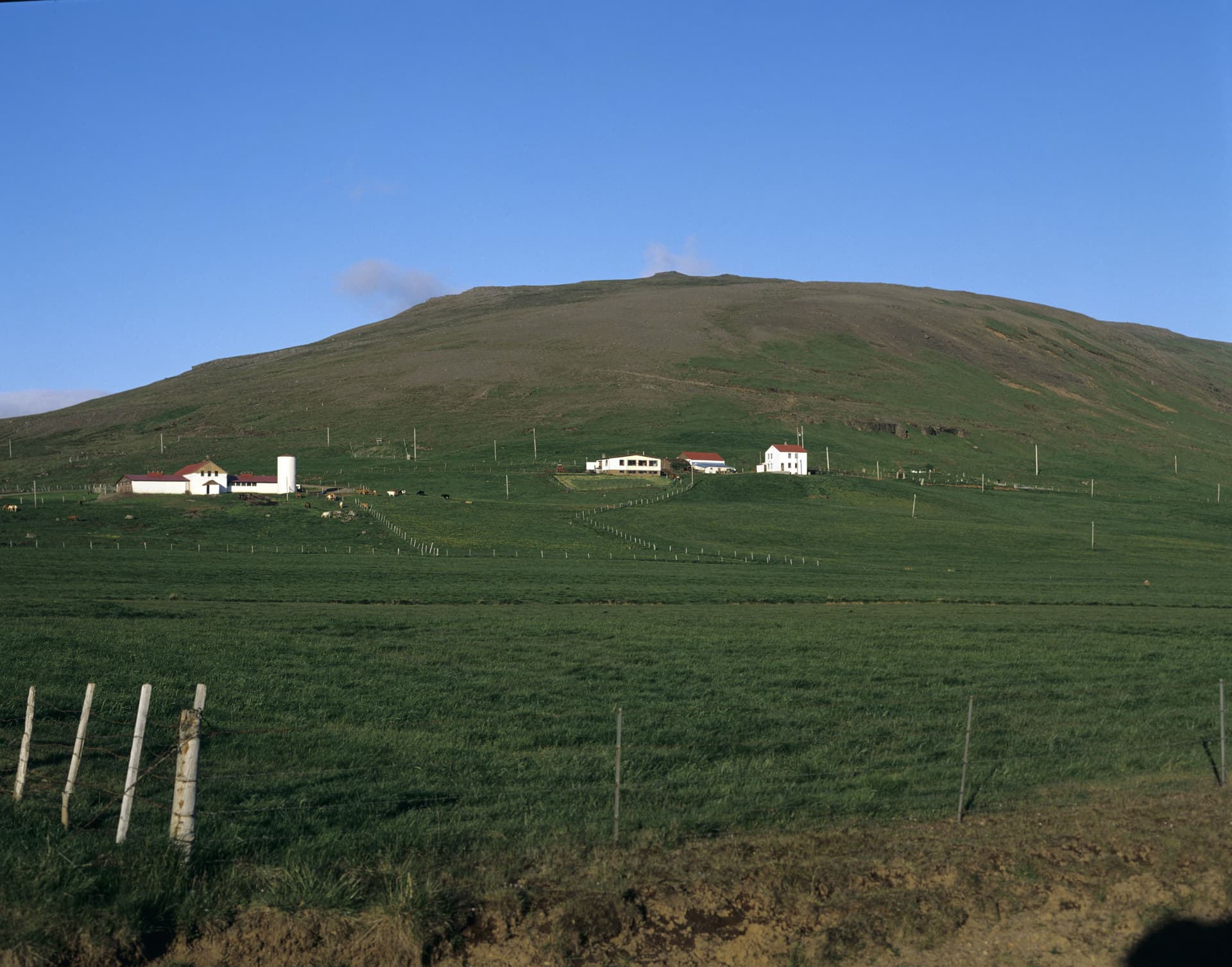
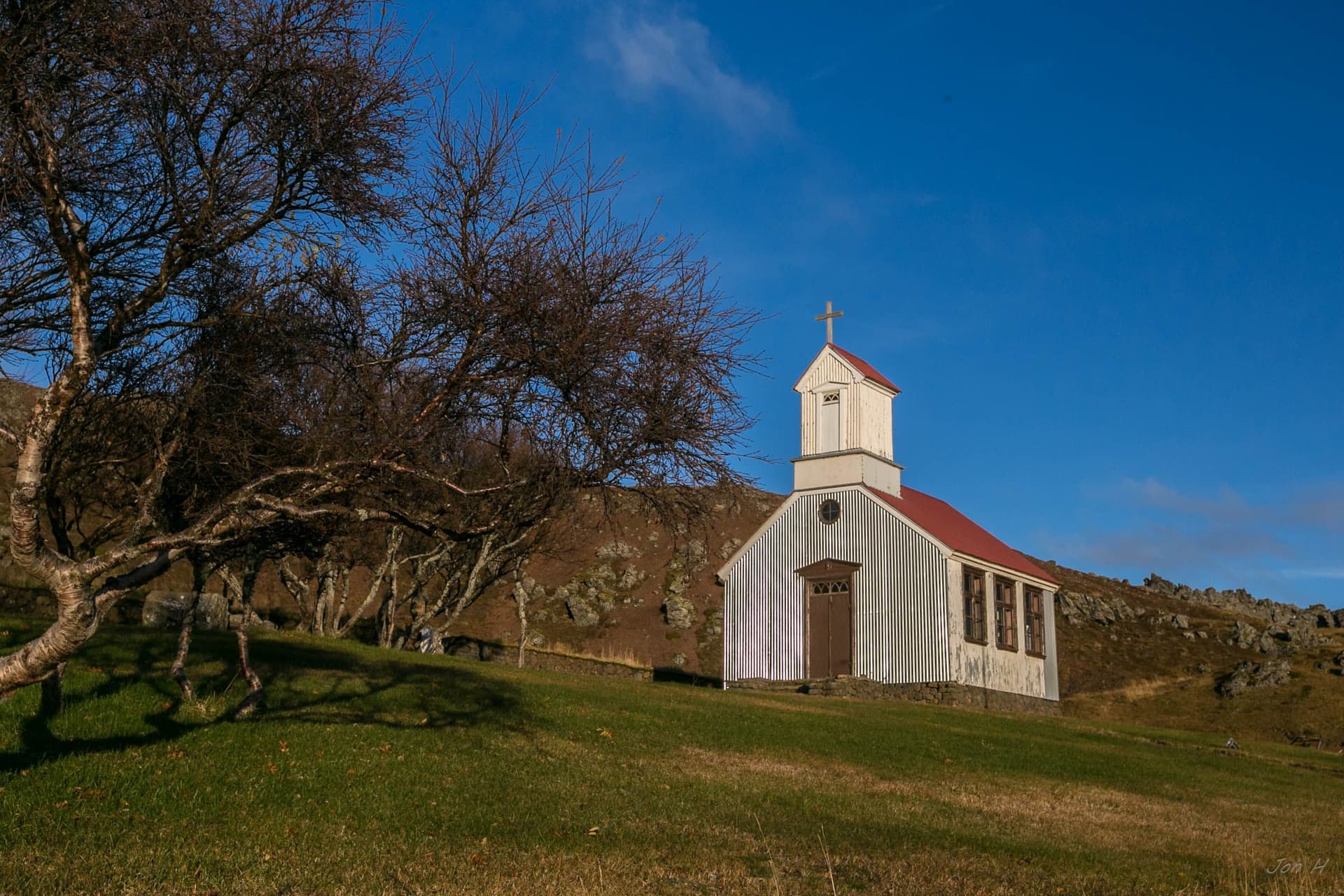
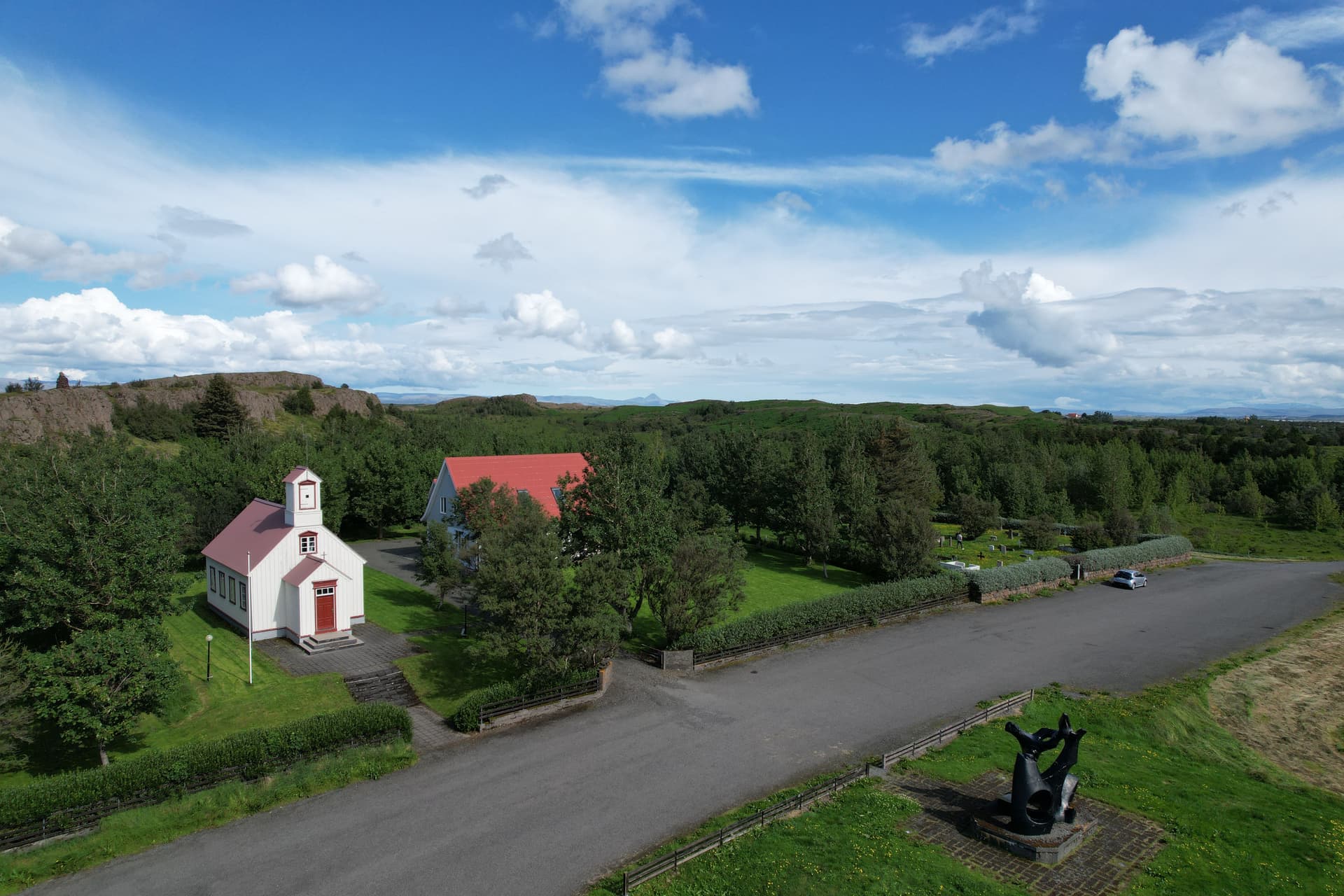
Today Borg á Mýrum is an active parish church and graveyard on the site of what was once one of the most storied farms in Iceland. The settlement-era timber farmhouse no longer stands; the present-day complex consists of Borgarkirkja and its surrounding cemetery, with a modern memorial sculpture nearby.
History
According to Icelandic settlement-era accounts, Skalla-Grímur Kveldúlfsson, one of Iceland's original settlers, claimed the land around Borg and built his farm here. His son, the poet and saga figure Egill Skallagrímsson, later lived and farmed at Borg á Mýrum. When the British antiquary William Gershom Collingwood visited in 1897, he described finding a homestead 'still partly built of oak-beams carved and moulded in the ancient times' — but that building has since been lost.
What Remains Today
No trace of the settlement-era timber farmhouse survives; what visitors see today is the present Borgarkirkja church building and its churchyard, along with a 20th-century abstract sculpture of Egill by the sculptor Ásmundur Sveinsson.
Visiting & Preservation
Access Not Yet Verified
Borgarkirkja is a standing parish church with an adjoining cemetery. Public access to this site has not been independently verified. Do not assume a trail, parking, or landowner permission exists.
Preservation Notice
No formal archaeological protection status is recorded for this site in the dataset used.
Location
Why Visit
The site carries a direct literary connection to Egils saga, and the Ásmundur Sveinsson memorial sculpture depicts Egill grieving for his sons and finding solace in the poem Sonatorrek.
Did You Know?
A British antiquary who visited in 1897 reported that the old farmhouse was still partly built from carved oak beams dating to the medieval period — a building that no longer exists today.
Guided Tours
Explore West Iceland on a Guided Tour
See the wider region with a guided tour — many pass near historic sites like this one.