Ruin · West Iceland, Iceland
Sauðafell
Sauðafell is a protected farm mound in the Dalir region of West Iceland, linked in file records to the 1550 capture of Bishop Jón Arason.
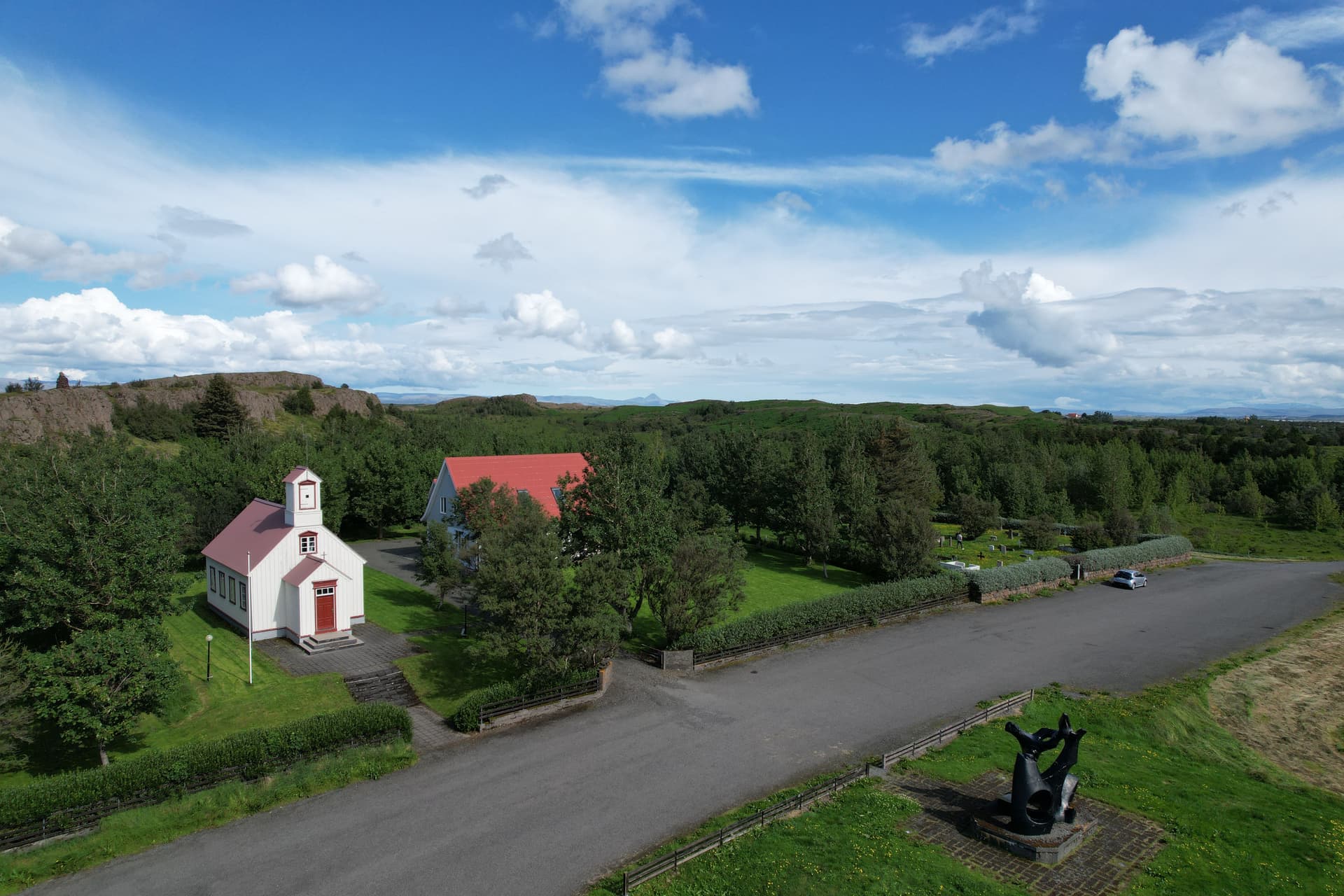
Photo: Christian Bickel fingalo · CC BY-SA 2.0 de
More Photos
Condition
greinanlegar
Protection Status
Friðað — automatically protected
Overview
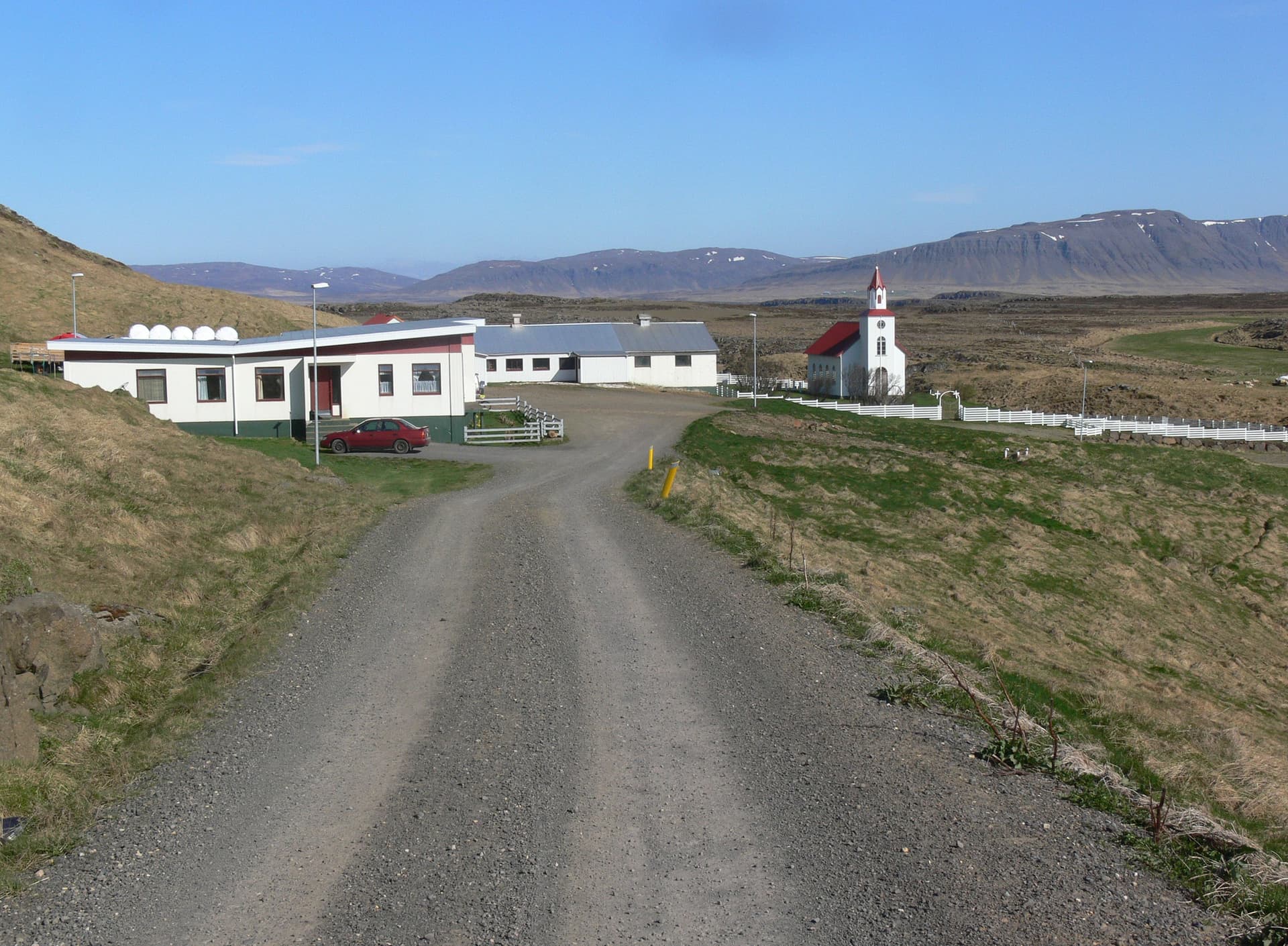
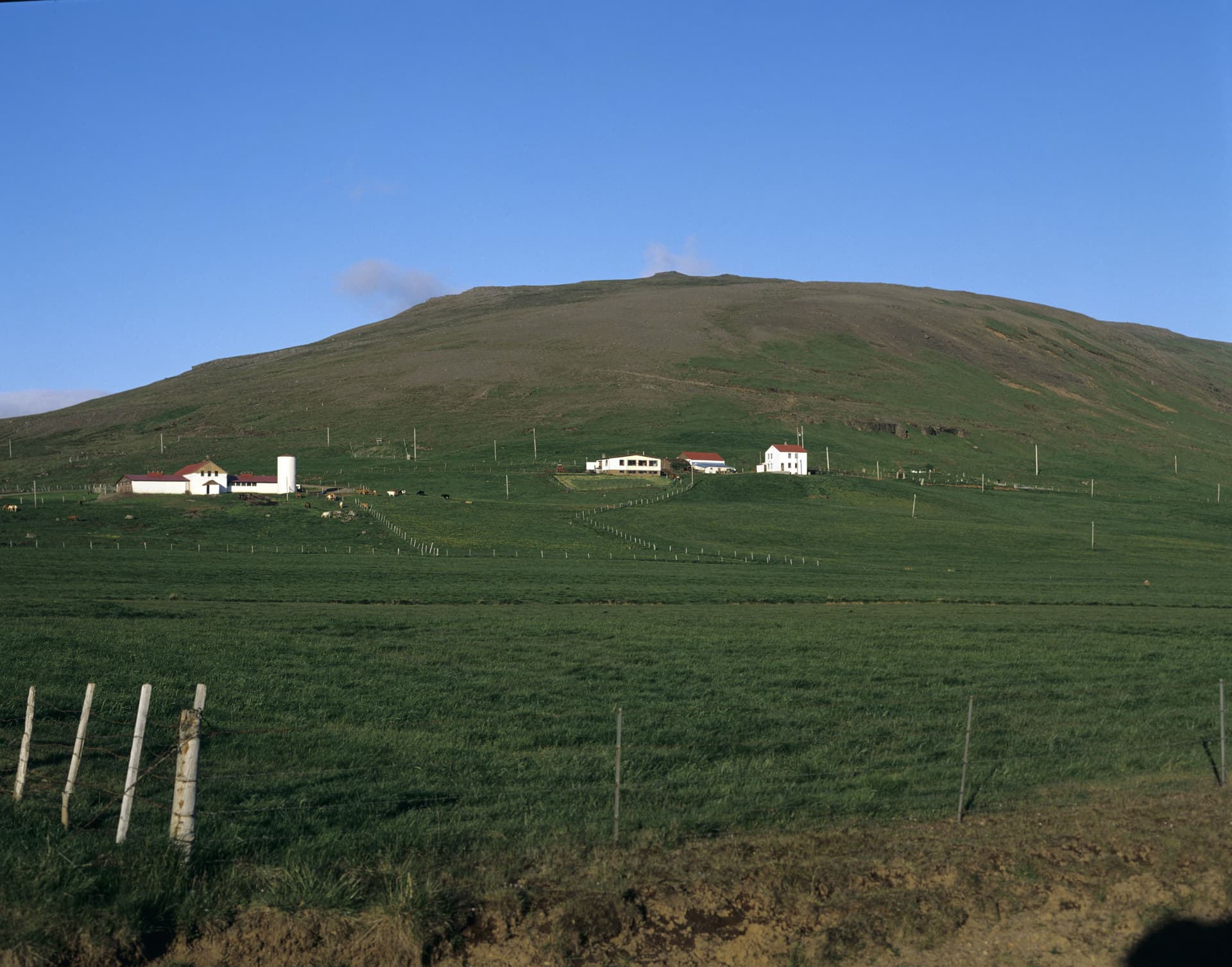
What survives at Sauðafell today is a bæjarhóll — a raised farm mound formed by centuries of successive building on the same spot — registered by Iceland's Cultural Heritage Agency as distinguishable in the landscape, alongside a still-occupied present-day farm and a cemetery nearby.
History
Minjastofnun Íslands (the Cultural Heritage Agency) dates the farm mound at Sauðafell to roughly 1500–1700. Image records for the site describe it as connected to the events of 1550, when the farmer Daði Guðmundsson was involved in the capture of Bishop Jón Arason, the last Catholic bishop of Hólar — a pivotal moment in the Icelandic Reformation.
What Remains Today
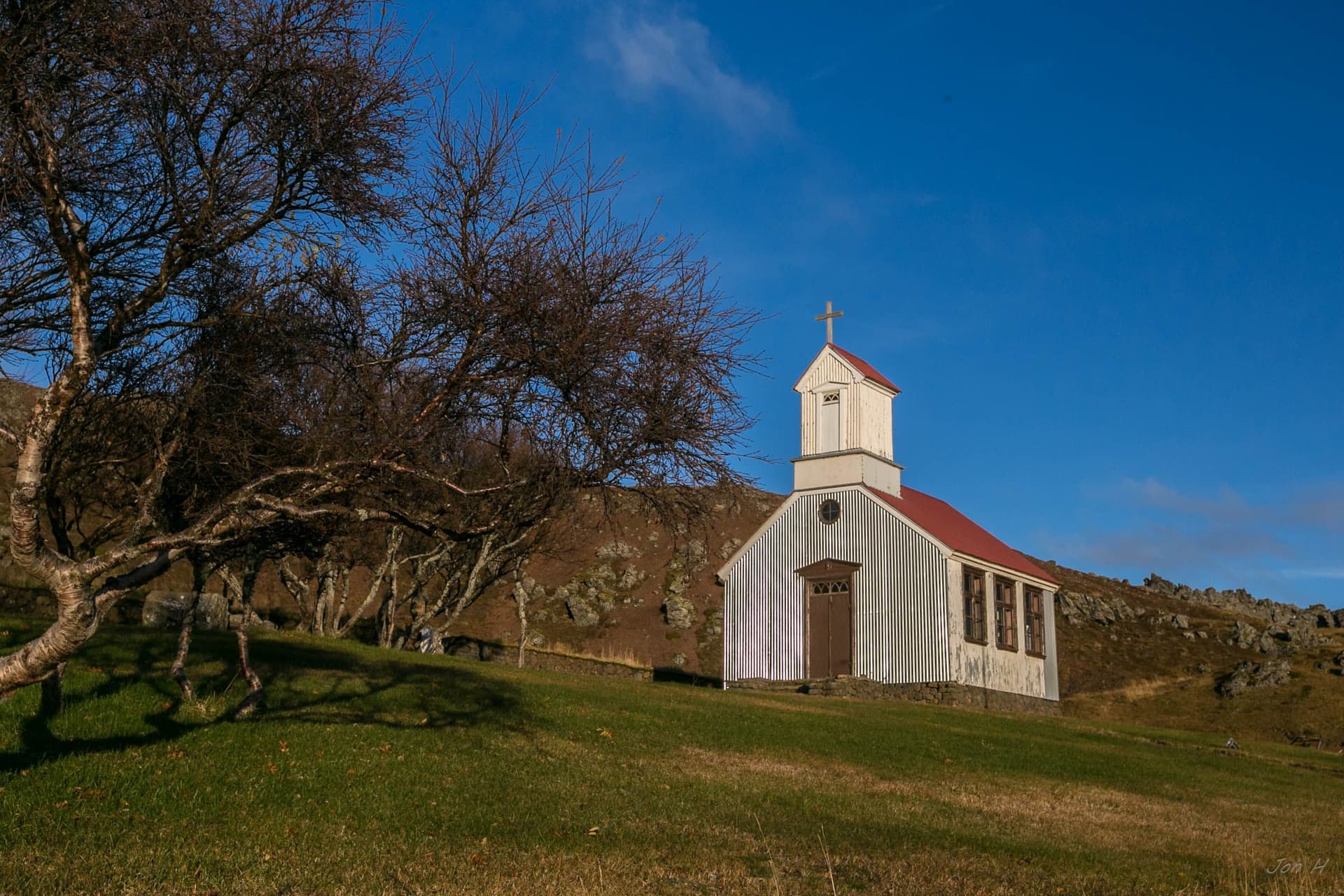
The Cultural Heritage Agency records the farm mound as 'greinanlegar' (distinguishable) in the terrain, dating to approximately 1500–1700; present-day farm buildings and a cemetery, near where the historic church once stood, now occupy the site.
Visiting & Preservation
Access — Private Land
Sauðafell is the site of a present-day working farm. Public access to this site has not been independently verified. Do not assume a trail, parking, or landowner permission exists.
Preservation Notice
This site is automatically protected under Iceland's Cultural Heritage Act, per its registration (Minjastofnun ID 1971-8) as a farm mound (bæjarhóll).
Location
Why Visit
Sauðafell's documented connection to the 1550 capture of Bishop Jón Arason ties it to one of the defining events of the Icelandic Reformation.
Did You Know?
The bæjarhóll (farm mound) at Sauðafell is registered as dating to between 1500 and 1700, meaning today's visible earthwork was likely already forming around the time of the 1550 events involving Jón Arason.
Guided Tours
Explore West Iceland on a Guided Tour
See the wider region with a guided tour — many pass near historic sites like this one.