

MONTHLY GUIDE
Iceland in July
Weather, Midnight Sun & Things to Do
July is Iceland at its brightest and busiest — the longest, most consistently bright daylight of the year, the broadest Highland and F-road access window most years reach, and one of the strongest months for hiking, wildlife and a genuine self-drive Ring Road trip. It's also peak season in every sense: the most in-demand month for accommodation, rental cars and popular tours, so early booking matters more here than almost anywhere else in this guide's coverage.
Iceland in July
July is Iceland at its brightest, busiest and most broadly accessible. Daylight stretches to roughly 19–20 hours, real darkness essentially doesn't return, and — conditions permitting — more of the Highlands opens up than at almost any other point in the year covered so far in this guide. For travellers who want long sightseeing days, wide road access and a genuine self-drive trip with real flexibility, July is one of the strongest single months on the calendar.
July is also, unambiguously, peak season. It's the busiest and most expensive month this guide covers so far — accommodation, rental cars and popular tours all see real demand, and early booking matters here more than in almost any other month. Travellers who plan and book ahead tend to have a much smoother July trip than those who leave things late.
Is July a good time to visit Iceland? For most travellers, yes — particularly those prioritising road trips, hiking, wildlife, waterfalls, camping and, where current conditions allow, the Highlands. The honest trade-offs are real too: this is genuinely Iceland's busiest month, weather remains authentically Icelandic even at its mildest — capable of real wind and rain on any given day — and travellers hoping for the Northern Lights should understand plainly that July's near-constant daylight makes a sighting essentially unrealistic, not just unlikely.
The honest way to think about July is: Iceland at its brightest, most broadly accessible and most in-demand — not a quiet month, and not an Aurora month, but a genuinely strong one for the activities that define an Icelandic summer trip.
Quick Guide to Iceland in July
- Best for
- Road trips, hiking, wildlife, Highlands (where accessible), camping, photography
- Season
- Peak summer, Iceland's busiest month
- Daylight
- Around 19–20 hours, with bright twilight through the short night
- Northern Lights
- Not realistic — skies rarely get dark enough in July
- Weather
- Iceland's mildest average conditions, but still genuinely changeable — wind and rain remain real possibilities
- Highlands
- Typically a strong access window, but never assume access from the calendar alone
- Crowds
- Peak season — book high-demand accommodation, tours and rental cars well ahead
- Driving
- A broadly self-drive-friendly month, full guidance arrives in a later part
- Packing
- Layers for mild days, real wind and rain protection, and warmer layers for the Highlands or evenings
- Trip style
- Self-drive, guided, or a genuine hybrid — July supports all three well
July Quick Facts
Season
Iceland's busiest month
Peak summer
July sits at the heart of Iceland's summer season — long daylight, broad road access and strong demand across accommodation, tours and rental cars all peak here at once.
Daylight
The longest daylight window this guide covers so far
Long and consistently bright
July stays close to June's near-Midnight-Sun conditions — real darkness essentially doesn't return, and even late-night skies stay genuinely bright.
Northern Lights
Skies are too bright, full stop
Not a realistic July activity
July's near-constant daylight means the sky rarely, if ever, gets dark enough for the Northern Lights to be visible — this is not a month to plan an Iceland trip around Aurora sightings.
Highlands
Verify current status, always
A genuinely strong access window
Many Highland F-roads that open for the season have typically done so by July, but this varies by road, year, weather and current conditions — this guide will never claim a specific route is open from the calendar alone.
Best Activities
Best For

Why Visit Iceland in July?
July's clearest strength is a combination of daylight and access. With around 19–20 hours of light and bright twilight filling most of what would otherwise be night, there's real flexibility to fit in a long sightseeing day, a late hike, or an evening photography stop without racing the clock — a genuinely different experience from Iceland's darker months.
Road and Highland access are typically at their strongest in July. Many F-roads that open for the season have usually done so by this point, and lowland routes are about as broadly accessible as they get — though this guide will not claim a specific route is open from the calendar alone; current official road status always controls, not the month.
July is also a strong month for the activities that define a classic Icelandic summer trip: hiking (both day hikes and, conditions permitting, longer Highland routes), wildlife — including puffins and whale watching, both genuinely relevant in July — camping, waterfalls, and geothermal bathing all work well in the month's typical conditions. This guide won't market July as automatically calm, either — actual demand, pricing and availability depend on your exact dates and how far ahead you book, and July consistently sees the strongest demand of any month covered so far.
The trade-offs are real and worth naming directly: July is Iceland's busiest travel month, meaning genuinely high demand on accommodation, rental cars and in-demand tours, often booked out well in advance; weather remains authentically changeable even at its mildest, with wind and rain both realistic on any given day; and the Northern Lights are not a realistic July goal — the sky is essentially too bright, full stop, not just less likely than in darker months.
Weather in Iceland in July
July weather is Iceland's mildest on average alongside August, but this guide will not promise stable summer weather — Iceland's maritime climate means real wind and rain remain possible on any given July day. Expect a realistic mix of mild, pleasant stretches and genuinely changeable, windier or wetter days, rather than one dominant pattern for the whole month.
Layering still matters in July, even at the year's mildest — a warm mid-layer and a genuinely wind- and rain-resistant outer layer cover most conditions you'll actually encounter, without needing deep-winter specialist gear. Regional and elevation differences are real: the Highlands and higher ground run genuinely cooler and windier than the lowlands and coast, worth factoring into any hiking or Highland-route planning.
Reykjavík right now
Average Temperatures
Typical July daytime temperatures — historical/climatological averages, not a forecast, and always worth checking a current forecast alongside. Actual experienced comfort depends heavily on wind, wetness, elevation and the specific weather system on your dates, far more than on the average alone:
| Region | Average Day | Average Night |
|---|---|---|
| Reykjavík / Southwest | 13–16°C | 9–12°C |
| South Coast | 12–15°C | 8–11°C |
| North Iceland | 12–16°C | 7–11°C |
| East Iceland | 11–15°C | 7–10°C |
| Highlands / elevation | 5–11°C | Often near or below 5°C |
Wind makes the real feel noticeably cooler than the air temperature alone, especially on exposed coastlines, cliffs, glacier edges and higher ground — pack for the wind, not just the thermometer, even in Iceland's mildest months.
Is There Snow in Iceland in July?
Snow is not a realistic lowland expectation in July — this is one of Iceland's two warmest months, and snow cover at low elevation has generally been gone for weeks by this point in the summer.
At elevation, in the Highlands and on glaciers, snow and ice remain a genuine, permanent feature regardless of the month — this guide will not suggest July lowland warmth extends to Highland or glacier conditions.
Wind
Wind is one of Iceland's most serious travel factors year-round, and July is no exception — it is simply less consistently present than in the darker months, not absent.
- Exposed hikes, cliffs, coastal viewpoints and Highland routes deserve real caution in high wind, regardless of the calendar month.
- Hold vehicle doors firmly in open, exposed car parks — a strong gust can catch you off guard even on an otherwise mild July day.
- Camping and campervan travellers should factor wind into route and campsite choices seriously — July is peak camping season, and exposed sites can still see genuinely strong gusts.
- Boat tours (whale watching, puffin-viewing boats where relevant) can be affected or cancelled by wind and sea conditions — a real, if less frequent, July possibility.
- Drone flights become unsafe or illegal to attempt in strong wind, aside from any local flight restrictions.
Official weather warnings always override a planned itinerary — a route or activity is never worth continuing once a genuine warning is in effect, regardless of how mild July generally is.
Sun, Cloud & Rain
July brings a real mix of sun, cloud and rain depending on the week, region and specific weather system — pack for genuine variability rather than assuming a run of clear summer days. A calm, warm, sunny July day exists and is genuinely common, but it is not the guaranteed default.
A wind- and rain-resistant outer layer and comfortable, broken-in footwear with real grip matter for comfort on any outdoor day, from a South Coast waterfall visit to a Highland hike. Rain and wind both affect driving, hiking and photography planning, so build genuine flexibility into any July day rather than a fixed hour-by-hour schedule.
What to pack:
Don't plan around a single exact rainfall or temperature figure — check a current short-range forecast for your actual dates instead, especially before any Highland or hiking day.
Fast Weather Changes
Weather systems can still develop and change through the day in July, though generally with less severity and less frequency than in the darker months — a calm morning is a genuinely good sign, but it is still not an absolute guarantee for the afternoon, especially on exposed coasts or in the Highlands.
Plan around this variability:
- Check road.is and vedur.is before any significant drive, Highland route or hike
- Build a realistic buffer into any multi-day itinerary, especially one that includes Highland routes
- Never treat a booked tour, flight or hotel as a reason to continue into an active weather warning
Current official warnings always take priority over any itinerary, booking or affiliate recommendation in this guide.
Regional Differences
Reykjavík & Southwest
- Generally the mildest, most sheltered region, and a fully practical base through the month
- The most consistently comfortable region for casual sightseeing on a typical July day
South Coast
- Slightly cooler and windier than the capital region, with real spray and wind exposure at coastal waterfalls and beaches
- Waterfalls remain a strong, reliable highlight throughout the month
Southeast
- Jökulsárlón and Skaftafell remain genuinely accessible and rewarding, with glacier-adjacent conditions cooler than the surrounding lowlands
- A long drive from Reykjavík — July's daylight makes this comfortably manageable
North Iceland
- A genuinely comparable summer climate to the south, sometimes drier on the same date due to being in the rain shadow of interior mountains
- Wildlife (including whale watching from Húsavík) remains a strong, currently-relevant July draw
Highlands / elevation
- Typically one of the strongest access windows of the year for many Highland routes — but access is always a current-conditions question, never a calendar one
- Genuinely cooler, windier and less predictable than the lowlands regardless of season — pack accordingly
For current conditions and warnings, always check Veðurstofa Íslands (the Icelandic Meteorological Office) directly rather than relying on general seasonal guidance — especially before any Highland route or exposed hike.
What Does July Weather Mean for Your Trip?
- Among the mildest average temperatures of the year
- Typically a strong, broad Highland-access window, conditions permitting
- The longest daylight of any month this guide covers so far, giving real flexibility to wait out a passing shower or wind gust
- A dependable base of waterfalls, hiking and wildlife that doesn't depend on any single weather outcome
Travellers who pack for genuine variability, stay flexible, and check current conditions before any Highland route or hike tend to have excellent July trips.

Daylight in Iceland in July
July sits close to the summer solstice's near-Midnight-Sun conditions — this is the longest, most consistently bright daylight window this guide covers so far. Real darkness essentially doesn't return: even in the small hours, the sky stays in a bright, extended twilight rather than going properly dark.
Daylight does shorten gradually through July — early July is closer to June's true Midnight Sun character than late July is — but the change within the month is far less dramatic than it becomes later in the summer. Always check real sunrise/sunset times for your actual travel dates rather than assuming a fixed figure for the whole month.
Sunrise
Roughly 03:00–03:30 early in the month, gradually later — around 04:15 by the end of July
Sunset
Roughly 23:45–00:00 early in the month, gradually earlier — around 23:00 by the end of July
Hours of light
Around 20 hours early in the month, easing to around 19 hours by late July
| Date | Sunrise | Sunset | Daylight |
|---|---|---|---|
| Early July | ~03:05 | ~23:55 | ~20h50m |
| Mid-July | ~03:40 | ~23:30 | ~19h50m |
| Late July | ~04:15 | ~23:00 | ~18h45m |
Sunrise and sunset times vary by region — Reykjavík, the South Coast and North Iceland don't share an identical clock — but the month-long pattern of very long, bright days applies nationwide.
Can You See the Midnight Sun in July?
Iceland's true Midnight Sun — the sun genuinely staying above or very near the horizon through the night — belongs most precisely to the weeks immediately around the June solstice, but July, especially its first half, still sits close enough to that peak to feel very similar in practice. Real darkness essentially doesn't arrive: instead of night, you get an extended, genuinely bright twilight that many visitors describe as feeling like Midnight Sun even once the sun has technically dipped just below the horizon.
This changes gradually as July goes on. Early July is the closer of the two to true Midnight Sun conditions; by late July, the sky still stays bright through the night, but the shift toward a more conventional (if still very short and light) night has quietly begun. Neither half of the month brings anything close to real darkness — that doesn't return in a practical sense until well into August.
For travellers, the practical effect is the same all month: no clock-based reason to stop sightseeing, photographing or driving because 'it's getting dark,' and a genuinely different rhythm to the day than almost anywhere else most travellers have experienced. It also means hotel rooms can stay surprisingly bright at night — pack an eye mask if that's likely to bother you.
Can You See the Northern Lights in July?
No — not realistically. July's near-constant daylight and bright night twilight mean the sky essentially never gets dark enough for the Northern Lights to be visible, regardless of actual solar or geomagnetic activity. This isn't a low-odds month for Aurora sightings; it's a month where the basic physical condition — real darkness — generally isn't met at all.
If the Northern Lights are a priority for your trip, this guide will not suggest planning around July for them. Iceland's Aurora season genuinely begins later, once real darkness returns — a transition this guide covers in the months where it's actually relevant.
Planning Around Long Daylight
Morning
- Real daylight arrives well before any normal travel-day start time throughout July — an early Highland departure or hike start is genuinely comfortable
- Even the earliest hours of the day are usable for sightseeing or driving, not just technically 'light'
Afternoon
- Long daylight for the entire month means a full, unhurried sightseeing day is realistic without the daylight pressure darker months require
- Afternoon remains the most reliable window for exposed or higher-elevation stops
Evening
- July evenings stay genuinely bright well past a normal dinner hour, supporting a relaxed, late-evening sightseeing or photography session
- Bright twilight extends usable light deep into what would be night in other months — a real, distinctive July advantage
July itineraries can reasonably assume a genuinely long sightseeing day for the whole month — but long daylight is not an excuse to overload a single day; fatigue is still real even when the sky stays bright.
Photography and July Light
- An exceptionally long, soft golden-hour period both morning and evening
- Genuinely late blue-hour and twilight color stretching deep into the night
- A distinctive, near-Midnight-Sun quality of light that's difficult to replicate outside a narrow window around the summer solstice
Photography plans should adapt to the actual daylight window for your travel dates — full Photography guidance arrives in a later part of this guide.
Daylight Tips
- Check real sunrise/sunset for your exact dates before building an itinerary
- Take advantage of July's long daylight for a genuinely broad, flexible sightseeing day — but still plan real rest, not just more hours in the car
- Bring an eye mask or blackout option if you're sensitive to bright nights — hotel curtains don't always block a July night sky completely
- Don't assume the Northern Lights are part of a July trip — see below

The Highlands — one of July's broadest access windows of the year, conditions permitting
July Highlights
A first look at what makes July worth visiting — full sections on each of these arrive in later parts of this guide.

Long, Bright Days
Around 19–20 hours of daylight and bright night twilight give real flexibility to fit in a long sightseeing day without racing the clock.

The Highlands
Typically one of the strongest Highland/F-road access windows of the year — always verify current status before planning around a specific route.

Hiking
Day hikes and, conditions permitting, longer Highland routes are realistically accessible with July's long daylight.

Puffins
July overlaps with puffin season at many coastal colonies — timing and exact locations still vary, and no sighting is ever guaranteed.

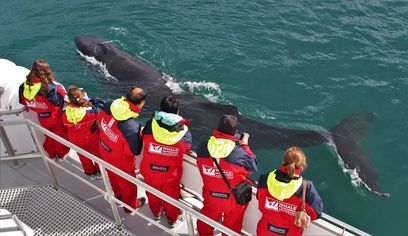
Whale Watching
Reykjavík and Húsavík both run regular July departures, with generally favourable sea conditions — no sighting is ever guaranteed.

Waterfalls
Seljalandsfoss, Skógafoss and Gullfoss are all fully accessible in July, with reliable flow and easy path access at most stops.

Camping
July is a strong month for legal, well-planned camping — pack for real wind and changeable conditions even at the year's mildest.
Geothermal Bathing
From the Blue Lagoon to countless local pools, geothermal bathing works well after a long July sightseeing day.
The South Coast in July
The South Coast is one of Iceland's most reliable and rewarding July drives — genuinely long daylight, fully accessible waterfalls, and a real chance to continue further east toward Skaftafell and Jökulsárlón if your trip has the days for it.
This guide treats the South Coast and the Southeast (Skaftafell/Jökulsárlón) as related but genuinely distinct planning problems, not one flat route — how far you go and whether you overnight along the way should follow your actual trip length, not an assumption that everything fits into a single day.
Even with July's exceptional daylight, this guide does not construct Reykjavík → Seljalandsfoss → Skógafoss → Reynisfjara → Jökulsárlón → Reykjavík as a single sensible day. The distance is genuinely substantial, and popular stops are at their busiest of the year in July — a rushed itinerary undercuts the experience at every one of them.
A South Coast day (Reykjavík to Vík and back, or a South Coast-to-Vík one-way with an overnight) and a Southeast extension (continuing to Skaftafell/Jökulsárlón) are better treated as two separate planning decisions.
Waterfalls
Seljalandsfoss and Skógafoss anchor the classic South Coast route, both fully accessible and reliably impressive in July.

Seljalandsfoss
A tall, graceful waterfall with a path that goes behind the falls where currently open — expect genuine spray, so waterproof footwear and a dry bag for electronics matter.
One of the busiest stops on the route in July — arriving earlier or later in the day helps avoid the middle-of-the-day crowd.
Skógafoss
A wide, powerful waterfall with a staircase to a viewing platform above — the climb rewards you with a genuinely different perspective on the falls and the coastline beyond.
July sees the heaviest visitor numbers of the year here — expect real crowds at peak hours.
- Wet rock and spray zones are genuinely slippery — footwear with real grip matters at both falls
- Do not climb onto rock ledges or barriers for a better photo angle
- Keep a real distance from the base of Skógafoss in strong wind, when spray carries further
A realistic South Coast day from Reykjavík:
This is a full day even with July's exceptional daylight — build in real time at each stop rather than treating the drive itself as the only variable, and expect July's peak crowds to add real time at every popular stop.
Dyrhólaey
Dyrhólaey is a dramatic coastal promontory with sweeping views back along the South Coast — a real highlight in its own right, independent of any wildlife interest.
Access to specific viewing areas can vary by current restriction, especially during the nesting season, which overlaps directly with July — check current status on arrival rather than assuming full access.
Dyrhólaey is a known puffin nesting area, and July is genuinely one of the more reliable months to find puffins present here — but access to specific viewing areas can still be restricted during nesting season, and no sighting is ever guaranteed. See the Wildlife section below for the fuller picture.
Reynisfjara — A Genuinely Dangerous Beach
Reynisfjara's black sand beach and basalt columns are one of the South Coast's most photographed stops — and one of its most genuinely dangerous, in July exactly as in any other month.
- Never approach the waterline, even when the ocean looks calm
- Never turn your back on the ocean
- Never climb on the basalt columns or cross posted barriers for a photo
Sneaker waves at Reynisfjara have caused real injuries and deaths — this warning is not softened for any month, and a calm-looking July sea is no exception.
Stay in Vík
Vík is the South Coast's natural service point and overnight base — fuel, food, accommodation and onward route planning all converge here, and it's the natural place to break a longer South Coast or Southeast-bound route.
Staying in Vík rather than driving back to Reykjavík the same day genuinely opens up the Southeast (Skaftafell, Jökulsárlón) as a realistic extension the next day. Book ahead — July accommodation in Vík is in genuinely high demand.
- Breaks a long route into two comfortable days
- Positions you to continue east the next morning without a long drive first
- A practical base for Reynisfjara and Dyrhólaey without rushing
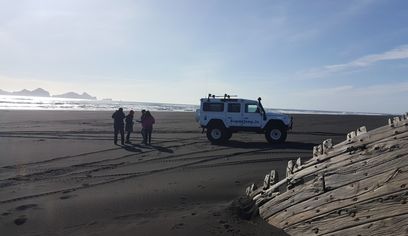 8 hours
DT 322 Private Superjeep South Coast & Eyjafjallajökull Volcano Sights
Superjeep
From
264,500 ISK
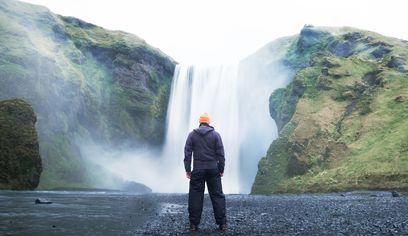 10 hours
South Coast Waterfalls, Glacier & Black Sand Beach Tour
BusTravel Iceland
From
15,990 ISK
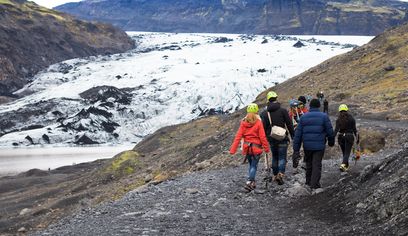 12 hours
South Coast & Glacier Hike Minibus Tour
Troll Expeditions
From
22,521 ISK
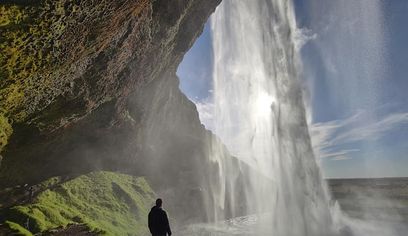 11 hours
South Coast Waterfalls, Black Beach and Glacier Adventure | Small Group Day Tour
Nicetravel
From
17,900 ISK
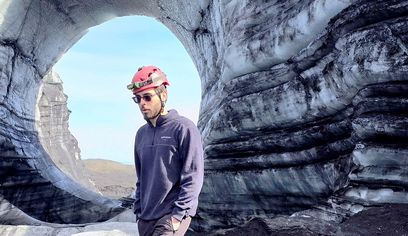 11 hours
Private Ice Cave Katla, South Coast Waterfalls & Black Sand Beach
Glaciers and Waterfalls
From
285,000 ISK
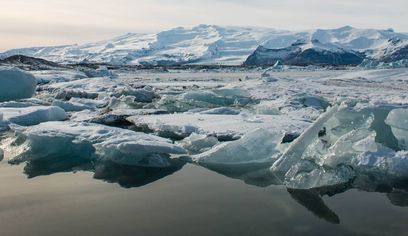 14 hours
Private South Coast and Glacier Lagoon Day Tour
David The Guide
From
279,900 ISK
Continuing to the Southeast
If your trip has the days for it, continuing east from Vík opens up Skaftafell and Jökulsárlón as a genuine extension rather than a rushed add-on.
Fjaðrárgljúfur canyon sits directly on this route and is a worthwhile short stop if current access allows — check for any active path restrictions before planning around it.
This is a substantial drive in its own right — treat it as its own day, not something to fit in after an already-full South Coast day.
Jökulsárlón Glacier Lagoon
Jökulsárlón is a glacier lagoon where icebergs calve from Breiðamerkurjökull and drift toward the sea — genuinely one of Iceland's most striking sights, and fully accessible in July.
This guide will not promise a specific quantity or arrangement of ice on your visit — both vary by season, weather and time of year, and July's warmer conditions can mean a different iceberg picture than a winter visit.
Diamond Beach
Diamond Beach, directly across the road from the lagoon, is where stranded ice washes up on black sand — a striking contrast, though the amount of visible ice varies and is never guaranteed.
Waves here can be as unpredictable as at Reynisfjara — keep a real distance from the waterline regardless of how calm it looks.
Boat tours on the lagoon (zodiac or amphibian-boat) are a genuinely seasonal product — July sits well within their typical operating window, but this guide will not promise a specific tour is running on your exact date; confirm current status directly.
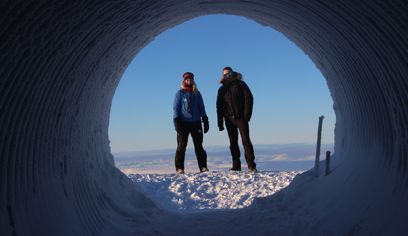 8 hours
DT 306 Private Superjeep Borgafjörður & Into The Glacier
Superjeep
From
269,400 ISK
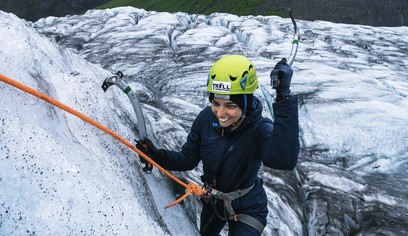 4 hours
Skaftafell Ice Climbing & Glacier Hike
Troll Expeditions
From
31,894 ISK
 8 hours
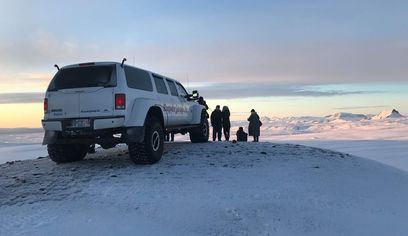
DT 406 Private Monster Truck Borgafjörður & Into The Glacier
Superjeep
From
416,100 ISK
 4 hours 30 minutes
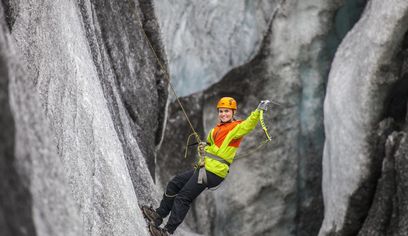
Skaftafell Glacier Hike and Ice Climbing
Icelandic Mountain Guides by Icelandia
From
32,999 ISK
Day Trip
A South Coast day trip (Reykjavík to Vík and back) is genuinely realistic in July given the exceptional daylight.
Overnight in Vík / Southeast
An overnight in Vík (or continuing to the Southeast) opens up a materially more relaxed pace and a realistic Southeast extension.
Build the South Coast into your July route as a single day, or as a two-day extension toward the Southeast if your trip has the time.
Vík — the South Coast's natural overnight base for a longer July route
Golden Circle in July
The Golden Circle is one of Iceland's most practical July routes — a compact loop close to Reykjavík, fully paved, and genuinely rewarding for a first visit or a shorter trip. July's exceptional daylight means the full loop plus a geothermal stop comfortably fits into a single relaxed day, even a late-starting one.
This guide won't claim the route is unconditionally open regardless of conditions — weather and road status can still affect any Icelandic route, even one this close to the capital — but the Golden Circle is realistically one of the lowest-risk self-drive days in the country year-round, July included.
Þingvellir National Park
Rift valley, history and easy walking trails
Þingvellir sits in the rift valley between the North American and Eurasian tectonic plates and was the site of Iceland's original parliament, founded in 930 — a genuinely significant historical and geological stop in one place.
Walking trails here are well-maintained and suit most fitness levels, making it a comfortable first stop on the loop.
About 45 minutes from Reykjavík via Route 36

Geysir Geothermal Area
Strokkur's reliable eruptions
The Geysir area gives its name to geysers worldwide, though the original Geysir itself erupts rarely today — Strokkur, close by, erupts every few minutes and is the reliable draw for most visitors.
This guide won't promise an exact eruption time — Strokkur's timing varies — but the frequency makes a sighting genuinely likely within a short wait.
About 1 hour 45 minutes from Reykjavík
Gullfoss
A dramatic two-tiered waterfall
Gullfoss drops in two stages into a rugged canyon, with multiple viewing platforms giving genuinely different perspectives on the falls.
This guide won't invent specific water-flow figures — actual volume varies through the year — but July's flow is reliably substantial and visually dramatic regardless of the exact number.
About 10 minutes from Geysir
Golden Circle — Practical Facts
- Suggested time
- A full day, or a genuinely relaxed half-day if you skip the geothermal stop
- Best starting point
- Reykjavík
- Main stops
- Þingvellir → Geysir → Gullfoss
- Optional additions
- Secret Lagoon or Laugarvatn Fontana geothermal stop, Reykjadalur hot river hike, with extra time
- Driving
- A well-paved, well-signed loop — one of the most self-drive-friendly routes in the country
- Guided alternative
- Numerous real guided day tours run this exact loop, with pickup from Reykjavík
Things to Do Along the Golden Circle in July
 10 hours
Private Golden Circle with Blue Lagoon option.
David The Guide
From
239,900 ISK
 6 hours
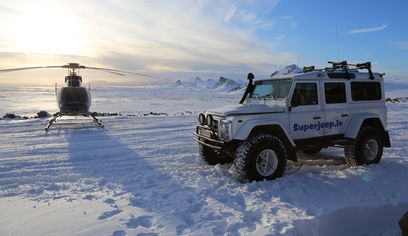
DT 331 Private Luxury Golden Circle and Helicopter back to Reykjavík
Superjeep
From
1,159,500 ISK
 8 hours 30 minutes
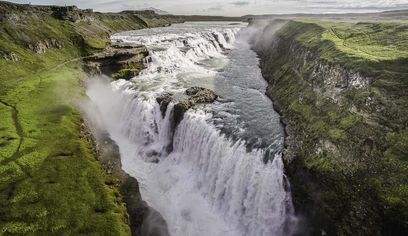
Golden Circle Afternoon Tour
BusTravel Iceland
From
10,990 ISK
 11 hours
Golden Circle Small Group Tour and Blue Lagoon Transfers
BusTravel Iceland
From
17,900 ISK
Wildlife in Iceland in July
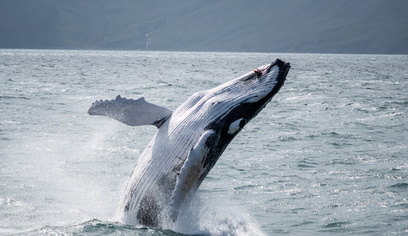
July is one of the strongest months in the year for Iceland's coastal wildlife — whale watching runs at full, reliable frequency from several departure points, and puffins are genuinely well-established at coastal colonies for essentially the whole month.
This guide still won't promise a sighting of either — no operator can guarantee wildlife, and even July's strong odds are exactly that: odds, not a guarantee.
Can You See Whales in Iceland in July?
Species mix and sighting rates vary by day, location and year — no operator can guarantee a specific species.
Peak-Season Departures
Reykjavík and Húsavík both run their fullest July schedules, with generally favourable sea conditions this time of year.
Long Daylight for Longer Tours
July's exceptional daylight supports longer tour options and later-in-the-day departures without racing the sunset.
A Genuine Multi-Species Season
Several species are realistically possible in July waters, not just one.
Where to Go Whale Watching
Reykjavík (Old Harbour)
The most convenient departure point for a Reykjavík-based trip, into Faxaflói Bay — a genuinely practical no-car-required option.
Húsavík
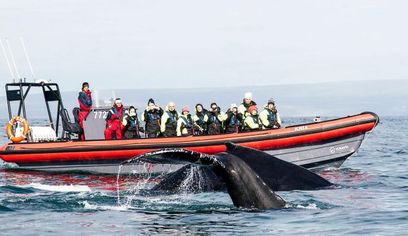
Iceland's whale-watching capital, in North Iceland — widely regarded as one of the country's most reliable departure points, worth building a North Iceland leg around if whale watching is a real priority.
Akureyri / Eyjafjörður
A genuine alternative departure point in North Iceland, in the same fjord system as Húsavík.
Do not plan a trip specifically around seeing orcas.
Orcas are present in Icelandic waters at times, but a sighting from a whale-watching boat is genuinely rare and should never be the basis for booking a specific tour or date.
Whale Watching Tours for July
Real, currently-relevant departures from Reykjavík and Húsavík.
 6 hours
Private Whale and puffin tour from Akureyri
Star Travel
From
195,000 ISK
 3 hours
Húsavík: Whale Watching Tour with Heated Indoor Seating
Friends of Moby Dick
From
11,990 ISK
 2 hours
Big Whales & Puffins RIB boat tour
Húsavík Adventures
From
21,990 ISK
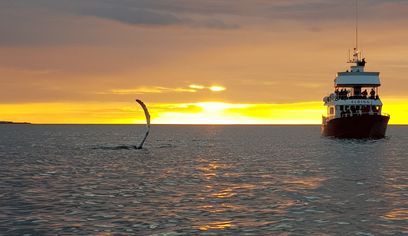 3 hours
Reykjavík Classic Whales in the Midnight Sun
Elding Adventure at Sea
From
14,500 ISK
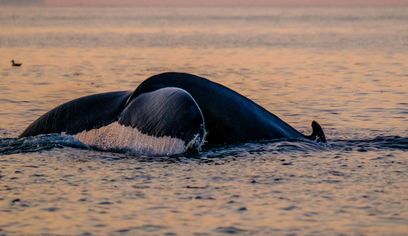 2 hours
Premium Whales & Midnight Sun
Whale Safari
From
24,900 ISK
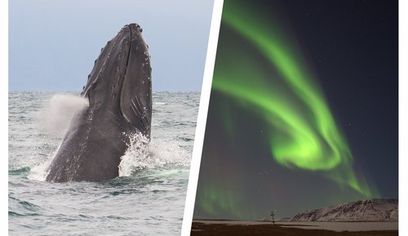 6 hours
Northern lights Combo
Star Travel
From
32,500 ISK
Can You See Puffins in Iceland in July?
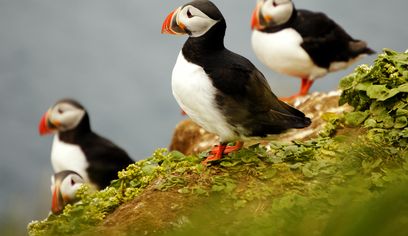
July is one of the more reliable months to find puffins present at Iceland's coastal breeding colonies — they're on land through the breeding season, which runs from spring into late summer, and July sits comfortably within that window.
That said, this guide will not claim puffins are guaranteed on any specific visit. Presence at a given colony on a given day still depends on weather, time of day and the colony itself, not the calendar alone.
Early July
Puffins are genuinely well-established at known colonies by this point in the season.
Late July
Presence generally remains strong through late July — this guide will not promise it for any specific date, but late July is not meaningfully less reliable than early July the way late August can be.
This guide will not publish a fixed universal departure date — it varies by year and by colony, and stating one with false confidence would be actively misleading.
If puffins are a genuine priority for your trip, July as a whole is a strong choice — there's no meaningful early-versus-late-July trade-off the way there can be later in the summer.
Dyrhólaey
A known South Coast puffin colony, covered in the South Coast section above — access to specific viewing areas can vary by current restriction during the nesting season, which overlaps directly with July.
South Coast (general)
Several South Coast cliff areas support puffin colonies alongside Dyrhólaey — exact presence still varies by date and location.
Puffins are a genuinely rewarding subject when present, but respect posted viewing distances and any access restrictions at all times.
- A zoom lens helps considerably — do not approach a colony on foot for a closer shot
- Early morning light often works best at coastal colonies
Never approach or disturb a puffin burrow — this applies at every colony, every year.
Seasickness & What to Wear
Even in July's generally calmer conditions, seasickness is a real possibility for sensitive travellers.
- Consider a seasickness remedy in advance if you're prone to it
- A larger, more stable boat can help, where offered as an option
- Stay on deck and watch the horizon rather than looking down
- Never approach wildlife on foot for a closer photo
- Follow the operator's and crew's guidance on boat behaviour at all times
- Keep a respectful distance from any coastal haul-out site
Add a whale-watching departure to your July route from Reykjavík, or build it into a dedicated North Iceland leg from Húsavík.
Read our first-hand whale watching guide with Special Tours for a full account of what to expect from Reykjavík Old Harbour.
The Icelandic Highlands in July
July sits within many Highland F-roads' typical opening window — a genuine reason July stands out for Highland travel, alongside August. This guide will not claim every route is open by July: some of the latest-opening routes may still not have opened yet this early in the season, even as many others already have.
None of this means Highland access is guaranteed on any given date. Road status, weather, river conditions and vehicle restrictions all control whether a specific route is actually driveable — this guide will not say F-roads are open in July as a blanket statement, only that July falls within the normal window when many of them can be.
A Genuinely Strong Access Window
Many F-roads that are closed the rest of the year fall within their typical open season by July, though a handful of the latest-opening routes may still be waiting on conditions this early in summer.
Exceptional Daylight for Long Routes
Highland routes are often long and remote — July's exceptional daylight gives real margin that a shorter-daylight month wouldn't.
Landscapes Unlike Anywhere Else in Iceland
Geothermal mountains, black volcanic desert and rhyolite colour at Landmannalaugar, deep glacial valleys at Þórsmörk, and a genuinely different, more remote character than the Ring Road offers.
Access Reality
Highland F-road opening dates are not fixed and are not set by the calendar — road authorities open each route individually once conditions genuinely allow, and the same applies to closing dates in autumn.
- Current official road status (road.is)
- Recent and forecast weather
- River water levels, which can change day to day
- Your specific vehicle's suitability and your rental agreement's own restrictions
Highland Destinations
Landmannalaugar
Iceland's best-known Highland destination — colourful rhyolite mountains, geothermal areas and hiking trails, with a genuine hot spring at the campsite.
Reached via F-roads that include real river crossings — many self-drive travellers choose a guided super-jeep tour or the seasonal highland bus rather than self-driving this route.
Þórsmörk
A dramatic glacial valley reached via F-roads with significant, genuinely serious river crossings — most standard rental cars, even 4x4s, are not accepted on this route by rental companies.
Kerlingarfjöll
A geothermal mountain area with colourful rhyolite peaks and hiking trails, reached via a somewhat less demanding F-road than Landmannalaugar or Þórsmörk, though still requiring a genuinely suitable vehicle and current-conditions awareness.
F-Roads
F-roads are unpaved, unmaintained-to-normal-road-standard routes, generally closed to ordinary 2WD vehicles by rental terms as well as by practical necessity.
Even where an F-road is officially open, that is a different claim from it being easy or appropriate for an inexperienced driver — narrow sections, loose surfaces and river crossings all demand real vehicle capability and driver judgment.
Vehicle requirements:
- A genuine 4x4 with adequate ground clearance
- Confirmation directly from your rental company that F-road/river-crossing driving is actually permitted under your specific contract
- A vehicle in good mechanical condition, checked before setting out
Many standard rental agreements explicitly exclude F-road and river-crossing damage from coverage — confirm this directly with your rental company before assuming you're covered.
River Crossings — A Real, Serious Risk
Several Highland routes, Þórsmörk and parts of the Landmannalaugar approach among them, involve genuine, unbridged river crossings.
This guide will not provide aggressive crossing instructions or encourage an inexperienced traveller to attempt one — river depth, current and the riverbed itself can change within the same day, and a misjudged crossing is a genuine, serious risk.
- If you have not done this before, a guided super-jeep tour or the seasonal highland bus is the realistic, safer choice
- Never cross a river you cannot see the bottom of, or that another vehicle has just struggled with
- Current conditions, not a map or a guidebook description, are what actually matter on the day
When in doubt, do not attempt a river crossing yourself — this guide would rather a traveller choose a guided option than take on a risk they're not genuinely prepared for.
Self-Drive Fits
- Travellers with genuine 4x4 experience and a suitable, permitted vehicle
- Kerlingarfjöll and similarly less-demanding routes, for confident drivers
- Those who have specifically confirmed F-road coverage with their rental company
Guided Fits
- Þórsmörk and Landmannalaugar for most travellers, given genuine river-crossing risk
- Travellers without prior unpaved/off-highway driving experience
- Anyone who would rather not take on the vehicle-damage and river-crossing risk personally
A guided super-jeep tour or the seasonal highland bus removes the vehicle and river-crossing decision entirely, and is genuinely the more realistic choice for most visitors.
Guided Highland Experiences for July
Real, currently-relevant super-jeep and highland-bus products — never proof that independent F-road access is open on your own dates.
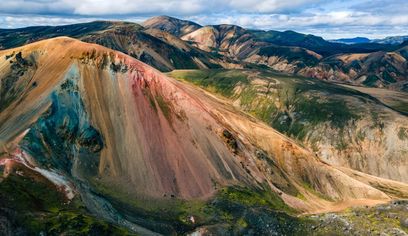 8 hours 30 minutes
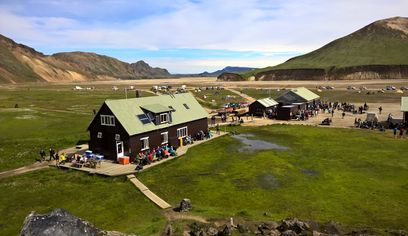
Landmannalaugar Highlands | Day Tour | Midgard
Midgard Adventure
From
45,000 ISK
 10 hours
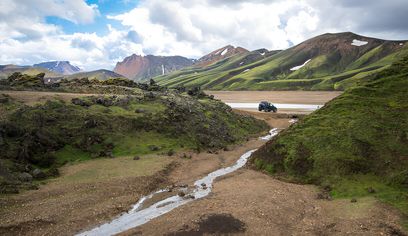
Into the Highlands: Private Landmannalaugar Day Tour – Now Available for Summer 2025
Daytrips / TA Sport Travel
From
275,000 ISK
 11 hours
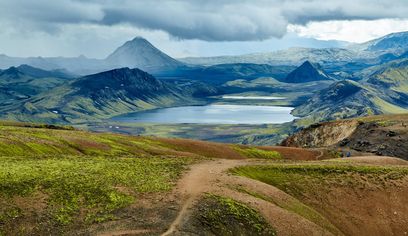
Private Landmannalaugar Super Jeep 4x4 Tour from Reykjavik - Highland Escape
Nordur Travel Services ehf
From
250,000 ISK
 7 hours
Landmannalaugar Full Day Tour
Buggy Iceland ehf.
From
149,000 ISK
Add a Highland route to your July trip only once you've checked current road status directly — this guide's Trip Planner does not validate live road conditions for you.
Hiking in Iceland in July
July offers some of the best hiking conditions of the year in Iceland — the longest daylight of any month in this guide's coverage, and genuine Highland trail access for well-prepared hikers.
This section covers general hiking rather than glacier hiking, which is a distinct, guide-led activity requiring a certified guide and specialist equipment — never attempt to walk onto a glacier independently, in July or any other month.
A Genuinely Strong Trail Access Window
Highland trails that are inaccessible most of the year, including sections of the Laugavegur trail near Landmannalaugar, are typically within their access window by July.
Exceptional Daylight for Longer Routes
July's exceptional daylight supports longer day hikes with genuine safety margin for the return.
Green, Peak-Summer Trail Conditions
July's lowland trails are typically in their most established summer condition of the year.
Where to Hike
Þingvellir
Easy, well-maintained walking trails through the rift valley — suitable for most fitness levels and a natural Golden Circle stop.
Skaftafell
A range of trail lengths in Vatnajökull National Park, from short walks to longer routes with glacier views.
Check current trail status at the visitor centre before setting out.
Reykjadalur
A well-known valley hike to a naturally warm river, popular as a moderate half-day hike from the Golden Circle area — genuinely one of July's most rewarding, accessible hikes.
The river itself is a real, popular geothermal bathing spot — see the Geothermal section below.
Landmannalaugar / Laugavegur Trail
Iceland's best-known multi-day trail begins here, but shorter day-hike loops around Landmannalaugar itself are also genuinely rewarding.
Access depends on current F-road/highland-bus status — see the Highlands section above before planning around this.
Þórsmörk
Genuinely rewarding valley and ridge trails, reached via the same demanding F-road access covered in the Highlands section above.
Coastal trails (South Coast, Snæfellsnes)
Shorter coastal walks near Reynisfjara, Dyrhólaey and around Snæfellsnes offer dramatic scenery without a full-day commitment.
Highland hiking in July genuinely benefits from a strong seasonal access window, but this is not the same claim as unconditional safety or access.
- Confirm current F-road, highland-bus and trail status before any Highland hiking plan
- Highland weather is genuinely less predictable and cooler/windier than the lowlands, even in July
- River crossings on foot along some Highland trails carry the same real risk as vehicle crossings — never attempt one you're not confident in
Always check current official road, weather and trail status directly before any Highland hiking plan — never rely on a general seasonal assumption, including anything in this guide.
Landmannalaugar and the Laugavegur trail specifically should never be planned around a generic self-drive assumption — current F-road access, bus/service schedules, weather and hut/service status all control whether this is realistically possible on your dates.
What to Wear
Turnaround Planning
July's exceptional daylight gives real margin, but a turnaround plan still matters, especially for longer or Highland routes.
- Check real sunset time for your hike date before setting out
- Build in a real buffer, not just the estimated hike time
- Turn back at a pre-decided time regardless of how close you are to a destination
- Carry a headlamp as a backup even on a planned-daylight hike
- Check a current weather forecast immediately before setting out, especially for Highland routes
- Tell someone your planned route and expected return time
- Carry proper layers even for a "short" hike
- Turn back if weather deteriorates — no viewpoint is worth a genuine safety risk
- Register longer or Highland hikes with Safetravel.is
Add a hiking stop to your July route where it realistically fits your time, fitness and the trail's current access status.
Hot Springs and Geothermal Pools in July
Geothermal bathing works year-round in Iceland, and July adds a genuine bonus most other months don't have: Reykjadalur's naturally warm river, realistically hikeable in July's exceptional daylight.
This guide draws a clear line between a geothermal attraction (a hot spring, mud pot or steaming vent worth seeing) and an approved bathing location — not every geothermal feature is safe to enter, and this guide will never tell you to get into unverified hot water.
A Genuine Reward After a Warm Day
Warm water is appealing even on a mild July day, especially after a hike.
Options at Every Budget
From premium lagoons to simple local pools to a free natural river, geothermal bathing works across a wide price range in July specifically.
Exceptional Daylight for a Natural Hot Spring Hike
Reykjadalur's hike-in hot river is realistically accessible with July's exceptional daylight in a way it isn't in shorter-daylight months.
Blue Lagoon
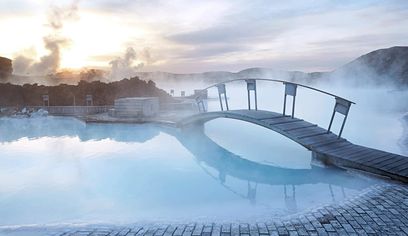
The Blue Lagoon is Iceland's best-known geothermal spa, on the Reykjanes Peninsula between Reykjavík and Keflavík Airport — a genuinely convenient stop on arrival or departure.
The Reykjanes Peninsula has experienced real volcanic activity in recent years — check current official status before any Reykjanes-area visit, the Blue Lagoon included, since access has been affected by past events.
Sky Lagoon
Sky Lagoon sits on Reykjavík's own coastline, closer to the city than the Blue Lagoon, with an ocean-facing infinity-edge view.
July's bright evenings mean an evening soak still happens in genuine daylight, unlike darker months where it's mostly in the dark.
Blue Lagoon vs Sky Lagoon
Blue Lagoon
- Airport-adjacent convenience
- A larger, more resort-style experience
Sky Lagoon
- Reykjavík-based travellers
- An ocean view without leaving the capital area
Both are real, bookable, approved bathing locations — the right choice depends on your route and schedule, not one being objectively better.
Secret Lagoon
A simpler, more rustic geothermal pool near Flúðir, a natural pairing with the Golden Circle route.
Forest Lagoon
A forest-set geothermal lagoon near Akureyri in North Iceland, worth building into a North Iceland leg of a longer trip.
GeoSea
A geothermal sea baths facility in Húsavík, North Iceland, with an ocean view — a natural pairing with a Húsavík whale-watching day.
Mývatn Nature Baths
Mývatn Nature Baths in North Iceland offer a lower-key, less crowded alternative to the southwest's premium lagoons, in a genuinely striking volcanic landscape.
Ordinary municipal swimming pools exist in nearly every Icelandic town and are a genuinely authentic, inexpensive way to experience geothermal bathing the way many Icelanders actually do.
What to Bring
Most premium lagoons rent towels and swimsuits if you forget yours; local pools usually expect you to bring your own.
Shower Etiquette
Icelandic pools and lagoons expect a thorough, soap shower before entering the water — this is a genuine, consistently enforced local custom, not optional at any venue.
Geothermal Experiences for July
Real, currently-relevant lagoon admission and geothermal experiences.
 9 hours
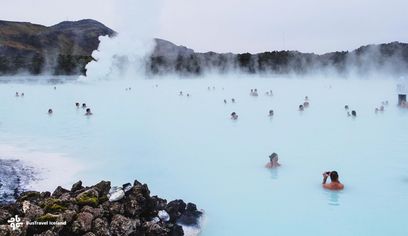
Volcano Eruption Site & Blue Lagoon Admission Tour
BusTravel Iceland
From
32,990 ISK
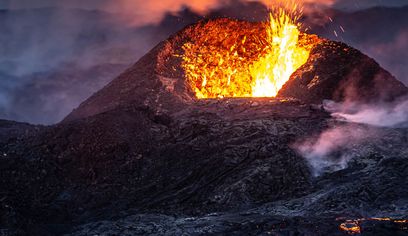 10 hours
Volcano Hike & Blue Lagoon - Private Eco Tour
EV Travel
From
180,000 ISK
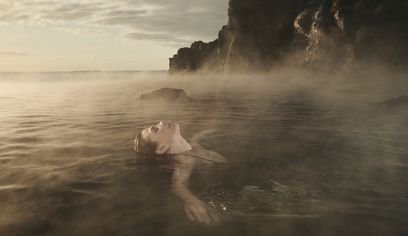 8 hours
Reykjanes Geothermal Tour & Sky Lagoon - Eco Tour
EV Travel
From
180,000 ISK
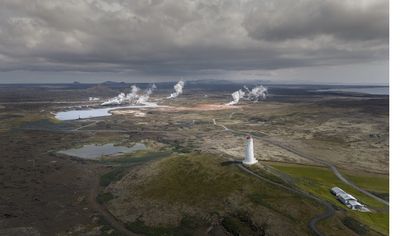 10 hours
Small group Tour Reykjanes Peninsula: Lighthouses, Hot Springs and The Sky Lagoon
Lilja Tours
From
38,000 ISK
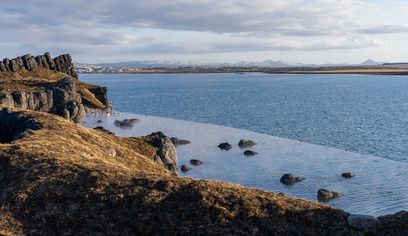 9 hours 30 minutes
Volcanic Wonders with Grindavik Visit & the Sky Lagoon
Reykjavik Excursions by Icelandia
From
32,999 ISK
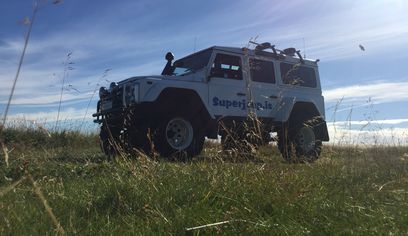 8 hours
DT 09 Reykjanes Peninsula & The Blue Lagoon
Superjeep
From
70,800 ISK
Blue Lagoon Comfort Admission
Standard admission to Iceland's best-known geothermal spa, including a towel, drink and silica mud mask.
Check Availability on Guide to IcelandSky Lagoon Entry Ticket
Admission to Sky Lagoon's ocean-view infinity-edge lagoon near Reykjavík.
Check Availability on Guide to IcelandAdd a geothermal stop to your July route — Reykjadalur if you're hiking, a premium lagoon if you'd rather not.

Hraunfossar — a quieter West Iceland stop, realistic with July's exceptional daylight
Best Places to Visit in Iceland in July
July's exceptional daylight and broad road access mean more of Iceland is realistically reachable than in any other month covered so far in this guide — the question becomes which regions actually fit your dates and priorities, not whether you can physically reach them.
This section deliberately routes you into the fuller South Coast, Golden Circle and Highlands coverage already built above rather than repeating it — treat the entries below as a starting map for where to actually go, not the full detail on those three.
Core Regions
Extended Regions
The Highlands genuinely belong on a July list — see the dedicated Highlands section above for the full access-reality, F-road and river-crossing picture. This entry is a pointer, not a repeat of that guidance.
Reykjavík is a practical base for a July trip regardless of how much time you spend elsewhere — Hallgrímskirkja, Harpa, the Sun Voyager sculpture and Perlan all sit within a compact, walkable core, and every guided departure in this guide (Golden Circle, South Coast, whale watching) can start from here.
July evenings stay genuinely bright well past a normal dinner hour, supporting a relaxed late dinner or a walk along the harbour without racing the sunset — but July is also this guide's busiest month for accommodation and popular restaurants, so book ahead.


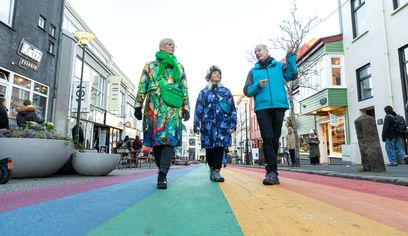 3 hours
Private Reykjavik LGBTQ+ City Walk
Your Friend in Reykjavik
From
43,090 ISK
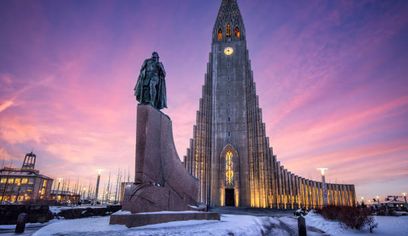 4 hours
Private Reykjavik City Tour
Icelimo Luxurytravel
From
112,500 ISK
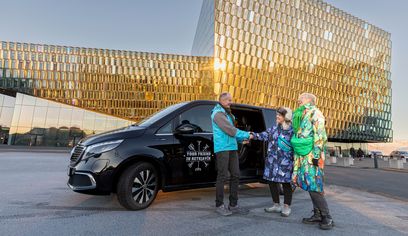 3 hours
Private 3 hour Reykjavik Driving Tour
Your Friend in Reykjavik
From
99,900 ISK
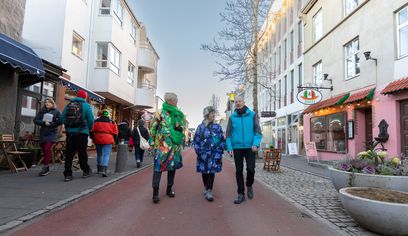 3 hours
Private Reykjavik Shopping & Sightseeing Walking Tour
Your Friend in Reykjavik
From
43,090 ISK
Þingvellir, Geysir and Gullfoss remain one of the most reliable single-day routes in the country in July, with exceptional daylight giving real room to linger at each stop even on a late start.
See the dedicated Golden Circle section above for the full route breakdown, real Sanity imagery and practical planning box.
Read the Full Section
Jump to the dedicated section above for the place-by-place breakdown and practical facts box.
Seljalandsfoss, Skógafoss, Reynisfjara and Vík remain fully accessible in July, and travellers with the days for it can realistically continue on to Skaftafell, Jökulsárlón and Diamond Beach.
See the dedicated South Coast section above for the full waterfall-by-waterfall breakdown, the unsoftened Reynisfjara safety warning, the Southeast extension and Vík hotels.
Read the Full Section
Jump to the dedicated section above for route logic, day-trip-vs-overnight guidance and the Southeast extension.
Often called "Iceland in miniature," Snæfellsnes packs Kirkjufell mountain, coastal cliffs at Arnarstapi and views of Snæfellsjökull glacier into one compact peninsula — a genuinely realistic day trip or overnight from Reykjavík given July's exceptional daylight.
This guide won't claim the full loop is unconditionally quick — it's a real half-day-plus drive each way — but July's daylight window makes it one of the most comfortable months to attempt it.

Hraunfossar's lava-field waterfalls offer a quieter, less-visited alternative to the South Coast's classic stops — a realistic standalone day trip from Reykjavík, or a stop on a longer route toward Snæfellsnes or North Iceland.
North Iceland is a genuinely separate multi-day leg, not a casual extension — Akureyri, the Mývatn area, Goðafoss and Húsavík's whale-watching departures all reward travellers who build real time into the itinerary for this region specifically.
July's exceptional daylight makes the drive itself far less of a constraint than it would be in a darker month, but this is still a real distance from Reykjavík — treat it as its own leg of a longer trip.
Whale Watching From Húsavík
Húsavík's whale-watching departures are covered in the dedicated Wildlife section above, alongside Reykjavík's own departures.
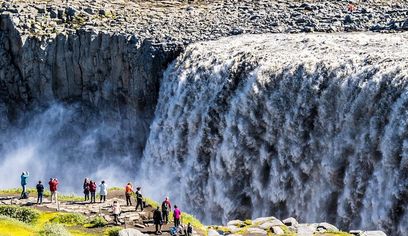 9 hours
Diamond Circle Day Tour from Akureyri or Lake Myvatn
Imagine Iceland Travel
From
38,900 ISK
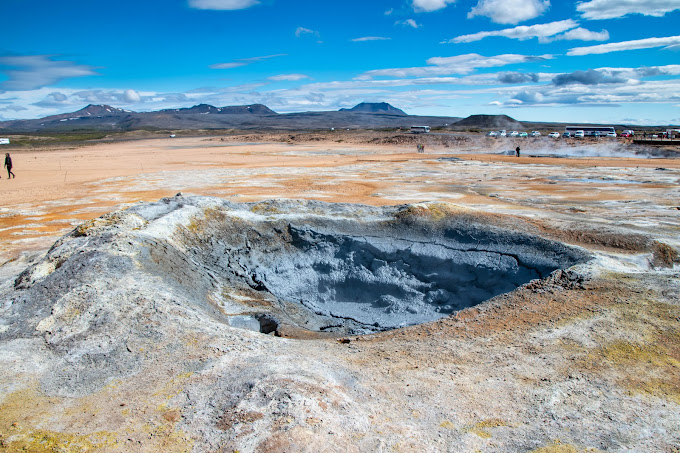 6 hours
Lake Mývatn Shore Excursion from Akureyri Port - Italian
Iceland Horizon - Saga Travel - GeoIceland
From
23,000 ISK
 6 hours
Lake Mývatn Shore Excursion from Akureyri Port - German
Iceland Horizon - Saga Travel - GeoIceland
From
23,000 ISK
 3 hours
Akureyri Classic Whale Watching
Elding Adventure at Sea
From
14,500 ISK
July sits within many Highland F-roads' typical opening window, with Landmannalaugar, Þórsmörk and Kerlingarfjöll all potentially accessible — some of the latest-opening routes may still not have opened yet this early in the season, and access is never guaranteed from the calendar alone.
See the dedicated Highlands section above for the full access-reality, F-road, river-crossing and self-drive-vs-guided picture before planning around any of these.
Read the Full Section
Jump to the dedicated section above for current-access reality, vehicle requirements and river-crossing guidance.
The Westman Islands (Vestmannaeyjar) offer volcanic landscapes, seabird colonies and a genuinely different island character reached by ferry from the mainland — a real option for travellers whose dates and route support the extra logistics.
This guide won't treat it as an automatic add-on: ferry schedules, vehicle-reservation logistics and the extra travel day it takes all need real, current confirmation before it fits a specific itinerary.
Planning a Westman Islands Visit
Check current ferry schedules and vehicle-reservation requirements directly before committing a day of your itinerary to the crossing — this guide does not assume a fixed timetable.
Seabirds, including puffins, are a real July draw here — July is one of the more reliable months for puffin presence, though no sighting is ever guaranteed. See the Wildlife section above for the fuller picture.
| Region | Best For | Typical Stay | Advantage | Challenge |
|---|---|---|---|---|
| Reykjavík | No-car travellers, food, culture, guided-tour departures | 1–3 nights | Flexible base for every other region on this list | Iceland's busiest month for accommodation — book ahead |
| South Coast & Southeast | Waterfalls, black-sand coast, glacier lagoon, first visit | 1–2 nights | Classic sights, fully in season, exceptional daylight | A genuinely long drive if extended to the Southeast, and July's busiest stops |
| The Highlands | F-roads, remote landscapes, hiking | 0–2 nights (day tour or guided multi-day) | A genuinely strong access window | Access is never guaranteed from the calendar alone |
| North Iceland | Whale watching, a dedicated multi-day leg, quieter roads | 2–3 nights | Genuinely different character from the south | A real distance from Reykjavík — not a casual extension |
None of these regions are mutually exclusive — most real July trips combine Reykjavík with 1–3 others depending on trip length, driving tolerance and how much of the Highlands you want to attempt.
Where to Go by Trip Length
3 Days
- Reykjavík
- Golden Circle
- South Coast (day trip)
Not enough time to comfortably add the Southeast or a Highlands route without an excessively long day.
5 Days
- Reykjavík
- Golden Circle
- South Coast with a Vík overnight
- one Highlands day tour or Snæfellsnes day trip
7 Days
- South Coast extended to the Southeast
- a Highlands route (guided or self-drive, conditions permitting)
- or a start on a North Iceland leg
10+ Days
- A genuine multi-region route combining the South Coast/Southeast, a dedicated North Iceland leg and Highlands time
This guide will not construct a rushed full-Ring-Road-plus-Highlands itinerary here — full multi-day itinerary planning arrives in a later part of this guide; use the Trip Planner for a route built around your real dates.
Where to Go by Traveller Type
First Visit
The classic, highest-confidence route for a first July trip.
Road Trip
July's exceptional daylight and broad road access make it one of the strongest self-drive months in this guide's coverage.
Highlands
Always confirm current F-road and river-crossing status before planning around any specific route.
Wildlife
July is one of the more reliable months for both whales and puffins — see the dedicated Wildlife section above.
Hiking
See the dedicated Hiking section above for trail-by-trail guidance.
Photography
July's long, soft light and near-Midnight-Sun evenings work well across all three.
No Car
Golden Circle, South Coast, whale watching, geothermal and guided Highland super-jeep tours all have real departures from Reykjavík.
Explore Iceland in July
Markers show real destination locations only — they do not indicate current road, F-road or tour-operating status. Always check official sources before planning around a specific route.

Goðafoss — North Iceland's own major waterfall, a realistic stop on a longer July route
Best Things to Do in Iceland in July
July's exceptional daylight and broad access mean more genuine options than in any other month in this guide's coverage — the right choices depend on your priorities, trip length and, for the Highlands specifically, current conditions, not a single ranked list.
Several of the activities below already have a full dedicated section above (South Coast, Golden Circle, Wildlife, Highlands, Hiking, Geothermal) — this section links into that coverage rather than repeating it, and adds the broader, page-wide activities (road trips, camping, photography, Reykjavík, Snæfellsnes, the Westman Islands) that don't have their own section yet.
- Your actual trip length
- Whether you have a suitable, permitted vehicle for Highland routes
- Whether wildlife (whales, puffins) is a genuine priority or a bonus
- Your real budget and appetite for driving
- July's peak-season demand — accommodation, rental cars and popular tours all book out further ahead than in quieter months
July's Standout: Exceptional Daylight
No other month in this guide's coverage so far offers this much usable light in a single day.
Around 19–20 hours of daylight and bright night twilight mean real flexibility to fit in a long sightseeing day, a Highland route or an evening hike without racing the clock — see the dedicated Daylight & Midnight Sun section above for the full picture.
Quick Pick
Filter by what matters most for your trip — every card below links to real, currently-relevant coverage.
Showing all july experiences
Take a Road Trip
July's exceptional daylight and broad road access make it one of the strongest self-drive months in this guide's coverage so far — from a Golden Circle day to a longer multi-region route.
Explore the Highlands
Landmannalaugar, Þórsmörk and Kerlingarfjöll are all potentially within their access window in July — always verify current F-road and river-crossing status before planning around a specific route.
Go Hiking
Reykjadalur, Skaftafell and — conditions permitting — the Laugavegur trail near Landmannalaugar are all realistically accessible with July's exceptional daylight.
Visit Waterfalls
Seljalandsfoss, Skógafoss and Gullfoss are all fully accessible in July, with reliable flow and easy path access at most stops.

See Puffins
July is one of the more reliable months to find puffins present at coastal colonies — this guide will still not promise a sighting on any specific visit.
Go Whale Watching
Reykjavík and Húsavík both run their fullest July schedules, with generally favourable sea conditions this time of year — no sighting is ever guaranteed.

Visit Jökulsárlón
The glacier lagoon and Diamond Beach are fully accessible in July as a Southeast extension from the South Coast, for travellers with the days for it.
Explore the South Coast
Seljalandsfoss, Skógafoss, Reynisfjara and Vík remain one of the most reliable single-day routes in the country, with real flexibility to extend further east.
Drive the Golden Circle
Þingvellir, Geysir and Gullfoss remain one of the most reliable, self-drive-friendly single-day loops in the country, even more comfortable with July's exceptional daylight.
Relax in Geothermal Water
From the Blue Lagoon to Reykjadalur's free hike-in hot river, geothermal bathing works across a wide price range in July specifically.
Visit the Westman Islands
Volcanic landscapes and seabird colonies reached by ferry — a real option for travellers whose dates and route support the extra ferry logistics, never an automatic add-on.

Explore Snæfellsnes
Kirkjufell mountain, coastal cliffs at Arnarstapi and Snæfellsjökull glacier make this a genuinely rewarding day trip or overnight from Reykjavík in July.
Go Horse Riding
Icelandic horse riding is a reliable, year-round activity available alongside a wildlife- or road-trip-focused itinerary, generally suited to a range of ages depending on the specific stable's policy.
Go Camping
July is peak camping season in Iceland, with every seasonal campsite open and exceptional daylight extending a comfortable evening at camp — book ahead, since July is also the busiest camping month.
Photograph the Midnight Sun
Exceptionally long, soft golden-hour light and a genuinely distinctive near-Midnight-Sun quality that's difficult to replicate outside a narrow window around the summer solstice.

Explore Reykjavík
Hallgrímskirkja, Harpa, the Sun Voyager sculpture and Perlan all sit within a compact, walkable core — a practical base for every other region on this list.
Explore North Iceland
Akureyri, Mývatn, Goðafoss and Húsavík reward travellers who build real time into the itinerary for a dedicated North Iceland leg.

Mývatn — a real North Iceland Ring Road stop, genuinely reachable with July's exceptional daylight
Driving in Iceland in July
July is one of the strongest self-drive months in this guide's coverage — near-Midnight-Sun daylight for the entire month, the broadest main-road and Highland access window of the year, and Iceland's mildest average conditions.
None of that makes July an easy, risk-free driving month. Wind and rain remain genuinely possible on any given day, gravel sections and remote routes still demand real attention, July is the single busiest month on the road of any this guide covers, and exceptional daylight can quietly encourage travellers to push a driving day far longer than is actually comfortable, simply because it never gets dark enough to force a stop.
Always check current road and weather conditions before driving — this guide's editorial description is never a substitute for live official data.
Long Daylight ≠ Unlimited Driving
July's mild averages don't mean conditions stay fixed for the day — weather can still shift within a few hours, on the South Coast, in the Highlands or anywhere in between.
- Sudden wind gusts
- Rain reducing visibility
- Fog on mountain passes and higher routes
- River levels rising after rain, relevant to any Highland crossing
Stay flexible enough to:
A flexible plan beats a rigid one every time July's weather actually changes — which, even in the mildest month, still happens.
Do You Need a 4x4 in July?
You do not automatically need a 4x4 in Iceland in July. Many main-road routes — the Golden Circle, the South Coast to Vík, most of the Ring Road — are genuinely suitable for a 2WD vehicle when current conditions are appropriate. A 4x4 becomes relevant for specific F-roads, rougher permitted routes, or genuine Highland access — not simply because it's Iceland.
A 4x4 does not override:
A 4x4 does not make a closed road open, does not make an unsafe river crossing safe, does not remove real weather risk, and does not override your rental agreement's own restrictions — it is a vehicle, not a permission slip.
Winter tyres are not a summer requirement — standard tyres are the normal setup for a July rental.
If your trip extends into a much later or earlier date than planned, or you're unsure what your specific vehicle is fitted with, confirm directly with your rental company rather than assuming based on the season alone.
Ring Road in July
Route 1, the Ring Road, circles the entire country and remains the backbone of most July Iceland road trips.
July is one of the strongest months in this guide's coverage for a full Ring Road trip: near-Midnight-Sun daylight, broad regional access, real Highland detour potential and Iceland's mildest weather — combined with peak-season demand on popular stops, accommodation and rental cars.
A full Ring Road loop is genuinely realistic in July, but the right length depends on your dates, driving tolerance and how much of the Highlands you want to attempt.
A 7-day loop is possible but fast-paced, especially with a Highland detour added. 8–10 days gives a more balanced pace. 10–14+ days leaves real flexibility to wait out weather, extend a Highland route or add a detour — none of these are hard rules, and your actual trip length and priorities should shape the route, not the reverse.
Regions a longer loop can bring into reach:
East Iceland
Long driving segments between towns, fjord roads and mountain passes all deserve real respect even in July's mildest conditions — check current conditions before committing to the full fjord route.
North Iceland
Akureyri, Goðafoss, Mývatn and Húsavík remain genuinely accessible with near-Midnight-Sun daylight making the drive itself far less of a constraint than in a darker month — still a real distance from Reykjavík, not a casual extension.
Westfjords
Can be viable in July, but mountain roads, long distances, fewer alternate routes and wind all deserve real respect. Dynjandi and Látrabjarg access should be checked directly rather than assumed — not a casual add-on for a short trip.
F-Roads and Highland Driving in July
Do not infer Highland/F-road access from the calendar month alone. July often falls within the summer access period for many routes, but actual opening status varies by road, weather, year, river conditions and maintenance schedule — current official road status controls, not this guide's general seasonal description. See the dedicated Highlands section above for the full destination picture.
Google Maps and other routing tools can help with distance, navigation and stop order — they are never proof that a road, F-road or river crossing is actually open, accessible or currently safe.
F-roads (Highland routes) require checking current status directly — this guide will not state that F-roads are generally open in July, only that July is within the normal window when many of them can be. Some legally or operationally require an appropriate 4x4 vehicle; this guide does not invent one universal vehicle class requirement for every F-road, since the actual requirement depends on the specific route and your rental company's own terms.
The full destination-level picture for Landmannalaugar, Þórsmörk and Kerlingarfjöll — including river-crossing detail and self-drive-vs-guided guidance — is covered in the dedicated Highlands section above, not repeated here.
River Crossings
River levels change with weather and time of day, vehicle capability and rental terms both matter, and turning around is always a valid choice — this guide will not give crossing instructions. The full destination-level river-crossing guidance lives in the Highlands section above.
See the full Highlands river-crossing guidanceSelf-Drive Makes Sense For
- Flexible, self-paced itineraries
- Travellers comfortable planning around current conditions
- Routes well within current road status and their own vehicle's permitted terrain
Guided Access Makes Sense For
- Landmannalaugar, Þórsmörk and similarly demanding F-road/river-crossing routes
- Travellers without prior unpaved or river-crossing driving experience
- Anyone who'd rather not take on the vehicle-damage and river-crossing risk personally
Many July travellers rent a car for the Ring Road/South Coast and add one guided Highland super-jeep or highland-bus product rather than choosing exclusively one approach — see the Highlands section above for current options.
Prefer Not to Drive?
Guided tours with transport included cover the same July highlights without needing a rental car — including the Highland routes a standard rental isn't suited to.
See guided Highland options in the Highlands sectionWind
Strong wind remains one of Iceland's major hazards year-round — it affects vehicle handling, campervans and high-sided vehicles especially, exposed roads, vehicle doors in open car parks, and bridges or coastal sections. July's mild average temperatures don't weaken this warning.
Gravel and Remote Routes
Sections of some routes, particularly in the East, North Iceland and toward the Highlands, remain unpaved — reduce speed, increase following distance, and expect longer stopping distances than on paved roads.
Rain & Visibility
Rain can reduce traction, visibility and stopping distance, and can also affect Highland river levels within the same day. Adjust speed to actual weather-appropriate conditions and current road status, not the posted limit alone.
Tourist Concentration
July is the single busiest month on the road of any this guide covers — more traffic, fuller car parks and more pedestrians near popular roadside stops than any other month. Slow down and watch for people stepping into the road at scenic pull-offs.
Animals Near the Road
Sheep roam freely near many rural roads through the summer grazing season and can move onto the road unexpectedly — slow down through open farmland, especially on blind corners.
July has effectively no true darkness to drive through — skies stay bright through the short night on almost every date this guide covers, so headlight use and darkness-related fatigue planning simply aren't a real July concern the way they are in a shorter-daylight month.
There is no realistic Aurora-driving concern in July — the sky doesn't get dark enough for the Northern Lights to be visible on any July date, so this guide has no route or safety guidance to add here. See the Daylight section above for the full explanation.
Fuel up before remote stretches, particularly in the East, North Iceland, the Westfjords and any Highland approach, where stations are more spread out. This guide does not publish specific fuel prices, since they change too frequently to stay accurate.
Electric Vehicles
Electric vehicles can work well on many July routes, with Iceland's charging network covering the Ring Road and most main stops.
Remote regions, longer detours and any Highland approach deserve more planning than a Reykjavík-area day trip — don't assume every remote route is equally easy on an EV, and don't assume a charger exists near an F-road trailhead.
Plan for:
Mobile coverage is generally good along the Ring Road and in populated areas, but can genuinely drop in the Highlands, remote fjords and some mountain passes — don't rely on it as your only safety plan in remote areas.
Rental Insurance
Standard rental insurance may not cover every scenario relevant to a July trip.
- Gravel/chip damage on unpaved roads
- River-crossing and F-road damage, often explicitly excluded
- Wind damage to doors or panels
Review your specific rental agreement's coverage rather than assuming a standard policy covers every July-relevant risk — confirm F-road/river-crossing coverage directly before attempting either.
Campervan Travel in July
July is Iceland's single busiest campervan month — near-Midnight-Sun daylight, the mildest weather of the year and every seasonal campsite open all make it the most popular month to see the country this way.
It isn't without real planning considerations even at the year's mildest and brightest: campsite demand is at its highest of the year, wind remains a genuine factor for a high-sided vehicle, and cool nights — especially at elevation — mean a campervan's heating still gets real use, not just its ventilation.
Camping outside a designated, legal campsite is not a general right in Iceland — use official, currently-open campsites, and never treat a scenic pull-off or private land as a free overnight spot.
Compare Cars for My July Route
Check current road, weather and river-crossing conditions first — no vehicle makes a closed road or an unsafe crossing safe to attempt.
Compare Rental Cars via Guide to Iceland
Compare prices and availability across more than 40 Icelandic rental companies.
Compare on Guide to Iceland
Arnarstapi — a real Snæfellsnes stop worth building into a longer July road trip
What to Pack for Iceland in July
July is Iceland's warmest month, but this guide will not tell you to pack as though for a Mediterranean summer — genuine weather protection still matters, alongside real layering flexibility for a month that runs from mild lowland afternoons to a genuinely cool Highland evening.
Prepare for a real mix: mild periods, cooler periods, rain, wind and sun, often within the same day — plus whatever your own itinerary adds (hiking, geothermal bathing, a wildlife boat tour, a Highland route or a night of camping).
Base Layer
A breathable, moisture-wicking base layer works for most July days — cotton is the one fabric worth actively avoiding, since it stays wet once damp.
Mid Layer
A light fleece or light insulated layer covers cooler mornings, evenings and the Highlands — July rarely needs a heavy mid layer, but rarely needs none at all either.
Outer Layer
A genuinely wind- and water-resistant shell is the single most useful July item — it covers rain, wind and a cool coastal evening without needing separate specialist pieces.
Footwear
Comfortable, supportive shoes cover most sightseeing days.
For hiking specifically, appropriate hiking footwear with real grip matters more than the shoe's weight or insulation — not every traveller needs heavy boots for a short, well-maintained trail.
Rain, Wind & Trousers
Optional for most travellers — genuinely useful for a wet hiking day, a Highland route, or an activity involving real spray (waterfalls, boat tours).
Camera Equipment
Hat
A light hat helps with both sun and wind — useful on a bright day and a breezy coastal one alike.
Neck Warmer
A light buff or neck gaiter is a small, versatile item for wind on an exposed hike or boat tour.
Sunglasses
Genuinely useful in July — near-Midnight-Sun daylight means real, sustained sun exposure, on the road and on the water alike.
Sunscreen
Worth packing — July sun exposure is real and sustained across the long day, especially on a boat tour or a long hiking day, even when the air feels cool.
Lip Balm
A small, easy addition worth having for wind and sun exposure on any outdoor day.
Towel
Most premium lagoons rent towels if you forget yours; local pools generally expect you to bring your own.
Power Plugs
Iceland uses the European (Type F/C) plug standard — bring a travel adapter if your devices use a different plug shape.
Water Bottle
A reusable water bottle — Iceland's tap water is genuinely excellent, and refilling beats buying bottled water on a multi-stop day.
Medication
Bring any prescription medication in original packaging, with enough for your full trip plus a reasonable buffer.
Swimwear for Geothermal Bathing
Essential for geothermal bathing — the Blue Lagoon, Sky Lagoon, a local pool or Reykjadalur's hike-in hot river all require one.
About Aurora Gear in July
not applicable this month — see the Daylight section above for why the sky never gets dark enough in July.
Phone & Power
Daypack
A comfortable daypack covers most sightseeing and hiking days.
Road Trip Food
Useful for a long driving or hiking day, since stops can be spread out.
Leave at home:
Heavy winter outerwearSnow/ice traction devicesA full deep-winter layering systemAurora-specific gear — genuinely not useful in JulyPacking by Activity
Hiking
Highland hikes specifically deserve more conservative weather prep than a short, well-maintained lowland trail.
Wildlife / Boat Tours
It's genuinely colder on open water than on land, even on a warm July day — don't rely on the operator to supply warm clothing; confirm what they actually provide, if anything, before assuming.
Camping
Match your sleep system to real July night temperatures, not a generic "summer camping" assumption — this guide won't recommend a specific spec without knowing your actual gear.
The Highlands
More conservative weather prep genuinely matters here — this isn't an expedition checklist for an ordinary visitor, just real respect for cooler, windier Highland conditions.
Travelling with Children
Extra warm layers — children cool down faster than adults, especially on a boat tour or in the Highlands.
Familiar snacks for long driving days.
Weather-appropriate footwear for uneven, sometimes wet terrain at waterfalls and coastal stops.
Road Trip Bag
July Packing Checklist
🧥 Layers
🌬️ Rain / Wind
👟 Footwear
🥾 Hiking
🐋 Wildlife / Boat Tours
🏕️ Camping
⛰️ Highlands
♨️ Geothermal
📷 Photography
🚗 Road Trip Essentials
Skaftafell — a real Southeast Iceland stop, genuinely reachable on a longer July South Coast extension
Photography in Iceland in July
July offers one of the richest photography months in this guide's coverage — near-Midnight-Sun daylight for the entire month, waterfalls, the Highlands, wildlife, coast and glaciers, all under exceptionally long, soft light.
This guide won't promise specific light, weather or wildlife conditions for any given day — actual results always depend on your exact dates, the weather and simple luck alongside genuine preparation.
Unlike a darker month, July doesn't have an early/late split worth treating separately — the light stays consistently long and soft on essentially every date this month.
Midnight Sun / Bright-Night Photography
July carries a long, soft golden-hour period both morning and evening, with the sky never fully darkening between them — a genuinely distinctive quality this guide calls Midnight Sun light.
- Exceptionally long, soft light on every date this month, not just around sunrise/sunset
- Twilight that never fully deepens into true night
- The most consistent, least date-dependent light quality of any month in this guide's coverage
There is no late-month shift in July the way there is in a shorter-daylight month — the light stays this way from the first day of the month to the last.
See the full Daylight & Midnight Sun sectionThere is no realistic Aurora photography angle in July — the sky doesn't get dark enough for the Northern Lights to be visible on any date this month, regardless of camera or technique.
This guide will not suggest chasing an Aurora shot in July — see the Daylight section above for the full explanation of why.
About Aurora Photography in July: not a realistic July activity — see the Daylight section above for why the sky never gets dark enough this month.
July's photography doesn't call for Aurora-style long-exposure night settings — the sky simply never gets dark enough. The settings below are general low-light guidance for an overcast day or a shaded Highland valley, not an Aurora setup.
- A wider aperture helps in flat, overcast light
- Moderate ISO is rarely needed given how bright July stays, even late in the evening
- A faster shutter speed than a winter month typically requires, given the sustained brightness
- Manual focus is rarely necessary in July's daylight conditions
A tripod remains genuinely useful for waterfall long-exposure shots and for steadier composition in wind — not for Aurora settings, which have no real application this month.
Aperture
A narrower aperture works well for July's typically bright, evenly lit landscapes — reserve a wider aperture for flat, overcast conditions or a shaded Highland valley.
ISO
July's sustained brightness rarely calls for a high ISO — keep it low for the cleanest result unless conditions are genuinely overcast.
Shutter Speed
A slower shutter speed with a tripod is the classic approach for a smooth, flowing waterfall shot at Seljalandsfoss, Skógafoss or Gullfoss.
Tripod
A tripod is genuinely useful for a smooth, long-exposure waterfall shot, and for steadier composition on a windy coastal or Highland stop — not for Aurora photography, which has no real application in July.
Even a lightweight travel tripod is far better than none for a deliberate, sharp composition at a popular stop.
Smartphone Photography
- Modern phone cameras handle July's bright, even daylight very well without special settings
- Use a wide-angle or panorama mode for Highland landscapes and coastal cliffs
- Brace the phone against something stable for a waterfall long-exposure shot, if your phone supports one
July's consistently bright, soft light generally translates closely between what you see and what a camera captures — unlike Aurora photography, there's little of the sensor-vs-eye gap to account for here.
The main technical challenge in July is usually managing flat, evenly lit conditions on an overcast day, not capturing something faint the eye can barely see.
Composition
Strong July compositions generally pair a real subject in the landscape with the sky or light, rather than shooting either in isolation.
Arrive early or stay late at popular stops (Seljalandsfoss, Skógafoss, Kirkjufell) to shoot with fewer people in frame, given July's peak-season visitor numbers.
Seljalandsfoss & Skógafoss
Real Sanity-backed South Coast waterfalls — expect genuine spray and crowds at peak hours; a lens cloth and an early or late visit both help.
Gullfoss
Multiple viewing platforms give genuinely different perspectives on the falls — July's flow is reliably substantial.
Goðafoss
A worthwhile North Iceland stop on a dedicated leg, with a different, wider-format composition than the South Coast's taller falls.
Hraunfossar
A quieter West Iceland alternative — a wide field of small cascades rather than one tall drop, genuinely rewarding with July's exceptional daylight for a relaxed detour.
Reynisfjara
Dramatic black sand and basalt columns — compose from a genuinely safe distance from the waterline; no photograph here is worth the real, well-documented sneaker-wave risk.
The Highlands (Landmannalaugar)
Colourful rhyolite mountains reward wide landscape shots — stay on marked trails and never step off a protected or closed area for a better angle.
Jökulsárlón
Real, verified glacier-lagoon imagery — this guide makes no promises about ice quantity, weather or reflections on any given visit; conditions genuinely vary.
Ocean Safety at Reynisfjara & Diamond Beach
Never turn your back on the ocean at Reynisfjara or Diamond Beach for a photo — sneaker waves have caused real injuries and deaths.
Never approach the waterline for a closer composition — a wide-angle lens from a safe distance beats a dangerous close one.
Condensation
Moving a cold camera into a warm car or building can cause condensation on the lens and body — let it acclimatise gradually in a bag when possible, especially after a cool Highland morning.
Batteries
Batteries generally last well in July's mild conditions compared with a colder month — a spare is still genuinely useful for a full day of Highland or coastal shooting.
Memory Cards
- Carry at least one spare card
- Back up photos each evening if travelling with a laptop or portable drive
- Format cards in-camera rather than on a computer, to avoid card errors
Drone Photography
Drones can capture genuinely striking July landscapes, but flying legally and safely requires real preparation, not just packing the drone.
Check current Icelandic drone regulations and any location-specific restrictions before flying — some national parks and protected areas prohibit or restrict drone use entirely, and puffin colonies deserve particular caution during July's nesting season.
This is not a relevant framework in July — KP-index Aurora forecasting has no application when the sky never gets dark enough to see the Northern Lights.
- There is no genuine Aurora-viewing factor to weigh in July — see the Daylight section above for the full explanation
Skip this entirely for a July trip and revisit it for a darker month instead.
Never, for a Photo
July Photography Locations
Real, currently-photographable July locations — filter by what you want to shoot.
Showing all photography locations
Build a Photography-Focused July Route
Use the Trip Planner to lay out your real dates and priority locations — it doesn't validate live light or weather conditions automatically.
Open Trip Planner
Sólheimajökull — a real South Coast glacier stop worth building into a longer July budget or family plan
How Much Does Iceland Cost in July?
July is peak season — Iceland's highest demand of the year on accommodation, rental cars and popular tours, alongside its mildest weather and longest daylight. This guide will not pretend July is a bargain month, but real planning choices still meaningfully change what a trip actually costs.
What a July trip costs depends far more on your own choices (accommodation tier, rental car vs. guided tours, how many paid experiences you add) than on any single fixed seasonal price — this guide gives real planning guidance rather than a fragile exact total that would be outdated within months.
Budget
- Hostel or camping where appropriate
- Self-catering from supermarkets
- A small number of carefully chosen paid activities
Genuinely workable in July, given the widest seasonal campsite availability of the year.
Mid-Range
- Guesthouse or mid-tier hotel
- A rental car
- A mix of free sights and a few paid tours
The most common real July trip shape.
Higher-Comfort
- Better-positioned hotels
- More guided experiences
- Less daily driving, more time at each stop
Trades self-drive flexibility for comfort and less logistics.
High-Season Demand
July is the single busiest month of the year in this guide's coverage — school-holiday overlap across several source markets, the mildest weather and the broadest regional access all peak at once.
- Popular hotels and guesthouses can book out weeks or months ahead
- Rental car availability tightens, especially for larger vehicles and 4x4s
- Popular tours (whale watching, glacier lagoon boats, Golden Circle day tours) can sell out on short notice
- Campsites fill on peak weekends, even with July's widest seasonal availability
None of this means every option is unavailable — it means booking meaningfully earlier than in a quieter month gives real, practical benefit.
Accommodation is usually the single biggest line item on a July trip, and the one demand affects most directly.
Tighter accommodation stretches:
Book accommodation along your actual planned route rather than backtracking to a cheaper option off-route
Confirm cancellation policy before committing this far ahead of travel
Compare a guesthouse or apartment against a hotel room for a family or small group
Compare Places to Stay for My July Trip
Search real current availability and pricing for your exact dates — this guide does not publish fixed nightly rates, since they change too often to stay accurate.
Iceland Accommodation via Guide to Iceland
Compare hotels, guesthouses and apartments across Iceland as a second accommodation source.
Compare on Guide to IcelandFood
Food costs add up quickly in Iceland regardless of season — July adds no special surcharge, but peak-season restaurant demand can mean longer waits at popular spots.
Supermarkets
Supermarket chains are the most economical way to eat well on a July trip.
Larger towns have the best selection — stock up before a remote leg, since options thin out fast once you're off the main road network.
Restaurant prices in Iceland are genuinely high by many travellers' home-country standards — this applies year-round, not specifically because it's July.
Rental car costs vary by vehicle size, dates and how far ahead you book — July's peak demand can push prices up and availability down versus a quieter month.
Whether a rental car or guided tours cost less depends heavily on group size and how many days you're travelling.
- A rental car often works out cheaper per person for 2+ people over several days
- A single traveller doing only a few days may find guided day tours more cost-effective
- Fuel, parking and any F-road insurance add to a rental's real total cost
Compare Cars for My July Trip
Check current road, weather and river-crossing conditions first — no vehicle makes a closed road or an unsafe crossing safe to attempt.
Compare Rental Cars via Guide to Iceland
Compare prices and availability across more than 40 Icelandic rental companies.
Compare on Guide to IcelandFuel costs add up on a longer July road trip, especially with detours to the Highlands, North Iceland or the Westfjords. This guide does not publish specific fuel prices, since they change too frequently to stay accurate.
EV Rentals
Electric rental vehicles can reduce fuel cost on a July trip, but factor in realistic range and charging-stop time when comparing total cost against a petrol/diesel equivalent.
Parking
Most popular July stops have free or low-cost parking; a small number of busier sites charge a modest fee.
Going Without a Car
Skipping a rental car entirely is a realistic budget choice for a Reykjavík-based or guided-tour-based July trip.
Excludes
Independent Highland access
Full flexibility on stop timing and duration
Remote regions with limited public transport
Compare Instead
Guided day tours from Reykjavík cover the Golden Circle and South Coast without a rental car
A no-car trip generally suits a shorter stay or a traveller prioritising a few marquee experiences over broad coverage
Campervan Cost Comparison
A campervan can reduce combined accommodation-and-transport cost on a longer July trip, given the year's widest seasonal campsite availability.
See the Driving section above for July's full campervan planning context.
Prioritising a small number of paid activities over trying to fit in everything usually produces a better trip and a more predictable budget.
Book high-demand July activities meaningfully ahead of your dates rather than assuming same-day availability.
Worth Spending On
Some July expenses genuinely improve the trip more than others.
- A properly positioned overnight stop, rather than an exhausting backtrack
- One or two well-chosen paid activities rather than many rushed ones
- Adequate rental insurance for any F-road or river-crossing route
Spend deliberately on what actually improves your specific trip, not on everything that's available.
Free Experiences
Some of July's best experiences cost nothing beyond getting there.
- Þingvellir National Park (free to enter)
- Most waterfalls, including Seljalandsfoss, Skógafoss and Gullfoss
- Reynisfjara black sand beach
- Reykjavík's walkable core and harbour
Free entry doesn't mean free of planning — popular free stops still benefit from an early or late visit given July's peak crowds.
Budget
A municipal swimming pool costs a small fraction of a premium lagoon and delivers a genuinely similar geothermal-bathing experience.
Mid-Range
Sky Lagoon or a similar mid-tier lagoon sits between a municipal pool and the Blue Lagoon's top tier.
Comfort
The Blue Lagoon's premium packages add spa treatments and food at a real premium over its standard entry.
Reykjadalur's free hike-in hot river is a genuine zero-cost alternative for a traveller willing to hike roughly 45 minutes each way.
Independent wildlife viewing (puffins from a public viewpoint, for instance) is genuinely free where currently accessible.
This guide will not label a specific wildlife sighting as guaranteed just because it costs nothing to attempt — see the Wildlife section above for the full, honest picture.
A Lean 5-Day Budget Trip
- Guesthouse or hostel accommodation
- A compact rental car
- Self-catering for most meals
- Free sights (Þingvellir, waterfalls, Reynisfjara) plus one paid activity
A Comfortable 7-Day Mid-Range Trip
- A mix of hotels and guesthouses
- A mid-size rental car
- A mix of self-catering and restaurant meals
- 3–4 paid activities across the trip
Book Early
July's peak-season demand rewards earlier booking on accommodation, rental cars and popular tours more than any other month in this guide's coverage.
Self-Cater Some Meals
Supermarket self-catering for even half your meals meaningfully reduces total food spend over a multi-day trip.
Route Efficiently
Avoid backtracking — book overnight stops along your actual planned route rather than a cheaper option that adds real driving distance.
Where Not to Cut Corners
July's costs run meaningfully higher than a shoulder-season month (spring or autumn) on accommodation and rental cars specifically, given peak demand.
Within summer itself, July and August run similarly high — neither is a meaningfully cheaper alternative to the other.
Iceland in July with Kids
July is one of the strongest months in this guide's coverage for family travel — near-Midnight-Sun daylight removes much of the pressure around fixed departure times, every seasonal attraction and campsite is open, and the mildest weather of the year reduces (though never eliminates) weather-related disruption.
None of that means every July activity suits every family or every age — this guide will not claim a Highland super-jeep route or a demanding hike works equally well for a toddler and a teenager.
Good For
- Long daylight removing rigid scheduling pressure
- Every seasonal attraction and campsite open
- Iceland's mildest average weather
- Genuine wildlife opportunities, including puffins
- Widespread geothermal bathing options at a range of price points
Real Challenges
- Peak-season crowds at popular stops
- Highest accommodation and rental-car demand of the year
- Real weather variability despite mild averages
- Long daylight can tempt overly long days
Whether July suits your specific family depends more on your children's ages, interests and stamina than on the month itself.
A family genuinely interested in the outdoors tends to get more from July than one seeking a purely relaxed beach-style holiday — Iceland was never designed to be the latter.
Toddlers & Young Children
Short walks, geothermal pools and easy waterfall viewpoints work well.
Highland routes, longer hikes and boat tours are generally less suitable at this age.
School-Age Children
The widest range of July activities becomes realistic — Golden Circle, South Coast, whale watching, geothermal bathing and easy hikes all typically work well.
Teenagers
Genuinely capable of more demanding hikes, Highland routes (conditions and vehicle permitting) and longer driving days than younger children.
Reykjavík with Kids
Reykjavík's compact, walkable core makes it a genuinely practical family base, with Hallgrímskirkja, Harpa, the Sun Voyager sculpture and Perlan all reachable on foot or a short bus ride.
Swimming Pools
Iceland's municipal swimming pools are a genuinely excellent, affordable family activity, with most towns of any size having their own.
A real, budget-friendly alternative to a premium lagoon, especially for a family visiting more than once.
Golden Circle with Kids
Þingvellir's boardwalks and easy trails suit most ages.
Geysir's eruptions are a genuine highlight for children of most ages.
Gullfoss has viewing platforms suitable for most ages, though supervise children near any edge.
South Coast with Kids
The South Coast's major waterfalls are broadly family-friendly, with real safety caveats at specific spots.
Seljalandsfoss (walkable path behind the falls, genuine spray)
Skógafoss (viewing platform partway up requires stairs)
Reynisfjara (real, well-documented sneaker-wave risk — see safety below)
Vík is a genuinely practical overnight base for a family South Coast day, breaking up the drive rather than returning to Reykjavík the same night.
Shorter driving days on either side of the stop
A real rest break partway through a South Coast/Southeast route
Easy access to Reynisfjara and Dyrhólaey without a long same-day drive
Reynisfjara with Kids
Never let children approach the waterline — sneaker waves at Reynisfjara have caused real injuries and deaths.
Keep young children within arm's reach at all times on the beach.
Treat any posted warning sign or flag as absolute, not a suggestion.
Jökulsárlón with Kids
The glacier lagoon is a genuine family highlight for families with the days to reach it, though it's a real distance from Reykjavík.
A long round-trip if attempted as a single day from Reykjavík — an overnight in the Southeast makes it meaningfully more comfortable
Supervise children near the water's edge at both the lagoon and Diamond Beach
Diamond Beach's ice chunks are a genuine highlight, but supervise children closely near the waterline — the same real wave risk as any Icelandic black-sand beach applies here too.
Whale Watching with Kids
Whale watching can work well for families in July, with generally comfortable conditions and long daylight to plan around.
- Confirm the operator's minimum age policy
- Bring extra layers for children, who feel the cold on open water faster than adults
- Set realistic sighting expectations in advance
No sighting is ever guaranteed — this guide will not promise one to make a family day sound more appealing.
Puffins with Kids
Puffins are a genuine family highlight when present at a colony, with July among the more reliable months.
Never let children approach a burrow or cliff edge for a closer look — this guide will not encourage it for a better photo or view.
Horse Riding with Kids
Icelandic horse riding stables commonly set a minimum age or height requirement — confirm directly with the specific stable before booking.
A generally calm, family-suited activity once a child meets the stable's own policy.
Geothermal with Kids
Geothermal bathing is one of July's most reliably family-friendly activities.
Municipal pools are the most affordable, genuinely local option, with several offering dedicated children's areas or slides.
Premium lagoons (Blue Lagoon, Sky Lagoon) typically set a minimum age for entry — confirm the current policy directly before booking for young children.
Clothing
Car Travel
Long daylight gives real flexibility for family road-trip timing, but real driving-fatigue and rest-stop planning still matters.
Confirm your rental company's car-seat policy and availability directly before travel — do not assume one is automatically included.
Bringing your own car seat is a reasonable choice if you have strong preferences about fit or familiarity.
Accommodation Considerations
Compare Family-Friendly Places to Stay
Search real current availability for family rooms and apartment-style stays on your exact July dates.
Family-Friendly Places to Stay
Restaurants
Casual, family-friendly restaurants are common in Reykjavík and larger towns.
Supermarket self-catering is a genuinely practical option for at least some meals with children.
Bad-Weather Backup Plan
Even July's mildest weather can bring a genuinely wet or windy day — a flexible backup plan helps.
Family Safety
Building a little slack into a family day's schedule makes it easier to adjust for a genuinely poor-weather morning without losing the whole day.
- Swap an exposed outdoor stop for an indoor one and revisit later
- Move a hike or boat tour to a different day if the forecast improves
- Use a pool or lagoon as a flexible, weather-resilient anchor activity
Family-Paced Itinerary Principle
A family-paced July itinerary generally covers meaningfully less ground per day than a couple or solo traveller's version of the same route.
Day 1
Reykjavík — walkable, low-pressure arrival day
Day 2
Golden Circle — Þingvellir, Geysir, Gullfoss, at a relaxed pace
Day 3
South Coast — Seljalandsfoss and Skógafoss, with real rest breaks
This is a pacing principle, not a fixed itinerary — see the full 3/5/7-Day Itinerary sections below for real day-by-day plans, which a family can slow down further as needed.
No-Car Family Trip
A no-car, guided-tour-based July trip is a realistic choice for a family based in Reykjavík.
The Budget section above applies to families exactly as it does to any other July trip — nothing about travelling with children changes July's real cost drivers.
The Best Things to Do section above already lets you filter by "Family" — use it alongside this section rather than a separate family-specific activity picker.
Open Trip Planner3 Days in Iceland in July
Three days is enough for two of Iceland's strongest single-day routes plus a lower-key Reykjavík-area day — not enough for the Highlands, the Southeast or a full Ring Road stretch. This guide will not stretch a 3-day plan further than that.
July's exceptional daylight adds real flexibility to each day's timing, but it does not create extra days — pace this itinerary the same way you would in any other month, just with more scheduling freedom.
Day 1
Golden Circle: Þingvellir, Geysir, Gullfoss
Day 2
South Coast: Seljalandsfoss, Skógafoss, Reynisfjara, Vík
Day 3
Reykjavík, Reykjanes and geothermal bathing
Swap Day 3's geothermal choice or add a whale-watching tour instead — the core Day 1/Day 2 route is the part of this plan worth keeping fixed.
Day 1
The Golden Circle
Iceland's most reliable, self-drive-friendly single-day loop, easily paced with July's exceptional daylight.
Þingvellir, Geysir and Gullfoss all sit within a comfortable single day, with real time to linger at each rather than rushing between them.
Þingvellir National Park
A UNESCO World Heritage site where the North American and Eurasian tectonic plates meet — genuinely walkable boardwalks and trails.
Geysir Geothermal Area
Strokkur erupts every few minutes, making this a reliable stop rather than a wait-and-hope one.
Gullfoss
A powerful two-tier waterfall with multiple viewing platforms — see the Golden Circle section above for the full picture.
Secret Lagoon or Friðheimar
A geothermal bathing stop or a working greenhouse tomato farm both make a genuine, low-effort addition to this route.
Day 2
The South Coast
One of the most reliable single-day routes in the country — Seljalandsfoss, Skógafoss, Reynisfjara and Vík, with real flexibility to extend further east if your onward plan allows it.
Seljalandsfoss
A walkable path behind the falls — bring a rain layer for genuine spray.
Skógafoss
A powerful, wide waterfall with a staircase to a viewing platform partway up.
Reynisfjara
Dramatic black sand and basalt columns — never turn your back on the ocean here; see the safety guidance in the South Coast section above.
Vík
Iceland's southernmost village, a practical stop for food, fuel or an overnight before continuing east.
Day 3
Reykjavík, Reykjanes & Geothermal
A lower-key day after two full driving days — Reykjavík's walkable core, an optional Reykjanes detour, and geothermal bathing to close out the trip.
Hallgrímskirkja & Reykjavík's Old Harbour
A compact, walkable core — combine with a whale-watching departure from the Old Harbour if your schedule allows.
Blue Lagoon or Sky Lagoon
A geothermal bathing finish, conveniently positioned near Keflavík Airport if this is your final day.
Whale Watching from Reykjavík
A genuine option on this day if you'd rather add wildlife than a second geothermal stop — see the Wildlife section above for current products.
Places to Stay in Vík
Self-Drive Makes Sense For
- Travellers comfortable planning their own pace and stops
- Anyone wanting to linger longer at a specific stop
- Small groups where a rental car's per-person cost is genuinely lower
Guided Makes Sense For
- Solo travellers or couples who'd rather not drive
- Anyone without prior experience driving unfamiliar roads
- Travellers who prefer a fixed schedule with transport included
No-Car / Guided Version
Guided day tours cover the Golden Circle and South Coast without a rental car — see the Driving section above for the current no-car comparison, and the Golden Circle/South Coast sections above for real, currently-available tour options.
Family-Paced Version
Slow this same 3-day route down using the pacing principle in the Family section above — same stops, more rest breaks, less driven per day.
Day 2 and Day 3 can swap order without breaking this route — Day 1's Golden Circle is the one day worth keeping fixed at the start, since it's the most self-drive-friendly starting point from Reykjavík.
Day 1
Golden Circle
Day 2
South Coast to Vík
Day 3
Reykjavík, Reykjanes, geothermal
Book accommodation for Vík (or nearby) well ahead for July dates — it's a real bottleneck point on this route during peak season.
5 Days in Iceland in July
Five days gives real room to extend the 3-day South Coast route into the Southeast for Jökulsárlón, without needing to attempt a full Ring Road or a Highland detour.
This is the itinerary this guide recommends for most first-time July visitors with five days available — it covers the country's most reliable, highest-value stops without the pacing risk of a faster Ring Road loop.
Day 1
Reykjavík — arrival, walkable core
Day 2
Golden Circle
Day 3
South Coast to Vík — overnight Vík
Day 4
Southeast — Jökulsárlón & Diamond Beach — overnight Southeast
Day 5
Return to Reykjavík via Reykjanes/geothermal
Add an extra night in the Southeast if you'd rather split the return drive, or swap Day 5's geothermal stop for a Reykjavík rest day before a flight.
Day 1
Reykjavík
A low-pressure arrival day — Reykjavík's walkable core, with real time to recover from a flight before a busier Day 2.
Hallgrímskirkja
Reykjavík's most recognisable landmark, with a viewing tower open to visitors.
Harpa Concert Hall
A striking glass-panelled building on the harbourfront, worth a walk-through even without a ticketed event.
Day 2
The Golden Circle
Þingvellir, Geysir and Gullfoss — see Day 1 of the 3-Day Itinerary above for the same stop-by-stop detail.
Þingvellir National Park
Genuinely walkable boardwalks and trails at the site of Iceland's historic parliament and the tectonic plate boundary.
Geysir Geothermal Area
Strokkur's frequent eruptions make this a reliable stop.
Gullfoss
A powerful two-tier waterfall — see the Golden Circle section above for the full picture.
Day 3
South Coast to Vík
The same reliable South Coast route as the 3-Day Itinerary, with an overnight in Vík rather than a return drive to Reykjavík.
Seljalandsfoss
A walkable path behind the falls.
Skógafoss
A powerful, wide waterfall with a staircase to a viewing platform.
Reynisfjara
Never turn your back on the ocean here — see the South Coast section above for the full safety guidance.
Day 4
The Southeast — Jökulsárlón
A genuine highlight for travellers with the days for it — the glacier lagoon and Diamond Beach, reached via a real extension east from Vík.
This is a long single day if attempted from Reykjavík directly — building it in from a Vík overnight, as this itinerary does, makes it meaningfully more comfortable.
Jökulsárlón Glacier Lagoon
Icebergs calve from Breiðamerkurjökull glacier into the lagoon — this guide makes no promises about ice quantity or weather on any given visit.

Diamond Beach
Ice chunks wash up on black sand directly across the road from the lagoon — supervise children near the waterline; the same real wave risk applies here as at Reynisfjara.
Skaftafell
A nature reserve within Vatnajökull National Park, with hiking trails suited to a range of fitness levels.
Day 5
Return to Reykjavík
A return drive with a geothermal stop to close the trip — or a more direct return if you have a flight to catch.
Blue Lagoon or Sky Lagoon
Conveniently positioned near Keflavík Airport if this is your departure day.
Reykjanes Peninsula
A real, if less essential, detour if you have extra time before a flight — volcanic landscapes and geothermal areas near the airport.
Where to Stay
Night 1
Reykjavík
Arrival base
Night 2
Reykjavík
After the Golden Circle
Night 3
Vík
Breaks up the South Coast/Southeast drive
Night 4
Southeast (Vík or further east)
After Jökulsárlón
Places to Stay in Vík
Early Flight?
An early-return flight works better with Day 5 kept short — skip the Reykjanes detour and head straight to the airport after a shorter geothermal stop, or skip it entirely.
Later Flight?
A later-afternoon or evening flight leaves real room for the full Day 5 as written.
No-Car / Guided Version
Multi-day guided tours covering the South Coast and Southeast exist as an alternative to self-driving this route — see the Southeast and South Coast sections above for current options.
Slower-Paced Version
Add a second night in the Southeast to split the Jökulsárlón round trip and reduce single-day driving distance.
Day 1
Reykjavík
Day 2
Golden Circle
Day 3
South Coast to Vík
Day 4
Southeast — Jökulsárlón
Day 5
Return to Reykjavík
Book Vík and Southeast accommodation well ahead of your July dates — this is the single tightest accommodation stretch on this route during peak season.
7 Days in Iceland in July
Seven days genuinely supports two different strong July plans, not just one stretched-out version of the 5-day route — this guide presents both rather than picking a single "correct" answer.
Route A adds a Highland detour and West Iceland to the 5-day route's South Coast/Southeast foundation, for a self-drive traveller who wants July's strongest Highland-access window. Route B instead completes a fast full Ring Road loop, for a traveller who prioritises seeing every major region over lingering at any one of them.
Route A — South, West & the Highlands
- Travellers who want a genuine Highland detour
- A self-drive trip with a suitable, permitted vehicle
- Prioritising fewer regions in more depth over full-country coverage
Route B — Fast Ring Road
- Travellers who want to see every major region once
- A faster-paced, more driving-heavy trip
- First-time visitors prioritising breadth over depth
Route A — South, West & the Highlands
Route A follows the same South Coast/Southeast foundation as the 5-Day Itinerary above, then adds a genuine Highland detour and a West Iceland/Snæfellsnes leg rather than continuing around the full Ring Road.
Day 1
Reykjavík
Day 2
Golden Circle
Day 3
South Coast to Vík
Day 4
Southeast — Jökulsárlón
Day 5
Highlands detour (Landmannalaugar) — conditions permitting
Day 6
West Iceland / Snæfellsnes
Day 7
Return to Reykjavík
Days 1–4 follow the same Golden Circle/South Coast/Southeast route as the 5-Day Itinerary above.
Day 5
Highlands Detour — Landmannalaugar
This day genuinely depends on current F-road and river-crossing conditions — this guide will not claim it's available on the calendar alone. Check current status directly before committing to it.
Most self-drive travellers without prior river-crossing experience choose a guided super-jeep tour for this specific day rather than self-driving — see the Highlands section above for the full access picture and current guided options.
Landmannalaugar
Colourful rhyolite mountains, geothermal areas and hiking trails, with a hot spring at the campsite — see the Highlands section above for the full destination detail.
Non-Highland Alternative
If current conditions don't support this detour, substitute a relaxed day around Vík/Southeast, or move directly to Day 6's West Iceland leg a day early.
Day 6
West Iceland & Snæfellsnes
A genuinely different landscape from the South Coast and Highlands — coastal cliffs, a distinctive mountain, and a quieter waterfall stop.
Kirkjufell
Iceland's most photographed mountain, on the Snæfellsnes peninsula.
Arnarstapi
Dramatic coastal cliffs and rock arches, with a walkable coastal path.
Hraunfossar
A wide field of small cascades rather than one tall drop — a quieter West Iceland stop on the way back toward Reykjavík.
Nights 1–4
Same as the 5-Day Itinerary above
Night 5
Southeast or a Highland-adjacent town, depending on the day's actual route
Night 6
Snæfellsnes or West Iceland
Route B — Fast Ring Road
Route B completes a fast, full Ring Road loop in 7 days — a relatively fast-paced plan, not a leisurely one. It trades depth at any single region for seeing every major part of the country once.
Consider Flying a Leg Instead
This route involves genuinely long single-day driving distances, particularly across the East.
A traveller who would rather fly a domestic leg (e.g. Reykjavík–Akureyri) to reduce total driving time should treat this as a real, worthwhile alternative to self-driving the entire loop.
Day 1
Reykjavík → Golden Circle → South Coast to Vík
Day 2
Southeast — Jökulsárlón — East Iceland overnight
Day 3
East to North Iceland — Mývatn / Akureyri
Day 4
North Iceland — Húsavík, Goðafoss
Day 5
North Iceland to West Iceland
Day 6
West Iceland / Snæfellsnes → Reykjavík
Day 7
Reykjavík / Reykjanes — departure
Days 1–3
Route A's Foundation, at a Faster Pace
Days 1–3 cover the same Golden Circle/South Coast/Southeast ground as Route A above, but at a faster pace, without the Highland detour — see Route A's own Day 1–4 detail above for the same real stops.
Day 3 (continued)
North Iceland — Mývatn & Akureyri

A genuine change of landscape after the East's long fjord roads — Mývatn's volcanic and geothermal features, and Akureyri as North Iceland's practical base.
Mývatn
A volcanic lake area with genuinely distinct geothermal and lava features from the South Coast or Golden Circle.
Akureyri
North Iceland's largest town — a practical overnight base with real amenities.
Day 4
North Iceland — Húsavík & Goðafoss
Húsavík's whale-watching reputation and Goðafoss's own distinct waterfall make a genuine North Iceland highlight day.
Húsavík
Widely regarded as Iceland's whale-watching capital — see the Wildlife section above for the full, honest sighting picture.
Goðafoss
A real North Iceland waterfall stop, with a different, wider-format composition than the South Coast's taller falls.
Nights 1–2
South Coast / Southeast
Night 3
East Iceland or North Iceland, depending on driving pace
Night 4
Akureyri or Húsavík
Night 5–6
West Iceland / Snæfellsnes
Places to Stay in the Southeast
Neither Route Includes the Westfjords
the Westfjords deserve their own dedicated, longer trip rather than a rushed add-on to an already full 7-day Ring Road loop — see the Driving section above for why.
Adjust Either Route
Both routes can lose a day (skip West Iceland on Route A, or compress the North Iceland leg on Route B) for a traveller with only 6 days, or gain a rest day in the Southeast or North Iceland for a traveller with 8.
Both routes assume self-driving. A no-car version of either is impractical at this scope — a guided multi-day tour package covering similar ground is the realistic alternative; see the relevant regional sections above for current options.
Things to Do in July
A curated July selection — peak season, so booking ahead matters. Whale watching, South Coast waterfalls, Golden Circle and Highland access all at their best this month.
8 hoursDT 322 Private Superjeep South Coast & Eyjafjallajökull Volcano Sights
Superjeep
From
264,500 ISK
10 hoursSouth Coast Waterfalls, Glacier & Black Sand Beach Tour
BusTravel Iceland
From
15,990 ISK
12 hoursSouth Coast & Glacier Hike Minibus Tour
Troll Expeditions
From
22,521 ISK
11 hoursSouth Coast Waterfalls, Black Beach and Glacier Adventure | Small Group Day Tour
Nicetravel
From
17,900 ISK
10 hoursPrivate Golden Circle with Blue Lagoon option.
David The Guide
From
239,900 ISK
6 hoursDT 331 Private Luxury Golden Circle and Helicopter back to Reykjavík
Superjeep
From
1,159,500 ISK
8 hours 30 minutesGolden Circle Afternoon Tour
BusTravel Iceland
From
10,990 ISK
11 hoursGolden Circle Small Group Tour and Blue Lagoon Transfers
BusTravel Iceland
From
17,900 ISK
6 hoursPrivate Whale and puffin tour from Akureyri
Star Travel
From
195,000 ISK
3 hoursHúsavík: Whale Watching Tour with Heated Indoor Seating
Friends of Moby Dick
From
11,990 ISK
2 hoursBig Whales & Puffins RIB boat tour
Húsavík Adventures
From
21,990 ISK
3 hoursReykjavík Classic Whales in the Midnight Sun
Elding Adventure at Sea
From
14,500 ISK
8 hours 30 minutesLandmannalaugar Highlands | Day Tour | Midgard
Midgard Adventure
From
45,000 ISK
10 hoursInto the Highlands: Private Landmannalaugar Day Tour – Now Available for Summer 2025
Daytrips / TA Sport Travel
From
275,000 ISK
11 hoursPrivate Landmannalaugar Super Jeep 4x4 Tour from Reykjavik - Highland Escape
Nordur Travel Services ehf
From
250,000 ISK
7 hoursLandmannalaugar Full Day Tour
Buggy Iceland ehf.
From
149,000 ISK
Frequently Asked Questions About Iceland in July
Is July a good time to visit Iceland?
+
Yes — July is one of the strongest months in this guide's coverage, with near-Midnight-Sun daylight, the mildest average weather of the year and the broadest regional and Highland access window. It's also the single busiest and most expensive month, so it suits travellers who plan ahead more than those chasing spontaneous, low-cost trips.
What is the weather like in Iceland in July?
+
Mild by Icelandic standards, but still genuinely changeable — wind and rain remain real possibilities on any given day, and conditions can shift within a few hours. See the Weather section above for the full picture.
How warm is Iceland in July?
+
July has Iceland's mildest average temperatures, though it rarely gets what most travellers would call hot. Layering for a cool morning, a mild afternoon and a breezy evening — often within the same day — is the realistic approach.
How much daylight is there in July?
+
Around 19–20 hours of daylight, with bright twilight carrying through the short night rather than true darkness. See the Daylight & Midnight Sun section above for the full detail.
Is there Midnight Sun in July?
+
Early July, close to the summer solstice, comes closest to a genuine Midnight Sun experience, especially in North Iceland. This guide will not claim literal 24-hour daylight across the entire month — see the Midnight Sun subsection above for the honest, date-dependent picture.
Can you see the Northern Lights in July?
+
No — July's skies rarely, if ever, get dark enough for the Northern Lights to be visible, on any date. This isn't a month to plan an Iceland trip around Aurora sightings; see the Daylight section above for the full explanation.
Can you see puffins in July?
+
July is one of the more reliable months for puffins at coastal colonies like Dyrhólaey, but this guide will not promise a sighting on any specific visit — always respect posted viewing distances and never approach a burrow. See the Wildlife section above.
Can you go whale watching in July?
+
Yes — Reykjavík and Húsavík both run their fullest July schedules, generally with favourable sea conditions. No sighting is ever guaranteed on a specific tour; see the Wildlife section above for the full, honest picture.
Are the Highlands open in July?
+
July falls within many Highland F-roads' typical opening window, but this guide will not claim every route is open by a specific date — some of the latest-opening routes may still be waiting on conditions this early in summer. Always check current official road status directly; see the Highlands section above.
Are F-roads open in July?
+
Many are, but status varies by specific road, weather, year and river conditions — this guide will never state that F-roads are generally open in July as a blanket claim. Check Road.is directly before planning around a specific route.
Can you drive the Ring Road in July?
+
Yes — July is one of the strongest months in this guide's coverage for a full Ring Road trip, given its daylight and regional access. See the Driving and 7-Day Itinerary sections above for real pacing guidance.
Do you need a 4x4 in July?
+
Not automatically — most main-road routes (the Golden Circle, the South Coast, most of the Ring Road) are genuinely suitable for a 2WD vehicle in appropriate conditions. A 4x4 becomes relevant for specific F-roads or genuine Highland access. See the Driving section above.
Is July good for hiking?
+
Yes — July offers some of the best hiking conditions of the year, including genuine Highland trail access for well-prepared hikers. See the Hiking section above for real trail detail and safety guidance.
Can you camp in Iceland in July?
+
Yes — July is Iceland's busiest campervan and camping month, with every seasonal campsite open. Camping outside a designated, legal campsite is not a general right in Iceland; see the Driving section above for the full context.
What should you pack for Iceland in July?
+
Layers for a genuine mix of mild, cool, windy and wet conditions, even in summer — a wind- and water-resistant shell is the single most useful item. See the Packing section above for the full, activity-by-activity checklist.
Is July expensive?
+
July is peak season — the year's highest demand on accommodation, rental cars and popular tours. It isn't the cheapest month to visit, but real planning choices (booking ahead, self-catering some meals, choosing a few paid activities deliberately) meaningfully change what a trip costs. See the Budget section above.
Is July crowded?
+
Yes — July is the single busiest month in this guide's coverage, with the year's highest visitor numbers at popular stops, on the road and across accommodation and tour availability.
Is July good for families?
+
Yes, for a family genuinely interested in outdoor activity — long daylight removes rigid scheduling pressure, and geothermal bathing, wildlife and easy walks all work well. Not every activity suits every age; see the Family section above for age-specific guidance and safety.
How many days should you spend in Iceland in July?
+
This depends on your priorities. Three days covers the Golden Circle and South Coast; five adds the Southeast and Jökulsárlón; seven supports either a Highland detour and West Iceland, or a faster full Ring Road loop. See the 3/5/7-Day Itinerary sections above for real, day-by-day plans.
Should you rent a car or take tours?
+
Both are genuinely realistic in July. A rental car suits travellers who want flexibility and are comfortable planning around current conditions; guided tours suit travellers who'd rather not drive, or who want to reach demanding Highland routes without a suitable vehicle. See the Driving and Budget sections above for a fuller comparison.
Plan Your July Trip to Iceland
Choose a route that matches your trip length, keep it flexible despite the long daylight, and check current conditions before finalising anything Highland-related.
Find July Tours on Guide to Iceland
Browse the full range of guided and private Golden Circle tour options.
Browse on Guide to IcelandCompare Rental Cars on Guide to Iceland
Compare prices and availability across more than 40 Icelandic rental companies.
Compare on Guide to IcelandFind Accommodation on Guide to Iceland
Compare hotels, guesthouses and apartments across Iceland as a second accommodation source.
Compare on Guide to IcelandHow to Plan a July Iceland Trip
Decide Your Trip's Focus
Main-road road trip, Highlands-focused, wildlife-focused, family-paced, guided/no-car, or a full Ring Road loop — your priorities should shape the route, not the reverse.
Build Around Trip Length
Use the 3/5/7-Day Itineraries above as a starting structure, not a rigid script — swap a day or a stop as your own priorities and dates require.
Check Current Conditions
Road status, weather and Highland/F-road access directly before finalising any route — this guide's editorial description is never a substitute for live official data.
Reserve Key Items Ahead
High-priority tours, accommodation and a rental car, given July's genuine peak-season demand — see the Budget section above for the full picture.
Exploring Other Months?
An Iceland in June guide is planned but not yet published — check back soon, or use the Trip Planner for any date.
See Iceland in AugustTours & Experiences