Iceland · Travel Guide 2026
Things to Do in Látrabjarg
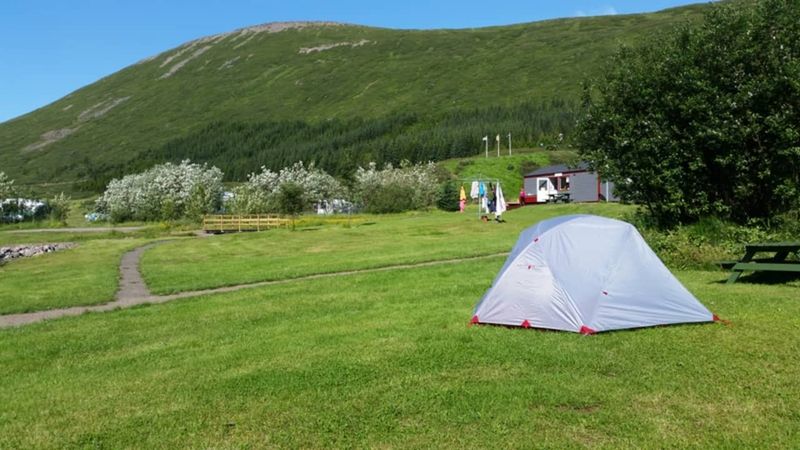
Látrabjarg, Europe's largest bird cliff and its westernmost point, is a magnificent natural wonder where millions of seabirds nest annually. This dramatic coastline, as captured in the image, offers an unparalleled spectacle of nature's raw power and vibrant wildlife. It's a truly unique destination for adventurers and bird enthusiasts alike.
Popular Categories
📍 Top Highlights
- ✓Walking along the edge of the towering cliffs
- ✓Observing puffins and other seabirds at arm's length
- ✓Panoramic views of the Atlantic Ocean and surrounding landscapes
- ✓Photography opportunities of birds and dramatic scenery
- ✓Experiencing the raw, untamed nature of the Westfjords
- ✓Reaching the westernmost point of Europe
📅 Best Time to Visit
The best time to visit Látrabjarg is from May to August, when millions of seabirds, including the iconic puffins, are nesting on the cliffs. During these summer months, the weather is generally milder, and daylight hours are long, maximizing your birdwatching and hiking opportunities.
2089 tours found

Diamond Beach & Jökulsárlón Floating Glacier Guided Day Tour
From $1768.06
Book Now


Private tour of Háifoss, Gjáin, and Sigöldugljúfur, highlands.
From $2017.25
Book Now

Adventurous Vatnajökull Glacier Exploration - Full Day Hike
From $465.15
Book Now⭐
4.8 average rating
🔒
Secure booking
Powered by Viator
💸
Free cancellation
On most tours
❄️
Local experts
Trusted by millions
Complete Travel Guide to Látrabjarg
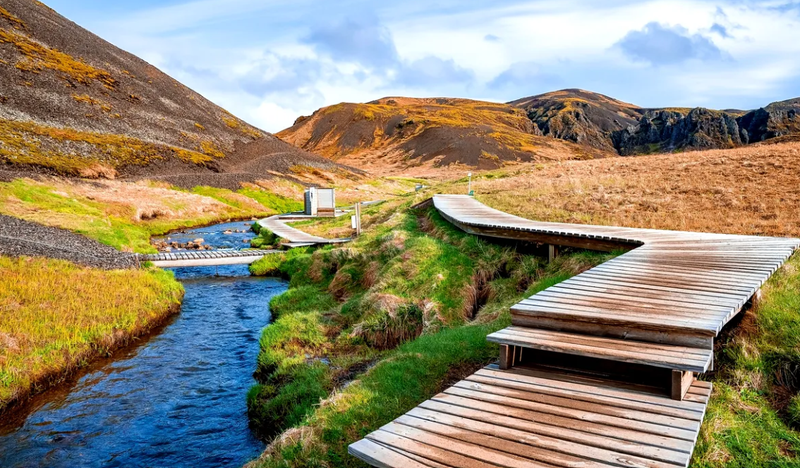
Látrabjarg, Europe's largest bird cliff and its westernmost point, is a magnificent natural wonder where millions of seabirds nest annually. This dramatic coastline, as captured in the image, offers an unparalleled spectacle of nature's raw power and vibrant wildlife. It's a truly unique destination for adventurers and bird enthusiasts alike.
At a Glance
Region: Westfjords
About This Destination
Stretching for 14 kilometers and towering up to 441 meters high, Látrabjarg presents an awe-inspiring vista of sheer rock faces plunging into the churning North Atlantic. The image perfectly captures the vast, green plateau contrasting sharply with the dark, layered rock and the deep blue-green sea. Here, you can safely approach puffins, razorbills, and guillemots nesting on the ledges, creating an unforgettable wildlife experience. The remote location in the Westfjords adds to its allure, promising a tranquil escape amidst breathtaking, untamed beauty.
Famous For
Did You Know?
- Látrabjarg cliffs stretch for 14 km and reach up to 441 meters in height.
- It's the largest bird cliff in Europe and the westernmost point of Iceland and Europe.
- Millions of birds, including puffins, razorbills, and guillemots, nest here.
- The cliffs are a crucial nesting ground for a significant portion of the world's razorbill population.
- The name Látrabjarg means 'Cliff of the Látra' (Látur refers to a bird's nest).
- Birdwatching is best from May to August when the birds are nesting.
Culture & Local Life
The Westfjords region, home to Látrabjarg, embodies a rugged Icelandic spirit shaped by isolation and a deep connection to the sea. Life here has historically revolved around fishing and farming, fostering a resilient and self-sufficient community. Visitors will find a genuine warmth and hospitality, often in small, picturesque villages like Patreksfjörður or Bíldudalur, where traditions are cherished. The local culture is also deeply intertwined with nature, with a profound respect for the environment and its resources. Stories of seafarers, explorers, and the harsh beauty of the landscape are woven into the fabric of daily life. Experiencing Látrabjarg is not just about the birds; it's about connecting with a part of Iceland where time seems to slow down, allowing you to appreciate the raw, untamed beauty and the hardy individuals who call this remote corner home.
Top Things to Do
- Go birdwatching for puffins, guillemots, and razorbills
- Hike along the designated cliff-top trails for stunning views
- Capture breathtaking photographs of the cliffs and ocean
- Visit the nearby villages and learn about local life
- Explore the golden sands of Rauðasandur beach (nearby)
- Enjoy the serene solitude of this remote natural wonder
- Drive the scenic routes through the Westfjords to reach Látrabjarg
Hidden Gems
- Rauðasandur Beach: A unique golden-red sand beach contrasting with typical black sands.
- Garðar BA 64: Iceland's oldest steel ship, beached nearby, offering a surreal photo opportunity.
- Bjargtangar Lighthouse: The actual westernmost point, offering even more solitude and dramatic views.
Explore Látrabjarg
Suggested 3-Day Itinerary
Day 1: Arrive at Patreksfjörður, the closest town with amenities, and settle into your accommodation. In the afternoon, drive the scenic route towards Látrabjarg, taking in the dramatic Westfjords landscape. Dedicate your late afternoon and early evening to exploring the main section of the bird cliffs, marveling at the sheer drop and the myriad of nesting birds, especially the charming puffins.
Day 2: Start your day by revisiting a different section of Látrabjarg or exploring nearby attractions. Drive to Rauðasandur Beach, a stunning golden-red sand beach, perfect for a peaceful walk. Afterwards, visit the Gardar BA 64, the fascinating shipwreck near Patreksfjörður, offering unique photo opportunities before enjoying a local dinner.
Day 3: Before departing the Westfjords, consider a morning visit to Bjargtangar Lighthouse, the actual westernmost point, for a final dose of solitude and breathtaking views. Alternatively, explore the charming village of Bíldudalur or Tálknafjörður, enjoying the local atmosphere and perhaps a dip in a geothermal pool before heading out of the region.
Practical Information
- Best Time: The best time to visit Látrabjarg is from May to August, when millions of seabirds, including the iconic puffins, are nesting on the cliffs. During these summer months, the weather is generally milder, and daylight hours are long, maximizing your birdwatching and hiking opportunities.
- Transport: Reaching Látrabjarg requires a car, as it's located in the remote Westfjords. The roads leading to the cliffs can be gravel and sometimes challenging, especially the final stretch, but are generally well-maintained during summer. Allow ample time for travel, as distances are long and speeds are often limited.
- Budget: Mid-range
- Suggested Duration: 2-3 days