Iceland · Travel Guide 2026
Things to Do in Askja
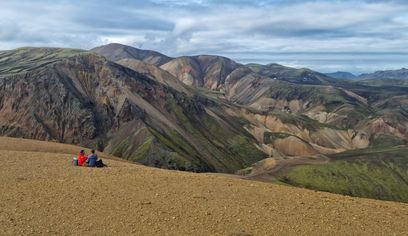
Askja, a remote and awe-inspiring volcanic caldera in Iceland's highlands, offers an otherworldly landscape that feels like stepping onto another planet. Home to the vast Öskjuvatn lake and the inviting Víti geothermal crater, it's a true wilderness adventure for those seeking unique natural wonders. This desolate yet breathtaking region promises an unforgettable journey into the raw power of Iceland's geology.
Popular Categories
📍 Top Highlights
- ✓Öskjuvatn lake
- ✓Víti geothermal crater
- ✓Drekagil (Dragon Gully)
- ✓Panoramic views from the caldera rim
- ✓The surrounding desolate lava fields
📅 Best Time to Visit
The best time to visit Askja is from mid-June to mid-September. During this period, the F-roads leading to the caldera are typically open, and the weather is most favorable for hiking and exploring the remote wilderness. Visiting outside these months is generally not possible due to snow and impassable roads.
2089 tours found

Private Silfra Snorkeling 6 p. group - Meet on Location - with Underwater Photos
From $899
Book Now
Private Jökulsárlón Glacier Lagoon 2 Day Tour & Glacier Hike
From $7240
Book Now

Reykjavík All In One Food Tour - Eat, Drink & Explore with Locals
From $207.66
Book Now
Reykjavik Private Northern Lights Tour with Pro Photographer
From $1649.4
Book Now


Iceland: Diamond Beach Glacier Lagoon Black Sand Beach 冰岛冰河湖中文一日团
From $229.9
Book Now⭐
4.8 average rating
🔒
Secure booking
Powered by Viator
💸
Free cancellation
On most tours
❄️
Local experts
Trusted by millions
Complete Travel Guide to Askja
Askja, a remote and awe-inspiring volcanic caldera in Iceland's highlands, offers an otherworldly landscape that feels like stepping onto another planet. Home to the vast Öskjuvatn lake and the inviting Víti geothermal crater, it's a true wilderness adventure for those seeking unique natural wonders. This desolate yet breathtaking region promises an unforgettable journey into the raw power of Iceland's geology.
At a Glance
Region: North Iceland
About This Destination
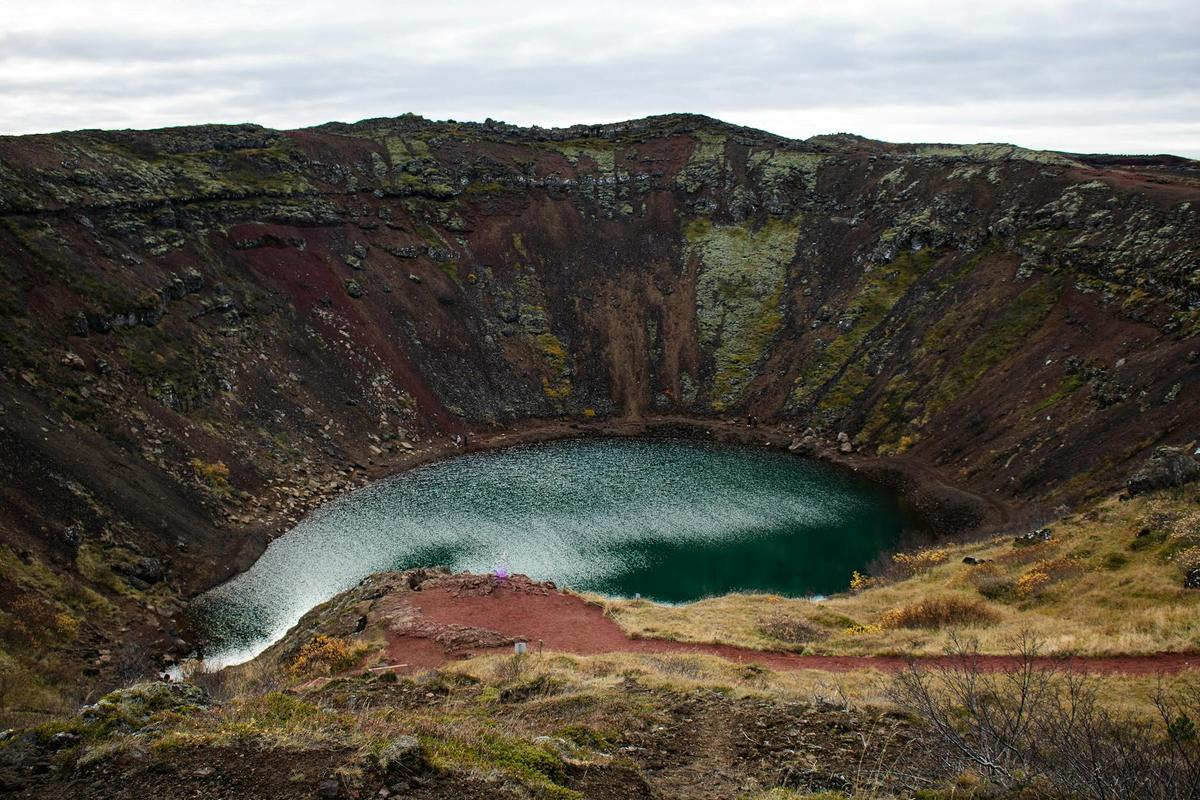
The image perfectly captures Askja's dramatic beauty, showcasing the immense, serene Öskjuvatn lake stretching into the distance, bordered by rugged, dark volcanic terrain. In the foreground, the smaller, milky-blue Víti crater lake, a popular spot for a geothermal dip, gleams invitingly amidst the stark landscape. Wisps of steam rising from distant vents hint at the powerful geothermal forces simmering beneath the surface. The stark, desolate beauty of the caldera, sculpted by ancient eruptions, creates an unforgettable experience of raw, untamed nature, making it a must-visit for adventurers.
Famous For
Did You Know?
- Öskjuvatn is Iceland's second-deepest lake, reaching depths of 220 meters.
- Víti means 'hell' in Icelandic, named for its violent formation in 1875.
- NASA astronauts trained here for the Apollo moon missions due to its lunar landscape.
- The last major eruption at Askja occurred in 1961.
- The caldera formed primarily during a massive eruption in 1875.
- Access to Askja is only possible during the summer months, typically June to October.
Culture & Local Life
Askja lies deep within Iceland's uninhabited central highlands, a region where 'local culture' translates into a profound respect for nature and a spirit of self-reliance. Visitors here connect with the land in its purest form, experiencing the raw, untamed heart of Iceland far from urban centers. It's a place that embodies the adventurous spirit of exploration and the understanding of powerful geological forces that have shaped this island. The nearest communities are hours away, so the 'culture' experienced here is one of solitude, awe, and a shared appreciation among fellow travelers for the remote beauty and challenges of the Icelandic wilderness. It reflects the resilience and deep connection to nature characteristic of the Icelandic people, who navigate and thrive in such a dynamic environment.
Top Things to Do
- Hike to Víti crater and take a geothermal bath
- Explore the vast Askja caldera and its unique geology
- Photograph the stunning contrasts of the blue lakes and dark volcanic rock
- Experience F-road driving through Iceland's central highlands
- Visit Drekagil (Dragon Gully) and its intriguing rock formations
- Witness the raw, untamed beauty of the highland wilderness
Hidden Gems
- Trekking further into the Askja caldera for a deeper sense of isolation
- Exploring the lesser-known lava formations and fissures around the main craters
- Discovering the 'oasis' areas with unexpected patches of vegetation in the stark landscape
Explore Askja
Suggested 3-Day Itinerary
Day 1: Arrive at Drekagil mountain hut, your base for exploring Askja. After settling in, embark on the scenic 2.5 km hike to the Askja caldera from the parking area. Spend the afternoon marveling at the vast, deep blue Öskjuvatn lake and the inviting, milky-blue Víti crater. Take a rejuvenating dip in Víti's warm geothermal waters, soaking in the unique volcanic surroundings.
Day 2: Dedicate the morning to further exploration of the Askja area. Consider a longer hike around the caldera rim for panoramic views, or venture towards more remote sections to fully appreciate its immense scale. In the afternoon, drive to the nearby Drekagil (Dragon Gully) and explore its fascinating rock formations and small waterfalls, imagining the trolls and dragons said to inhabit this mystical place.
Day 3: Before departing, take a scenic drive towards Herðubreið, the 'Queen of Icelandic Mountains,' admiring its iconic table-top shape and the surrounding lava fields. Depending on your onward journey, you might explore parts of the Holuhraun lava field (from the 2014-2015 eruption) from a distance, witnessing the raw, recent geological activity that continues to shape this region, before heading out of the highlands.
Practical Information
- Best Time: The best time to visit Askja is from mid-June to mid-September. During this period, the F-roads leading to the caldera are typically open, and the weather is most favorable for hiking and exploring the remote wilderness. Visiting outside these months is generally not possible due to snow and impassable roads.
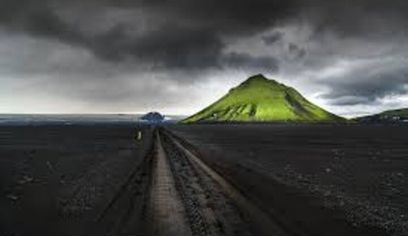
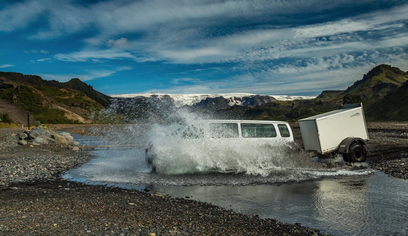
- Transport: Reaching Askja requires a sturdy 4x4 vehicle capable of navigating challenging F-roads, as well as several river crossings. The main routes are F88 or a combination of F905/F910. Guided tours operating from Akureyri or Myvatn are also a popular and recommended option for those unfamiliar with highland driving.
- Budget: Mid-range to Luxury
- Suggested Duration: 2-3 days
- Best Season: year-round
FAQ
Is it safe to visit volcanic sites in Iceland?
Most volcanic sites are safe when you stay on marked trails. Always check SafeTravel.is for current volcanic activity alerts.
Do I need a guide to visit this site?
Many volcanic sites can be visited independently, but guided tours offer valuable geological insight and enhanced safety.
Can I visit in winter?
Access depends on the specific site and road conditions. Check road.is for current conditions before your visit.