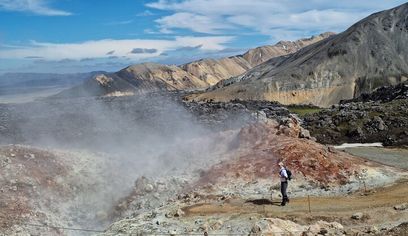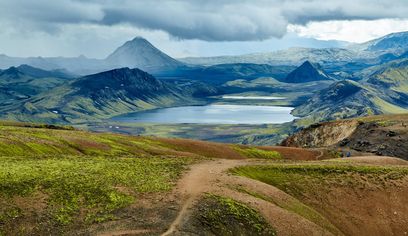
Essential knowledge
什么是F路?
F路(fjallvegir,意为山路)是冰岛内陆高地的未铺砌道路,仅在夏季开放,通常从六月下旬到九月,具体取决于积雪融化和天气情况。
所有以字母F开头的道路依法要求四驱车辆。在标准两驱汽车上行驶F路是违法的,会使您的租车保险失效——您将承担所有损失的个人责任,损失金额可能轻松超过100万冰岛克朗(7000欧元以上)。
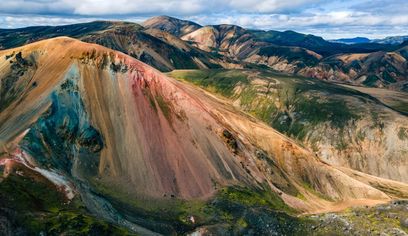
F路可能包括无桥深河渡口、陡坡、松散砾石、坑洼和突然的天气变化。回报是什么?进入冰岛最非凡的景观——流纹岩山脉、火山口湖和地球上其他地方找不到的地热区域。
驾驶任何F路前
- 出发当天在road.is查看道路状态——道路可能在一夜之间关闭
- 在safetravel.is登记您的路线,以便救援队知道您的计划
- 在vedur.is查看天气预报——不要在橙色或红色预警时进入
- 确保您的车辆是四驱——检查租车合同是否涵盖F路
- 携带足够的燃料——高地没有加油站
Route guide
主要F路一览
点击任意路线查看详细信息。
| 道路 | 目的地 | 难度 | 河流渡口 | 开放时间 | 距离 |
|---|---|---|---|---|---|
| F35 | Kjölur Route | Easy | No major crossings | Early June | ~170 km |
| F208 (North) | Landmannalaugar — North approach | Moderate | Minor crossings | Mid-June | ~50 km |
| F208 (South) | Landmannalaugar — South approach | Difficult | Yes — multiple, can be deep | Late June – July | ~40 km from Hella |
| F88 | Askja Route | Difficult | Yes — Lindaá and others | Late June – July | ~100 km from Mývatn |
| F26 | Sprengisandur | Challenging | Yes | July | ~200 km |
| F225 | Landmannaleið | Moderate | Yes — Tungnaá | Late June | ~80 km |
| F249 | Þórsmörk Route | Difficult | Yes — multiple glacial rivers | Late June | ~25 km from Ring Road |
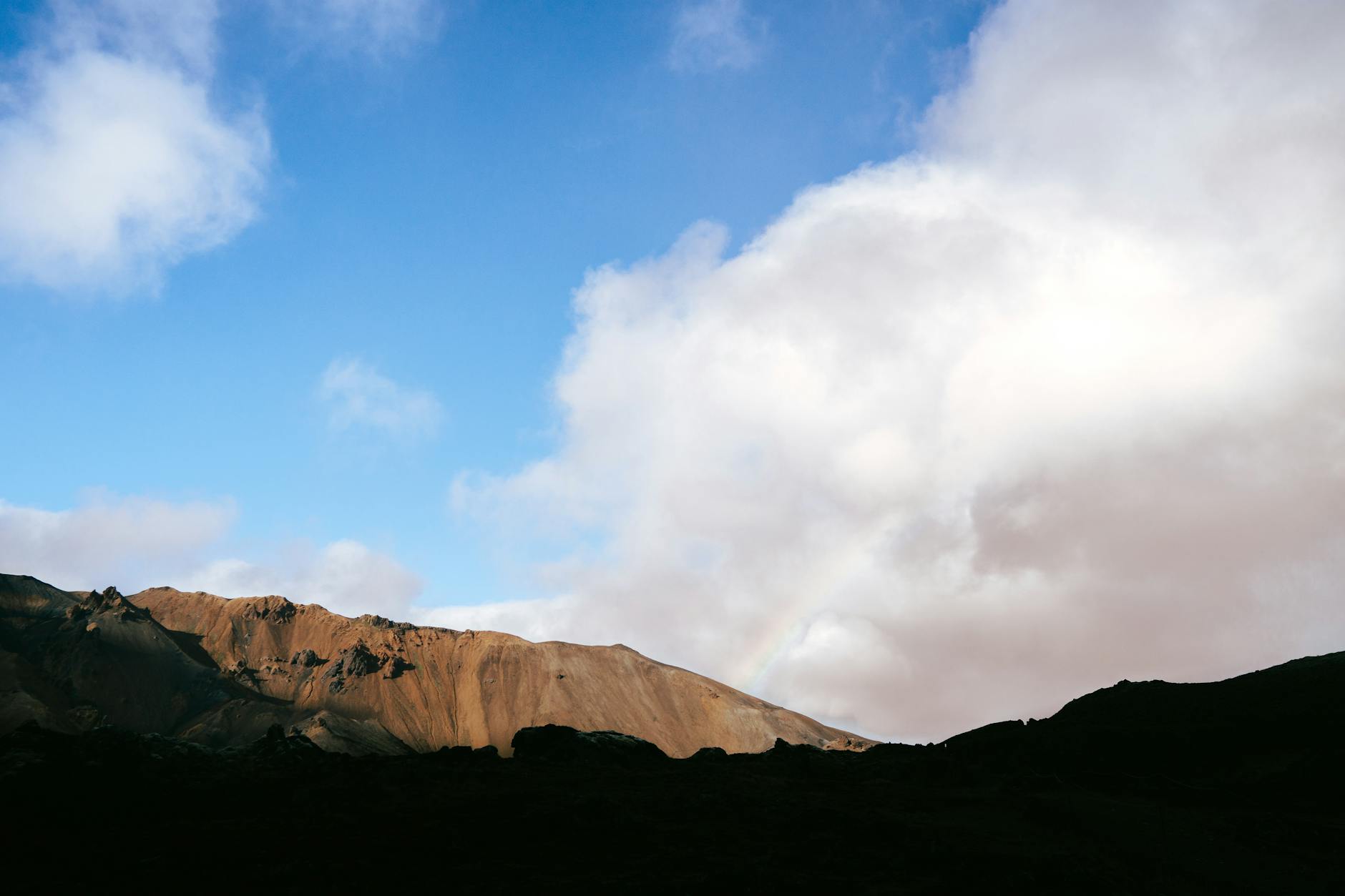
Kjölur Route
EasyThe most accessible highland route, running between Gullfoss and Blönduós past Hveravellir geothermal area. No major river fords. Best for first-time highland drivers.
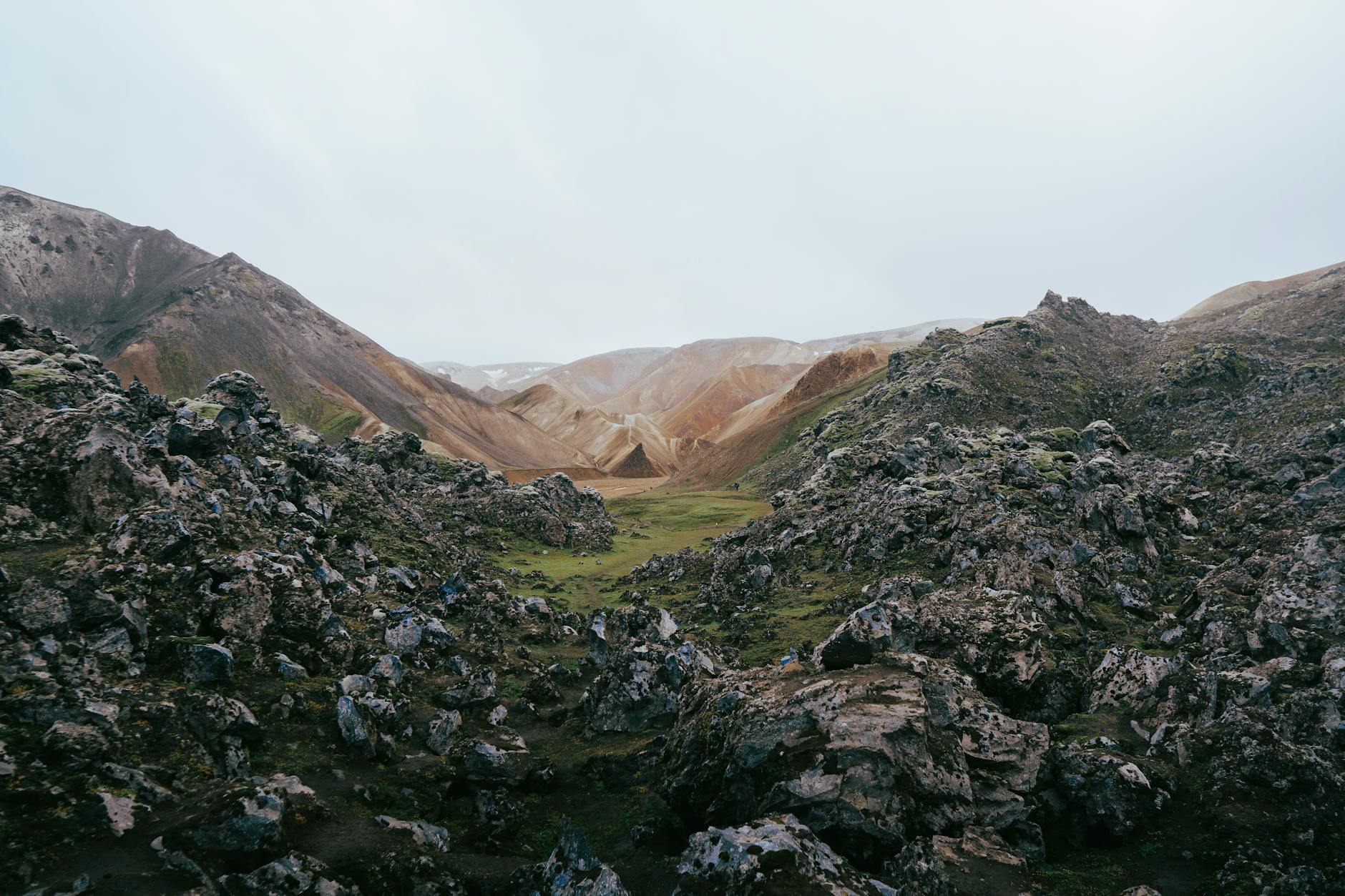
Landmannalaugar — North approach
ModerateNorthern access to Landmannalaugar from the Sprengisandur direction. Fewer river crossings than the southern approach.
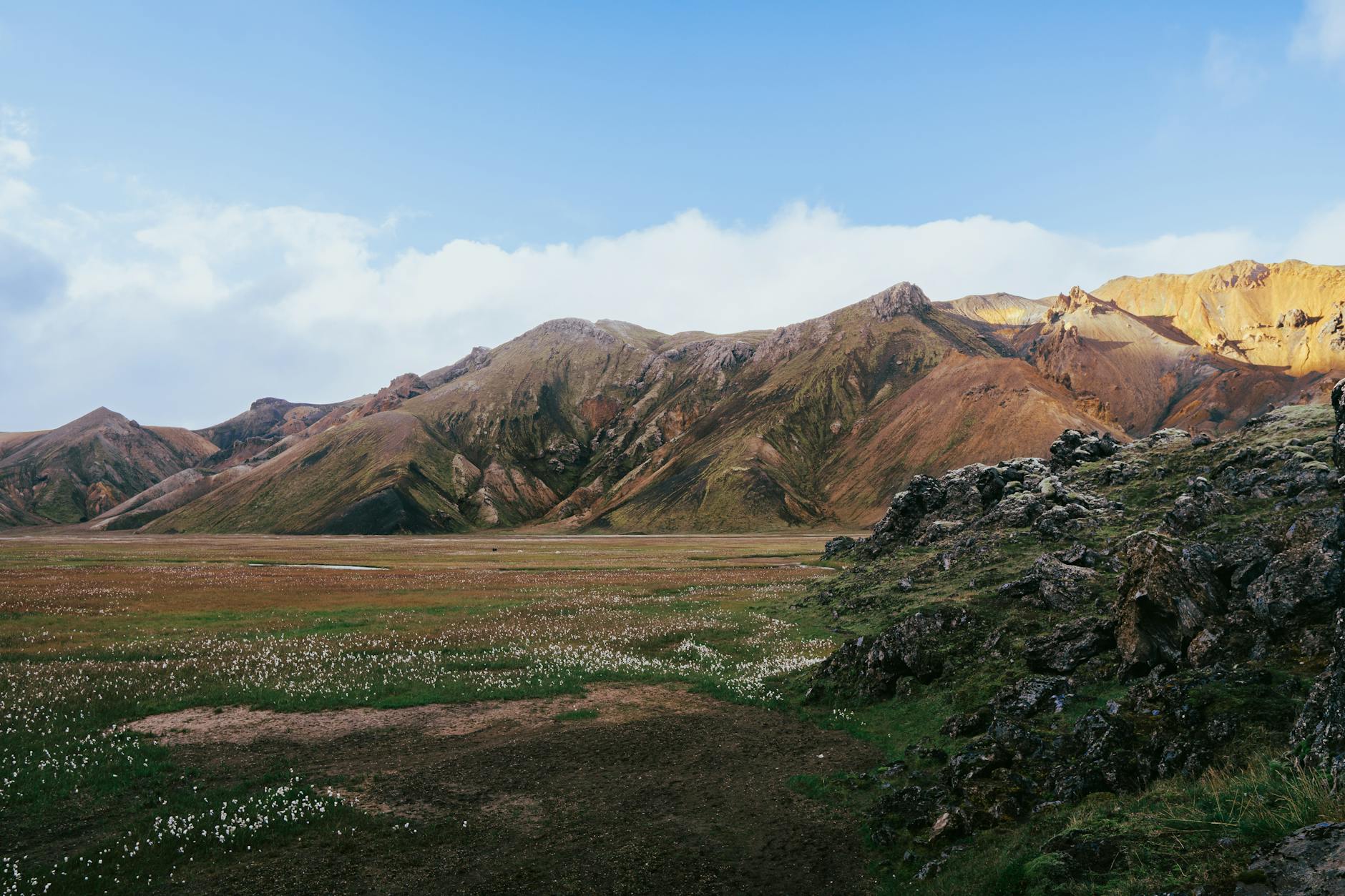
Landmannalaugar — South approach
DifficultMost popular access route to Landmannalaugar from the south. Includes the Krossá river and several other fords that can be challenging after rain.
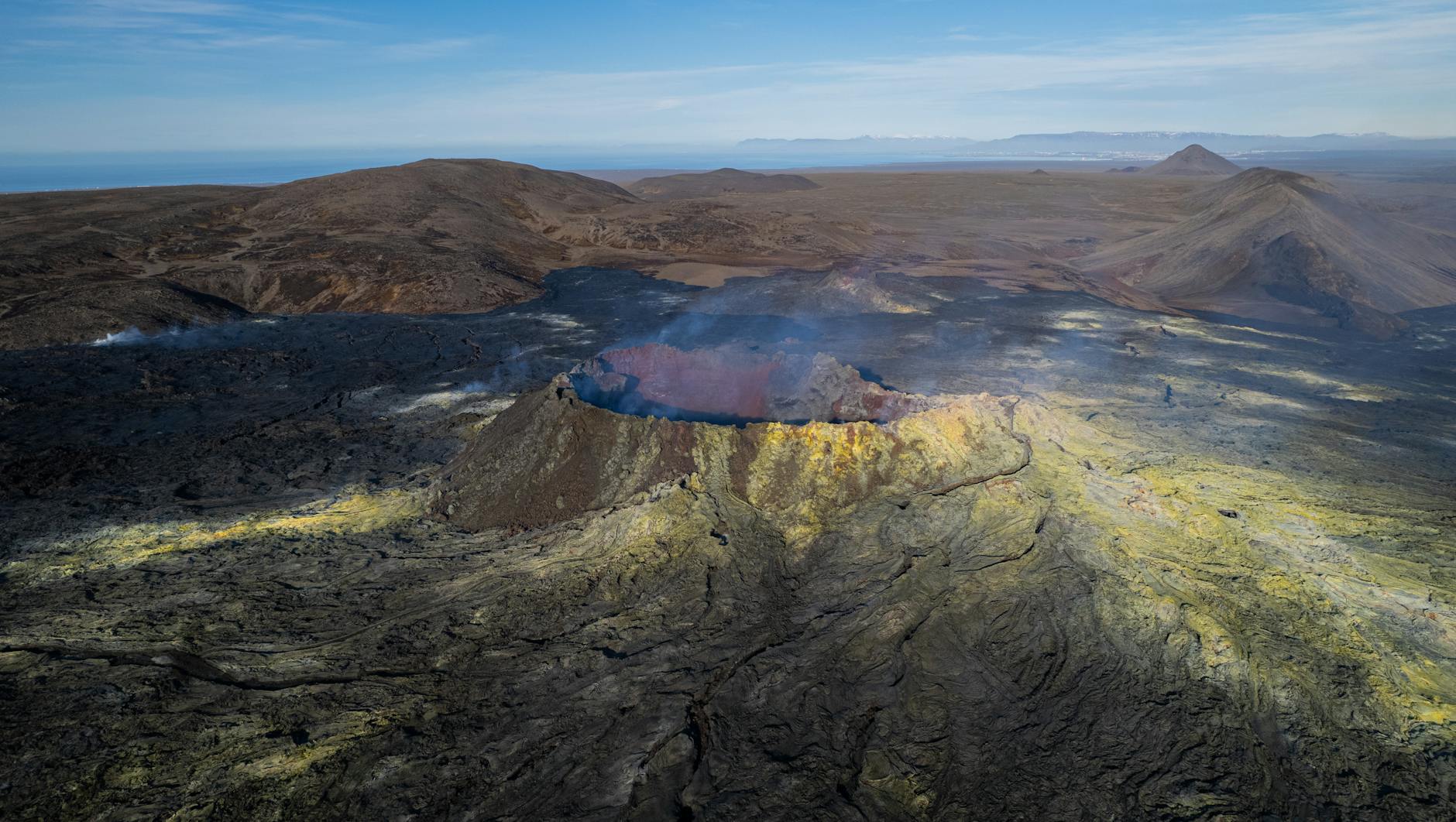
Askja Route
DifficultRemote volcanic route to Askja caldera from Mývatn. Includes the famous Lindaá river crossing which can be waist-deep in meltwater season. One of Iceland's most demanding drives.
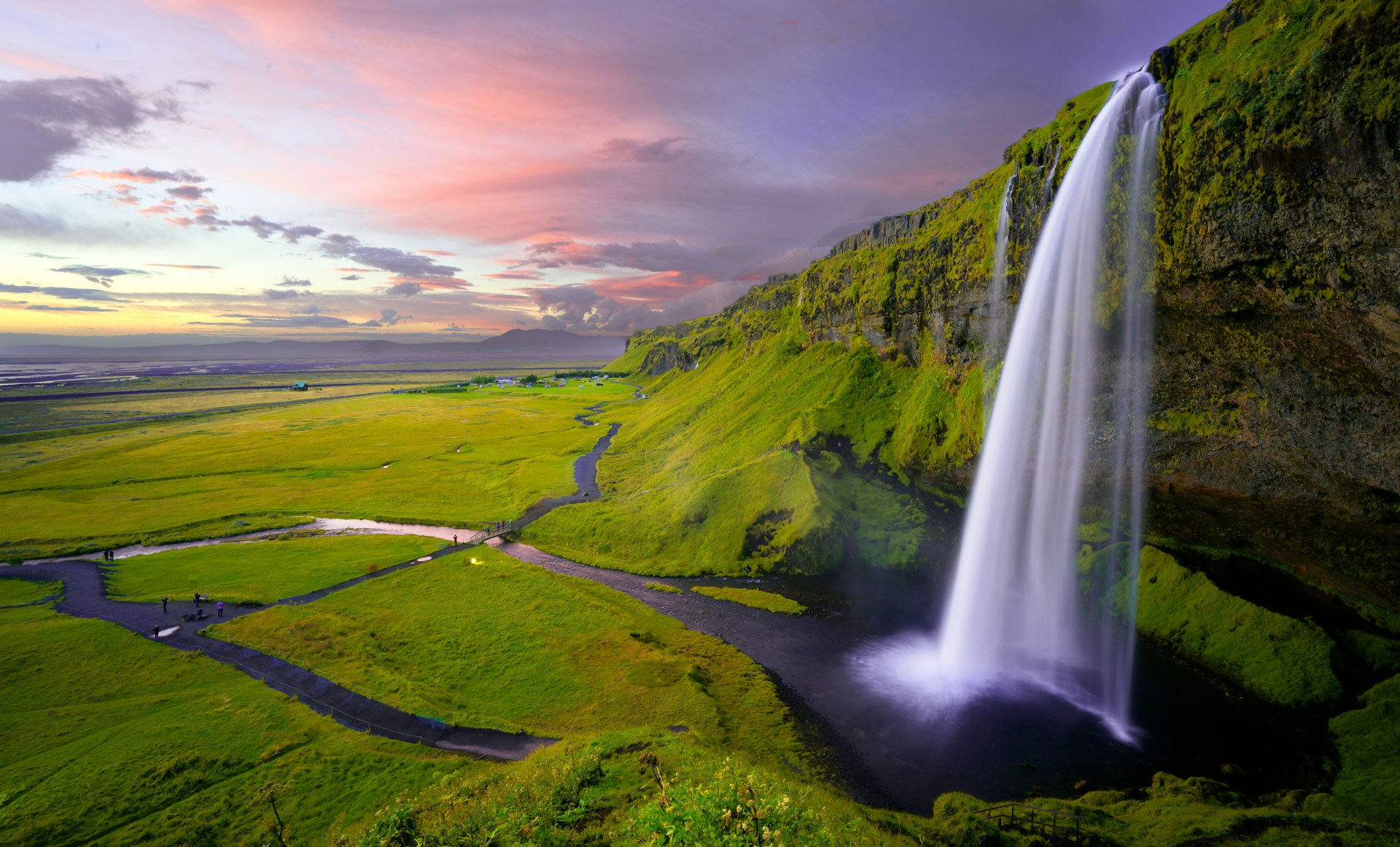
Sprengisandur
ChallengingIceland's great north-south highland crossing over a bleak lava desert between the Vatnajökull and Hofsjökull glaciers. No services at all. Fuel and supplies must be carried.
Landmannaleið
ModerateAlternative access to Landmannalaugar from the west, crossing the Tungnaá glacier river. More scenic than F208 south but equally challenging.
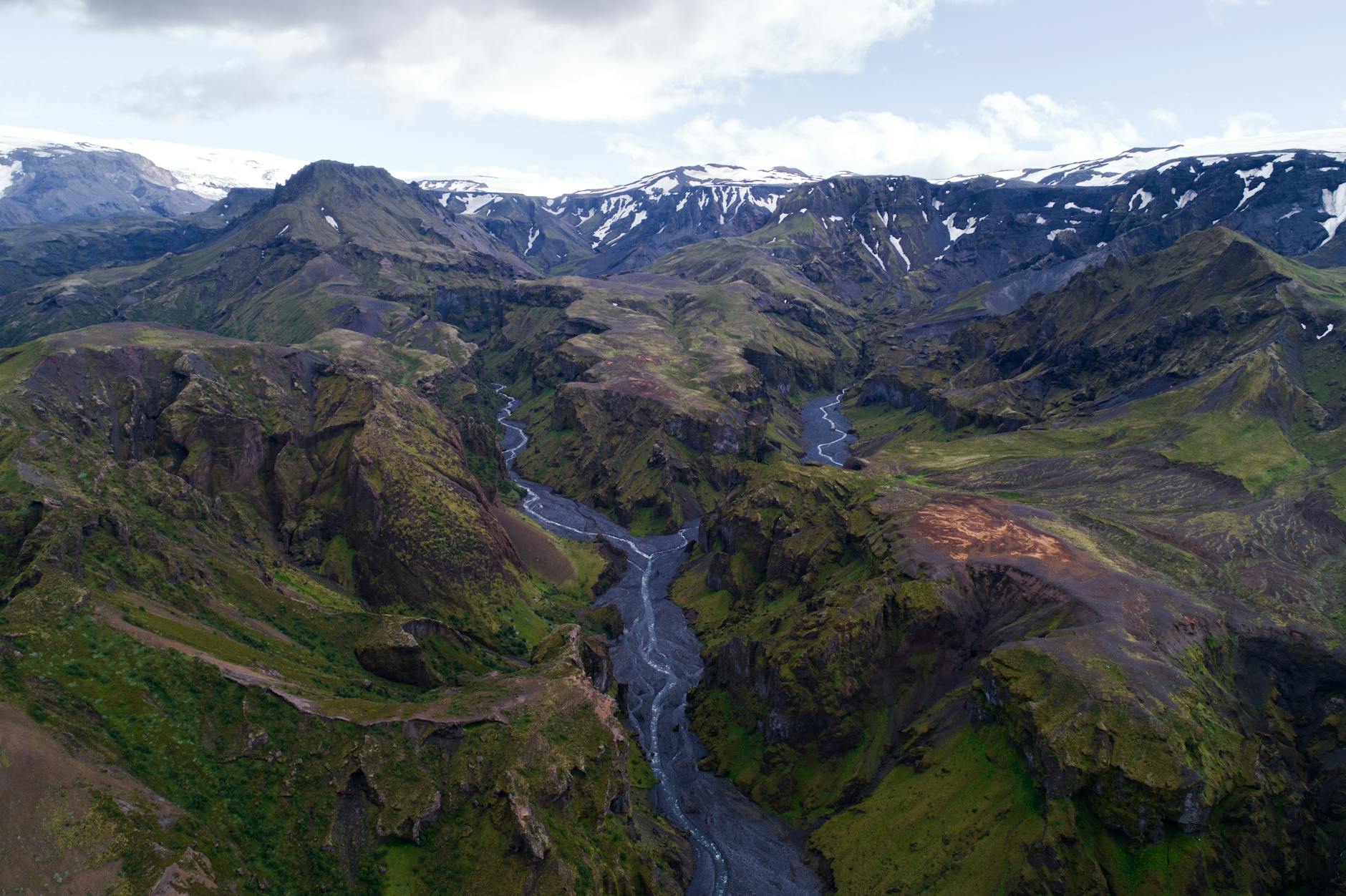
Þórsmörk Route
DifficultShort but demanding route to Þórsmörk valley. The last 10 km involve multiple glacial river crossings that can be extremely hazardous. Highland buses are recommended.
Your vehicle
我能开这条路吗?
关于F路最常见的问题。以下是按车型划分的简明说明。
Toyota Yaris / small car
2WD city car ✗ 不可以Not permitted on any F-road. Insurance void. Rental companies will charge full cost of any damage.
Toyota RAV4 / Dacia Duster
Small 4×4 SUV ⚠ 视情况Fine for F35 Kjölur and F208 north. Can struggle on deeper river crossings (F88, F249). Check ground clearance and rental agreement.
Toyota Land Cruiser / Ford Ranger
Large 4×4 / high clearance ✓ 可以Suitable for all F-roads including F88 and F249. Ideal for river crossings. Most common rental for highland travel.
Suzuki Jimny
Small 4×4 ⚠ 视情况High clearance and capable off-road. Good for most F-roads but small — not for very deep rivers. Very popular rental.
Standard campervan
2WD campervan ✗ 不可以Not permitted on F-roads. Standard campervans are 2WD and have no ground clearance. Must stay on paved roads.
4×4 campervan
4WD campervan ⚠ 视情况Permitted on most F-roads but check your rental agreement — many prohibit river crossings. Long wheelbase limits access to F249 and F88.
Safety guide
渡河指南
河流渡口是F路驾驶中最危险的环节。水深和水流可能在数小时内变化——冰川融水在下午达到峰值。
.jpg)
.jpg)
停车先步行试探
Never drive in without checking on foot. Wade across to feel depth, current and the bottom surface. If it's above your knee, it may be too deep for your vehicle.
在最宽处渡河
Water spreads out at the widest section, making it shallower and the current weaker. Avoid narrow channels where water runs fast and deep.
选择合适的时间渡河
Glacial rivers rise in the afternoon as melt increases with daytime heat. Cross in the morning when levels are at their lowest.
使用低速挡,保持稳定速度
Select 4WD low range. Enter at an angle upstream. Keep a constant speed — never accelerate suddenly or you may stall with water in the engine.
如果熄火:不要立即重新启动
If the engine stalls in water, do not try to restart — you risk hydrolocking the engine. Wait for rescue. Stay in the vehicle if there is a current risk.
如有疑虑:掉头返回
There is no route in Iceland that is worth risking your life for. Recovery costs 200,000–500,000 ISK minimum. Turn around and try again later or choose an alternative route.
保险警告
冰岛几乎所有租车合同都明确将河流渡口排除在所有保险级别之外。如果您的车辆在河中损坏或被冲走,您需承担全部责任。仅救援费用就需20万至50万冰岛克朗;车辆损坏可能超过100万冰岛克朗。
Planning
F路开放日期
通常开放日期——每年因冬季降雪量不同而相差2-4周。出发前请务必在road.is确认。
来源:Vegagerðin(冰岛道路管理局)— road.is
| 道路 | 通常开放时间 | 备注 |
|---|---|---|
| F35 Kjölur | Early June | Most reliable opening. Often first highland road to open. |
| F208 (North) | Mid-June | Depends on snow melt. Check road.is before departure. |
| F208 (South) | Late June – July | River levels highest in June. July safer for crossings. |
| F225 | Late June | Tungnaá river level depends on glacier melt. |
| F88 Askja | Late June – July | One of the last to open. Verify on road.is. |
| F249 Þórsmörk | Late June | Rivers can be dangerous even after opening — buses recommended. |
| F26 Sprengisandur | July | Last major road to open. Can close again in bad weather. |
Where to go
F路通向哪里?
F路本身不是目的地——它们是进入冰岛某些最非凡景点的唯一途径。
Landmannalaugar
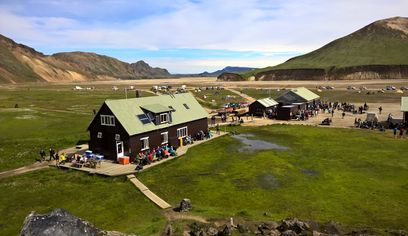
F208 / F225Colourful rhyolite mountains and natural hot spring. Start of the Laugavegur trail.
ExploreÞórsmörk
F249Glacier valley ringed by rivers. End point of the Laugavegur trail.
ExploreAskja
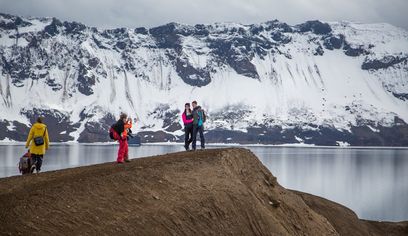
F88Remote volcanic caldera with a warm crater lake for bathing.
Explore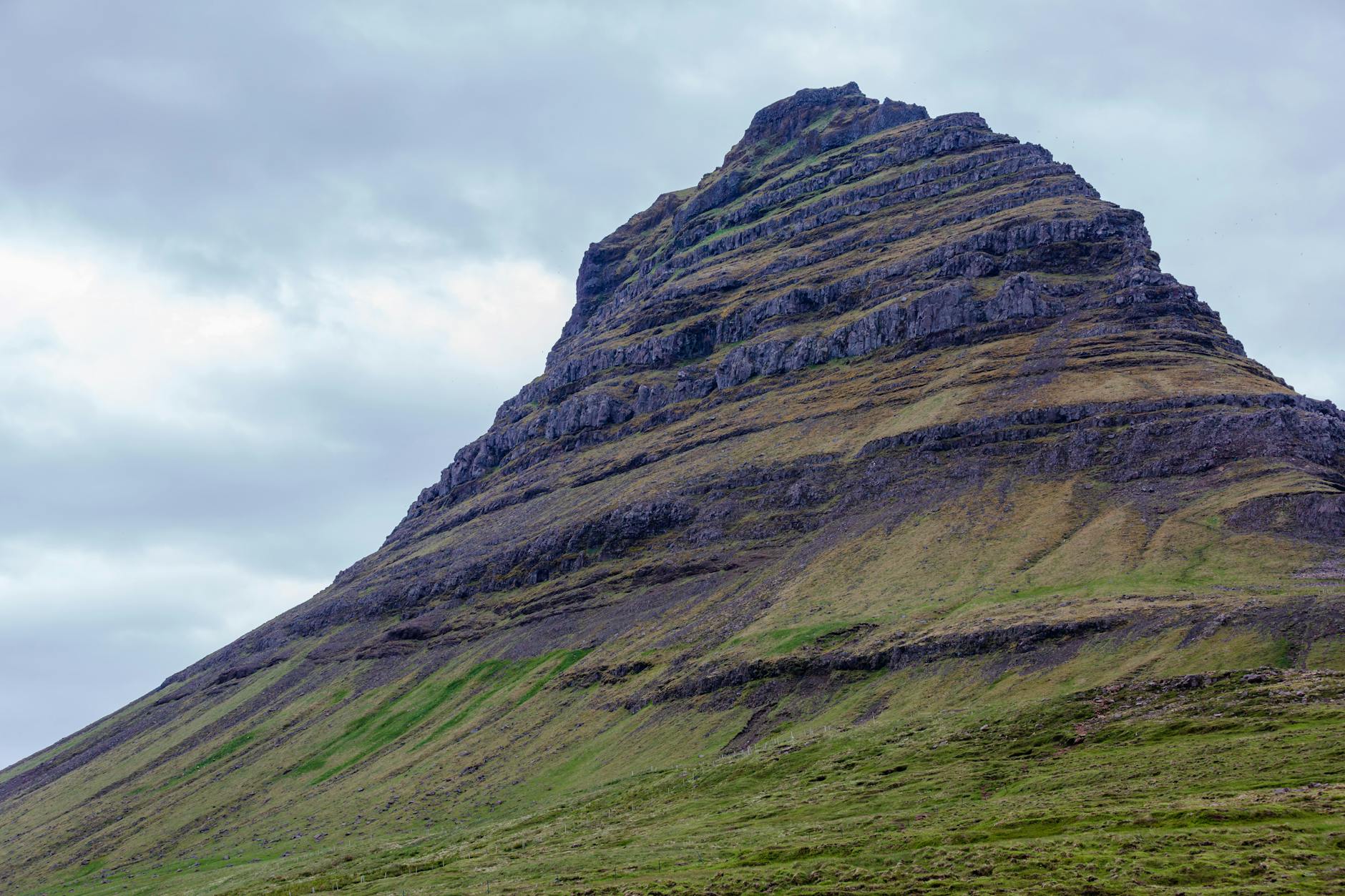
Kerlingarfjöll
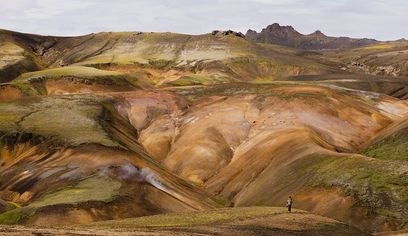
F35 (Kjölur)Dramatic mountain range with geothermal fields. Accessible via the easiest highland route.
Explore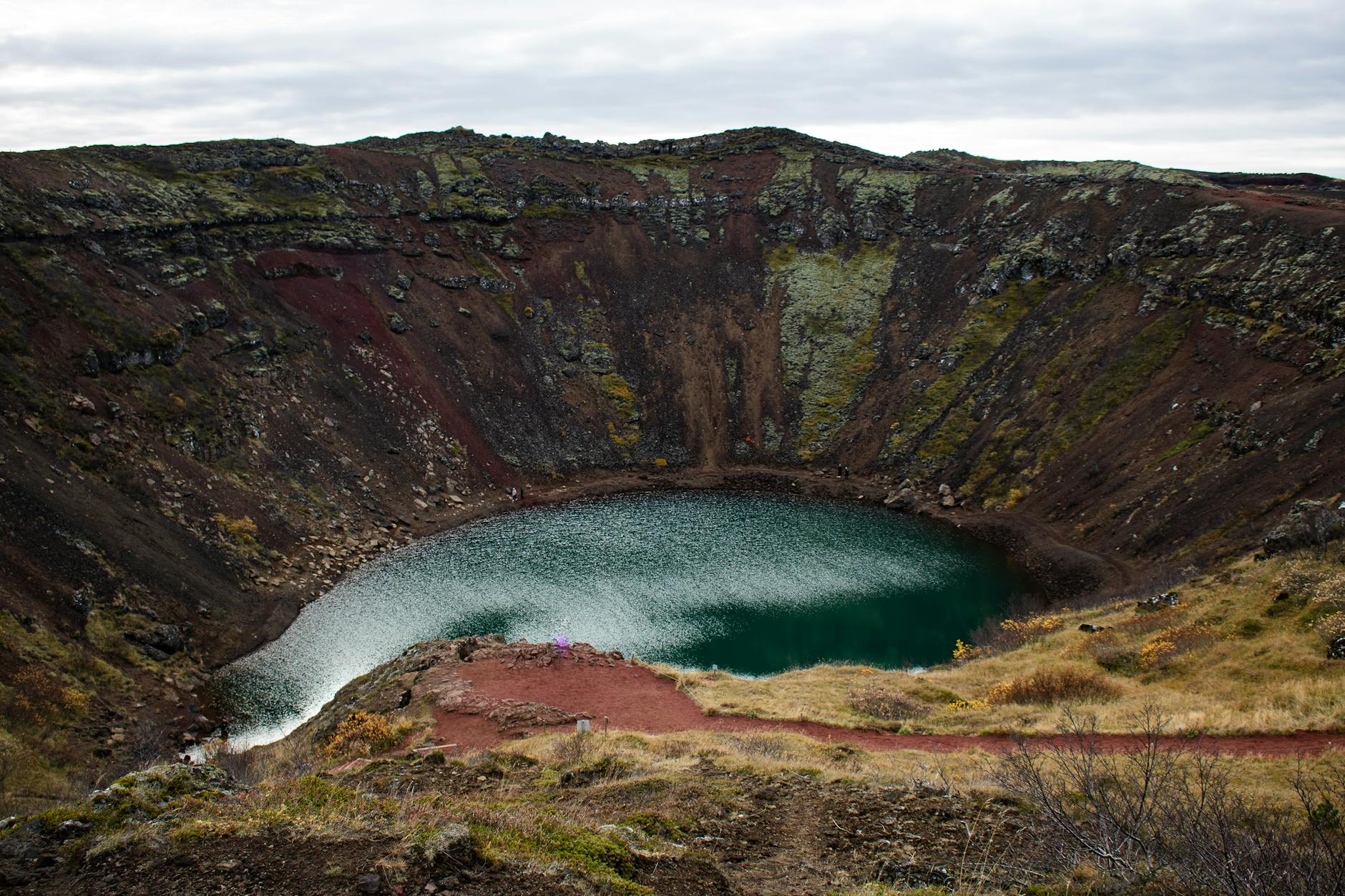
Hveravellir
F35Geothermal hot spring in the centre of the highlands. Natural bathing pool.
Explore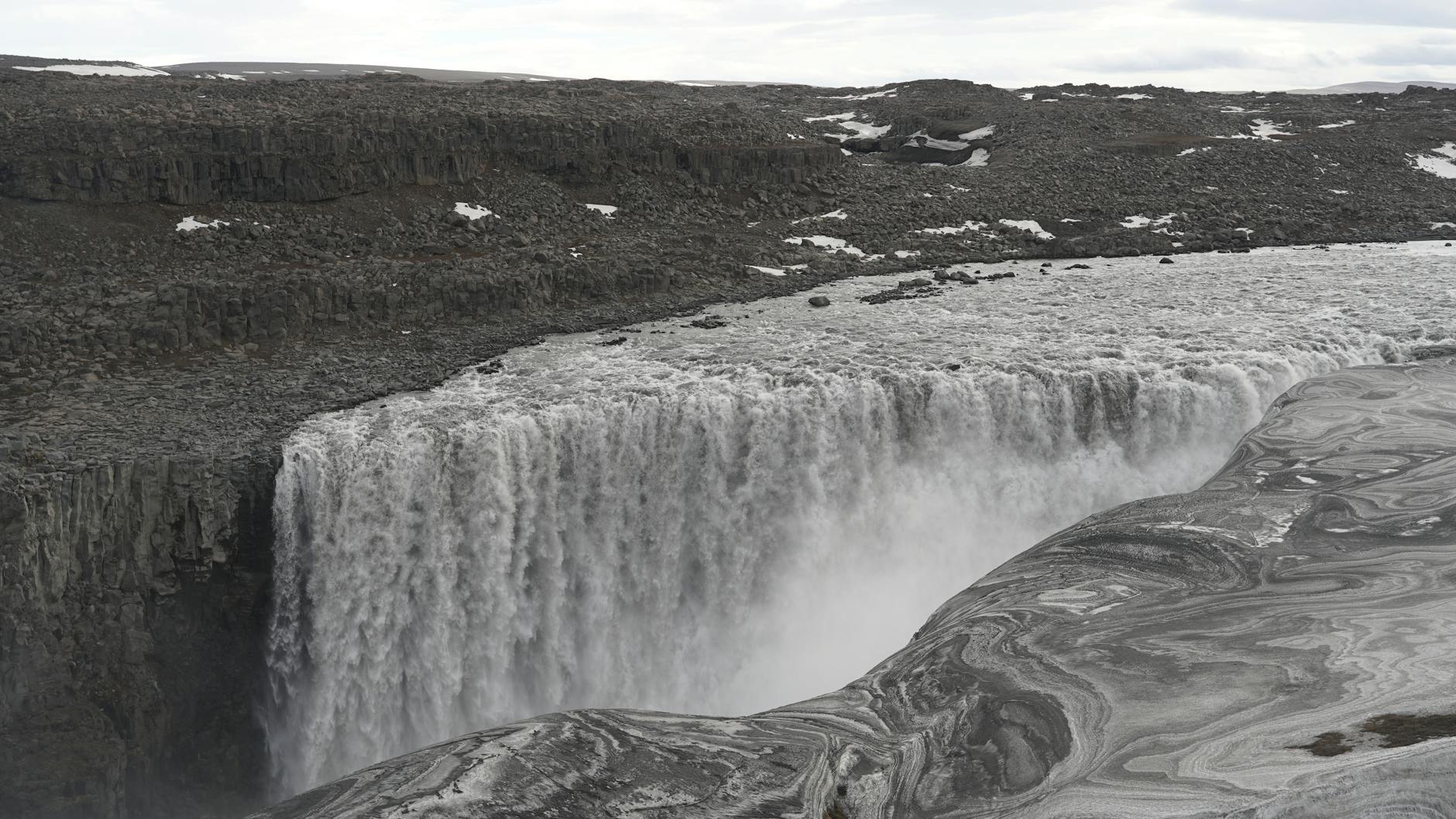
Sprengisandur
F26Iceland's great lava desert — a 200 km crossing between two glaciers. No services.
ExploreFAQs
常见问题
旅行者关于F路的所有问题——诚实解答。
Are F-roads dangerous?+
They can be. F-roads are unsurfaced mountain roads with no guardrails, steep drops and river crossings. Every year dozens of vehicles get damaged or stranded. With the right vehicle, preparation and respect for conditions, they are manageable — but never take them lightly.
Do rental cars cover F-road driving?+
Most rental companies permit 4×4 vehicles on F-roads but exclude river crossings from their insurance. If your vehicle is damaged in a river crossing, you are typically liable for the full cost (often 500,000–1,500,000 ISK). Always read the rental agreement carefully and consider purchasing extra protection.
What is the easiest F-road in Iceland?+
F35 Kjölur is widely considered the easiest major highland route. It runs north-south through the interior with no major river crossings, is usually the first to open (early June) and is suitable for most competent 4×4 drivers.
Can I drive F-roads in September?+
Some F-roads remain open in September, but conditions deteriorate and closures can happen with little warning. F35 typically stays open until mid-September. F88 and F26 may close earlier. Always check road.is on the day of travel. First snowfall can close roads overnight.
Do I need a 4x4 for all F-roads?+
Yes. By Icelandic law, all roads beginning with 'F' require a 4-wheel-drive vehicle. Driving on F-roads in a 2WD vehicle invalidates your insurance and violates road law. Even if conditions look fine, you will not be covered for any damage.
Can campervans drive F-roads?+
Only 4×4 campervans are permitted, and even then most rental companies restrict them from river crossings. Standard 2WD campervans cannot legally enter F-roads. For highland camping, consider parking a 4×4 and using highland buses for Þórsmörk and Landmannalaugar.
Are river crossings covered by insurance?+
Usually not. Most rental agreements explicitly exclude river crossings from all insurance cover — including the most expensive Super CDW packages. If your vehicle is swept away or flooded, you pay. The only exception is some specialist expedition rental companies.
When do F-roads open?+
F35 Kjölur typically opens in early June. Most other major routes open late June to July depending on snowmelt. F88 (Askja) and F26 (Sprengisandur) are often last, opening in July. Dates vary significantly year to year — always check road.is before travel.
官方资源
继续探索
🌌 See the Northern Lights
Track real-time aurora activity and plan your Northern Lights trip with AuroraVision.
Find Hotels in Iceland
From cozy Reykjavík guesthouses to remote Highland lodges — thousands of properties with free cancellation and best price guarantee.
导览体验
冰岛一日游与多日游
黄金圈、极光追踪、观鲸、冰川徒步、熔岩洞穴游览等精彩活动,按您的方式探索冰岛。