Drangajokull
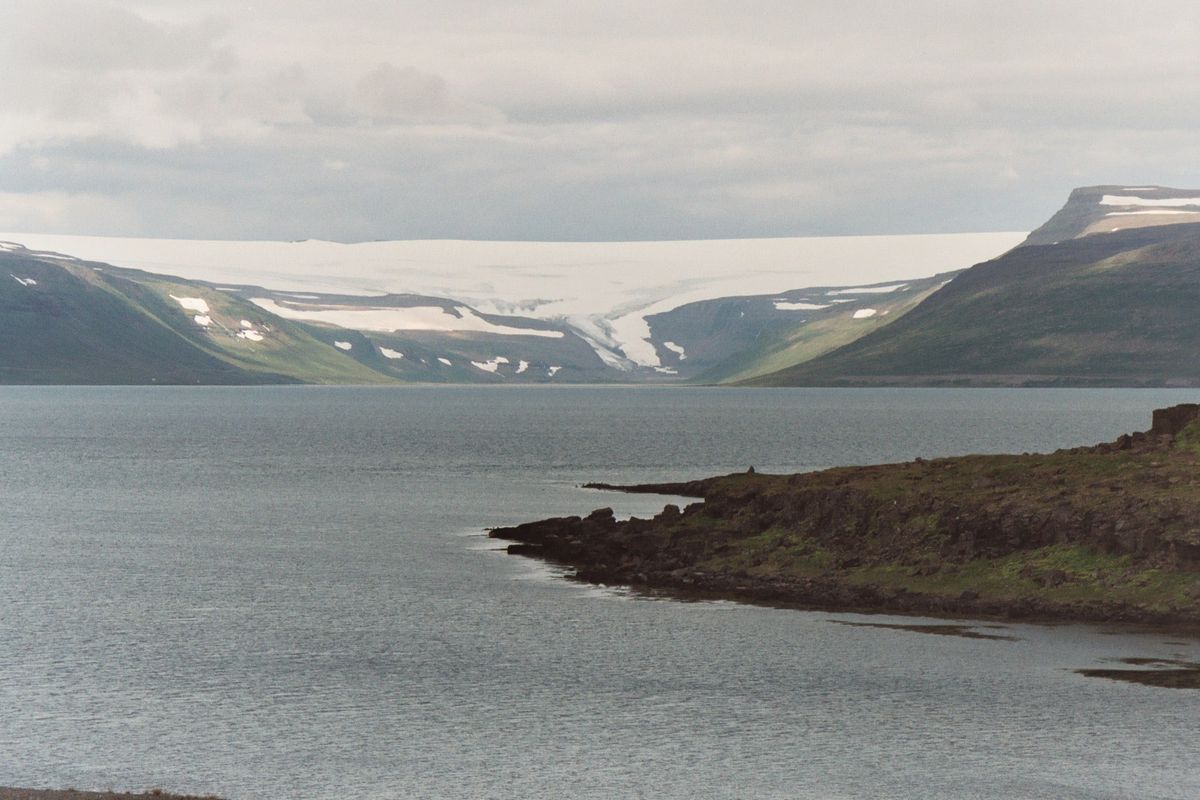
探索德朗加冰川,它是冰岛最北端的大型冰川,坐落在西峡湾崎岖的美景之中。这片令人惊叹的白色广阔冰川,在宁静的水域中倒映出其壮丽的身影,呈现出一种宁静而强大的自然奇观。
At a Glance
Visit time
2–3 hours
Best season
May–September
Access
Reaching Drangajökull typically involves travelling through the remote Westfjords region, often requiring a 4x4 vehicle and careful navigation on gravel roads. Specific access points vary and conditions can be challenging.
GPS
66.1534, -22.2334
About
About Drangajokull
探索德朗加冰川,它是冰岛最北端的大型冰川,坐落在西峡湾崎岖的美景之中。这片令人惊叹的白色广阔冰川,在宁静的水域中倒映出其壮丽的身影,呈现出一种宁静而强大的自然奇观。
Witness Iceland's northernmost large glacier, a pristine natural wonder in the remote Westfjords.
Background
History & Background
德朗加冰川是冰岛最北端的大型冰川,是西峡湾地区重要的地理特征。它的历史主要是地质学上的,由数千年的降雪和冰块堆积而成,构成了冰岛这个偏远地区独特的景观。作为一个主要的冰盖,它世世代代影响着周围地区的地形和气候。 它的存在是冰岛强大自然力量的证明。虽然所提供的信息中没有详细说明与德朗加冰川直接相关的具体历史事件或人类互动,但它的存在无疑是西峡湾人类定居和探索的背景,在一个动态的世界中作为一个恒定不变的地标。
踏上前往德朗加冰川的旅程,它是冰岛最北端的大型冰川,是西峡湾壮丽景色中隐藏的真正奇迹。这片广阔的冰盖呈现出令人敬畏的景象,其原始的白色表面与周围峡湾的深蓝色和陆地崎岖的绿色形成鲜明对比。其偏远的地理位置确保了一种未受破坏的荒野感,为游客提供了与大自然宏伟壮丽的深刻联系,这是其他地方难以比拟的。 作为冰岛最北端的大型冰川,德朗加冰川在该国多样化的冰川景观中占有特殊地位。其巨大的规模和西峡湾宁静的环境为那些愿意探索人迹罕至之地的人们创造了难忘的体验。景色简直壮丽,冰川的浩瀚延伸至地平线,常常似乎与周围峡湾平静的水域无缝融合。这种反射创造了一个镜像,使这个自然奇观的视觉冲击力加倍。 尽管由于其在西峡湾的偏远位置,前往德朗加冰川的旅程可能充满挑战,但回报是冰岛最重要的自然地标之一的无与伦比的景色。它提供了一个独特的机会,可以见证冰岛冰川景观原始、未驯服的美丽,远离更常去的旅游路线。准备好被这种强大的冰川巨人的深沉寂静和令人叹为观止的美丽所吸引吧,这是冰岛景观原始力量和艺术性的证明。这是一个您能真正感受到大自然巨大力量的地方。
Folklore
Story & Folklore
前往德朗加冰川的旅程充满了宁静的期待,西峡湾狂野的美景缓缓展开。随着碎石路深入偏远的半岛,景观随之变幻,变得更加崎岖,更加孤立。然后,在远处,一道微光——一片广阔、原始的白色,映衬着深邃的冰岛天空。这就是德朗加冰川,冰岛最北端的大型冰川,一个沉默的哨兵,守护着这片古老的土地。 想象一下站在它面前,空气清新,只听见风的低语。它巨大的规模令人谦卑;一片巨大的冰雪广阔,反射着北极圈不断变化的光线。这里有一种深刻的宁静感,一种置身世界边缘的感觉,时间似乎在这里放慢了脚步。这是一个与冰岛原始、未驯服的心脏纯粹连接的时刻,一段被冰川宏伟、宁静的存在永远铭刻的记忆。
Local Legend
The Silent Guardian of the Northern Ice
While specific legends tied directly to Drangajökull are not widely documented, the glaciers of Iceland are often seen as ancient guardians. Locals believe these ice giants hold the wisdom of ages, silently watching over the land and its people, their movements a slow, powerful heartbeat of the earth.
Experiences
Tours Near Drangajokull
Best-rated Iceland experiences — book with free cancellation


Explore
Hidden Gems Nearby
✦ Glacier Sounds
Stop and listen — glaciers make haunting sounds as ice shifts and meltwater flows beneath the surface.
The creaking, groaning, and rushing sounds remind you that glaciers are living, moving rivers of ice.
✦ Ice Colors
Look carefully at the ice — you'll see shades of white, blue, and even black from volcanic ash layers.
The blue color comes from compressed ice that absorbs red light, and ash layers mark historical eruptions.
✦ Glacier Edge Ecology
The area where the glacier meets rock supports a unique micro-ecosystem of hardy organisms.
Pioneer plants and insects colonizing newly exposed land offer a real-time view of ecological succession.
Help
Frequently Asked Questions
Location
📍 Location
Discover
Explore Nearby
Places from our database within 1.0 km — all data from Sanity
Loading nearby places…
0 places found within 1.0 km
Plan full itinerary →Explore More