
west-iceland · Iceland
Djúpalónssandur Beach
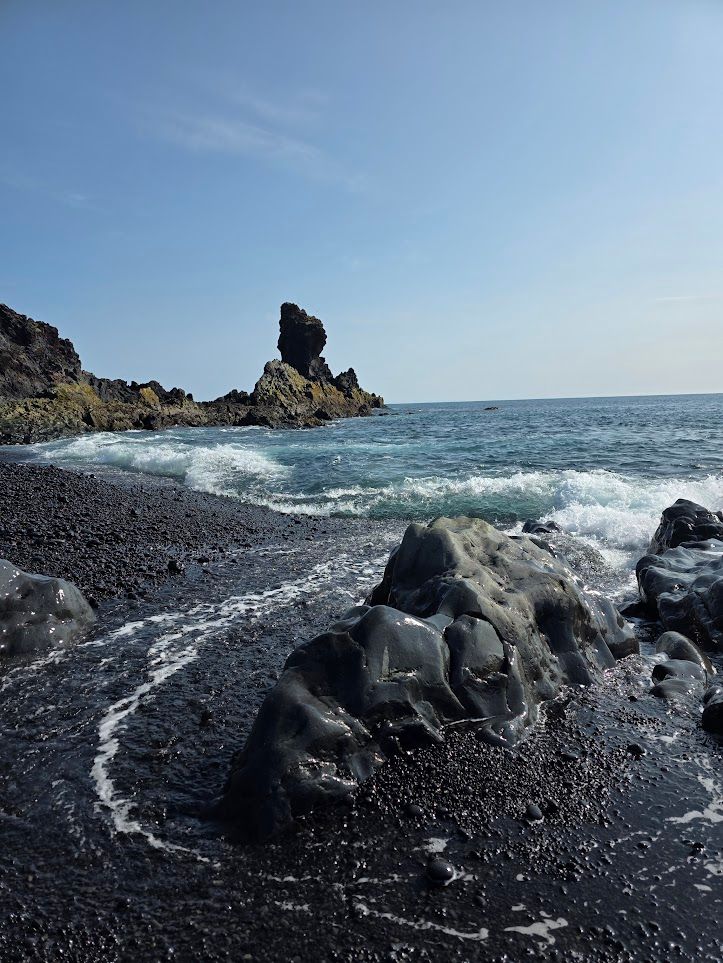
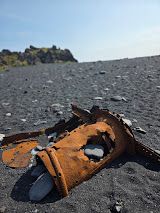
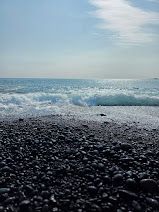
Dramatic black pebble beach beneath Snæfellsjökull with shipwreck remains and ancient lifting stones. The shoreline is shaped by centuries of volcanic activity and ocean erosion, creating unique formations found nowhere else. Visitors come to experience the contrast between dark sand and white surf, photograph the dramatic seascapes, and watch seabirds along the coast.
About Djúpalónssandur Beach
Dramatic black pebble beach beneath Snæfellsjökull with shipwreck remains and ancient lifting stones. The shoreline is shaped by centuries of volcanic activity and ocean erosion, creating unique formations found nowhere else. Visitors come to experience the contrast between dark sand and white surf, photograph the dramatic seascapes, and watch seabirds along the coast.
History & Background
This site in West Iceland has been shaped by the relentless forces of the North Atlantic Ocean working on Iceland's volcanic coastline. The black sand found on many Icelandic beaches is formed from eroded basalt lava — a process that has been ongoing since volcanic eruptions first created this island millions of years ago. Throughout history, Iceland's beaches have played important roles as landing sites for settlers, fishing stations, and trade ports. The dangerous wave conditions along Iceland's coast have been documented in historical records, with many accounts of the sea's power in the Icelandic sagas. Today these beaches attract photographers and nature lovers from around the world.
Key Facts
- ✔Black pebble beach
- ✔Four traditional lifting stones
- ✔1948 shipwreck remains (Epine GY7)
- ✔Below Snæfellsjökull glacier
- ✔Snæfellsnes Peninsula
Tours Near Djúpalónssandur Beach
Best-rated Iceland experiences — book with free cancellation

Private Silfra Snorkeling 6 p. group - Meet on Location - with Underwater Photos
From $899
Book Now
Private Jökulsárlón Glacier Lagoon 2 Day Tour & Glacier Hike
From $7240
Book Now
Private 2-Day Glacier Lagoon, Ice Cave and Northern Lights
From $7400
Book NowAbout Djúpalónssandur Beach
Dramatic black pebble beach beneath Snæfellsjökull with shipwreck remains and ancient lifting stones. The shoreline is shaped by centuries of volcanic activity and ocean erosion, creating unique formations found nowhere else. Visitors come to experience the contrast between dark sand and white surf, photograph the dramatic seascapes, and watch seabirds along the coast. Djúpalónssandur has two stories etched in rock and iron. First, four oval stones sit on the beach — aflraun (fullhugi) 154 kg, hálfdrættingur 100 kg, hálfsterkur 54 kg, amlóði (weakling) 23 kg. Fishermen had to lift the hálfsterkur(54 kg) onto a ledge to qualify for rowing boats. Second, rusted iron scattered across black pebbles — remains of the British trawler Epine GY7, wrecked in 1948. Fourteen men died. The iron stays as memorial, slowly dissolving into the sand. Visitor Information: This site is located in West Iceland, Iceland. As a beach, it provides visitors with a distinctive experience of Iceland's remarkable natural and cultural heritage. What to Expect: - A unique beach experience in one of Iceland's most scenic regions - Opportunities for photography and exploration - Connection to Iceland's natural landscape and cultural heritage - Accessible during the main tourist season (June-September) - Can be combined with other nearby attractions in West Iceland Best Time to Visit: The site is most accessible during summer months (June-August) when daylight hours are longest and weather is mildest. However, each season offers its own unique character — winter brings possible Northern Lights, while spring and fall offer fewer crowds. Nearby: Explore other attractions in West Iceland to make the most of your visit to this beautiful region of Iceland.

Reykjavík All In One Food Tour - Eat, Drink & Explore with Locals
From $207.66
Book Now
Reykjavik Private Northern Lights Tour with Pro Photographer
From $1649.4
Book Now
Glacier Adventure at Sólheimajökull Private Tour
From $385.65
Book NowHistory & Background
This site in West Iceland has been shaped by the relentless forces of the North Atlantic Ocean working on Iceland's volcanic coastline. The black sand found on many Icelandic beaches is formed from eroded basalt lava — a process that has been ongoing since volcanic eruptions first created this island millions of years ago. Throughout history, Iceland's beaches have played important roles as landing sites for settlers, fishing stations, and trade ports. The dangerous wave conditions along Iceland's coast have been documented in historical records, with many accounts of the sea's power in the Icelandic sagas. Today these beaches attract photographers and nature lovers from around the world.

Reykjanes Peninsula Private Day Tour - up to 9 passengers
From $2500
Book Now
2 hour Round Trip in Vestmannaeyjar on a RIB Boat
From $243.26
Book Now
Iceland: Diamond Beach Glacier Lagoon Black Sand Beach 冰岛冰河湖中文一日团
From $229.9
Book NowStory & Folklore
Djúpalónssandur has two stories etched in rock and iron. First, four oval stones sit on the beach — aflraun (fullhugi) 154 kg, hálfdrættingur 100 kg, hálfsterkur 54 kg, amlóði (weakling) 23 kg. Fishermen had to lift the hálfsterkur(54 kg) onto a ledge to qualify for rowing boats. Second, rusted iron scattered across black pebbles — remains of the British trawler Epine GY7, wrecked in 1948. Fourteen men died. The iron stays as memorial, slowly dissolving into the sand.

Private Aurora Hunt in Iceland with Professional Photos
From $1699
Book Now
Private Iceland Tour - Hidden Gems & Local Experience
From $2300
Book Now
Full Day Golden Circle - Guided Tour
From $2163.35
Book NowVisitor Information
Best Time
Summer (June-August) for mild weather; winter for dramatic waves
Duration
30 minutes to 1 hour
Access
Accessible by car. Stay well back from waves at black sand beaches.
Why Visit
Test your strength on Viking lifting stones and see 1948 shipwreck remains on a dramatic black pebble beach beneath Snæfellsjökull.
Hidden Gems Nearby
Tidal Patterns
The black sand creates stunning patterns as the waves retreat, especially at low tide.
The interplay of water, sand texture, and reflected sky creates naturally artistic compositions that are constantly changing.
Rock Formations
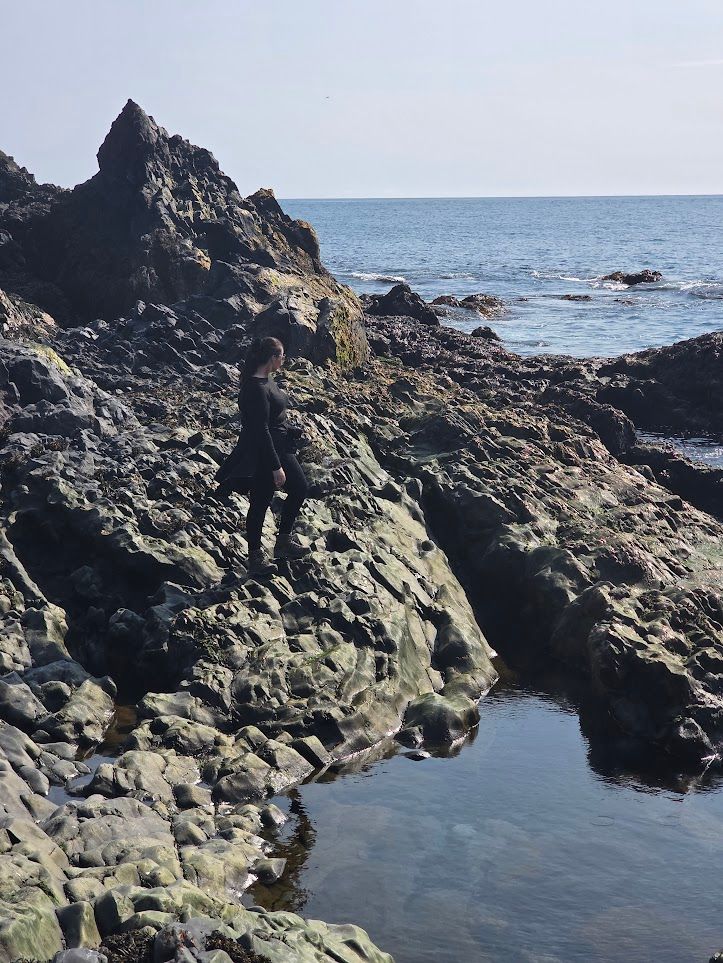
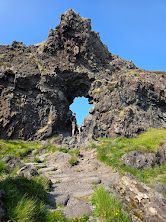
Explore the rock formations at the edges of the beach — many feature columnar basalt and small caves.
These geological features add variety to your beach visit and often shelter small tidal pools with marine life.
Seabird Watching
Bring binoculars to spot seabirds nesting on nearby cliffs, especially during summer months.
In breeding season (May-August), you can often see puffins, fulmars, and guillemots from the beach.
Practical Information
Best Time
Summer (June-August) for mild weather; winter for dramatic waves
Duration
30 minutes to 1 hour
Access
Accessible by car. Stay well back from waves at black sand beaches.
Photo Gallery
Frequently Asked Questions
Is it safe to swim at Icelandic beaches?▾
No, Icelandic beaches have extremely cold water and dangerous sneaker waves. Never turn your back on the ocean and keep a safe distance.
Why is the sand black?▾
The black sand comes from volcanic basalt rock that has been broken down by ocean waves over thousands of years.
Can I visit in winter?▾
Yes, but be extra careful of wave conditions. Winter storms can create especially dangerous sneaker waves.