阿尔维兹鲁哈姆拉维蒂灯塔
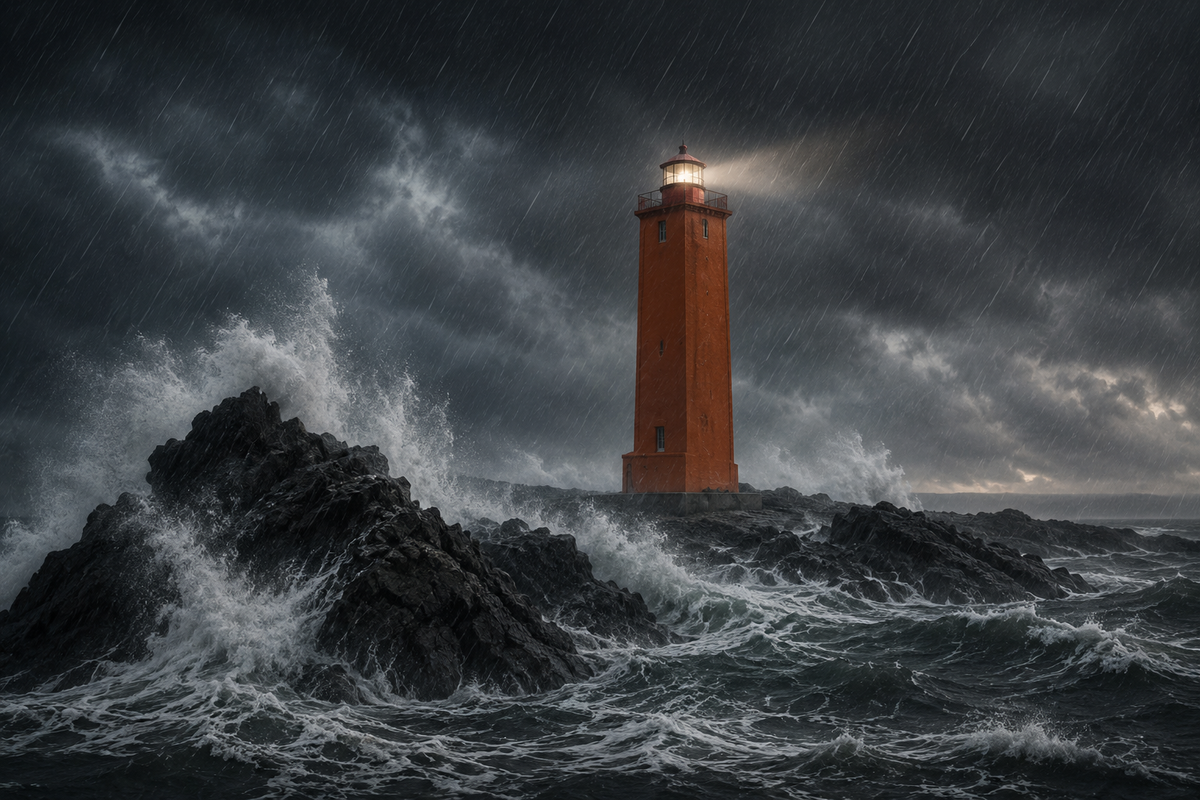
阿尔维兹鲁哈姆拉维蒂灯塔坐落在米达尔斯桑德(Mýrdalssandur)荒凉的黑色沙滩上,是北大西洋狂野力量中一座孤独的哨兵。它的暖光穿透倾盆大雨和汹涌的波涛,证明了其自1929年以来在引导船只通过险恶水域方面的重要作用。
At a Glance
Visit time
1-2 hours to explore the immediate area and take photos.
Best season
Any time of year, especially dramatic during stormy weather (as depicted in the image) for photographers, but safest in calmer conditions.
Access
Paved road followed by a gravel track, suitable for most vehicles but caution advised on gravel. Parking available near the lighthouse.
GPS
63.4552, -18.3087
About
About 阿尔维兹鲁哈姆拉维蒂灯塔
阿尔维兹鲁哈姆拉维蒂灯塔坐落在米达尔斯桑德(Mýrdalssandur)荒凉的黑色沙滩上,是北大西洋狂野力量中一座孤独的哨兵。它的暖光穿透倾盆大雨和汹涌的波涛,证明了其自1929年以来在引导船只通过险恶水域方面的重要作用。
Witness Iceland's untamed coastal drama: a historic lighthouse against a backdrop of storms and powerful waves.
Background
History & Background
阿尔维兹鲁哈姆拉维蒂灯塔是冰岛南部重要的航海辅助设施,由受人尊敬的工程师本尼迪克特·乔纳森构思和设计,于1929年建成。这座坚固的混凝土结构高达20.5米,战略性地坐落在米达尔斯桑德(Mýrdalssandur)阿尔夫塔维尔(Álftarver)偏远的黑色沙滩上,该地点以其挑战性的海上条件而闻名。 自建成以来,这座灯塔一直是引导船只穿越冰岛南部海岸险恶水域的重要守护者。它的灯光焦点高度达到海平面以上33米,在风暴和黑暗中指引了无数船只。除了传统的灯塔作用,阿尔维兹鲁哈姆拉维蒂灯塔还配备了雷达应答器,增强了其在海上安全方面的关键功能,尤其是在经常遭受恶劣天气条件和强大洋流影响的地区。
阿尔维兹鲁哈姆拉维蒂灯塔是冰岛南部米达尔斯桑德(Mýrdalssandur)一片荒凉土地上引人注目的地标,它让人们深刻体验到冰岛未受驯服的海岸美景。这座20.5米高的混凝土灯塔,以其独特的红橙色调,是工程和耐力的证明。由本尼迪克特·乔纳森(Benedikt Jónasson)设计并于1929年投入使用,其灯光位于海平面以上33米处,既是海员的重要航标,也是关键的雷达应答器。周围的景观,以戏剧性的黑色火山沙和崎岖的岩石地貌为特征,不断受到北大西洋强大海浪的冲击。图像完美地捕捉了这种戏剧性的本质,雨水倾盆而下,乌云密布,巨浪猛烈地拍打着海岸,创造出真正令人敬畏的景象。 游客可以探索该地区原始的美丽,感受大自然原始的力量。黑沙滩虽然美丽,但由于臭名昭著的“偷袭浪”(sneaker waves)可能会将毫无戒心的游客卷入冰冷的海水中,因此需要保持警惕。务必与水边保持安全距离。偏远的地理位置确保了深刻的孤独感,使其成为沉思和拍摄戏剧性照片的理想地点。虽然灯塔本身不对内部开放,但其外部和周围的景观提供了充足的摄影机会,尤其是在暴风雨天气中,它的灯光在昏暗中显得格外明亮。请记住穿着保暖和防水的衣物,因为天气变化迅速且可能相当恶劣,正如图像中生动描绘的那样。
Folklore
Story & Folklore
狂风呼啸着凄厉的曲调,将雨水猛烈地拍打在阿尔维兹鲁哈姆拉维蒂灯塔坚固的橙色墙壁上。下方,无情的北大西洋汹涌澎湃,巨浪拍打着崎岖的黑色岩石,每一次撞击都是大自然原始力量的雷鸣交响曲。自1929年以来,这座灯塔就像一个坚定的守护者,从高处投射出它那挑衅的光束,一只孤独的眼睛刺破黑暗、翻腾的混沌。它不仅仅是一个建筑;它是荒野中的心跳,是暴风雨中安全的承诺。与风暴搏斗的水手们会凝视着那坚定不移的光芒,那是面对大海压倒性力量时的一线希望。站在这里,人们能感受到这片土地的深刻孤寂和持久精神,在这里,陆地与海洋进行着一场永恒而壮丽的战争。
💡 Did You Know?
This 20.5-meter tall concrete lighthouse, designed in 1929, not only casts its guiding light 33 meters above sea level but also serves as a crucial radar responder amidst the wild weather seen in the image.
Local Legend
The Steadfast Guardian of the Southern Sands
Local folklore whispers of a giant, ancient troll who, unable to cross the vast Mýrdalssandur, transformed into the very rocks surrounding the lighthouse. He now watches over the coastline, his stony gaze ensuring the lighthouse's light never falters, guiding lost souls and ships through the darkest storms.
Explore
Hidden Gems Nearby
✦ Mýrdalssandur Black Beach
While the immediate area around the lighthouse is rocky, the wider Mýrdalssandur stretch offers vast, desolate black sand beaches. These expanses are formed by glacial outbursts and volcanic ash, creating a stark and otherworldly landscape.
It's a powerful experience to walk on these endless, dark sands, feeling the immense scale of nature.
✦ Reynisfjara Beach (nearby)
Though a bit further west, the famous Reynisfjara beach with its basalt columns and Dyrhólaey arch is a must-see. It shares the same dramatic black sand characteristics but offers unique rock formations.
It's a stunning example of Iceland's volcanic coast, offering iconic photo opportunities.
Help
Frequently Asked Questions
Location
📍 Location
Discover
Explore Nearby
Places from our database within 1.0 km — all data from Sanity
Loading nearby places…
0 places found within 1.0 km
Plan full itinerary →Explore More