west-iceland · Iceland
Stóra-Vatnshornskirkja
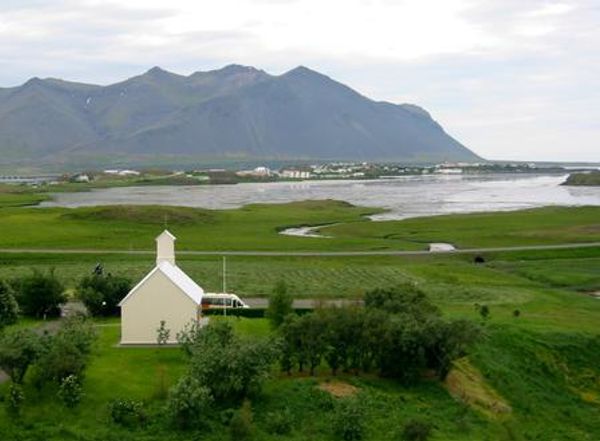
Stóra-Vatnshornskirkja stands out with its distinctive A-frame design, dark timber facade, and vibrant red roof, set against the backdrop of the Haukadal valley's golden grasslands. This modern timber church, consecrated in 1971, continues a centuries-old tradition of worship at this historic site in West Iceland, offering a serene glimpse into the region's spiritual heritage.
About Stóra-Vatnshornskirkja
Stóra-Vatnshornskirkja stands out with its distinctive A-frame design, dark timber facade, and vibrant red roof, set against the backdrop of the Haukadal valley's golden grasslands. This modern timber church, consecrated in 1971, continues a centuries-old tradition of worship at this historic site in West Iceland, offering a serene glimpse into the region's spiritual heritage.
History & Background
The history of Stóra-Vatnshorn as a sacred site stretches back centuries, long before the current structure was built. In Catholic times, churches on this very spot were dedicated to a multitude of revered figures, including God, the Virgin Mary, the Apostles Andrew and Peter, Saint Olaf the Holy, King of Norway, and Saint Þorlákur. This deep spiritual lineage underscores the enduring importance of this location to the local community in Haukadal. For many years, Stóra-Vatnshornskirkja served as an annex church, specifically from Kvennabrekka, until a significant change occurred in 1969 when it was reassigned to Búðardalur within the Hjarðarholt parish. Just two years later, on August 15, 1971, the current church was consecrated. This modern timber structure, built on a concrete foundation, represents a new chapter in the site's long religious history. Architecturally, the church is notable for its distinctive A-frame design and dark timber facade, complemented by a striking red roof. The separate bell tower (klukknaport) north of the church maintains the same unique style. Inside, artistic craftsmanship is evident; Guðmundur Kristjánsson from Hörðubóli carved the baptismal font and a wall shelf. While the altar piece is ancient, many of the older artifacts and treasures from previous churches at Stóra-Vatnshorn are now carefully preserved in the museum at Laugar in Sælingsdal, offering a glimpse into its rich past.
Did You Know?
- ✔Stóra-Vatnshornskirkja is part of Iceland's rich religious and cultural heritage
- ✔Iceland became Christian in the year 1000 AD by a democratic decision at Alþingi
- ✔Many Icelandic churches date back centuries and feature distinctive architecture
Tours Near Stóra-Vatnshornskirkja
Best-rated Iceland experiences — book with free cancellation


Why Visit
Experience unique modern Icelandic church architecture in a breathtaking, tranquil rural setting.
Did You Know?
The current Stóra-Vatnshornskirkja, consecrated in 1971, replaced earlier Catholic churches on this site, some dedicated to saints like Peter, Olaf, and Þorlákur.
The Whispering Winds of Vatnshorn
Locals say that on quiet evenings, the winds sweeping through Haukadal carry faint echoes of ancient hymns and prayers from the many churches that have stood on this sacred ground. It's believed these whispers are the spirits of past worshippers, ensuring the faith of Stóra-Vatnshorn endures through time.
📖 Stories & Legends
Icelandic sagas and folklore from this area
Hidden Gems Nearby
The Matching Bell Tower
Just north of the main church, discover the 'klukknaport' (bell tower), an elegant, separate structure echoing the main church's unique A-frame design and dark timber facade.
Its architectural harmony with the church makes it a picturesque and integral part of the site's modern design.
Carved Interior Details
While access may vary, seek out the finely carved baptismal font and wall shelf by local artist Guðmundur Kristjánsson, showcasing local craftsmanship within the minimalist interior.
These pieces represent a touch of local artistry and tradition within the modern church structure.
Laugar in Sælingsdal Museum
Many historical artifacts from Stóra-Vatnshorn's previous churches are preserved at the museum in Laugar, offering a deeper dive into its centuries-old spiritual legacy.
It provides context and a tangible link to the site's rich Catholic past and earlier structures.
Practical Information
Best Time
Late Summer to Early Autumn (for golden hills), or Midday (for best light on the church).
Duration
30-45 minutes
Access
Accessible via paved and gravel roads from Road 60 or Road 59. Parking is available nearby.
Frequently Asked Questions
Is there an entry fee to visit Stóra-Vatnshornskirkja?▾
No, there is typically no entry fee to visit the exterior of Stóra-Vatnshornskirkja. Access to the interior may depend on local opening hours or special arrangements.
Is parking available at the church?▾
Yes, visitors can usually find space to park their vehicles near the church, though it might be an informal gravel area rather than a designated parking lot.
Is Stóra-Vatnshornskirkja wheelchair accessible?▾
Access to the church involves a few wooden steps leading to the main entrance, which may make it challenging for wheelchair users. The surrounding grounds are grassy and uneven.
What is the best time of year to visit Stóra-Vatnshornskirkja?▾
The best time to visit is from May to September when the weather is milder, and the surrounding landscape is vibrant green or golden, as seen in the image. Roads are also more easily accessible during these months.
Can I take photos of the church?▾
Yes, photography of the church's exterior and its beautiful surroundings is generally permitted and encouraged. If the interior is accessible, please be respectful and discreet.