Stóra-Árskógskirkja
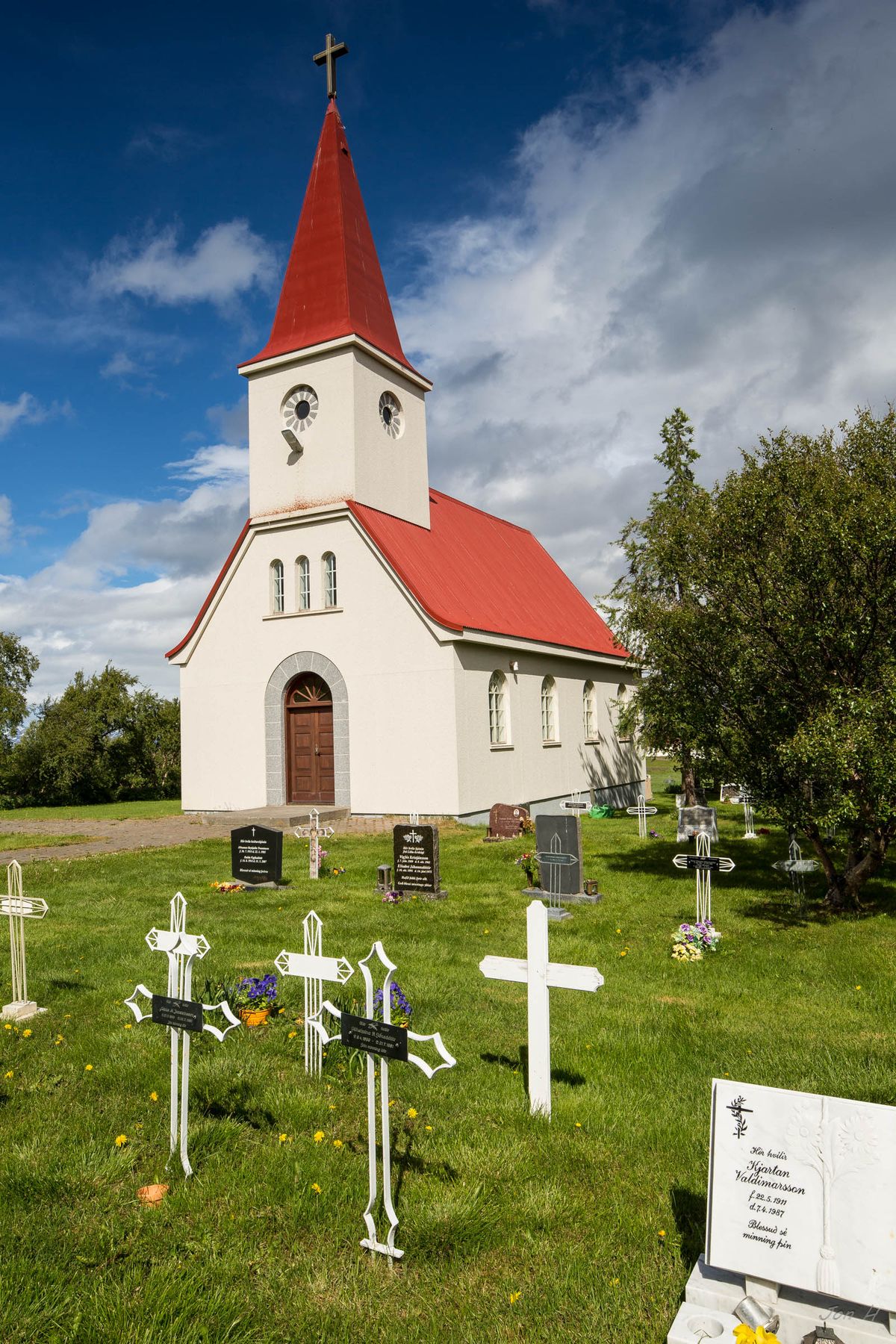
Iconic white church with a vibrant red roof, nestled in a tranquil North Iceland graveyard.
About
About Stóra-Árskógskirkja
Iconic white church with a vibrant red roof, nestled in a tranquil North Iceland graveyard.
To admire its unique architecture, vibrant red roof, and the serene beauty of its historic graveyard.
Background
History & Background
The history of Stóra-Árskógskirkja is deeply rooted in the local community of Stóri-Árskógur, a historically significant farm and church site on Árskógsströnd. For centuries, this location served as a Jónskirkja in the Catholic tradition and a parsonage until 1884, when the parish was merged with Völlum. The first recorded church on this site speaks to a long-standing spiritual presence in this part of Eyjafjörður. A pivotal moment in the church's recent history occurred with the consecration of a large and stately wooden church in 1898. However, its existence was short-lived; a mere two years later, a severe storm caused significant damage, shifting its very foundation. This setback led to the decision to construct a more robust, modern church. The current concrete structure, capable of seating 150 people and featuring a distinctive tower, narthex, and chancel, was built between 1926 and 1927. It was consecrated on June 6th, 1927, marking a new chapter for the community. The design of Stóra-Árskógskirkja is a notable work, attributed to two prominent figures: Guðjón Samúelsson, the state architect of Iceland known for many iconic buildings across the country, and Halldór Halldórsson, an architect from Garðsvík. Vigfús Kristjánsson from Stóra-Árskógur served as the master builder, bringing their vision to life. The church's interior boasts an altarpiece by painter Arngrímur Gíslason, symbolizing resurrection, beautifully complemented by the intricate carvings of sculptor Guðmundur Guðmundsson, adding to its artistic and spiritual value.
Perched gracefully on Árskógsströnd, overlooking the western reaches of Eyjafjörður in North Iceland, Stóra-Árskógskirkja is more than just a place of worship; it's a testament to resilience and enduring faith. The church's striking appearance, with its pristine white stucco walls contrasting vividly with a brilliant red corrugated iron roof and steeple, immediately captures attention. A golden cross proudly crowns its tower, visible against the often-dramatic blue skies, as seen in the image. Built between 1926 and 1927, this sturdy 150-seat concrete church replaced a grander wooden structure that had been severely damaged by a storm in 1900, just two years after its consecration. The current design is a collaboration between the esteemed state architect Guðjón Samúelsson and Halldór Halldórsson. Inside, visitors would discover an altarpiece depicting the symbol of resurrection by Arngrímur Gíslason, beautifully framed by carvings from Guðmundur Guðmundsson. The church is surrounded by a well-kept graveyard, where numerous white crosses and dark headstones stand amidst lush green grass, often dotted with cheerful dandelions, offering a serene and contemplative atmosphere. The arched wooden front door, set within a grey stone frame, invites quiet reflection. Visiting Stóra-Árskógskirkja provides a unique opportunity to appreciate Icelandic architectural heritage, learn about local history, and experience the tranquil beauty of a rural Icelandic church and its hallowed grounds.
Folklore
Story & Folklore
Nestled on Árskógsströnd, where the west side of Eyjafjörður meets the land, Stóra-Árskógskirkja has watched over its community for nearly a century. Imagine the resilience of the local people after a grand wooden church, consecrated in 1898, was ravaged by a fierce storm just two years later, its very foundation shifting. Undeterred, they embarked on building a new, sturdier house of worship. In 1926, the first stones were laid for the concrete structure we see today, its bright red roof a beacon against the often-dramatic Icelandic sky. Consecrated on June 6, 1927, this 150-seat church, with its distinctive tower and arched entrance, became a symbol of enduring faith. As you wander through the quiet graveyard, among the white crosses and ancient headstones, you can almost hear the echoes of generations who found solace and community within these walls, under the watchful gaze of its golden cross-topped steeple.
💡 Did You Know?
Designed by state architect Guðjón Samúelsson, Stóra-Árskógskirkja replaced an earlier wooden church damaged by a fierce storm in the early 20th century.
Local Legend
The Resilient Spirit of Stóra-Árskógskirkja
Local lore speaks of the community's unwavering resolve after the first grand wooden church was destroyed by a severe storm. Rather than despair, they rallied together, believing a stronger, stone church would stand as a lasting symbol of their faith, forever protected by the spirit of the land.
Culture
Stories & Legends
Icelandic sagas and folklore from this area
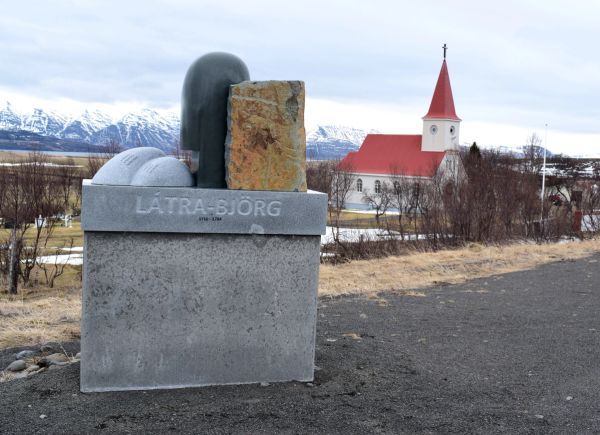
Árskógur
Árskógur: A 'river forest,' a place of natural beauty and saga encounters.
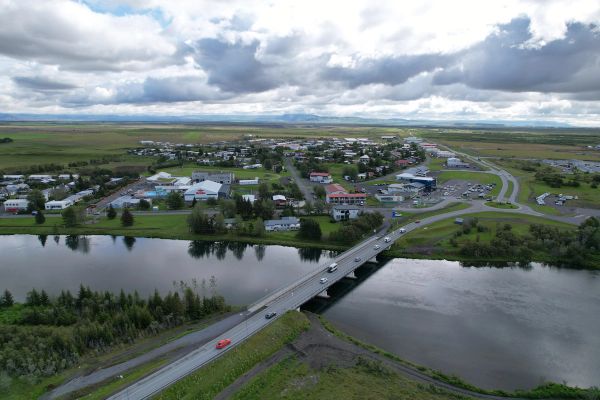
Hella
Hella is a historic location in Iceland mentioned in "Svarfdæla saga", one of the ancient Íslendingasögur (Sagas of Icelanders). These medieval narratives preserve the history of Iceland's Viking Age settlement.

Krossar
Krossar is a historic location in Iceland mentioned in "Laxdæla saga", one of the ancient Íslendingasögur (Sagas of Icelanders). These medieval narratives preserve the history of Iceland's Viking Age settlement.
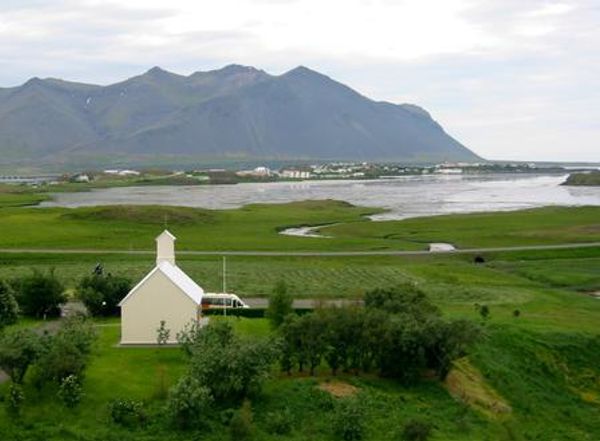
Syðrihagi
Syðrihagi: Where a saga hero’s tragic fate was sealed by a deadly sting.
Explore
Hidden Gems Nearby
✦ The Historic Graveyard
Wander among the numerous white crosses and dark headstones, some adorned with fresh flowers, reflecting generations of local history and quiet remembrance.
It offers a poignant glimpse into the community's past and a peaceful spot for contemplation.
✦ Architectural Details
Take a moment to admire the distinctive round windows on the steeple, the arched wooden front door with its stone frame, and the intricate details of the facade designed by renowned architects.
These elements highlight the unique early 20th-century Icelandic architectural style.
✦ Altarpiece and Carvings
Inside, the altarpiece by Arngrímur Gíslason, depicting the symbol of resurrection, is framed by exquisite carvings by Guðmundur Guðmundsson, showcasing significant Icelandic ecclesiastical art.
It's a beautiful example of local artistry and spiritual expression.
Help
Frequently Asked Questions
Location
📍 Location
Discover
Explore Nearby
Places from our database within 1.0 km — all data from Sanity
Loading nearby places…
0 places found within 1.0 km
Plan full itinerary →Explore More