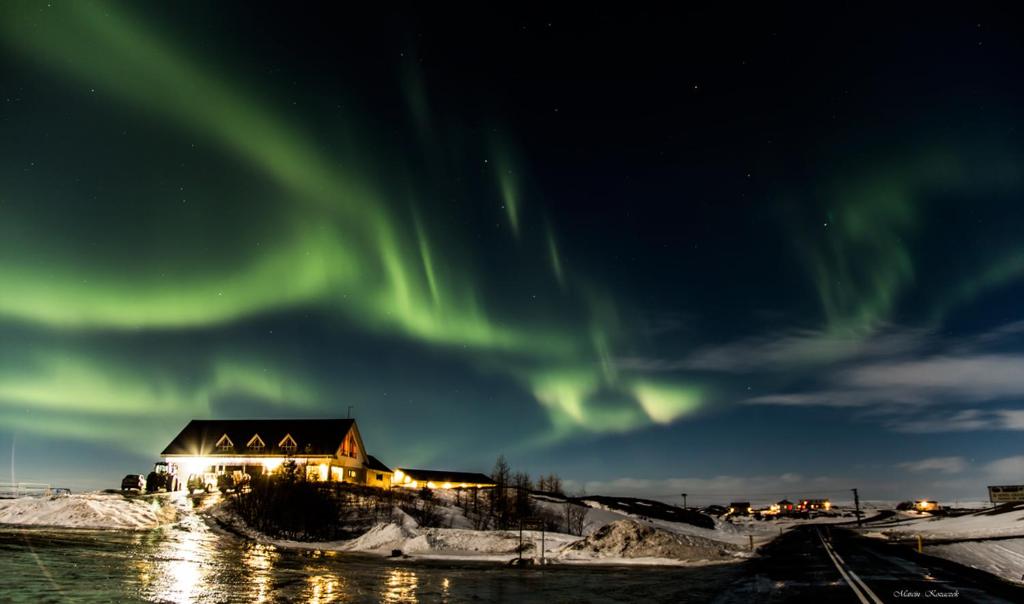
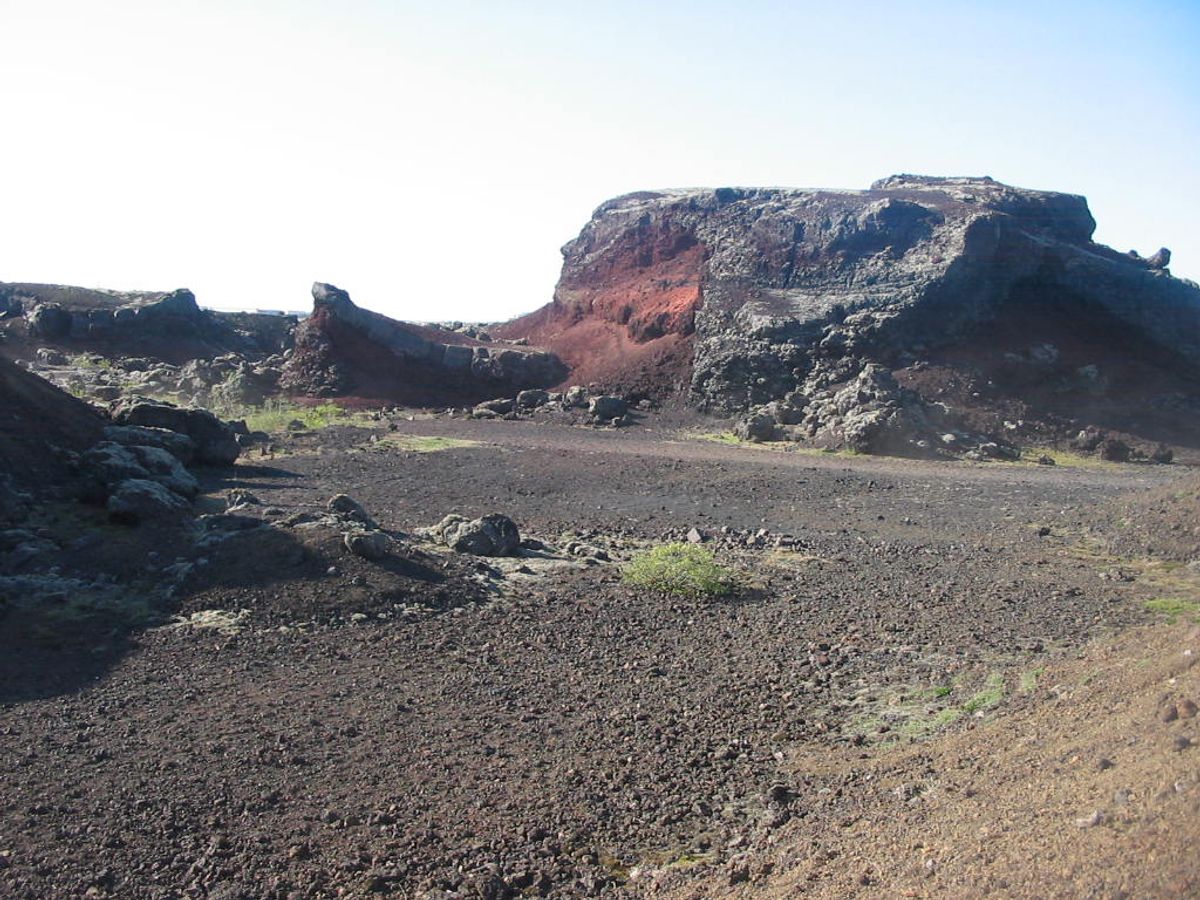
Skútustaðagígar Pseudocraters
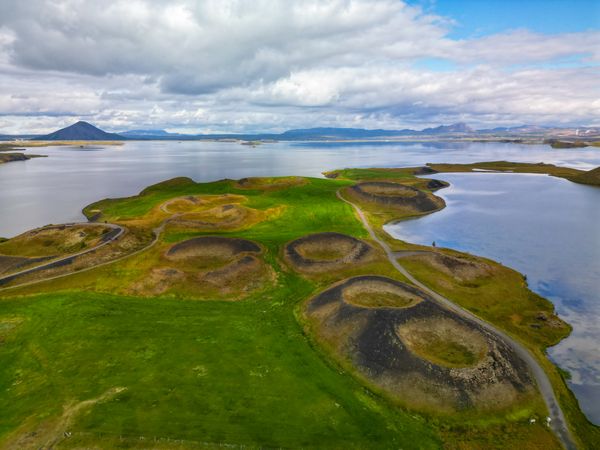
Skútustaðagígar are remarkable pseudocraters on the southern shore of Lake Mývatn, formed about 2,300 years ago when flowing lava encountered wetlands, causing …
About
About Skútustaðagígar Pseudocraters
Skútustaðagígar are remarkable pseudocraters on the southern shore of Lake Mývatn, formed about 2,300 years ago when flowing lava encountered wetlands, causing steam explosions. Unlike true volcanic craters, these weren't formed by eruptions from beneath. A circular walking path allows visitors to explore the crater formations up close.
Witness the dramatic volcanic landscapes at Skútustaðagígar Pseudocraters and see the forces that shaped Iceland
Background
History & Background
Skútustaðagígar Pseudocraters is part of Iceland's dramatic volcanic landscape in North Iceland, shaped by millennia of eruptions along the Mid-Atlantic Ridge. Iceland's volcanic history stretches back 16-18 million years, with the island itself emerging from the ocean through volcanic activity. The geological formations here tell the story of fire and ice — of eruptions that reshaped the land and glaciers that carved it further. Historical eruptions in this region have been documented in Icelandic annals dating back to the 12th century. The interplay between volcanic heat and Arctic climate has created a unique ecosystem found nowhere else on Earth, making sites like this invaluable for both scientific research and tourism.
Skútustaðagígar are remarkable pseudocraters on the southern shore of Lake Mývatn, formed about 2,300 years ago when flowing lava encountered wetlands, causing steam explosions. Unlike true volcanic craters, these weren't formed by eruptions from beneath. A circular walking path allows visitors to explore the crater formations up close. The area is part of the Lake Mývatn nature reserve and protects important birdlife.
Folklore
Story & Folklore
A circular walking path allows visitors to explore the crater formations up close. The area is part of the Lake Mývatn nature reserve and protects important birdlife.
Local Legend
The Ghost of Mödrudalur
In the remote highlands near Mývatn, stories are told of a ghostly shepherd who appears during fierce snowstorms to guide lost travelers to safety. Known as the Friendly Ghost of the North, this spirit is said to be a farmer who perished in a blizzard centuries ago but chose to remain between worlds to help others avoid his fate. Those who have encountered him describe a figure in old-fashioned clothing who appears suddenly in the worst weather, pointing the way to shelter before vanishing. The legend embodies the Icelandic values of hospitality and looking after fellow travelers in a harsh land.
Experiences
Tours Near Skútustaðagígar Pseudocraters
Best-rated Iceland experiences — book with free cancellation


Culture
Stories & Legends
Icelandic sagas and folklore from this area
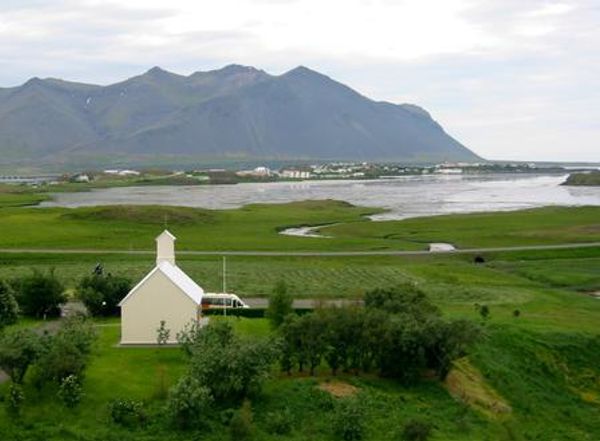
Geirastaðir
Geirastaðir is a historic location in Iceland mentioned in "Reykdæla saga og Víga-Skútu", one of the ancient Íslendingasögur (Sagas of Icelanders). These medieval narratives preserve the history of Iceland's Viking Age settlement.
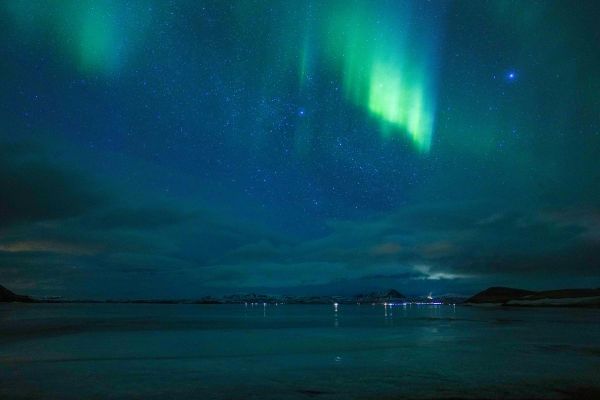
Mývatn
Mývatn: A lake of fire, ice, and mythical beings.
Skútustaðir
Skútustaðir is a historic location in Iceland mentioned in "Reykdæla saga og Víga-Skútu", one of the ancient Íslendingasögur (Sagas of Icelanders). These medieval narratives preserve the history of Iceland's Viking Age settlement.
Explore
Hidden Gems Nearby
✦ Lava Formations Close-Up
Look carefully at the lava formations near Skútustaðagígar Pseudocraters — each tells a story of how it cooled.
Rope lava, pillow lava, and columnar basalt each formed under different conditions, creating a geological textbook in stone.
✦ Moss & Lichens
The moss and lichen growing on the volcanic rock are some of the first life to colonize new lava fields.
Some of these organisms grow less than 1cm per year, meaning the patches you see may be decades or centuries old.
✦ Sunset Colors
The volcanic rock takes on incredible red and gold hues during sunset.
The iron-rich minerals in the lava glow in warm light, creating a photographer's paradise.
Help
Frequently Asked Questions
Location
📍 Location
Discover
Explore Nearby
Places from our database within 1.0 km — all data from Sanity
Loading nearby places…
0 places found within 1.0 km
Plan full itinerary →Explore More