Seltjarnarnes — The Quiet Peninsula at the Edge of Reykjavík
Quiet peninsula beyond Reykjavík with Grótta lighthouse, birdwatching and Northern Lights views.
About
About Seltjarnarnes — The Quiet Peninsula at the Edge of Reykjavík
Quiet peninsula beyond Reykjavík with Grótta lighthouse, birdwatching and Northern Lights views.
In winter, the open skyline makes it one of the best places near the city to see Northern Lights.
Background
History & Background
Seltjarnarnes was one of the earliest settled areas in the Reykjavík region, with evidence of Viking-age farms. The Grótta lighthouse was first built in 1897 and has guided ships into Reykjavík harbour ever since. The area remained rural and sparsely populated until the 20th century suburban expansion of Reykjavík extended to the peninsula.
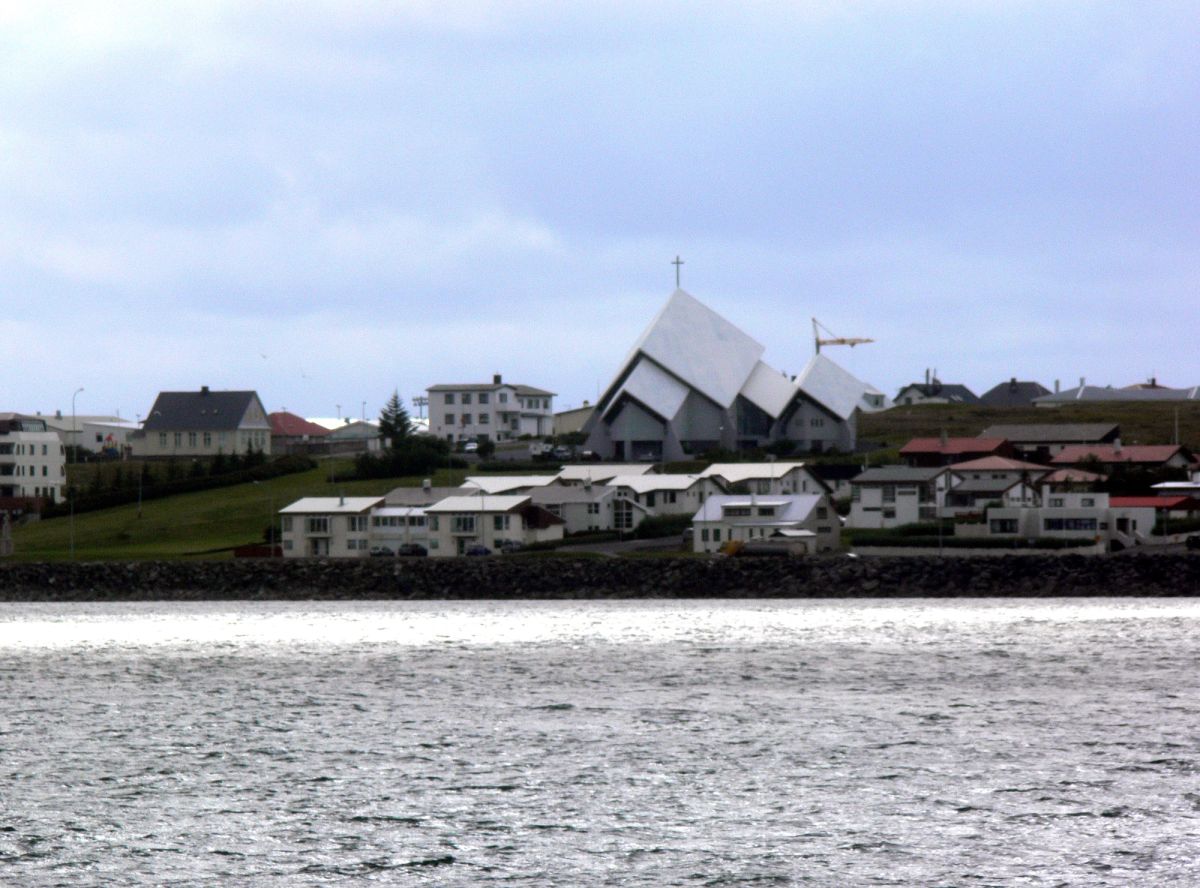
Seltjarnarnes is a municipality separate from Reykjavík (population ~4,500) but physically part of the peninsula that forms the capital city area. It is the westernmost municipality in Iceland. The main attractions are the coastal walking path around the peninsula, the Grótta tidal island and lighthouse, the local swimming pool (Seltjarnarneslaug — one of the best-sited in Iceland, with views over the bay), and birdwatching on the rocky shore and tidal flats. The coastal path around Seltjarnarnes is about 5 km long and takes 1–1.5 hours to walk at a comfortable pace. The path is paved for most of its length. Benches and viewpoints along the route look out over Faxaflói bay, the Esja mountain, and on clear days the Snæfellsjökull glacier 120 km away.
Folklore
Story & Folklore
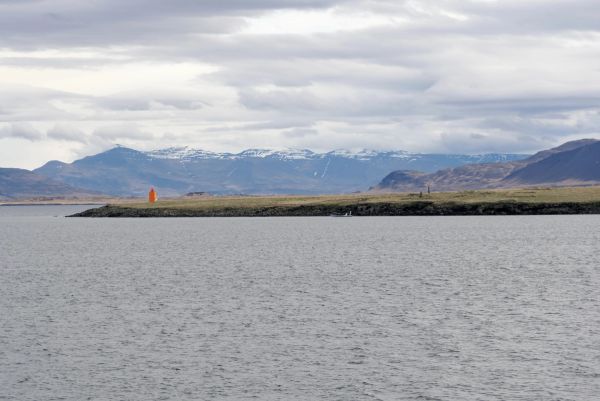
Seltjarnarnes is Reykjavík's secret. Ten minutes by car from the busy city centre, the peninsula projects into the Atlantic and achieves a sense of solitude that feels completely removed from the capital. The wind is usually strong — this is Iceland's Atlantic edge — but the light, especially in the long summer evenings, is extraordinary. Grótta lighthouse at the tip is accessible by foot across the tidal flats at low tide. In summer, Arctic terns nest on the flats and dive aggressively at anyone who approaches — a genuinely alarming experience that reminds you these birds have flown from the Antarctic. The eider ducks are more welcoming, waddling around the car park and accepting scraps from anyone who offers them. In winter, the open dark skyline of Seltjarnarnes makes it one of the easiest Northern Lights viewpoints from within the city area. Many Reykjavík residents drive here on clear nights rather than travelling further afield.
💡 Did You Know?
On a clear day from Grótta, the glacier Snæfellsjökull can be seen 120 km away across Faxaflói bay — the same glacier Jules Verne's explorers descended in 'Journey to the Centre of the Earth'.
Local Legend
The Place Where Reykjavík Ends and the Atlantic Begins
At Grótta lighthouse, you're standing at the far edge of Iceland's capital — and the next land to the west is Newfoundland, 3,000 km away.
Experiences
Tours Near Seltjarnarnes — The Quiet Peninsula at the Edge of Reykjavík
Best-rated Iceland experiences — book with free cancellation


Culture
Stories & Legends
Icelandic sagas and folklore from this area
Engey
Engey is a historic location in Iceland mentioned in "Njáls saga", one of the ancient Íslendingasögur (Sagas of Icelanders). These medieval narratives preserve the history of Iceland's Viking Age settlement.
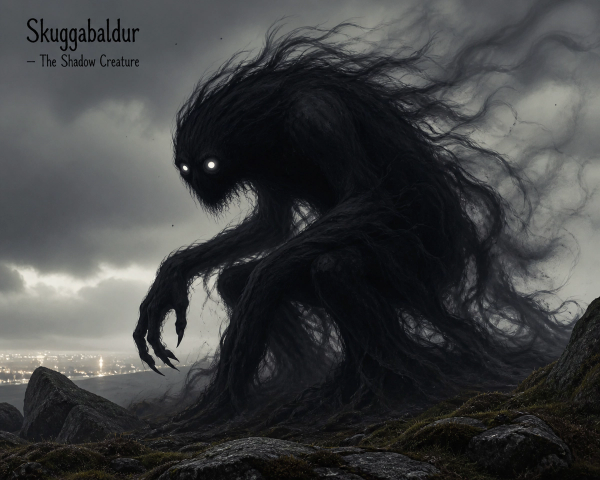
Skuggabaldur – The Shadow Creature
Skuggabaldur: A phantom dog guarding forgotten paths.
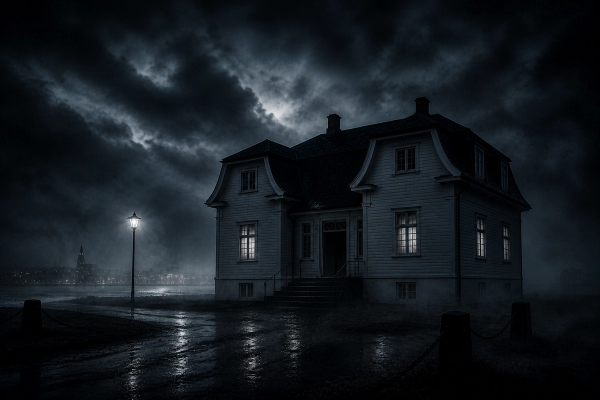
Höfði House – Reykjavík's Haunted Mansion
Höfði House: Reykjavík's historic mansion with a chilling paranormal past.
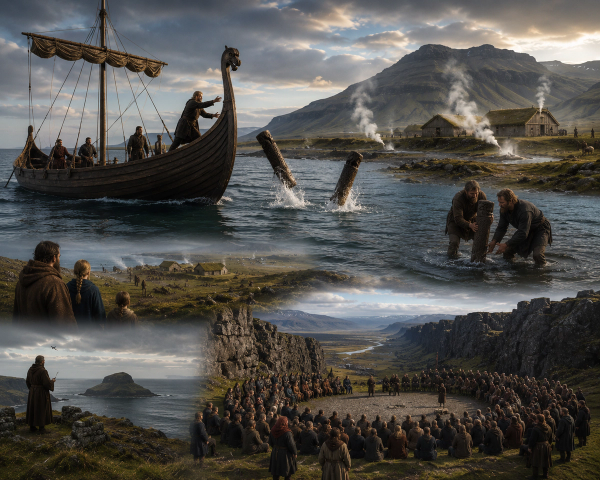
The Settlement of Iceland – Land of Fire and Freedom
Iceland: Land of Fire and Freedom, forged by Vikings and volcanic might.
Explore
Hidden Gems Nearby
✦ Seltjarnarneslaug Pool Views
The small local swimming pool here has arguably the best view of any pool in the Reykjavík area — looking across the bay to Esja and Snæfellsjökull on a clear day.
✦ Arctic Tern Season (June–July)
When Arctic terns are nesting in June–July, approaching the tidal flats becomes an unexpectedly dramatic experience as the birds dive-bomb anyone who gets too close. Bring a hat.
Help
Frequently Asked Questions
Location
📍 Location
Discover
Explore Nearby
Places from our database within 1.0 km — all data from Sanity
Loading nearby places…
0 places found within 1.0 km
Plan full itinerary →Explore More