
Rauðhólar — Red Hills
Cluster of red volcanic pseudocraters in Reykjavík — rare geological features within city limits.
About
About Rauðhólar — Red Hills
Cluster of red volcanic pseudocraters in Reykjavík — rare geological features within city limits.
Walk among 50 red pseudocraters inside Reykjavík — unique volcanic geology you can explore without leaving the city.
Tours Near Rauðhólar — Red Hills
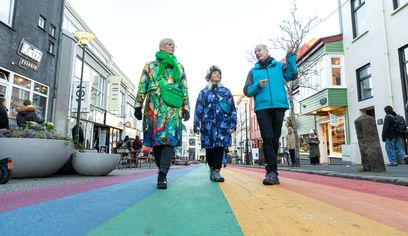
Private Reykjavik LGBTQ+ City Walk
Your Friend in Reykjavik · 3 hours
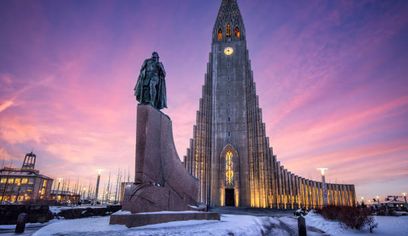
Private Reykjavik City Tour
Icelimo Luxurytravel · 4 hours
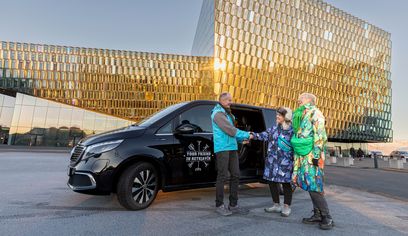
Private 3 hour Reykjavik Driving Tour
Your Friend in Reykjavik · 3 hours
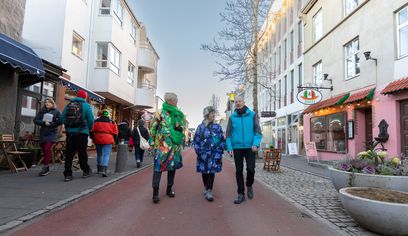
Private Reykjavik Shopping & Sightseeing Walking Tour
Your Friend in Reykjavik · 3 hours
Photos
Gallery
Background
History & Background
This site in Reykjavík has captivated visitors and locals alike throughout Iceland's history. The natural formations here were shaped over thousands of years by the forces of volcanism, glaciation, and erosion. Early settlers recognized the unique beauty of this place, and it features in various historical accounts and folklore. Iceland's natural wonders have been described by travelers since the medieval period, with some of the earliest written accounts appearing in the sagas and geographic treatises of the 12th and 13th centuries. Today, This site continues to draw visitors from around the world who come to witness the extraordinary landscapes that make Iceland one of the most geologically diverse places on the planet.
Rauðhólar is located in Elliðaárdalur valley in southeastern Reykjavík. Key features: - Cluster of ~50 pseudocraters - Red iron oxide coloring - Formed ~5,000 years ago - Protected natural monument Formation: - Lava flowed over wetlands - Steam explosions blew holes in lava crust - Not true volcanoes (no magma erupted from these craters) - Iron-rich rock gives red color Access: - Rauðhólastígur road in Reykjavík - Parking area - Walking trails through crater field - Free entry - Dog-friendly Activities: - Walking/hiking - Photography - Geology education - Dog walking (popular with locals) Combine with: Elliðaárdalur valley walks, Perlan museum Visit duration: 30-60 minutes. Nearby: Central Reykjavík (15 min drive).
Folklore
Story & Folklore
Rauðhólar (Red Hills) are pseudocraters — volcanic-looking mounds that aren't actually volcanoes. They formed ~5,000 years ago when lava flowed over wetlands. Water beneath the lava turned to steam and exploded upward, creating crater-like mounds. Iron oxide gives them distinctive rusty-red color. Today they're a protected natural monument inside Reykjavík city limits — you can walk among the craters on trails through this strange Mars-like landscape just minutes from downtown.
Did You Know?
Pseudocraters look like volcanoes but aren't — they're explosions caused by lava flowing over water, not actual magma vents.
Culture
Stories & Legends
Icelandic sagas and folklore from this area
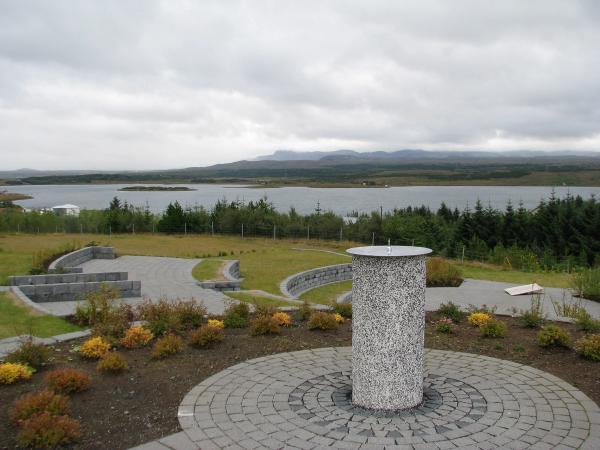
Explore
Hidden Gems Nearby
Off-Peak Visit
Visit this attraction during shoulder season (May or September) for a perfect balance of access and solitude.
You'll experience the site without summer crowds while still having good weather and daylight.
Local Flora
Look for the native Icelandic plants growing in the area — Arctic thyme, moss campion, and various lichens.
These resilient plants have adapted to survive harsh conditions and add subtle beauty to the landscape.
Changing Light
this attraction looks dramatically different depending on the time of day and weather conditions.
Cloud shadows, rain showers, and low-angle sunlight can transform the landscape within minutes — Iceland's famous "four seasons in one day."
Help
Frequently Asked Questions
Location
Location
Discover
Explore Nearby
Places from our database within 5.0 km — all data from Sanity
Loading nearby places…
0 places found within 5.0 km
Plan full itinerary →Explore More