Lóndrangar Basalt Cliffs
Lóndrangar are two ancient volcanic plugs rising dramatically from the sea on the southern Snæfellsnes coast — the taller reaching 75 m. These basalt columns ar…
About
About Lóndrangar Basalt Cliffs
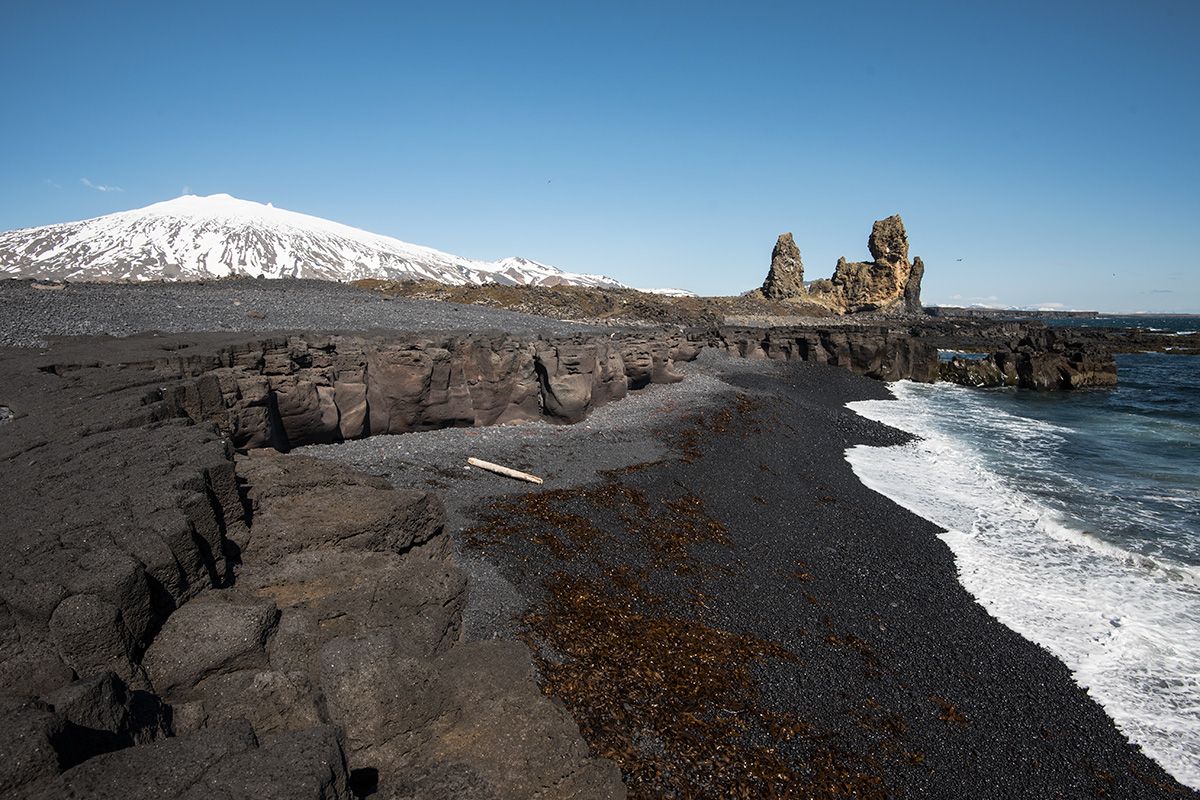
Lóndrangar are two ancient volcanic plugs rising dramatically from the sea on the southern Snæfellsnes coast — the taller reaching 75 m. These basalt columns are remnants of an eroded volcanic crater and are home to nesting seabirds.
Dramatic 75m basalt pillars rising from the ocean — ancient volcanic remnants, seabirds, spectacular Snæfellsnes coast.
Background
History & Background
This site in West Iceland is part of Iceland's rich tapestry of natural and cultural attractions. Iceland's history as a tourist destination stretches back to the 18th century, when European naturalists and adventurers first traveled to the island to study its unique geology and culture. Tourism grew steadily through the 19th and 20th centuries, accelerating dramatically in the 2010s. Today, Iceland welcomes over 2 million visitors annually, drawn by the same extraordinary landscapes and cultural heritage that have fascinated travelers for centuries.
Lóndrangar are located on southern Snæfellsnes Peninsula. Details: - Two basalt pillars (75m & 61m high) - Volcanic plug remnants - Seabird nesting sites - Coastal lava field setting Walking trails: - Malarrif coastal trail - ~1-2 km loop - Easy terrain - Views of pillars, ocean, Snæfellsjökull Access: - Route 574 southern Snæfellsnes - Parking at Malarrif - Short walk to viewpoints Photography: Sunset/golden hour best lighting Nearby: Djúpalónssandur beach, Saxhóll crater, Búðir
Folklore
Story & Folklore
Lóndrangar are the remains of an ancient volcanic crater — everything else eroded away over millennia, leaving just the hard basalt core. The larger pillar rises 75 metres, the smaller 61 metres. They stand on the lava-strewn Snæfellsnes coast, waves crashing at their base, seabirds wheeling around their peaks. Walking trails lead through the Malarrif coastal area with views of the pillars, lava fields, and ocean. The rock formations are sacred in Icelandic folklore — said to be home to hidden people. Climbers have scaled both towers. The setting with Snæfellsjökull glacier behind is spectacular.
Local Legend
The Seal Woman of Breiðafjörður
The islands and shores of Breiðafjörður Bay in West Iceland are associated with the legend of the selkies — seal people who can shed their skins and take human form. In the most famous version, a farmer discovered a beautiful sealskin on the beach and hid it. A mysterious woman appeared and became his wife, but she always gazed longingly at the sea. Years later, she found the hidden skin and returned to the ocean, leaving her family behind. The story speaks to the deep connection between Icelanders and the sea, and the understanding that some wild things cannot be tamed.
Experiences
Tours Near Lóndrangar Basalt Cliffs
Best-rated Iceland experiences — book with free cancellation


Culture
Stories & Legends
Icelandic sagas and folklore from this area
Beruvíkurhraun
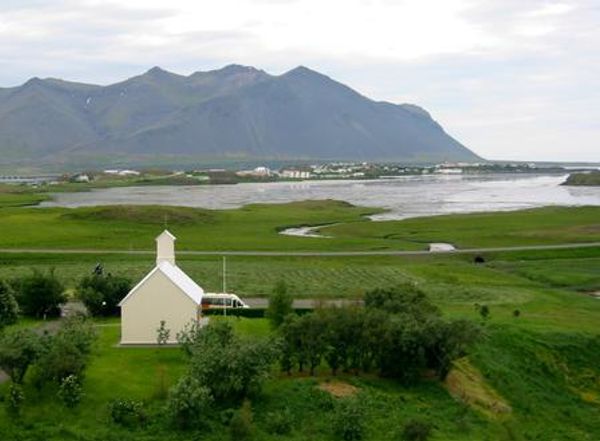
Beruvíkurhraun is a historic location in Iceland mentioned in "Bjarnar saga Hítdælakappa", one of the ancient Íslendingasögur (Sagas of Icelanders). These medieval narratives preserve the history of Iceland's Viking Age settlement.
Djúpalón
Djúpalón is a historic location in Iceland mentioned in "Bárðar saga Snæfellsáss", one of the ancient Íslendingasögur (Sagas of Icelanders). These medieval narratives preserve the history of Iceland's Viking Age settlement.
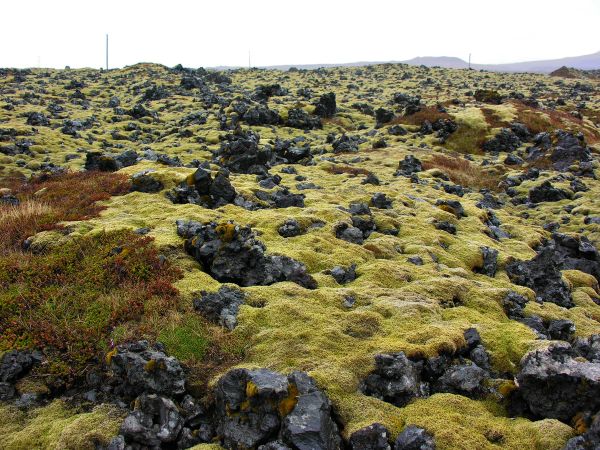
Drangahraun
Drangahraun is a historic location in Iceland mentioned in "Bárðar saga Snæfellsáss", one of the ancient Íslendingasögur (Sagas of Icelanders). These medieval narratives preserve the history of Iceland's Viking Age settlement.
Þrælavík
Þrælavík is a historic location in Iceland mentioned in "Bárðar saga Snæfellsáss", one of the ancient Íslendingasögur (Sagas of Icelanders). These medieval narratives preserve the history of Iceland's Viking Age settlement.
Explore
Hidden Gems Nearby
✦ Best Time of Day
Visit this attraction during golden hour (the hour after sunrise or before sunset) for the most beautiful light.
Iceland's low-angle sunlight creates long shadows and warm colors that transform ordinary scenes into extraordinary ones.
✦ Local Knowledge
Ask locals for their favorite nearby spots — Icelanders are friendly and love sharing recommendations.
The best experiences often come from local tips about lesser-known viewpoints, cafés, or hidden natural features.
✦ Weather Changes
Don't leave if the weather is bad — wait 15 minutes and it often changes dramatically.
Iceland's rapidly changing weather can transform a gray scene into a spectacular display of light and clouds in minutes.
Help
Frequently Asked Questions
Location
📍 Location
Discover
Explore Nearby
Places from our database within 1.0 km — all data from Sanity
Loading nearby places…
0 places found within 1.0 km
Plan full itinerary →Explore More