
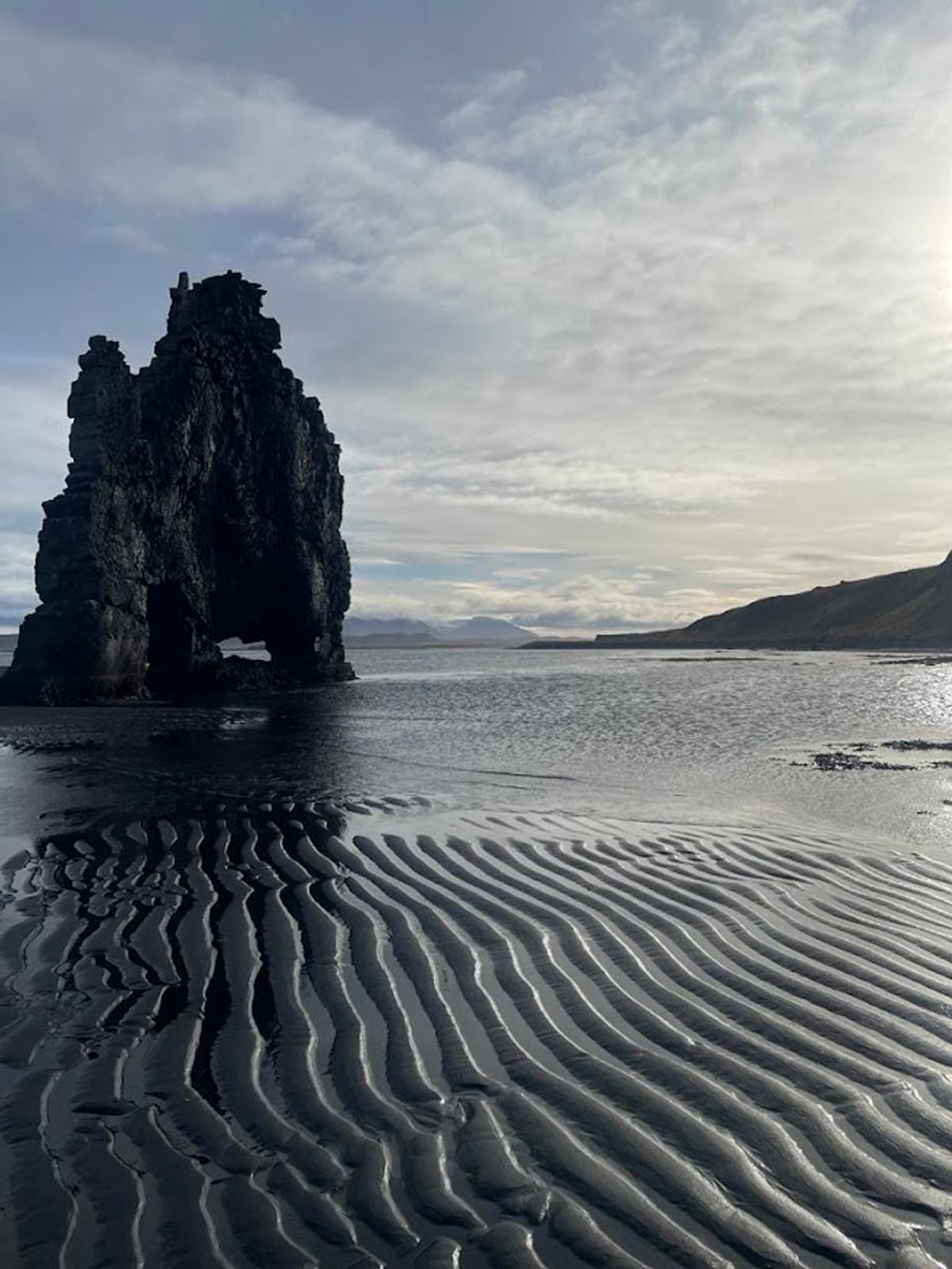
Hvítserkur Rock Formation
Unique basalt sea stack rising from the ocean along Vatnsnes Peninsula
About
About Hvítserkur Rock Formation
Unique basalt sea stack rising from the ocean along Vatnsnes Peninsula
One of Iceland's most photographed coastal rock formations
Tours Near Hvítserkur Rock Formation
Diamond Circle Day Tour from Akureyri or Lake Myvatn
Imagine Iceland Travel · 9 hours
Lake Mývatn Shore Excursion from Akureyri Port - Spanish
Iceland Horizon - Saga Travel - GeoIceland · 6 hours
Private Northern Lights & GeoSea Geothermal Baths Tour (from Akureyri)
Imagine Iceland Travel · 5 hours
Private Combo Day: Lake Myvatn, Dettifoss, Selfoss and Godafoss Waterfalls Tour
Imagine Iceland Travel · 9 hours
Photos
Gallery
Background
History & Background
Hvítserkur has been a significant site in Iceland's landscape. Throughout the years, this location has played an important role in Icelandic culture and natural history.
Hvítserkur is a remarkable natural-wonder in Iceland. Hvítserkur — 'White Shirt' — is a 15-metre basalt sea stack on the eastern shore of Húnaflói bay, famously resembling (depending on your imagination) ... Hvítserkur — 'White Shirt' — is a 15-metre basalt sea stack on the eastern shore of Húnaflói bay, famously resembling (depending on your imagination) a drinking dinosaur, elephant or dragon. Two natural arches at the base have been bored by wave acti. This location offers visitors a unique opportunity to experience Iceland's natural beauty and cultural heritage.
Folklore
Story & Folklore
Hvítserkur — 'White Shirt' — is a 15-metre basalt sea stack on the eastern shore of Húnaflói bay, famously resembling (depending on your imagination) a drinking dinosaur, elephant or dragon. Two natural arches at the base have been bored by wave action through the volcanic rock. Artificial concrete supports were added in 1985 to prevent collapse. The name refers to the white bird droppings from the gannet and kittiwake colony that nests on the ledges. The grey seals that haul out on the beach below are frequently photographed alongside the rock at low tide. Viewing platforms above the beach and a steep path down to the shore make Hvítserkur easily accessible from the Ring Road.
Did You Know?
Legend says the rock formation is a troll turned to stone by sunrise
Culture
Stories & Legends
Icelandic sagas and folklore from this area
Explore
Hidden Gems Nearby
Off-Peak Visit
Visit Hvítserkur during shoulder season (May or September) for a perfect balance of access and solitude.
You'll experience the site without summer crowds while still having good weather and daylight.
Local Flora
Look for the native Icelandic plants growing in the area — Arctic thyme, moss campion, and various lichens.
These resilient plants have adapted to survive harsh conditions and add subtle beauty to the landscape.
Changing Light
Hvítserkur looks dramatically different depending on the time of day and weather conditions.
Cloud shadows, rain showers, and low-angle sunlight can transform the landscape within minutes — Iceland's famous "four seasons in one day."
Help
Frequently Asked Questions
Location
Location
Discover
Explore Nearby
Places within 5.0 km
Loading nearby places…
0 places found within 5.0 km
Plan full itinerary →Explore More