Höfði House — Where the Cold War Ended
Witness history at Höfði House, the white timber building where the Cold War began to thaw.
At a Glance
Visit time
15-30 minutes for exterior viewing and reading the historical marker.
Best season
Daytime, year-round for exterior viewing.
Access
Easily accessible by car, public transport (bus), or a pleasant walk from downtown Reykjavík. Paved roads lead directly to the site.
GPS
64.1465, -21.9064
About
About Höfði House — Where the Cold War Ended
Witness history at Höfði House, the white timber building where the Cold War began to thaw.
Experience the tangible history of the Cold War's end, viewing the iconic house from outside.
Background
History & Background
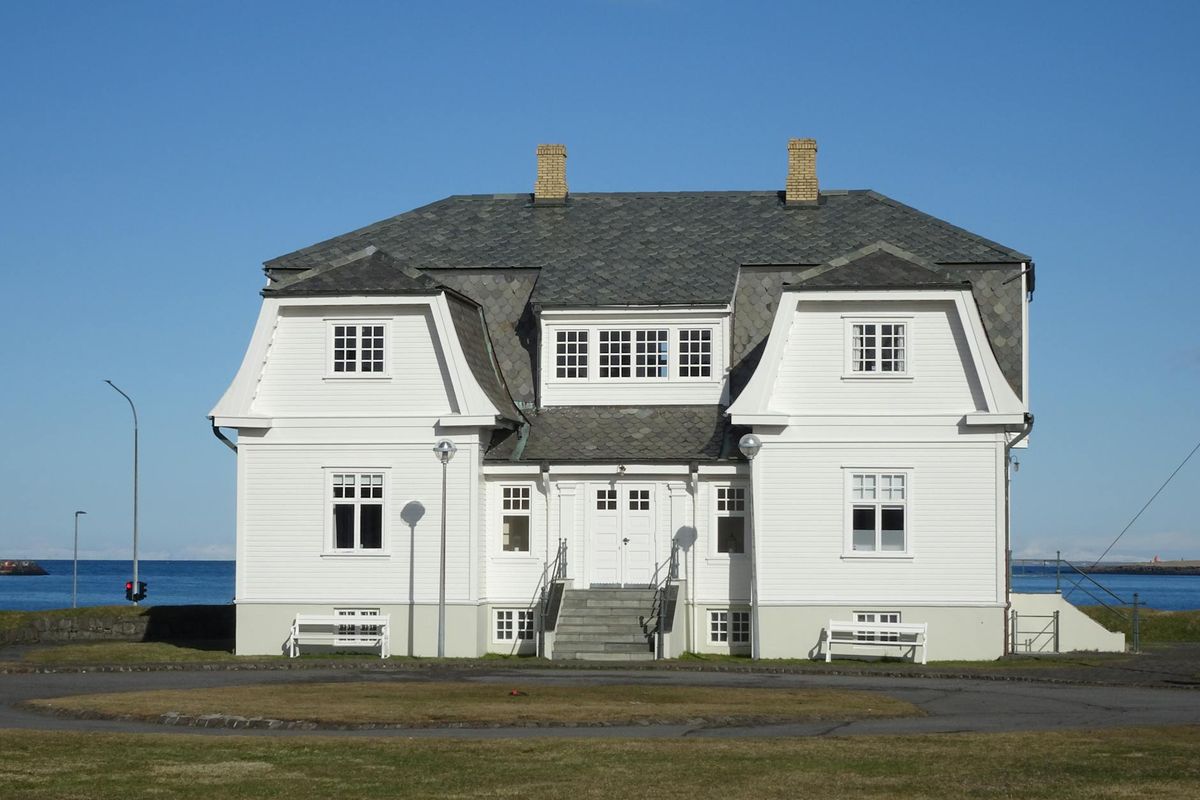
Höfði House, an elegant two-story white timber building, was originally constructed in 1909 to serve as the residence for the French consul in Reykjavík. Its architectural style, reminiscent of traditional Norwegian timber houses, quickly made it a distinctive landmark on the city's waterfront. Over the years, it housed various diplomats and even hosted renowned British poet W.H. Auden in 1964, adding to its rich cultural tapestry. The city of Reykjavík acquired the property in 1958, preserving its unique charm and historical value. The house's global significance soared in October 1986 when it became the unexpected stage for the Reykjavík Summit. Here, US President Ronald Reagan and Soviet leader Mikhail Gorbachev met for two intense days of discussions aimed at reducing massive nuclear arsenals. The leaders came astonishingly close to agreeing on the elimination of all nuclear weapons, a monumental achievement that was ultimately stalled by disagreement over Reagan's Strategic Defense Initiative. Despite the immediate collapse of the summit without a signed treaty, it proved to be a critical turning point. The groundwork laid at Höfði House directly led to the signing of the Intermediate-Range Nuclear Forces (INF) Treaty in 1987 and the Strategic Arms Reduction Treaty (START I) in 1991, effectively marking the beginning of the end of the Cold War. Höfði House now serves as a prestigious venue for official city receptions and diplomatic events, a quiet testament to the power of dialogue. While its doors remain closed to the public, its historical marker and the serene exterior allow visitors to connect with a pivotal moment in global history.
Höfði House, a beautiful two-story white timber building in Norwegian style, was constructed in 1909 as the residence for the French consul. Today, it stands as a monument to peace, prominently located on Reykjavík's waterfront, north of the city center. Its most famous moment came in October 1986, when it hosted the Reykjavík Summit between US President Ronald Reagan and Soviet leader Mikhail Gorbachev. This two-day meeting, held within its lattice-paned windows and under its distinctive gray-shingled roof, was a pivotal event that, despite not yielding an immediate treaty, laid the essential groundwork for later nuclear disarmament agreements like the INF Treaty (1987) and START I Treaty (1991). Gorbachev himself acknowledged Reykjavík as the "breakthrough that made everything else possible." The house, with its elegant white double doors and stone steps leading up to the entrance, is owned by Reykjavík city and primarily used for official receptions and diplomatic events. While not open for public tours, visitors can view this historically significant building from the outside, appreciating its charming architecture and contemplating its profound impact on 20th-century history. Benches are available for contemplation, offering views of the house against the clear blue sky and the sparkling bay.
Folklore
Story & Folklore
Perched gracefully by the tranquil blue waters of Reykjavík, Höfði House appears a serene, picturesque dwelling. Yet, within its white timber walls and beneath its distinctive gray-shingled roof, a dramatic chapter of global history unfolded in October 1986. Here, US President Ronald Reagan and Soviet leader Mikhail Gorbachev engaged in intense discussions that would ultimately reshape the world. For two days, the fate of nuclear arms hung in the balance, with the leaders almost agreeing to eliminate all such weapons. Though no treaty was signed immediately, the Reykjavík Summit was the crucial breakthrough, a quiet Icelandic moment that set in motion the end of the Cold War and led to landmark disarmament agreements. Standing before this house, one can almost feel the weight of those historic conversations.
💡 Did You Know?
The 1986 Reykjavík Summit nearly eliminated all nuclear weapons, with leaders coming extraordinarily close before disagreeing on 'Star Wars' missile defense.
Local Legend
The House That Nearly Ended Nuclear War
For two days in October 1986, Reagan and Gorbachev sat in Höfði House and came within a hair's breadth of agreeing to eliminate all nuclear weapons. They failed — but the attempt changed history anyway.
Culture
Stories & Legends
Icelandic sagas and folklore from this area
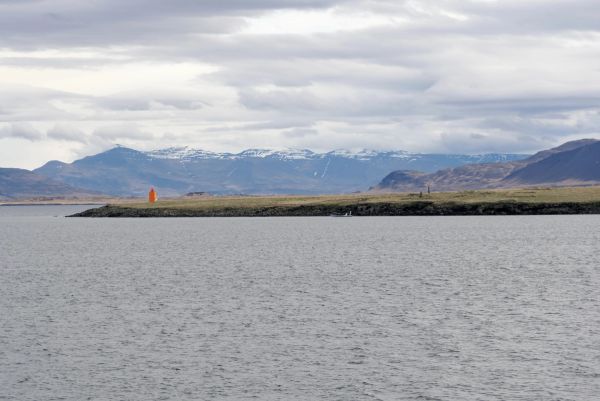
Engey
Engey is a historic location in Iceland mentioned in "Njáls saga", one of the ancient Íslendingasögur (Sagas of Icelanders). These medieval narratives preserve the history of Iceland's Viking Age settlement.
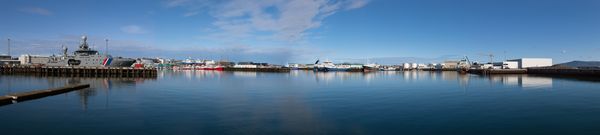
Reykjavík
Reykjavík is a historic location in Iceland mentioned in "Harðar saga og Hólmverja", one of the ancient Íslendingasögur (Sagas of Icelanders). These medieval narratives preserve the history of Iceland's Viking Age settlement.

Skuggabaldur – The Shadow Creature
Skuggabaldur: A phantom dog guarding forgotten paths.
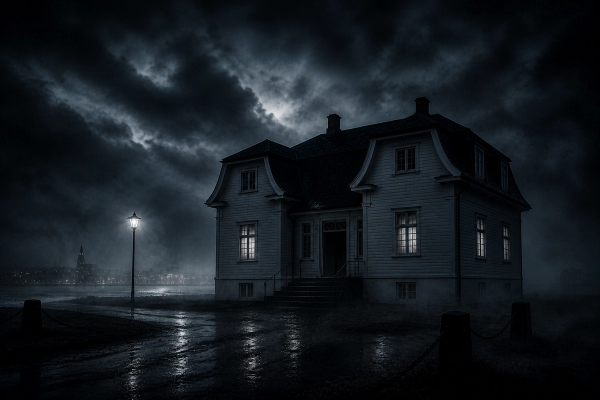
Höfði House – Reykjavík's Haunted Mansion
Höfði House: Reykjavík's historic mansion with a chilling paranormal past.
Explore
Hidden Gems Nearby
✦ The Historical Marker
The marker outside Höfði describes the summit and its significance — standing there reading about Reagan and Gorbachev's near-agreement to eliminate nuclear weapons is genuinely moving.
✦ The Waterfront View
Höfði sits on the waterfront facing Faxaflói bay and Mount Esja — the same view Reagan and Gorbachev saw while negotiating the fate of the world.
Help
Frequently Asked Questions
Location
📍 Location
Discover
Explore Nearby
Places from our database within 1.0 km — all data from Sanity
Loading nearby places…
0 places found within 1.0 km
Plan full itinerary →Explore More