
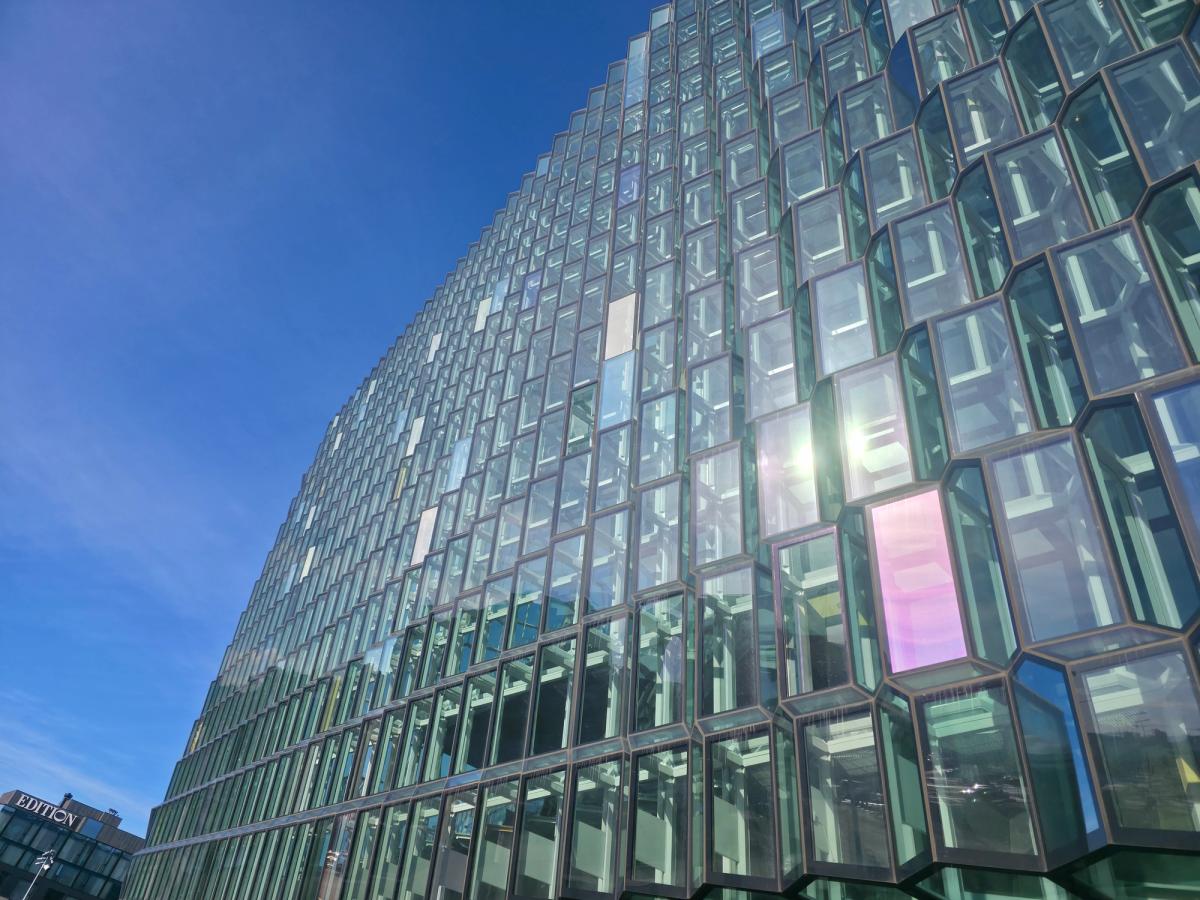
Harpa Concert Hall and Conference Centre
Explore Harpa’s shimmering glass facade, open public foyer and Reykjavík waterfront concerts and events.
At a Glance
Visit time
20–45 minutes for a self-guided visit, longer for performances
Best Season
Daytime for glass reflections; twilight for the illuminated facade
Getting There
Central Reykjavík harbourfront; the public foyer is normally free during building hours. Concerts are ticketed.
GPS
64.1500, -21.9325
About
About Harpa Concert Hall and Conference Centre
Explore Harpa’s shimmering glass facade, open public foyer and Reykjavík waterfront concerts and events.
See world-class modern architecture and Reykjavík’s thriving music scene beside the harbour.
Tours Near Harpa Concert Hall and Conference Centre

Private Reykjavik LGBTQ+ City Walk
Your Friend in Reykjavik · 3 hours
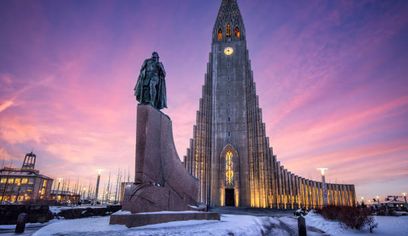
Private Reykjavik City Tour
Icelimo Luxurytravel · 4 hours

Private 3 hour Reykjavik Driving Tour
Your Friend in Reykjavik · 3 hours
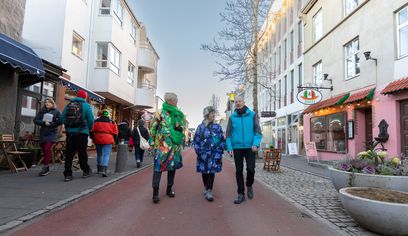
Private Reykjavik Shopping & Sightseeing Walking Tour
Your Friend in Reykjavik · 3 hours
Photos
Gallery
Background
History & Background
Construction of Harpa began in 2007, paused in October 2008 and resumed in 2009. The Iceland Symphony Orchestra’s first concert in Eldborg took place in May 2011, and the building formally opened on 13 May 2011. Its architecture is by Henning Larsen Architects and Batteríið Architects, with Ólafur Elíasson collaborating on its distinctive glass facade. The project became a symbol of cultural investment after Iceland’s financial crisis.
Harpa Concert Hall and Conference Centre is one of Reykjavík’s defining modern buildings. It opened in 2011 on the waterfront after a construction pause during the 2008 financial crisis. It was designed by Henning Larsen Architects in collaboration with Batteríið Architects; the distinctive glass facade was created with artist Ólafur Elíasson. Harpa hosts the Iceland Symphony Orchestra, concerts, festivals and conferences. You can generally enter the building and explore the public foyer for free during public opening hours, while performances, exhibitions and specialised experiences require separate tickets. Harpa’s current official opening hours are Sunday–Tuesday 10:00–18:00 and Wednesday–Saturday 10:00–20:00, with possible changes for events and holidays. Its box office is normally open daily 10:00–18:00. The on-site car park operates 24 hours, with parking charges applying. Check harpa.is for the latest schedule and individual event times. Allow 20–45 minutes for architecture, photography and the foyer, or longer if seeing a performance. Nearby highlights include the Old Harbour, Faxaflói Bay and the waterfront walk toward Sun Voyager.
Folklore
Story & Folklore
Beside Reykjavík’s harbour, Harpa changes colour with every shift of light and weather. Its crystalline geometric facade is the work of architects and Danish-Icelandic artist Ólafur Elíasson, who drew on Icelandic basalt forms and reflections. The ambitious project was begun before Iceland’s 2008 financial crisis, when construction paused, but it was completed and officially opened in May 2011. Harpa has since become the home of the Iceland Symphony Orchestra and a major setting for concerts, conferences, festivals and cultural events. You do not need a performance ticket just to admire the building during its public opening hours: step into the foyer, look up at the glass geometry and see the harbour through changing coloured panes. Paid performances, exhibits and other attractions inside have their own admission rules. The harbour waterfront outside Harpa is an inviting place to walk toward Sun Voyager or Reykjavík’s Old Harbour, and is especially atmospheric at twilight.
Did You Know?
Harpa's geometric façade was co-designed by Olafur Eliasson, the Icelandic-Danish artist famous for weather project installations at Tate Modern.
Culture
Stories & Legends
Icelandic sagas and folklore from this area
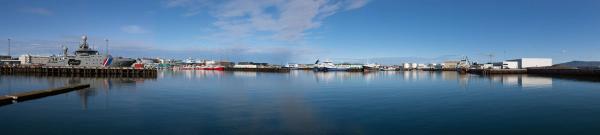
Reykjavík
Reykjavík is a historic location in Iceland mentioned in "Harðar saga og Hólmverja", one of the ancient Íslendingasögur (Sagas of Icelanders). These medieval narratives preserve the history of Iceland's Viking Age settlement.

Skuggabaldur – The Shadow Creature
Skuggabaldur: A phantom dog guarding forgotten paths.
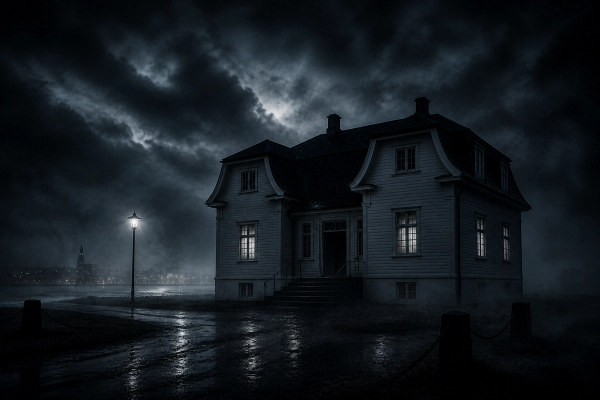
Höfði House – Reykjavík's Haunted Mansion
Höfði House: Reykjavík's historic mansion with a chilling paranormal past.

The Settlement of Iceland – Land of Fire and Freedom
Iceland: Land of Fire and Freedom, forged by Vikings and volcanic might.
Explore
Hidden Gems Nearby
Glass façade light reflections at sunset
Harpa’s glass panels reflect the changing light of the harbour and Mount Esja, creating one of the most photogenic moments in Reykjavík during sunset.
One of the best photography moments in Reykjavík, especially during sunset and evening light.
Free entry cultural landmark
Visitors can enter Harpa’s public areas freely and explore the building without purchasing a concert ticket.
Best evening photo location in Reykjavík
Harpa becomes especially photogenic after sunset when the glass façade lights up in changing colours.
Home of the Iceland Symphony Orchestra
Harpa hosts performances by the Iceland Symphony Orchestra and international artists throughout the year.
Perfect bad-weather activity
Harpa is an excellent indoor stop during rain, wind, or snow while exploring downtown Reykjavík.
Central waterfront location
Located between the Old Harbour and downtown Reykjavík, Harpa is easy to combine with a walking route through the city centre.
Help
Frequently Asked Questions
Location
Location
Discover
Explore Nearby
Places within 5.0 km
Loading nearby places…
0 places found within 5.0 km
Plan full itinerary →Explore More