Hafnarborg — Arts Centre of Hafnarfjörður
The principal art museum of Iceland's 'elf town' Hafnarfjörður — permanent collection and major exhibitions.
About
About Hafnarborg — Arts Centre of Hafnarfjörður
The principal art museum of Iceland's 'elf town' Hafnarfjörður — permanent collection and major exhibitions.
Hafnarborg is the main cultural centre and art museum of Hafnarfjörður, the third-largest city in Iceland and famous as 'the town of elves'.
Background
History & Background
Hafnarfjörður is one of Iceland's oldest trading ports, with commerce recorded from the 14th century. The town was the main import-export hub for Iceland in the 15th–16th centuries, when English and German merchants dominated Icelandic trade. The lava field Hellisgerði in the town centre is regarded by local tradition as home to a large community of elves — a belief so strong that the municipality employs an 'elf specialist' for infrastructure projects.
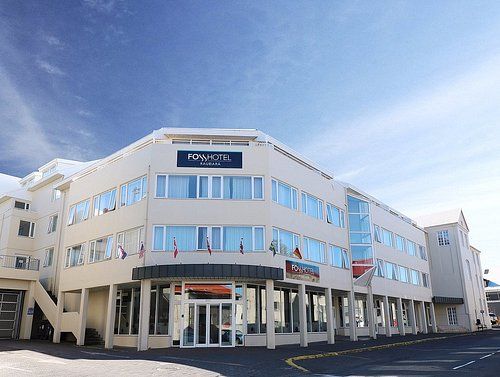
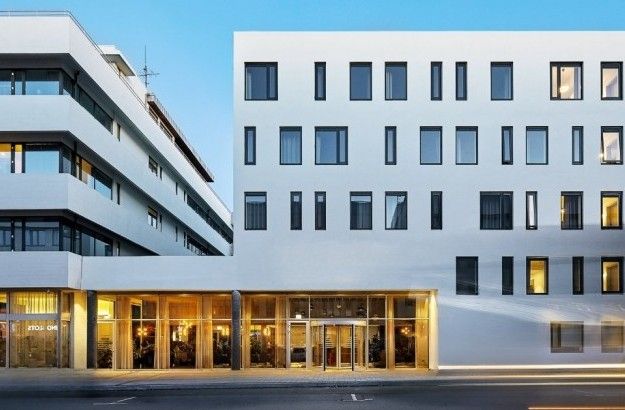
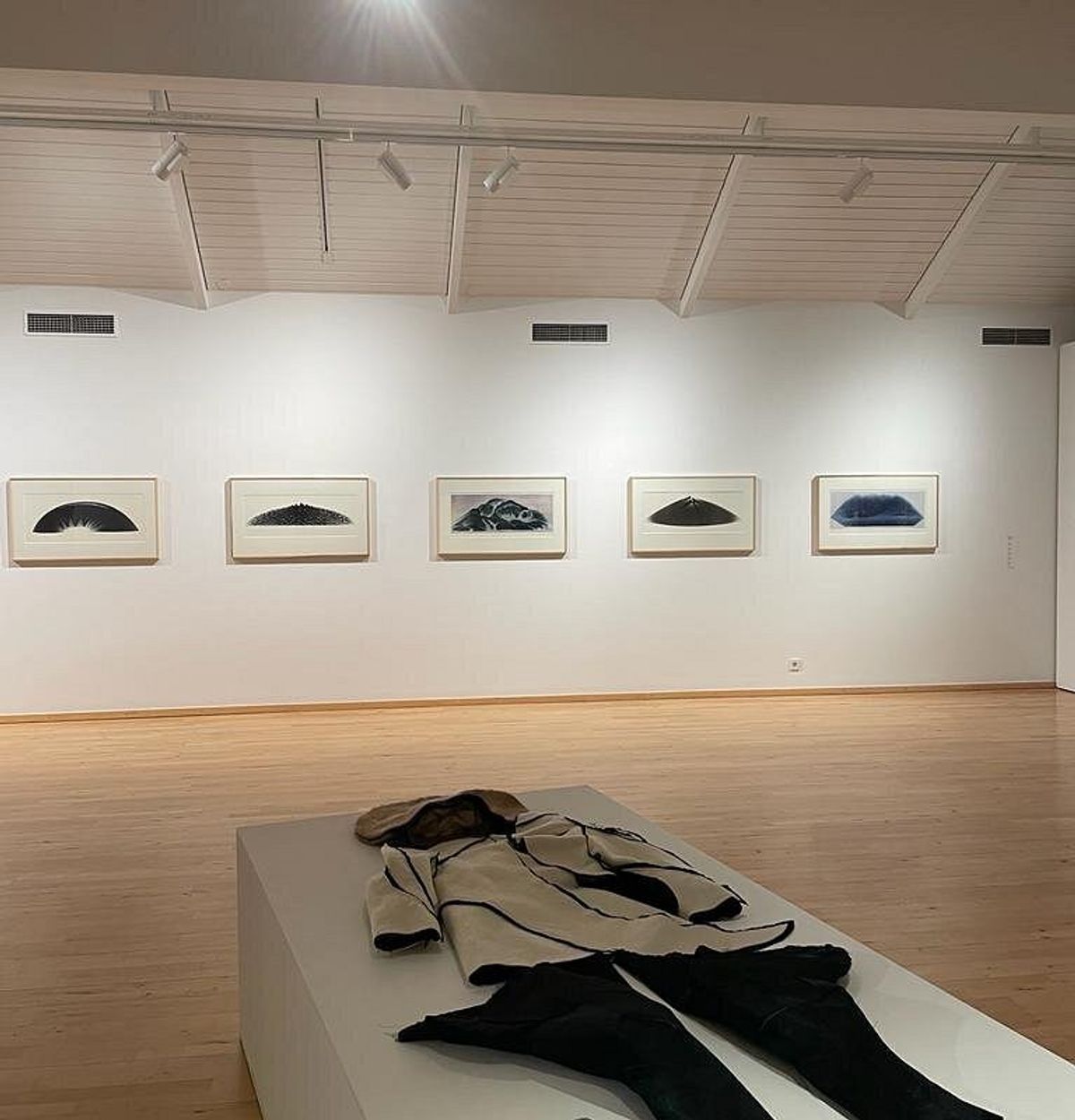
Hafnarborg was established in 1983 when the merchant Sverrir Gunnarsson donated his home on Strandgata to the municipality of Hafnarfjörður on the condition it be used as a cultural centre. The building had been constructed in the 1930s and is one of the finest examples of neoclassical residential architecture in Iceland. The centre hosts a programme of exhibitions, concerts, literary events and art courses year-round. The permanent collection includes works by many of Iceland's most important painters and sculptors. The temporary exhibition programme often features artists from across the Nordic region. Hafnarborg also manages the public art throughout Hafnarfjörður — the town has an unusually rich collection of outdoor sculpture for its size, including works on the harbour front and in the lava field park Hellisgerði.
Folklore
Story & Folklore
Hafnarfjörður is famous throughout Iceland for two things: the Viking Festival each June, and the belief, held by a significant proportion of the population, that the city's lava field is populated by hidden people (huldufólk). Hafnarborg stands in the centre of this most Icelandic of towns, offering a more conventional cultural experience alongside the lore of the elves. The building is beautiful — a white neoclassical mansion donated to the town by the merchant Sverrir Gunnarsson in 1983, who stipulated it should be used for cultural purposes. The art collection ranges from 19th-century Icelandic painters to contemporary works, and the programme of temporary exhibitions brings significant shows from Reykjavík and beyond. The harbour of Hafnarfjörður below the centre is one of the most active fishing ports in the country. The combination of Viking heritage, elf lore, a working harbour and a quality art museum makes Hafnarfjörður surprisingly rich for a town of 30,000 people.
💡 Did You Know?
The municipality of Hafnarfjörður publishes an official 'elf map' showing the locations of known elf settlements in the lava field — it is available at the tourist office and is entirely serious.
Local Legend
The Elf Town's Unlikely Museum
In the most folklore-rich town in Iceland, where city planners literally reroute roads around elf rocks, Hafnarborg provides art, music and culture to the community that lives between the visible and the invisible world.
Experiences
Tours Near Hafnarborg — Arts Centre of Hafnarfjörður
Best-rated Iceland experiences — book with free cancellation


Culture
Stories & Legends
Icelandic sagas and folklore from this area
Explore
Hidden Gems Nearby
✦ Hellisgerði Elf Park
The lava field park Hellisgerði in the centre of town is where most of the elf activity is supposedly concentrated — walk through the twisted lava with the map and it becomes surprisingly easy to see why people believe this.
✦ The Harbour Front Sculpture Walk
Hafnarborg manages an outdoor sculpture programme along the harbour front — there are over a dozen significant works along the short harbour walk, almost all of them unknown to tourists.
Help
Frequently Asked Questions
Location
📍 Location
Discover
Explore Nearby
Places from our database within 1.0 km — all data from Sanity
Loading nearby places…
0 places found within 1.0 km
Plan full itinerary →Explore More