Grenjaðarstaður í Aðaldal
Step back in time at Grenjaðarstaður, an open-air museum showcasing iconic Icelandic turf houses.
About
About Grenjaðarstaður í Aðaldal
Step back in time at Grenjaðarstaður, an open-air museum showcasing iconic Icelandic turf houses.
Experience Iceland's unique architectural past and cultural resilience firsthand amidst stunning northern landscapes.
Background
History & Background
Grenjaðarstaður boasts a long and significant history, dating back to the settlement era of Iceland. For centuries, it served as one of the most important farms and church sites in North Iceland, acting as a spiritual and administrative center for the Aðaldalur region. The first church here is believed to have been built shortly after the adoption of Christianity in Iceland around 1000 AD, a testament to its enduring religious importance. Over the generations, Grenjaðarstaður evolved into a prominent chieftain's residence, a hub where local power, culture, and community life converged. The farm's buildings, like many in Iceland, were constructed using the traditional turf house method, which ingeniously utilized local materials – stone, timber, and turf – to create insulated and durable homes capable of withstanding the harsh Icelandic climate. The current museum site preserves several examples of these fascinating structures, showcasing the evolution of Icelandic turf architecture and living conditions. Today, Grenjaðarstaður operates as an open-air folk museum, managed by the National Museum of Iceland. It offers a unique window into the past, allowing visitors to explore the meticulously restored turf houses and the 19th-century timber church. The site stands as a living monument to the ingenuity and resilience of the Icelandic people, preserving a vital part of their architectural and cultural heritage for future generations.
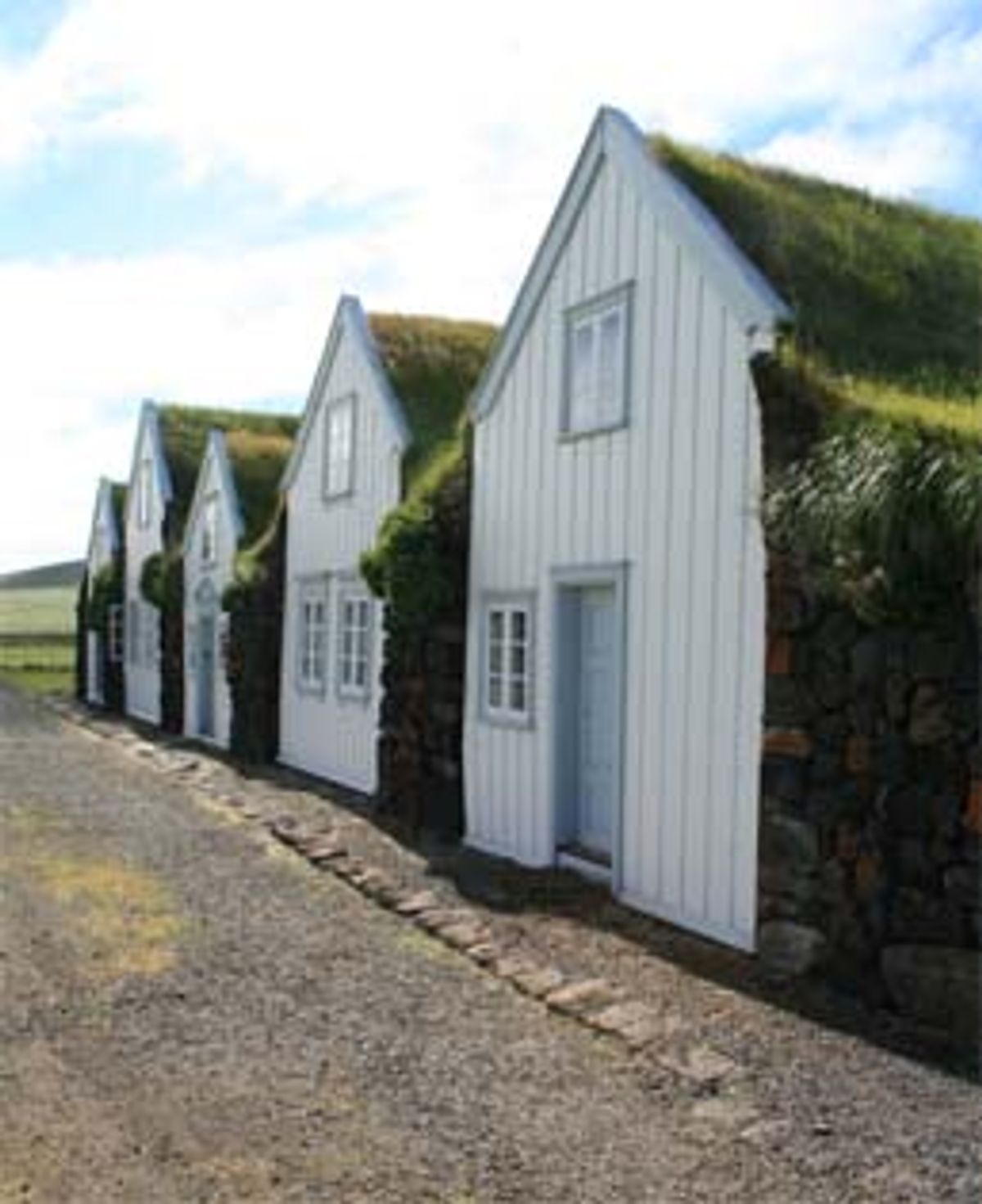
Grenjaðarstaður í Aðaldal is a remarkable open-air museum in North Iceland, offering visitors a unique and immersive opportunity to experience Iceland's rich cultural heritage. This site is renowned for its beautifully preserved traditional turf houses, which stand in a picturesque row, their distinctive grass roofs, white wooden gables, and sturdy stone foundations presenting a captivating architectural tableau. As you stroll along the gravel path, you'll feel transported to a bygone era, gaining insight into the daily lives, resourcefulness, and building traditions of early Icelandic settlers. The museum complex at Grenjaðarstaður includes not only several turf houses, each showcasing different aspects of historical living and work, but also an old timber church from 1879. The interiors of the turf houses are often furnished with period items, providing a tangible sense of what life was like in rural Iceland centuries ago. The site's historical significance extends beyond its museum status; it was once a powerful chieftain's seat and a prominent church site for centuries, making it a focal point of social and spiritual life in the region. A visit here is not just about seeing old buildings; it's about understanding the deep connection between the Icelandic people and their environment, and appreciating the ingenious ways they adapted to life in a challenging landscape. It's a truly authentic off-the-beaten-path experience that enriches any North Iceland itinerary.
Folklore
Story & Folklore
The gravel crunches softly underfoot as you approach, a gentle symphony accompanying your journey back in time. Before you stands a row of iconic Icelandic turf houses, their vibrant green roofs blending seamlessly with the surrounding landscape, as if the very earth had given birth to these dwellings. The crisp northern air carries a faint scent of damp earth and old wood, a testament to the centuries these structures have endured. Each white wooden gable, stark against the verdant turf and dark stone bases, tells a silent story of the families who sought shelter here, of their daily struggles and triumphs. You can almost hear the faint echoes of laughter, the murmur of conversations, and the crackle of a warm fire within their sturdy walls. It's a profound moment, standing amidst architecture that perfectly marries human ingenuity with the raw power of nature, offering a window into a resilient way of life that shaped this remarkable island.
💡 Did You Know?
Grenjaðarstaður was once one of Iceland's most significant church sites and chieftain residences, a hub of power and culture for centuries.
Local Legend
The Whispering Roofs of Grenjaðarstaður
Locals say that on quiet evenings, especially when the northern winds sweep through Aðaldalur, the grass roofs of Grenjaðarstaður whisper stories of generations past. They speak of harsh winters, bountiful summers, and the resilience of those who built lives within their earthen walls, a gentle reminder of Iceland's enduring spirit.
Experiences
Tours Near Grenjaðarstaður í Aðaldal
Best-rated Iceland experiences — book with free cancellation


Culture
Stories & Legends
Icelandic sagas and folklore from this area
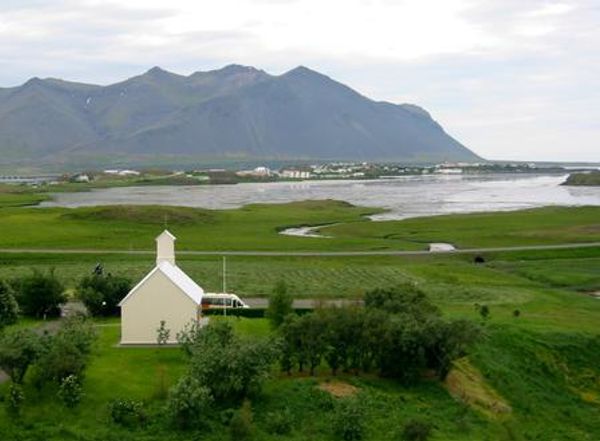
Helgastaðir
Helgastaðir is a historic location in Iceland mentioned in "Reykdæla saga og Víga-Skútu", one of the ancient Íslendingasögur (Sagas of Icelanders). These medieval narratives preserve the history of Iceland's Viking Age settlement.
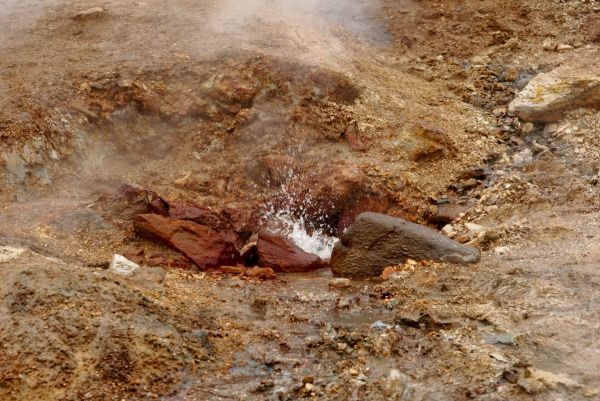
Mýlaugsstaðir
Mýlaugsstaðir is a historic location in Iceland mentioned in "Reykdæla saga og Víga-Skútu", one of the ancient Íslendingasögur (Sagas of Icelanders). These medieval narratives preserve the history of Iceland's Viking Age settlement.
Reykjadalur
Reykjadalur is a historic location in Iceland mentioned in "Ljósvetninga saga", one of the ancient Íslendingasögur (Sagas of Icelanders). These medieval narratives preserve the history of Iceland's Viking Age settlement.

Vestmannsvatn
Vestmannsvatn is a historic location in Iceland mentioned in "Reykdæla saga og Víga-Skútu", one of the ancient Íslendingasögur (Sagas of Icelanders). These medieval narratives preserve the history of Iceland's Viking Age settlement.
Explore
Hidden Gems Nearby
✦ The Old Church
Explore the meticulously preserved wooden church on site, dating back to 1879, which served the community for decades.
It offers a serene space for reflection and a glimpse into the religious life of the past, distinct from the turf houses.
✦ Interior Exhibits of Daily Life
Step inside several turf houses to discover authentic period furnishings, tools, and textiles, illustrating daily life in rural Iceland.
Gain a profound appreciation for the ingenuity and resourcefulness of early Icelandic settlers and their domestic world.
✦ The Farmhouse Museum Shop
Browse a small shop featuring handmade Icelandic woolens, local crafts, and books about Icelandic history and folklore.
Support local artisans and take home a unique, authentic souvenir that reflects the region's cultural heritage.
Help
Frequently Asked Questions
Location
📍 Location
Discover
Explore Nearby
Places from our database within 1.0 km — all data from Sanity
Loading nearby places…
0 places found within 1.0 km
Plan full itinerary →Explore More