Flateyri
Resilient Westfjords village, rebuilt after avalanche, offering dramatic fjord views and a historic bookshop.
About
About Flateyri
Resilient Westfjords village, rebuilt after avalanche, offering dramatic fjord views and a historic bookshop.
Witness a community's resilience, enjoy dramatic fjord views, and explore a unique historic bookshop.
Background
History & Background
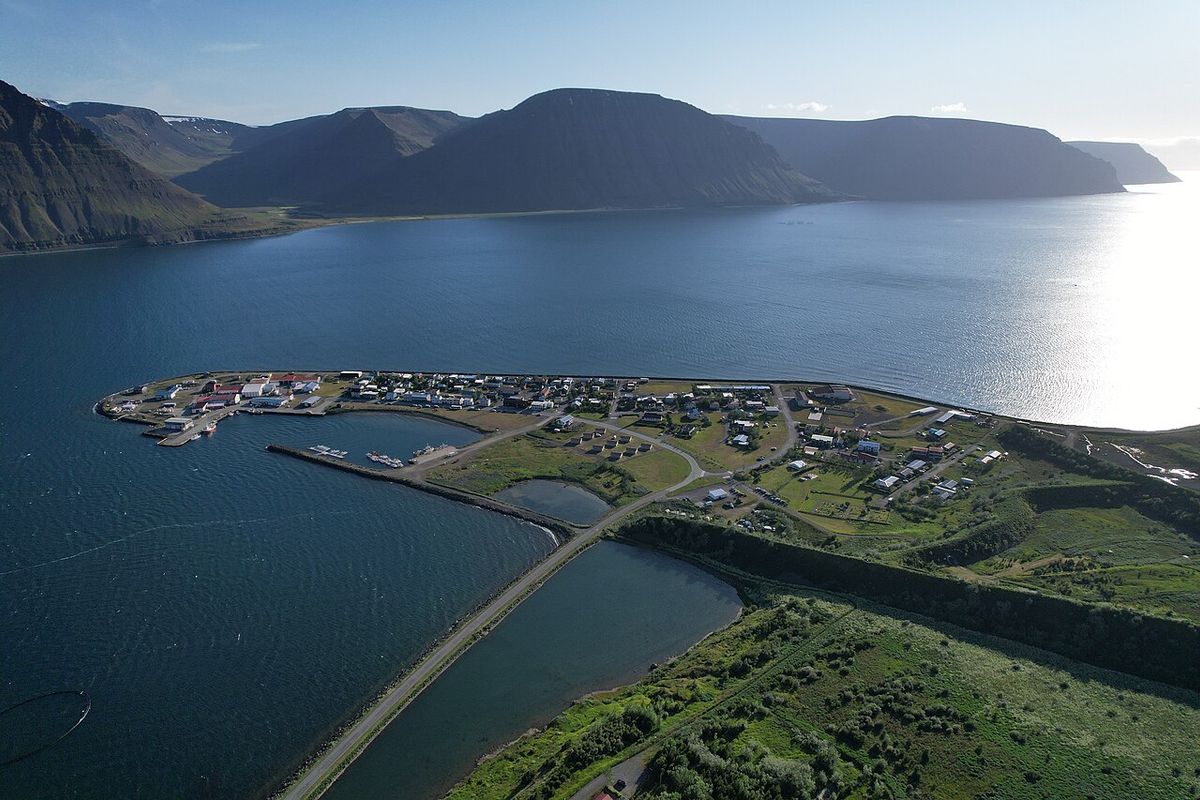
Flateyri's history is deeply intertwined with its dramatic location on a flat spit of land within Önundarfjörður in the Westfjords. While details of its early settlement are not provided, its modern narrative is significantly shaped by a devastating event. The village was tragically struck by an avalanche, a severe natural disaster that tested the very core of its existence. Following the avalanche, the community of Flateyri demonstrated extraordinary resilience and determination. The village was rebuilt, a testament to the strong spirit of its inhabitants who refused to abandon their home despite the challenges. This rebuilding effort underscores the deep connection the people have to their land and their commitment to preserving their way of life in this remote and beautiful region.
Flateyri, a captivating village in the heart of Iceland's remote Westfjords, is an essential stop for travelers seeking both natural beauty and a compelling human story. Located on a flat spit of land that extends into the serene waters of Önundarfjörður, the village is framed by towering mountains and offers truly dramatic fjord views that are characteristic of this wild region. What truly sets Flateyri apart, however, is its remarkable resilience. The village has a poignant history, having been tragically struck by an avalanche and subsequently rebuilt by its determined community. This spirit of perseverance is palpable throughout Flateyri, making it a powerful example of human courage in the face of nature's might. Beyond its inspiring backstory, Flateyri provides a tranquil setting for exploration. Visitors can wander through the village, discover its historic bookshop – a charming cultural gem – and simply absorb the peaceful atmosphere. The surrounding landscape offers ample opportunities for photography, with the ever-changing light on the fjord and mountains creating breathtaking vistas. Flateyri serves as a gateway to further adventures in the Westfjords, embodying the rugged charm and indomitable spirit that defines this unique corner of Iceland.
Folklore
Story & Folklore
Nestled in the dramatic embrace of Önundarfjörður, Flateyri emerges from the rugged Westfjords landscape, a beacon of human tenacity. This charming village, situated on a slender spit of land, has faced the raw power of nature and emerged stronger. Its story is etched not just in its dramatic fjord views but in the very fabric of its rebuilt homes and community spirit. Visitors walking its quiet streets can sense the deep connection to the land and the unwavering resolve that defines this place. The historic bookshop, a quiet guardian of stories, reflects the village's enduring cultural heart, while the surrounding peaks stand as silent witnesses to its past and present, offering a profound sense of place and survival against the odds.
💡 Did You Know?
Flateyri stands as a testament to resilience, having been rebuilt and revitalized after a devastating avalanche, showcasing the strong spirit of its community.
Local Legend
No specific local legend provided in source material
The provided research does not include information about a local legend or myth for Flateyri.
Experiences
Tours Near Flateyri
Best-rated Iceland experiences — book with free cancellation


Culture
Stories & Legends
Icelandic sagas and folklore from this area
Explore
Hidden Gems Nearby
✦ Off-Peak Visit
Visit Flateyri during shoulder season (May or September) for a perfect balance of access and solitude.
You'll experience the site without summer crowds while still having good weather and daylight.
✦ Local Flora
Look for the native Icelandic plants growing in the area — Arctic thyme, moss campion, and various lichens.
These resilient plants have adapted to survive harsh conditions and add subtle beauty to the landscape.
✦ Changing Light
Flateyri looks dramatically different depending on the time of day and weather conditions.
Cloud shadows, rain showers, and low-angle sunlight can transform the landscape within minutes — Iceland's famous "four seasons in one day."
Help
Frequently Asked Questions
Location
📍 Location
Discover
Explore Nearby
Places from our database within 1.0 km — all data from Sanity
Loading nearby places…
0 places found within 1.0 km
Plan full itinerary →Explore More