Einar Jónsson Museum — Iceland's Symbolic Sculptor
Iceland's great symbolic sculptor — free sculpture garden open year-round beside Hallgrímskirkja.
About
About Einar Jónsson Museum — Iceland's Symbolic Sculptor
Iceland's great symbolic sculptor — free sculpture garden open year-round beside Hallgrímskirkja.
The museum occupies Jónsson's own purpose-built home and studio, and the enclosed sculpture garden behind the building is free to enter year-round, displaying 26 of his most powerful bronze castings.
Background
History & Background
Einar Jónsson was born 1874 in Þórsmörk and showed artistic talent from childhood. He secured a scholarship to Copenhagen, then studied in Rome, returning to Iceland as the country's first serious sculptor. He designed his house-museum in 1923, negotiating with the Icelandic state to ensure his legacy. He worked in the building until his death in 1954, having created over 150 major works.
Einar Jónsson (1874–1954) was Iceland's first professional sculptor, and the artist who gave Icelandic visual culture its first monumental symbolic language. Born in Galtafell in south Iceland, he studied in Copenhagen and Rome before returning to devote his life to creating a body of work rooted in his homeland. His subjects draw on Norse mythology (Ásgarðsmenn, Sigurður and Fáfnir), Christian iconography (Pieta, The Guardian of the Holy Fire) and universal human themes of struggle, love and transcendence. The style is essentially Symbolist — dense with hidden meaning, emotionally charged, physically powerful. Jónsson donated his entire life's work to the Icelandic nation on the condition that a museum was built in his home. The museum was founded in 1923 and has preserved his studio, personal effects and all 150+ major works. The outdoor sculpture garden is free to enter.
Folklore
Story & Folklore
Einar Jónsson is to Icelandic sculpture what Kjarval is to painting — the undisputed founding master. His dense, symbolic bronze works populate a private universe of Norse myth, Christian theology and Icelandic folk belief, rendered in a monumental style that feels simultaneously ancient and intensely personal. Jónsson designed and built his own home and studio on Eiríksgata in 1923, on the condition that it would become a museum after his death. He lived and worked here until 1954, producing works of increasing psychological intensity. The enclosed garden behind the building contains 26 large bronze castings — including the famous Outlaws, a man fleeing with a woman on his back across a broken landscape that feels like an allegory for all of Icelandic history. The sculpture garden is free to enter and open all year — it is one of the finest free cultural experiences in Reykjavík, and one of the least visited.
💡 Did You Know?
Einar Jónsson's sculpture 'Outlaws' (Útlagarnir) — a man carrying a woman on his back while fleeing across a hostile landscape — is considered by many to be the most powerful single artwork ever created by an Icelander.
Local Legend
The Sculptor Who Gave Iceland Its Soul
Einar Jónsson spent 50 years translating the entire mythology, spirituality and hardship of Icelandic existence into bronze — and then gave it all to the nation.
Experiences
Tours Near Einar Jónsson Museum — Iceland's Symbolic Sculptor
Best-rated Iceland experiences — book with free cancellation


Culture
Stories & Legends
Icelandic sagas and folklore from this area
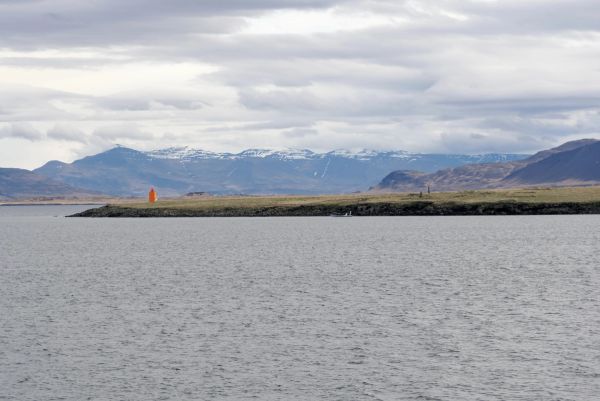
Engey
Engey is a historic location in Iceland mentioned in "Njáls saga", one of the ancient Íslendingasögur (Sagas of Icelanders). These medieval narratives preserve the history of Iceland's Viking Age settlement.
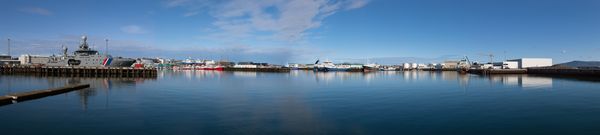
Reykjavík
Reykjavík is a historic location in Iceland mentioned in "Harðar saga og Hólmverja", one of the ancient Íslendingasögur (Sagas of Icelanders). These medieval narratives preserve the history of Iceland's Viking Age settlement.
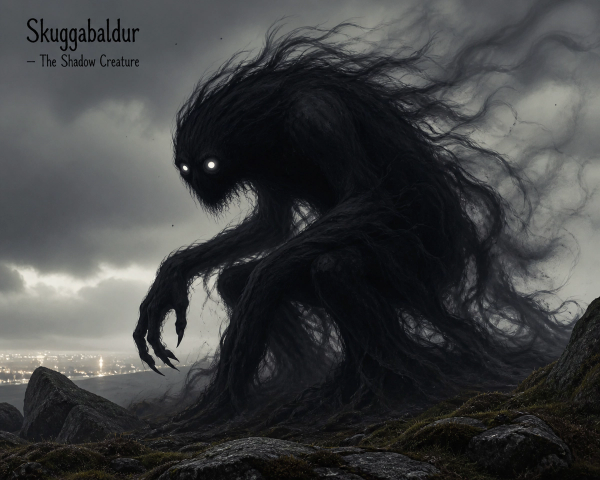
Skuggabaldur – The Shadow Creature
Skuggabaldur: A phantom dog guarding forgotten paths.
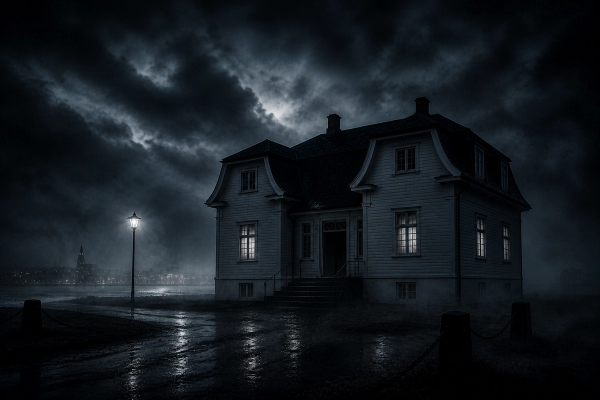
Höfði House – Reykjavík's Haunted Mansion
Höfði House: Reykjavík's historic mansion with a chilling paranormal past.
Explore
Hidden Gems Nearby
✦ Outlaws — The Masterpiece
Seek out 'Útlagarnir' (Outlaws) in the garden: a man carrying a woman on his back across a desolate landscape. It's one of the most emotionally overwhelming artworks in Iceland.
✦ The Studio
Inside the museum, Jónsson's original studio has been preserved exactly as he left it — the sense of a creative life still present in a room is palpable.
Help
Frequently Asked Questions
Location
📍 Location
Discover
Explore Nearby
Places from our database within 1.0 km — all data from Sanity
Loading nearby places…
0 places found within 1.0 km
Plan full itinerary →Explore More