
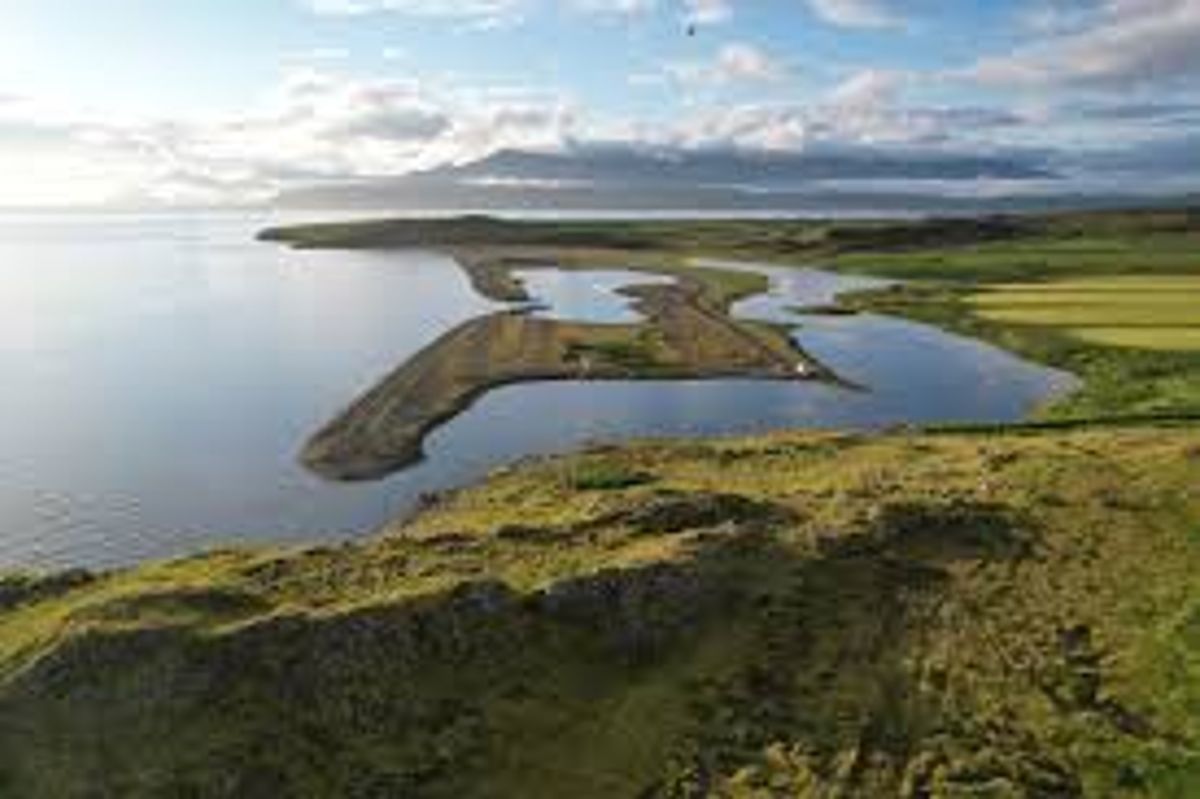
Búðasandur
Discover the unique golden sands of Búðasandur, a rare spectacle in a land of black beaches. Here, the ocean's roar harmonizes with the ancient lava fields of B…
About
About Búðasandur
Discover the unique golden sands of Búðasandur, a rare spectacle in a land of black beaches. Here, the ocean's roar harmonizes with the ancient lava fields of Búðahraun, all framed by the majestic Snæfellsjökull glacier. It's a place where elemental forces converge in breathtaking beauty.
Experience Iceland's only truly golden beach, a stunning contrast to the typical black sands.
Background
History & Background
The area around Búðir has a rich history as one of the oldest trading posts in West Iceland, dating back to the Hanseatic League era. Though the trading activities have long ceased, the remnants of this past linger in the landscape. The most prominent historical landmark is Búðakirkja, the black church. Originally built in 1703, it fell into disrepair and was deconsecrated in 1816 before being rebuilt in 1848 by local residents, and then meticulously restored in the late 20th century. The Búðahraun lava field, which cradles Búðasandur, is itself a testament to Iceland's powerful geological forces. Formed by an eruption thousands of years ago, it is now a protected nature reserve, home to unique flora and fauna that thrive in its rugged terrain. This interplay of human history and natural forces makes Búðasandur not just a beautiful beach, but a living museum of Iceland's past.
Búðasandur, nestled on the southern coast of the Snæfellsnes Peninsula, is a geological anomaly and a photographer's dream. Unlike the prevalent black volcanic beaches found throughout Iceland, Búðasandur boasts stunning golden sands, a result of pulverized seashells and lighter minerals carried by the ocean currents. This vibrant hue creates a striking contrast with the surrounding dark, gnarled lava fields of Búðahraun, a protected nature reserve formed by ancient eruptions. The iconic black Búðakirkja (Búðir Church) stands sentinel nearby, adding a touch of human history and architectural charm to the wild landscape. Visitors can stroll along the expansive beach, breathing in the fresh Atlantic air and marveling at the panoramic views that stretch from the dramatic coastline to the towering, glacier-capped Snæfellsjökull volcano. The area is also a haven for birdlife, particularly during nesting season, making it a fantastic spot for nature enthusiasts. Whether bathed in the midnight sun or under a dramatic winter sky, Búðasandur offers an unforgettable experience of Iceland's raw, untamed beauty.
Folklore
Story & Folklore
The wind, a constant companion on the Snæfellsnes Peninsula, whispered tales across Búðasandur. It carried the scent of salt and ancient lava, mingling with the faint, metallic tang of history. A lone figure, bundled against the crisp air, walked the shoreline, their boots crunching softly on the golden grains. Above, Snæfellsjökull, a sentinel wrapped in a snowy shroud, watched over the scene. The black lava fields, gnarled and ancient, reached towards the sea, their dark forms a stark counterpoint to the vibrant sand. A raven cried overhead, its call echoing the wildness of this place. Here, time seemed to slow, allowing the raw beauty of Iceland to seep into the soul, a memory etched in gold and black.
Local Legend
The Whispering Sands and the Hidden Folk
Locals say that Búðasandur's golden sands are not merely mineral but are imbued with the ancient magic of the Hidden Folk. On quiet evenings, if you listen closely, you can hear faint whispers carried on the wind – the voices of those who dwell beneath the lava, guarding the beach's unique golden hue and the secrets of the old trading post.
Experiences
Tours Near Búðasandur
Best-rated Iceland experiences — book with free cancellation


Culture
Stories & Legends
Icelandic sagas and folklore from this area
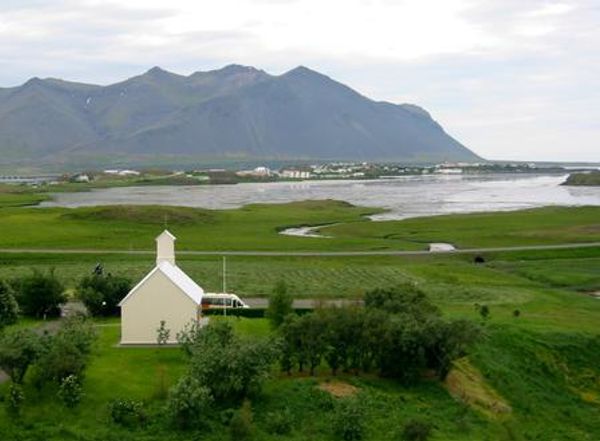
Bollastaðir
Bollastaðir is a historic location in Iceland mentioned in "Harðar saga og Hólmverja", one of the ancient Íslendingasögur (Sagas of Icelanders). These medieval narratives preserve the history of Iceland's Viking Age settlement.
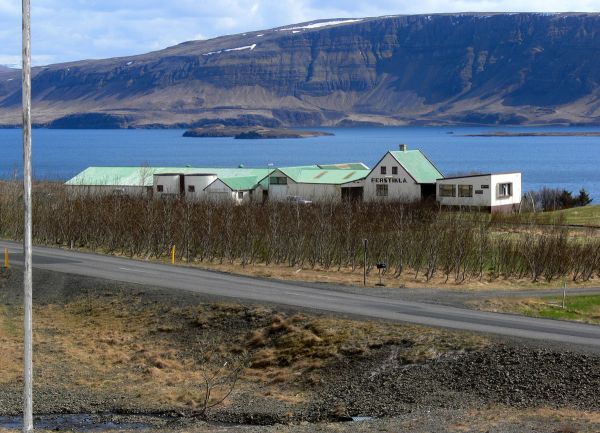
Kalmansá
Kalmansá is a historic location in Iceland mentioned in "Harðar saga og Hólmverja", one of the ancient Íslendingasögur (Sagas of Icelanders). These medieval narratives preserve the history of Iceland's Viking Age settlement.
Kalmansárvík
Kalmansárvík is a historic location in Iceland mentioned in "Harðar saga og Hólmverja", one of the ancient Íslendingasögur (Sagas of Icelanders). These medieval narratives preserve the history of Iceland's Viking Age settlement.
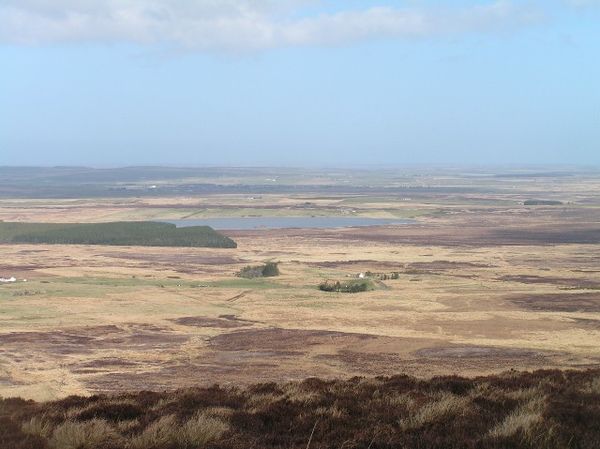
Katanes
Katanes is a historic location in Iceland mentioned in "Harðar saga og Hólmverja", one of the ancient Íslendingasögur (Sagas of Icelanders). These medieval narratives preserve the history of Iceland's Viking Age settlement.
Location
📍 Location
Discover
Explore Nearby
Places from our database within 1.0 km — all data from Sanity
Loading nearby places…
0 places found within 1.0 km
Plan full itinerary →Explore More


