Árneskirkja - gamla
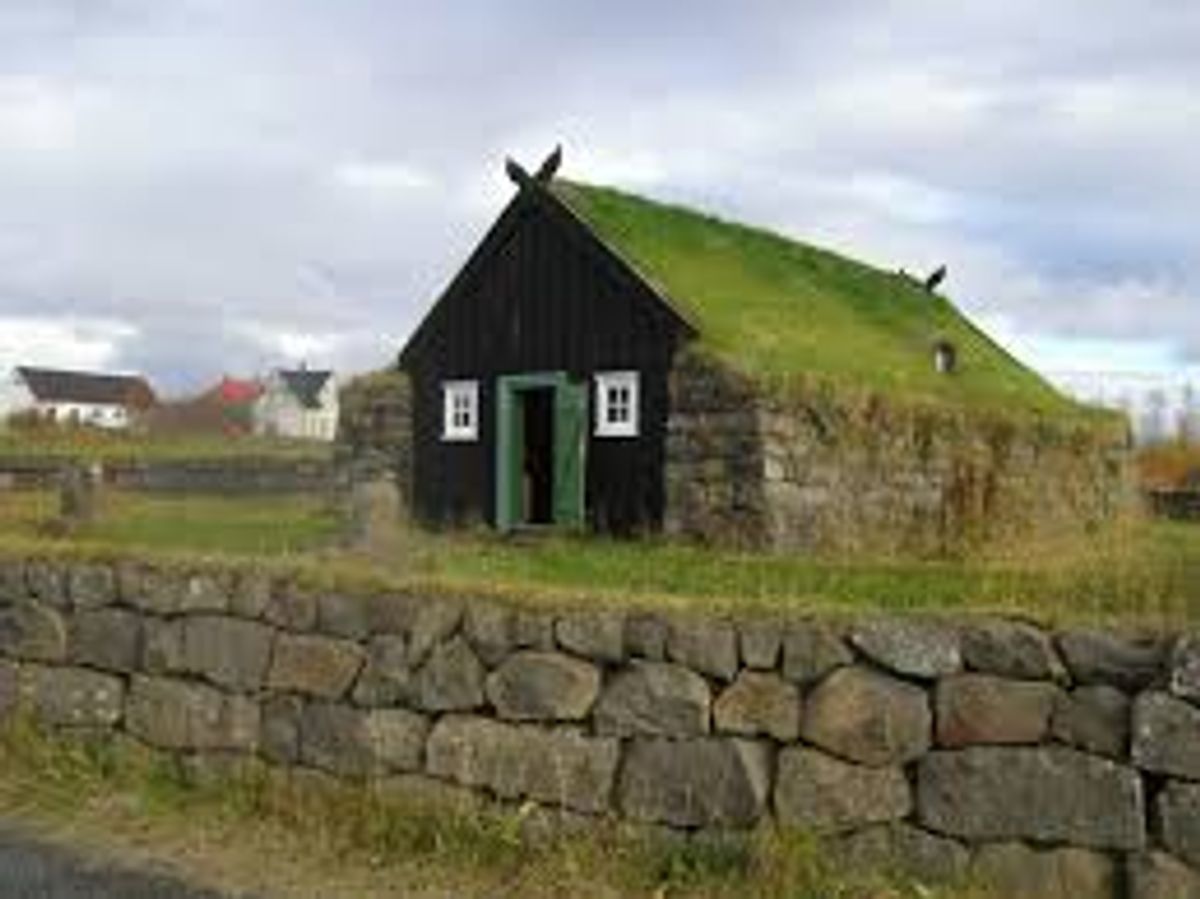
Step back in time at Árneskirkja, a historic turf church nestled in the Westfjords. Its distinctive black timber facade and vibrant green roof, seamlessly blend…
About
About Árneskirkja - gamla
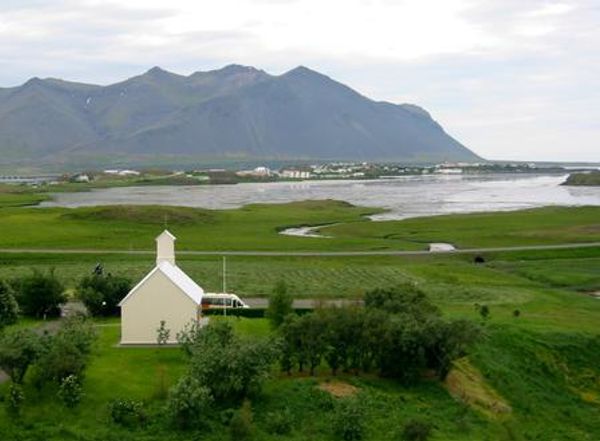
Step back in time at Árneskirkja, a historic turf church nestled in the Westfjords. Its distinctive black timber facade and vibrant green roof, seamlessly blending with the landscape, make it a picturesque symbol of Iceland's architectural heritage. Consecrated in 1850, it's the oldest house in Strandasýsla, meticulously maintained and filled with ancient treasures.
To experience Iceland's unique turf architecture and step inside a beautifully preserved 19th-century church.
Background
History & Background
Árneskirkja - gamla holds a significant place in Icelandic history, particularly within the Strandasýsla region, as it is proudly the oldest house there, consecrated in 1850. Its construction speaks volumes about the resourcefulness of Icelanders; much of the church was built using driftwood, a precious commodity in a land with few native trees. This resourceful approach ensured the creation of a sturdy and lasting structure that has stood the test of time. The church has been meticulously preserved over the centuries, reflecting the community's deep respect for its heritage. Inside, its historical treasures include an altar painting crafted by Carl Fries in 1859, which continues to inspire contemplation. Visitors can also admire a very old candelabrum and baptismal font, pieces that have witnessed countless services and ceremonies. While the original chalice, dating back to 1786, has been moved to the National Museum of Iceland for safekeeping, its legacy remains an integral part of Árneskirkja's story, connecting it to a broader national narrative of faith and cultural preservation.
Nestled amidst the rugged beauty of Iceland's Westfjords, Árneskirkja - gamla stands as a captivating testament to the island's unique architectural and religious heritage. This charming turf church, consecrated in 1850, is not only the oldest house in Strandasýsla but also a remarkable example of traditional Icelandic construction. Its striking appearance, with a dark wooden front facade featuring bright white-framed windows and a vibrant green turf roof that slopes dramatically down to meet a stone-built base, immediately captures the imagination. The use of turf, a traditional insulation method, gives the church a distinctive, organic look, almost as if it grew from the earth itself. Inside, visitors are transported to a bygone era. The church is meticulously maintained, a true labor of love by the local community. Key historical artifacts include an altar painting by Carl Fries from 1859, and remarkably ancient candelabra and a baptismal font that speak volumes of its long history. While the original chalice from 1786 is now housed at the National Museum, its spirit remains. The cross-gabled roof and a square tower with a pyramid roof above the front gable are notable structural elements, clad with plank panelling and corrugated iron on the roofs, resting on a stone-built foundation. Visiting Árneskirkja offers a profound connection to Iceland's past, showcasing its enduring faith and ingenious use of natural materials, particularly driftwood, in its construction.
Folklore
Story & Folklore
As the Westfjords wind whispered tales of old, I found Árneskirkja – a vision straight from a saga. Its vibrant green turf roof, like a gentle hill, seemed to merge with the earth, while the stark black timber facade, adorned with crisp white windows, stood in elegant contrast. Stepping through its modest green door, I felt the quiet reverence of generations past. The air was cool, carrying whispers of sermons delivered and prayers offered since 1850. Sunlight, diffused through ancient glass, illuminated the altar painting by Carl Fries, and my gaze lingered on the incredibly old candelabrum and baptismal font. This wasn't just a building; it was a living testament to Icelandic resilience, crafted largely from driftwood, a silent guardian of history in a land shaped by fire and ice.
Local Legend
The Whispers of Árneskirkja's Ancient Chalice
Locals say that the 1786 chalice, now at the National Museum, occasionally sends whispers back to Árneskirkja, longing for its original home. It's believed that on quiet, foggy mornings, one might hear faint, metallic echoes within the church, a reminder of its long-departed treasure.
Experiences
Tours Near Árneskirkja - gamla
Best-rated Iceland experiences — book with free cancellation


Culture
Stories & Legends
Icelandic sagas and folklore from this area
Árnes
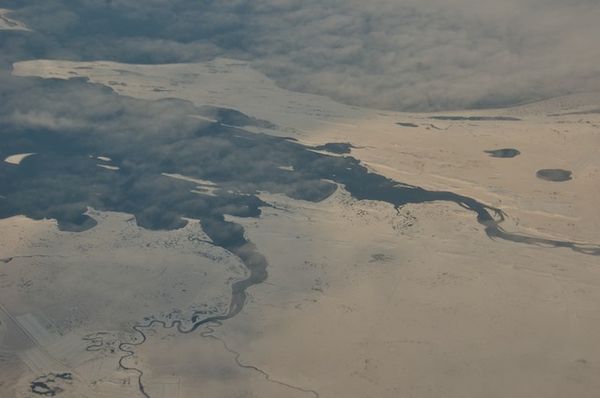
Árnes: A historic meeting place and seat of power in saga times.
Finnbogastaðir
Finnbogastaðir: Where the saga hero Finnbogi the Strong once lived and fought.
Reykjarfjörður
Reykjarfjörður is a historic location in Iceland mentioned in "Grettis saga", one of the ancient Íslendingasögur (Sagas of Icelanders). These medieval narratives preserve the history of Iceland's Viking Age settlement.
Trékyllisvík
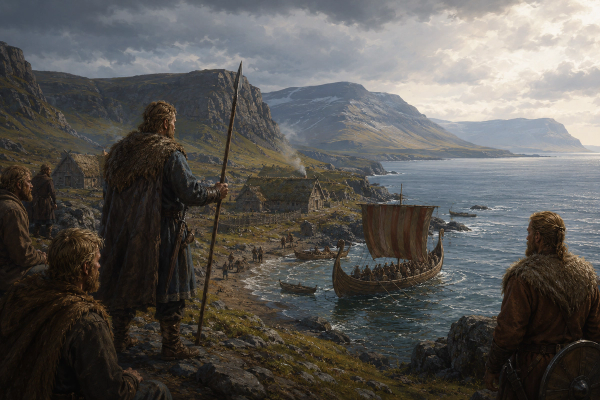
Trékyllisvík is a historic location in Iceland mentioned in "Finnboga saga ramma, Grettis saga, Vatnsdæla saga", one of the ancient Íslendingasögur (Sagas of Icelanders). These medieval narratives preserve the history of Iceland's Viking Age settlement.
Explore
Hidden Gems Nearby
✦ Carl Fries' Altar Painting
This beautiful altar painting, created by Carl Fries in 1859, adds a touch of artistic grandeur to the humble church interior. Its intricate details and historical significance offer a quiet moment for reflection.
It's a remarkable piece of art within a historic setting.
✦ Ancient Candelabrum & Baptismal Font
Gaze upon the remarkably old candelabrum and baptismal font, artifacts that have graced Árneskirkja for centuries. They are silent witnesses to countless baptisms and services.
These pieces offer a tangible connection to the church's long and continuous history.
✦ Driftwood Construction Details
Take a moment to appreciate the ingenious use of driftwood in the church's construction. Look closely at the wooden elements, imagining the journey of the timber from distant lands to this remote corner of Iceland.
It highlights Icelandic resourcefulness and traditional building techniques.
Help
Frequently Asked Questions
Location
📍 Location
Discover
Explore Nearby
Places from our database within 1.0 km — all data from Sanity
Loading nearby places…
0 places found within 1.0 km
Plan full itinerary →Explore More