Árbæjarkirkja í Holtum
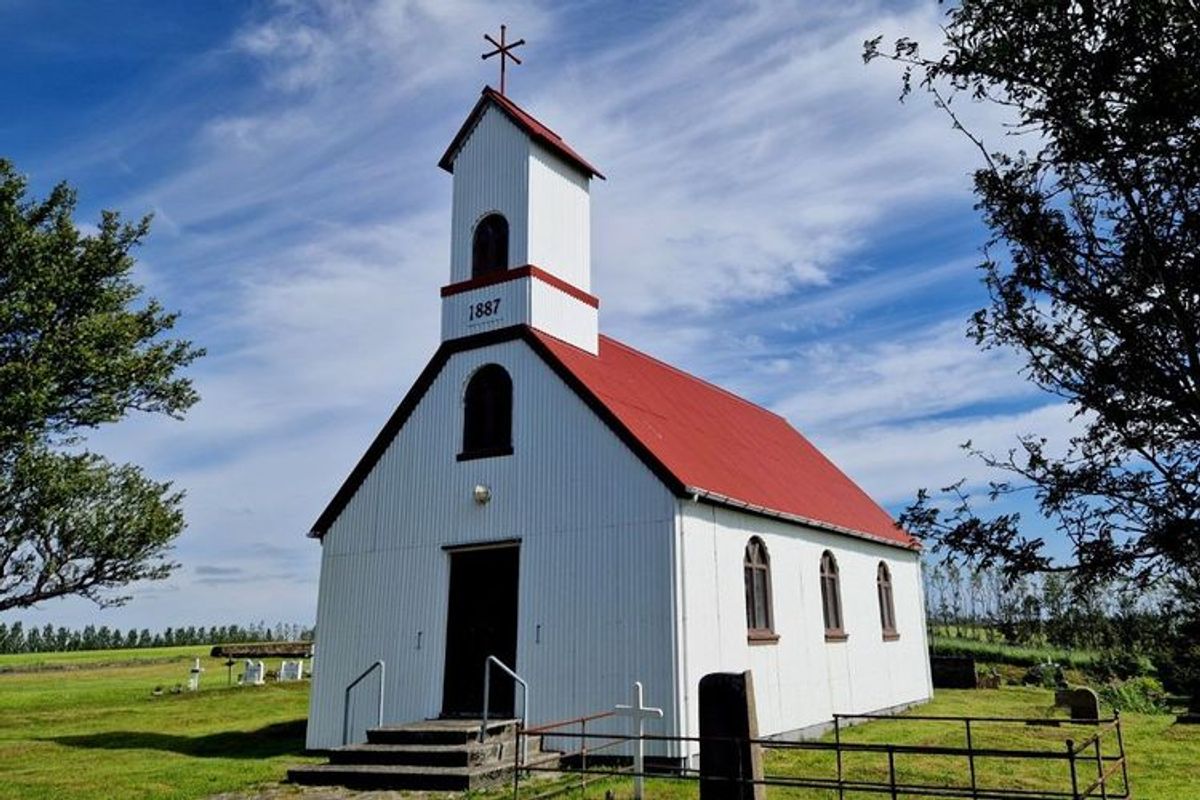
Discover Árbæjarkirkja, a charming 1887 white church with a vibrant red roof, nestled in South Iceland's serene landscape.
About
About Árbæjarkirkja í Holtum
Discover Árbæjarkirkja, a charming 1887 white church with a vibrant red roof, nestled in South Iceland's serene landscape.
Experience a slice of Iceland's spiritual past and admire the unique architecture of this 1887 church.
Background
History & Background
Árbæjarkirkja í Holtum is a historic church site, serving as both a farm (Árbær) and a place of worship in the Holtum region for centuries. The current church, distintively clad in white corrugated iron with a striking red roof and a steeple proudly displaying '1887', was built in that year, replacing earlier structures. This site has long been a spiritual focal point, reflecting Iceland's deep-rooted Christian heritage, which formally began with the democratic decision at Alþingi in 1000 AD. The church is renowned for its valuable religious artifacts. Among these are a silver chalice and paten, alongside an impressive altar painting from 1852, attributed to Þorstein Guðmundsson frá Hlíð, which vividly portrays Jesus on the cross. Perhaps most remarkable are the two historic bells housed in the tower; one dates back to 1600 and the other to 1741, each bearing inscriptions that tell a silent story of the past. In its Catholic origins, Árbæjarkirkja was consecrated to Mary Mother of God and John the Baptist, highlighting its ancient spiritual significance. Beyond the church itself, the surrounding landscape is rich in history: the nearby Árbær farm once hosted a power station for local communities, and several protected man-made caves are found in the vicinity, including one just west of the farm. This combination of natural beauty and profound historical depth makes Árbæjarkirkja a truly significant Icelandic landmark.
Nestled amidst the tranquil, undulating green fields of South Iceland, Árbæjarkirkja í Holtum stands as a captivating testament to the nation's spiritual and architectural heritage. The church, with its distinctive white corrugated iron exterior and vibrant red roof, immediately catches the eye, crowned by a charming steeple bearing the construction year "1887". This current structure, erected in 1887, replaced earlier iterations on a site with deep historical roots as a farm and church location in Holtum. Visitors are drawn not only to its picturesque facade but also to the rich history held within. Inside, the church boasts several valuable artifacts, including a silver chalice and paten. The altar painting, believed to be by Þorstein Guðmundsson frá Hlíð and painted in 1852, powerfully depicts Jesus on the cross. Ascend to the tower, and you'll find two remarkable bells, both inscribed: one dating back to 1600 and the other to 1741, their chimes echoing centuries of Icelandic faith. Originally dedicated to Mary Mother of God and John the Baptist in Catholic times, Árbæjarkirkja offers a tangible link to Iceland's Christianization in 1000 AD. The surrounding area adds to its charm; Árbær farm, situated on the banks of the Ytri-Rangá river, is nearby, as is the Árbæjarfoss waterfall. A protected man-made cave lies west of the farm, with others in the vicinity, hinting at a landscape rich in both natural and human history. A visit here provides a serene escape and a profound connection to Iceland's enduring cultural narrative.
Folklore
Story & Folklore
As you approach Árbæjarkirkja í Holtum, its crisp white corrugated iron facade and vibrant red roof emerge from the green Icelandic landscape, a striking beacon under the often dramatic sky. Built in 1887, the church whispers tales of generations who have sought solace and community within its walls. Imagine the farmers from the nearby Árbær farm, walking across these very fields to worship, their lives intertwined with the rhythm of the Ytri-Rangá river flowing nearby. Step closer, and the date '1887' etched onto the steeple serves as a proud testament to its enduring presence. Inside, ancient treasures await, including a 1600 bell and an altar painting from 1852 depicting Jesus on the cross, connecting visitors to a profound spiritual legacy. This isn't just a building; it's a living piece of Icelandic history, silently observing the passage of time in this serene corner of the world.
💡 Did You Know?
Did you know Árbæjarkirkja houses two ancient bells, one from 1600 and another from 1741, ringing echoes of centuries past from its distinctive steeple?
Local Legend
No specific local legend recorded
While Árbæjarkirkja is rich in history, there are no specific local legends or myths widely recorded about this particular church in the provided historical context. Its story is primarily one of enduring faith and architectural longevity.
Experiences
Tours Near Árbæjarkirkja í Holtum
Best-rated Iceland experiences — book with free cancellation


Culture
Stories & Legends
Icelandic sagas and folklore from this area
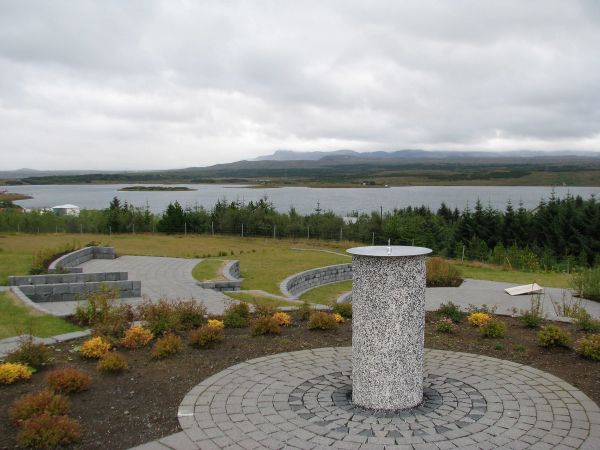
Elliðavatn
Elliðavatn is a historic location in Iceland mentioned in "Kjalnesinga saga", one of the ancient Íslendingasögur (Sagas of Icelanders). These medieval narratives preserve the history of Iceland's Viking Age settlement.
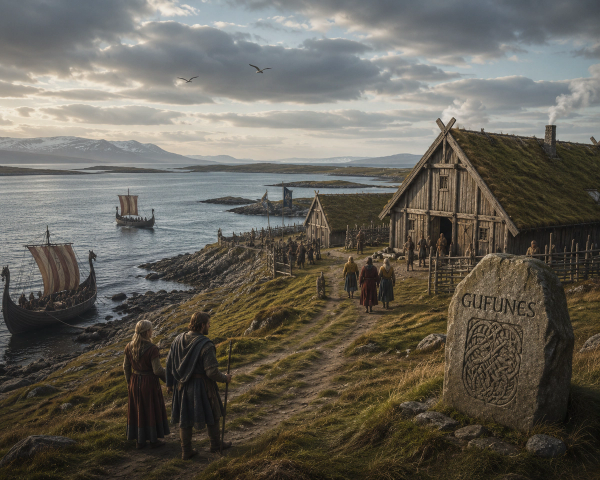
Gufunes
Gufunes is a historic location in Iceland mentioned in "Egils saga", one of the ancient Íslendingasögur (Sagas of Icelanders). These medieval narratives preserve the history of Iceland's Viking Age settlement.
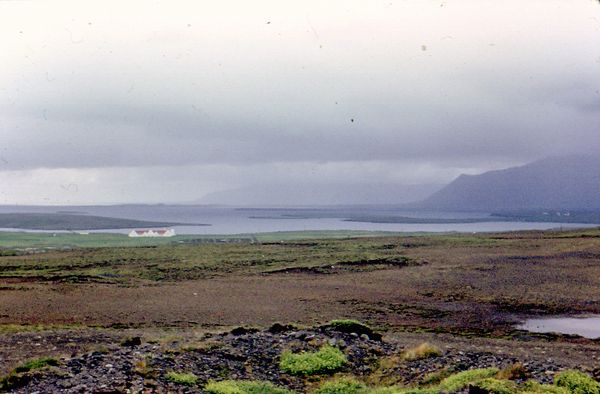
Korpúlfsstaðir
Korpúlfsstaðir is a historic location in Iceland mentioned in "Kjalnesinga saga", one of the ancient Íslendingasögur (Sagas of Icelanders). These medieval narratives preserve the history of Iceland's Viking Age settlement.
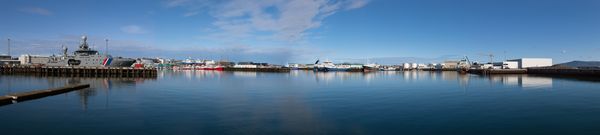
Reykjavík
Reykjavík is a historic location in Iceland mentioned in "Harðar saga og Hólmverja", one of the ancient Íslendingasögur (Sagas of Icelanders). These medieval narratives preserve the history of Iceland's Viking Age settlement.
Explore
Hidden Gems Nearby
✦ Man-made Caves
Just west of the Árbær farm and church, a protected man-made cave can be explored, with several others nearby. These caves offer a unique glimpse into past human habitation and ingenuity in the region.
Discover ancient, mysterious underground dwellings carved by early settlers.
✦ Árbæjarfoss Waterfall
Located on the Ytri-Rangá river near the Árbær farm, Árbæjarfoss is a charming waterfall, perfect for a peaceful natural detour. It provides a beautiful backdrop to the historical church site.
Enjoy the serene beauty of a local waterfall, a short walk from the church.
✦ Historic Power Station Site
The Árbær farm, adjacent to the church, once housed a power station that supplied electricity to nearby communities. While not a visible structure today, its historical significance highlights the farm's role in local development.
Learn about the early industrial history of the region and its self-sufficiency.
Help
Frequently Asked Questions
Location
📍 Location
Discover
Explore Nearby
Places from our database within 1.0 km — all data from Sanity
Loading nearby places…
0 places found within 1.0 km
Plan full itinerary →Explore More