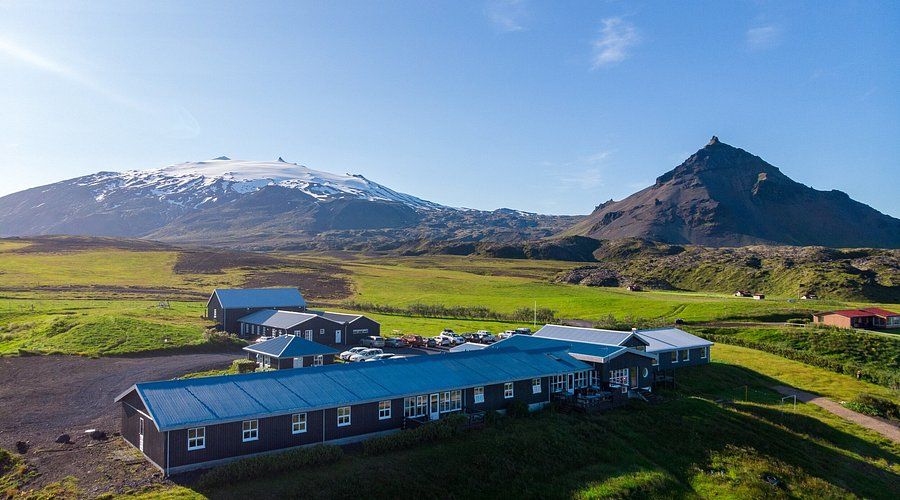
Aflraunasteinar
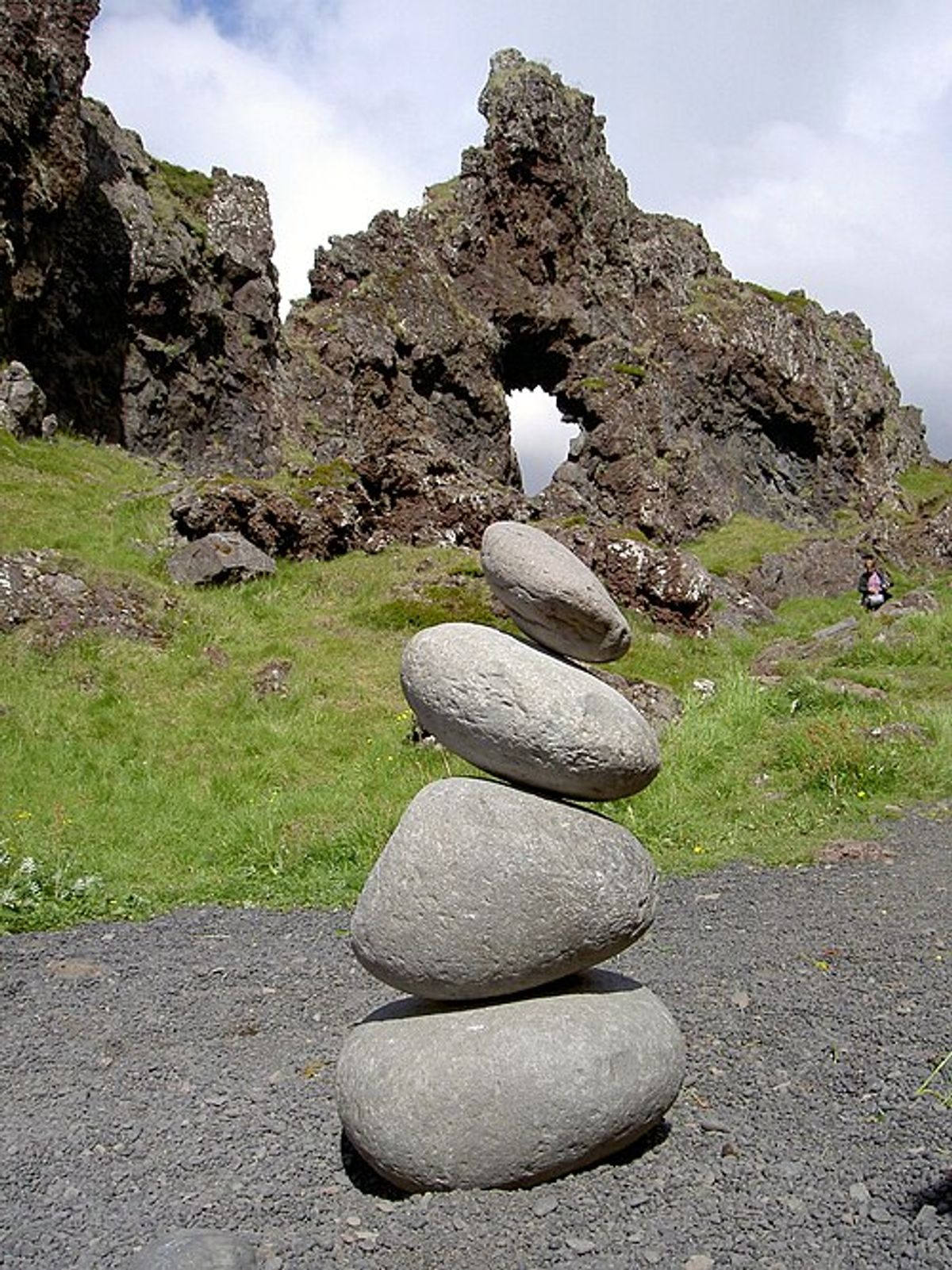
Aflraunasteinar (“lifting stones”) are a set of four historic stones located at Djúpalónssandur on the Snæfellsnes Peninsula in Iceland. These stones were tradi…
At a Glance
Visit time
45 minutes Enough time to reach the stones, explore the beach, and take in the surrounding landscape.
Best season
May–September Best conditions for walking and access. The site is open year-round, but winter conditions can be slippery and more challenging.
Access
Accessible via a short walk from the Djúpalónssandur parking area on the Snæfellsnes Peninsula. The path includes uneven lava terrain and steps, so sturdy footwear is recommended.
GPS
64.7535, -23.8987
About
About Aflraunasteinar
Aflraunasteinar (“lifting stones”) are a set of four historic stones located at Djúpalónssandur on the Snæfellsnes Peninsula in Iceland. These stones were traditionally used by fishermen to test their physical strength and determine whether they were fit to work on fishing boats. Each stone has a specific name and weight, reflecting different levels of strength. The heaviest, Fullsterkur, weighs around 154 kg, while the lightest, Amlóði, weighs about 23 kg. To qualify as a rower, a fisherman typically had to lift at least the third-heaviest stone. Today, visitors can still try to lift the stones themselves, connecting directly with Iceland’s maritime past. The stones remain an iconic feature of the area, combining cultural history with the dramatic volcanic landscape of Djúpalónssandur.
Visit Aflraunasteinar to test your strength against historic lifting stones and experience a unique tradition from Iceland’s fishing heritage.
Background
History & Background
The Aflraunasteinar date back to the period when Djúpalónssandur and nearby Dritvík were major fishing centers from the 16th to 19th centuries. The stones were used as a practical strength test to determine whether individuals were capable of working as rowers on fishing boats. This tradition highlights the demanding physical nature of Iceland’s early fishing industry and remains an important cultural element preserved at the site today.
Aflraunasteinar are a set of historic lifting stones located on the black pebble beach of Djúpalónssandur on the Snæfellsnes Peninsula. These stones are closely connected to Iceland’s fishing heritage and were traditionally used to test the strength of fishermen before they were allowed to join a boat crew. There are four stones, each with a name and specific weight that determined a person’s strength category. The heaviest, Fullsterkur (“fully strong”), weighs around 154 kg, followed by Hálfsterkur (100 kg), Hálfdrættingur (54 kg), and the lightest, Amlóði (23 kg). To qualify as a rower, a fisherman typically needed to lift at least Hálfdrættingur, demonstrating the physical strength required for rowing and working in harsh sea conditions. The stones originate from a time when nearby Dritvík and Djúpalónssandur were among the most important fishing stations in Iceland, especially between the 16th and 19th centuries. Life in these communities depended heavily on physical endurance, and the lifting stones served as a practical and immediate test of capability. Today, the Aflraunasteinar remain in their original location, allowing visitors to engage directly with this tradition. Surrounded by dramatic lava formations and the wild Atlantic coastline, the site offers both a cultural and physical experience. Visitors can attempt to lift the stones themselves, gaining a deeper appreciation for the strength and resilience required of Iceland’s early fishermen.
Folklore
Story & Folklore
On the rugged black shores of Djúpalónssandur, strength once meant survival. In earlier centuries, this area was home to a busy fishing station where crews depended on each other in harsh and unpredictable conditions. Before heading out to sea, men would gather by the Aflraunasteinar to prove their strength. Lifting the stones was more than a challenge—it was a test of readiness for the dangers ahead. Those who could not lift enough weight were left behind, while the strongest earned their place on the boats. Today, the stones remain in the same place, inviting visitors to take part in this tradition and feel a connection to the lives of Iceland’s fishermen.
Local Legend
Historic lifting stones on Djúpalónssandur, used to test the strength of fishermen in Iceland’s coastal communities.
On the windswept shores of Djúpalónssandur, strength once determined survival. In the nearby fishing station of Dritvík, crews depended on physically capable rowers to face the harsh North Atlantic. Before joining a boat, men were required to prove their strength by lifting the Aflraunasteinar. Each stone represented a level of ability, and only those who could lift enough weight were considered fit for the demanding work at sea. The ritual was both practical and symbolic—a moment where individuals demonstrated readiness for the risks ahead. Today, visitors can stand in the same place, attempt the lifts, and connect directly with a tradition that reflects the resilience and determination of Iceland’s fishing communities.
Experiences
Tours Near Aflraunasteinar
Best-rated Iceland experiences — book with free cancellation


Culture
Stories & Legends
Icelandic sagas and folklore from this area
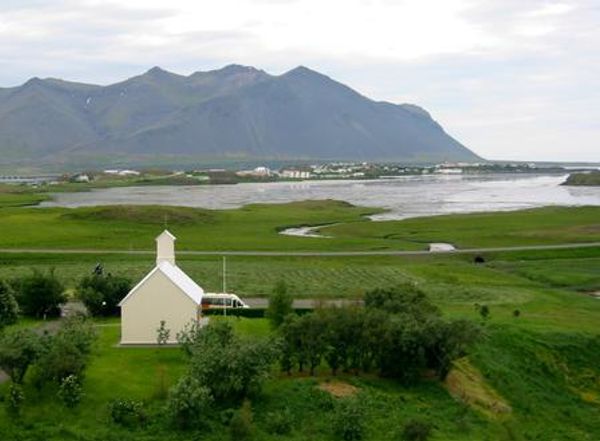
Beruvíkurhraun
Beruvíkurhraun is a historic location in Iceland mentioned in "Bjarnar saga Hítdælakappa", one of the ancient Íslendingasögur (Sagas of Icelanders). These medieval narratives preserve the history of Iceland's Viking Age settlement.
Djúpalón
Djúpalón is a historic location in Iceland mentioned in "Bárðar saga Snæfellsáss", one of the ancient Íslendingasögur (Sagas of Icelanders). These medieval narratives preserve the history of Iceland's Viking Age settlement.
Þrælavík
Þrælavík is a historic location in Iceland mentioned in "Bárðar saga Snæfellsáss", one of the ancient Íslendingasögur (Sagas of Icelanders). These medieval narratives preserve the history of Iceland's Viking Age settlement.
Location
📍 Location
Discover
Explore Nearby
Places from our database within 1.0 km — all data from Sanity
Loading nearby places…
0 places found within 1.0 km
Plan full itinerary →Explore More