

アイスランド · 海岸の名所
アイスランドの灯台
カラフルな海岸のランドマーク、人里離れた岬、アイスランド最もドラマチックな灯台の風景を発見しよう。
Must-Visit
アイスランドの代表的な灯台
レイキャビク近郊の干潟の島グロッタから、北東部の人里離れたランガネス半島まで。

Book an Experience
海岸・風景体験
アイスランド最もドラマチックな灯台岬を訪れるガイド付き海岸ツアー、写真撮影ツアー、風景ドライブ。
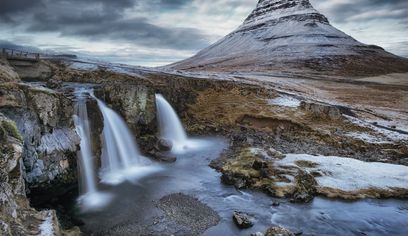
Snaefellsnes Peninsula Minibus Tour
From 17,580.855 ISK
Book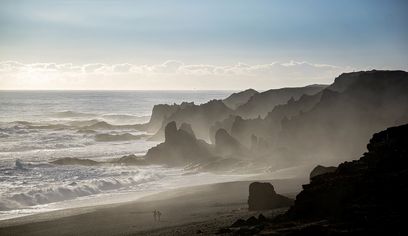
Private Snæfellsnes Peninsula
From 349,900 ISK
Book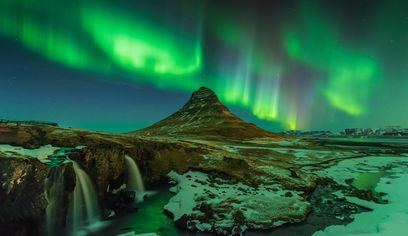
2-Day West Coast Tour | Snæfellsnes, Silver Circle w/Lava Caving
From 68,900 ISK
Book
Private Snæfellsnes Peninsula in Minivan
From 276,000 ISK
Book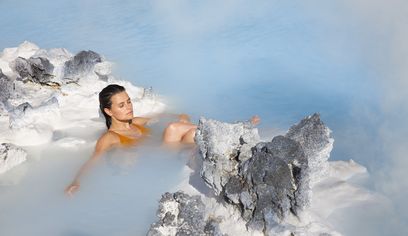
Private Reykjanes Discovery: Lava Tunnel & Blue Lagoon Day Tour
From 395,000 ISK
Book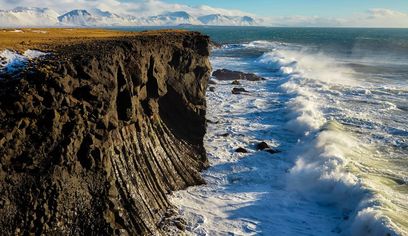
Private Luxury Moonwalk Tour at Reykjanes 7h
From 169,000 ISK
BookSelf-Drive
灯台ロードトリップガイド
アイスランドの灯台はセルフドライブの旅行者に最適——多くは効率的な地域周遊ルートに組み込めます。
Reykjanes Peninsula Loop
The Reykjanes peninsula holds more lighthouses per kilometre than any other region — Garðskagi, Hópsnes, Hólmsbergsviti, Gerðistanga and Krýsuvíkurberg can all be combined in a single day from Reykjavík.
Snæfellsnes Coastal Drive
The Snæfellsnes peninsula road takes you past Svörtuloftaviti, Kirkjuhólsviti and Öndverðarnes on one of Iceland's most varied coastal drives, ending near Snæfellsjökull glacier.
East Fjords Circuit
The East Fjords hold five lighthouse sites including Dalatangaviti, Streitisviti and the remote Langanes peninsula. Allow extra time — the fjord roads are winding and spectacular.
Photography Windows
Iceland's long summer evenings (June–August) give photographers several hours of golden light. The low winter sun creates dramatic shadows even at midday — lighthouses photograph well year-round.
Interactive Map
アイスランドの灯台を探索する
36か所の灯台を地図に表示。地域で絞り込んで海岸ルートを計画しよう。
アイスランドの灯台フォトガイド
アイスランドの特別な光は灯台写真を一年中価値あるものにします。5月下旬から8月上旬の長い夏の夜は、毎日数時間のゴールデンアワーを提供します。
冬は太陽の角度が低く——正午でもドラマチックな影が生まれます。海岸の場所はアイスランドの変わりやすい天気——嵐、虹、重厚な空を最もよく捉えます。
ほとんどのアイスランドの灯台は、溶岩岩、黒い砂、または緑の岬を背景にした白または赤い構造物です。純粋な色と力強い形は曇った光でもよく撮れます。
Photography Tips
- →Long summer evenings (June–Aug) give 4+ hours of golden/blue hour light
- →Winter sun stays low — excellent for long shadows and warm tones even at noon
- →Coastal lighthouses reflect in rock pools at low tide
- →Stormy weather can produce dramatic skies — dress for wind and spray
- →Most lighthouses are white or red — pure colours on overcast days
- →Cross-link with Viewpoints for Iceland's best vantage points
Discover
地域別灯台一覧
36か所の灯台を地域別に整理。
Reykjanes8 lighthouses


Capital Region3 lighthouses


South Iceland6 lighthouses


West Iceland3 lighthouses


Snæfellsnes3 lighthouses


Westfjords2 lighthouses


North Iceland6 lighthouses


East Iceland5 lighthouses


Wildlife at Lighthouse Headlands
Several Icelandic lighthouse headlands are also outstanding wildlife locations. The Garðskagi lighthouses on Reykjanes host a famous puffin colony (May–Aug). Krýsuvíkurbergsviti sits above one of Iceland's largest seabird cliff colonies. Langanesviti in northeast Iceland is near a gannet breeding site.
Not all coastal lighthouses have confirmed wildlife nearby. Check individual attraction pages for specific wildlife notes.
Iceland Wildlife Guideアイスランドの海岸安全
よくある質問
What are the best lighthouses to visit in Iceland?
Gróttuviti near Reykjavík is Iceland's most visited lighthouse and easily accessible by foot at low tide. On Snæfellsnes, Svörtuloftaviti and Öndverðarnes are outstanding. In the Reykjanes peninsula, the two Garðskagi lighthouses (old and new) are famous for their puffin colony in summer. In the East Fjords, Dalatangaviti and Streitisviti offer remote coastal drama.
Can you visit Icelandic lighthouses?
You can visit the grounds and exterior of most Icelandic lighthouses — they are located on public headlands or beaches. The interior of lighthouse towers is not generally open to the public. Some lighthouses are in remote locations that require a 4WD vehicle or suitable footwear. Always check access conditions locally, especially in winter.
Which lighthouses are near Reykjavík?
Gróttuviti is on the Seltjarnarnes peninsula, about 15 minutes from central Reykjavík — reachable on foot at low tide. The Garðskagi lighthouses on the Reykjanes peninsula are about 45 minutes from Reykjavík. Hópsnesviti, Hólmsbergsviti, Gerðistangaviti and Krýsuvíkurbergsviti are all on the Reykjanes peninsula within an easy day trip of the capital.
What are the best lighthouse stops on an Iceland road trip?
On the Ring Road (Route 1), strong lighthouse detours include Gróttuviti (Capital Region), Dyrhólaeyjarviti (South Iceland), and several East Fjords lighthouses. The Snæfellsnes Road 54 passes Svörtuloftaviti and Öndverðarnes. The Reykjanes peninsula circuit makes an excellent half-day excursion with multiple lighthouse stops.
Are Iceland lighthouses open to the public?
The surrounding grounds and coastal headlands of most Icelandic lighthouses are accessible. However, the lighthouse buildings themselves are generally not open to visitors — they are operational navigational structures maintained by the Icelandic Coast Guard. You can photograph them from the outside and enjoy the surrounding coastal scenery.
Where are the best lighthouse photography locations in Iceland?
Krýsuvíkurbergsviti above the Reykjanes sea cliffs is exceptional for dramatic cliff-edge compositions. Gróttuviti reflects beautifully in tidal pools. Svörtuloftaviti on Snæfellsnes photographs well against sunset or with the glacier in the background. Garðskagaviti is excellent for puffin foreground shots in June–July. Dalatangaviti in east Iceland offers remote, isolated compositions.
Can you see puffins near Icelandic lighthouses?
Yes. The Garðskagi lighthouses on the Reykjanes peninsula are one of Iceland's most accessible puffin viewing sites from late April to mid-August. Krýsuvíkurbergsviti above the Krýsuvíkurbjarg cliffs is surrounded by large seabird colonies including razorbills, guillemots and kittiwakes. Langanesviti in northeast Iceland is near gannet colonies.
Are lighthouse roads accessible in winter?
Most coastal lighthouse sites are accessible in winter, though conditions vary significantly by location. Roads on the Reykjanes peninsula are kept clear year-round. More remote sites — particularly in the East Fjords, Westfjords, and north Iceland — may require 4WD in winter. Coastal headlands can be extremely exposed to wind and ice. Always check road conditions at road.is before travelling.