Knarrarósviti
Distinctive 1938–1939 reinforced-concrete lighthouse east of Stokkseyri.
About
About Knarrarósviti
Distinctive 1938–1939 reinforced-concrete lighthouse east of Stokkseyri.
Discover a unique architectural landmark and enjoy serene coastal views under vast Icelandic skies.
Photos
Photo Gallery
Background
History & Background
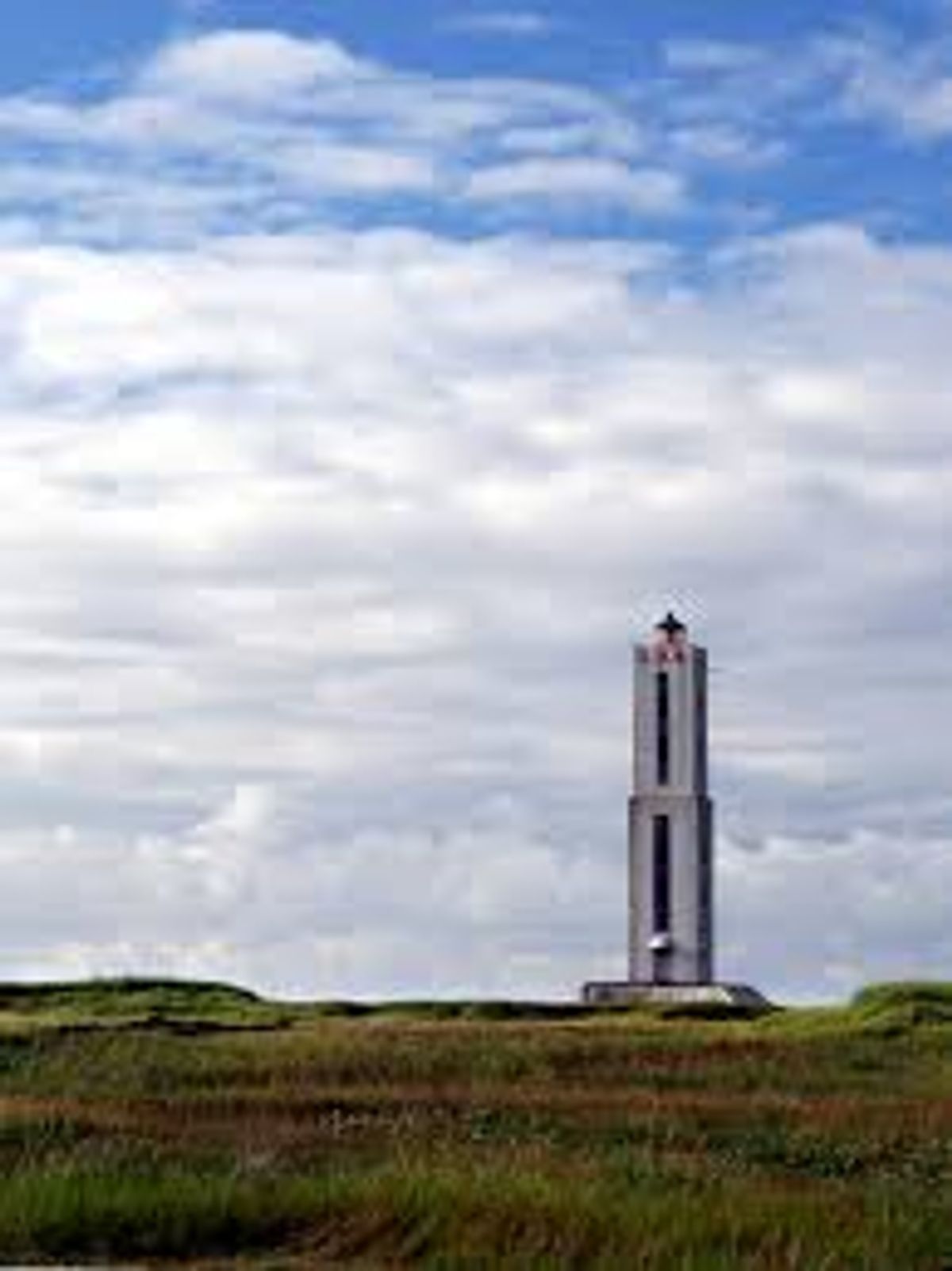
Knarrarósviti represents a significant chapter in Icelandic engineering and architecture. Built between 1938 and 1939, it marked a pivotal moment as the first lighthouse in the country to utilize reinforced concrete, a cutting-edge construction method that promised greater durability against the harsh North Atlantic elements. Its design is a collaborative legacy, conceived by Axel Sveinsson based on the influential ideas of Guðjón Samúelsson, Iceland's state architect. Samúelsson's distinct architectural vision, characterized by a blend of Functionalist practicality and Art Nouveau's decorative flair, is clearly visible in the lighthouse's sleek, modern lines and its elegant, multi-tiered structure. This fusion of styles makes Knarrarósviti a unique example of early 20th-century Icelandic design. Standing proudly at 30 meters above sea level, it has long served as a vital navigational aid for ships traversing the waters off the South Coast and continues to be the tallest building in the region, a beacon of both safety and architectural heritage.
Knarrarósviti stands on the coast east of Stokkseyri. Built in 1938–1939, it is an early Icelandic example of a lighthouse constructed entirely from reinforced concrete. Its tall geometric form and red lantern house make it a distinctive landmark in the flat South Iceland coastal landscape.
💡 Did You Know?
Knarrarósviti, built 1938-1939, was Iceland's first reinforced concrete lighthouse and remains the tallest structure in South Iceland.
Culture
Stories & Legends
Icelandic sagas and folklore from this area
Baugsstaðir
Baugsstaðir is a historic location in Iceland mentioned in "Flóamanna saga", one of the ancient Íslendingasögur (Sagas of Icelanders). These medieval narratives preserve the history of Iceland's Viking Age settlement.
Brattsholt
Brattsholt is a historic location in Iceland mentioned in "Flóamanna saga", one of the ancient Íslendingasögur (Sagas of Icelanders). These medieval narratives preserve the history of Iceland's Viking Age settlement.
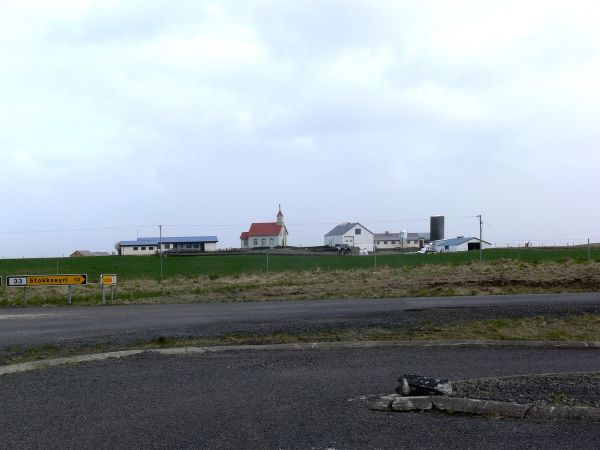
Gaulverjabær
Gaulverjabær is a historic location in Iceland mentioned in "Flóamanna saga", one of the ancient Íslendingasögur (Sagas of Icelanders). These medieval narratives preserve the history of Iceland's Viking Age settlement.
Leiðólfsstaðir
Leiðólfsstaðir is a historic location in Iceland mentioned in "Flóamanna saga", one of the ancient Íslendingasögur (Sagas of Icelanders). These medieval narratives preserve the history of Iceland's Viking Age settlement.
Location
📍 Location
Discover
Explore Nearby
Places from our database within 1.0 km — all data from Sanity
Loading nearby places…
0 places found within 1.0 km
Plan full itinerary →Explore More