

photography
アイスランドの写真撮影ガイド
滝、氷河、黒砂海岸、オーロラ、白夜の撮影スポット、カメラ設定、機材、安全の実用ガイド。
更新日
なぜアイスランドは写真撮影に最適なのか
アイスランドは有名な撮影場所を集めるだけでなく、光、天気、時間に合わせて撮る人に魅力的です。滝、氷河、黒砂海岸、火山地形、険しい山が比較的近くにあり、北緯の高さにより季節ごとに日照が大きく変わります。
時間をかけることが大切です。雲が突然晴れ、滝の水しぶきは風で変わり、氷山は回り、潮が海岸の前景を変えます。決めた構図に固執せず変化に対応するとよい写真が生まれます。
このガイドはGoIceTravelの観光地情報を基に、到着時間、光、レンズ、安全、撮影に必要な滞在時間の視点を加えています。
Best Photography Locations in Iceland
These are strong starting points for a first photography trip because they cover several very different Icelandic subjects: glaciers, waterfalls, coast, mountains and Highlands landscapes.

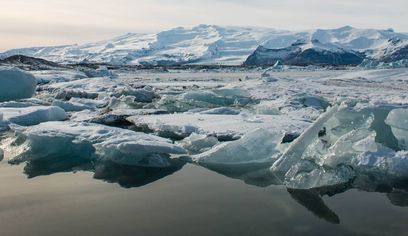
Jökulsárlón Glacier Lagoon
A constantly changing glacier-lagoon scene where ice shape, colour, reflections and weather create new compositions every few minutes.
Use both wide and telephoto focal lengths. Wide lenses establish the lagoon and mountains; a telephoto isolates ice shapes, seals and compressed layers of floating ice.

Breiðamerkursandur/Diamond Beach
Black volcanic sand and pieces of glacial ice create strong contrast, but the scene changes continuously with tide and surf.
Watch several wave cycles before setting up. Use a shutter speed that preserves some texture in the surf and never turn your back on the ocean.

Seljalandsfoss
A classic South Coast waterfall with unusually varied angles, including the walk-behind route when it is safely open.
Carry several lens cloths. Spray is constant near and behind the falls. Experiment with both faster shutter speeds for texture and slower exposures for smooth water.

Skógafoss
A powerful, clean waterfall composition that works in almost any weather and often produces rainbows when sunlight reaches the mist.
Try a longer focal length from farther back to control spray, then move closer for scale. A person near the base can emphasize the waterfall’s size.

Dyrhólaey
Elevated coastal viewpoints, sea stacks, black beaches and seasonal birdlife make Dyrhólaey one of the strongest broad-landscape stops on the South Coast.
A telephoto is useful for compressed coastline views and wildlife, while a standard zoom handles the cliffs and sweeping beaches.

Vestrahorn Mountain & Stokksnes
Vestrahorn’s sharp mountain profile works with black dunes, wet sand, grasses and shallow reflections, giving photographers many foreground choices.
Do not lock onto the famous reflection composition. Walk the area and look for dune patterns, grasses and compressed details when the reflection pools are weak.

Kirkjufell
One of Iceland’s most recognisable mountain subjects, with multiple compositions around Grundarfjörður and nearby Kirkjufellsfoss.
Move beyond the standard tripod holes. A mid-range or telephoto lens can produce cleaner mountain studies and reduce visual clutter.

Landmannalaugar
Rhyolite mountains, dark lava and sweeping hiking viewpoints make Landmannalaugar one of Iceland’s most colourful landscape-photography areas.
Use foreground ridges and trails to create depth. A longer lens is excellent for isolating coloured mountain layers from elevated viewpoints.
南海岸の写真撮影
南海岸では移動距離を大きくせず多様な被写体を撮れます。セリャラントスフォスとスコゥガフォスは異なる滝の構図、ディルホゥラエイには崖や黒砂海岸、海岸線があります。多くを急いで巡りすぎないことが大切です。
滝では光だけでなく風向きが重要で、レンズは水しぶきですぐ濡れます。拭く布を取り出しやすくしましょう。海岸では安全を最優先し、予想外の波で逃げ道が塞がれる場所に三脚を立てないでください。
南東部:氷と山々
ヨークルスアゥルロゥンとダイヤモンドビーチは短い停車ではもったいない場所です。氷山が動き、回り、崩れるので構図は時間とともに変わります。海岸の氷の位置は潮と波で変わり、波打ち際には近づかないでください。
ヴェストラホルンには鋭い山頂、黒い砂丘、反射する浅瀬、草があります。前景の選び方を試しましょう。有名な反射がない日でも独創的な構図を探せます。
西アイスランドとスナイフェルスネス
キルキュフェットルは有名なので同じような写真になりがちです。許可された展望場所を移動し、焦点距離を変え、山、水、天気、前景の細部を組み合わせましょう。望遠の圧縮効果も便利です。
高地の写真撮影
ランドマンナロイガルは色と重なりのある山が魅力ですが、高地撮影には道路状況、季節、適切な車両など事前計画が必要です。去年通れた道が今年も同じとは限りません。
歩いて高い位置へ行くと風景を整理できます。標準ズームや短めの望遠で色のある尾根、雪、溶岩を切り取る方が超広角ですべてを入れるよりよい場合があります。
オーロラの写真撮影
最初は開放絞り、ISO 1600〜3200、シャッター速度約2〜15秒を試しましょう。明るさと動きで調整します。強く速く動くオーロラは短めの露光の方が形を保ちやすくなります。
遠くの光や星で手動ピントを合わせ、拡大確認しましょう。分かりやすい前景を入れると、少しノイズがあっても場所が伝わる写真になります。
オーロラの初期設定
f/1.8〜f/2.8、ISO 1600〜3200、4〜8秒程度から始めて明るさと動きに合わせて調整します。動きの速いオーロラは短い露光が適しています。
白夜とゴールデンアワー
夏は日の出と日没の概念が変わり、低い暖色の光が何時間も続きます。日帰り観光客が帰った深夜に絶好の撮影機会が訪れることもあります。一瞬の日没ではなく夕方から夜を通して変わる光として考えましょう。
滝を撮影する方法
滝に正解のシャッター速度はありません。長時間露光は水を滑らかにし、短い露光は勢いと質感を残します。偏光フィルターは反射を抑え、NDフィルターは明るい日中の長時間露光に役立ちます。
水しぶきには構図を決めてから直前にレンズを拭き、何枚か撮りましょう。カメラの防滴だけでなく撮影者自身も防水服が必要です。
カメラの設定とおすすめ装備
広角はオーロラ、滝、広い風景に便利ですが、標準ズームは旅行全般をカバーし、望遠は野生動物、遠くの氷河、山の圧縮構図に役立ちます。しっかりした三脚はオーロラと長時間露光に重要です。
寒さで電池が消耗するため予備電池、マイクロファイバー布、レインカバー、レンズフード、RAW用の保存容量を用意してください。冷えた機材を暖かい室内へ移す際は結露を避けるためゆっくり温めましょう。
どんな写真も危険を冒す価値はない
柵、閉鎖、指定ルートを守りましょう。突然の大波が来る海岸や不安定な氷から離れ、他の撮影者が入っていたとしても閉鎖中の滝の道や高地道路へ進入してはいけません。
Photography Locations from the GoIceTravel Database


3-Day South Coast Photography Itinerary
3 daysA concentrated route for photographers who want strong variety without trying to cover the entire country.
Seljalandsfoss
Work the front view first, then the walk-behind route only if it is open and safe.
SeljalandsfossJökulsárlón Glacier Lagoon
Stay long enough for the ice and weather to change.
Jökulsárlón Glacier LagoonDiamond Beach
Observe wave behaviour before choosing a safe tripod position.
Breiðamerkursandur/Diamond BeachVestrahorn Mountain & Stokksnes
Explore multiple foregrounds instead of depending on a reflection.
Vestrahorn Mountain & StokksnesPhotography Tours in Iceland
A guided photography tour can be useful when you want local help with conditions, access, timing and composition.
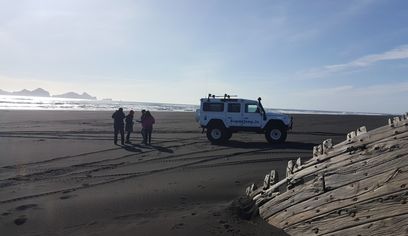 8 hours
DT 322 Private Superjeep South Coast & Eyjafjallajökull Volcano Sights
Superjeep
から
264,500 ISK
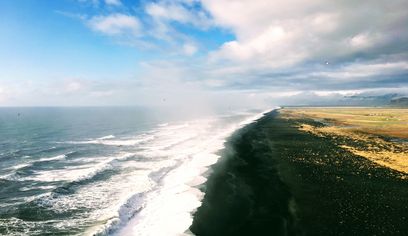 10 hours
Private South Coast tour
EastWest
から
220,000 ISK
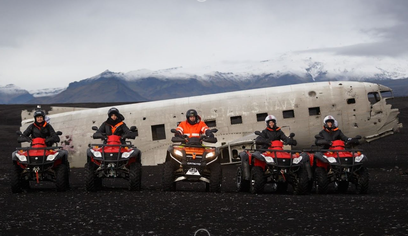 10 hours 30 minutes
South Coast & Plane Wreck Black Beach ATV Adventure
Reykjavik Excursions by Icelandia
から
47,499 ISK
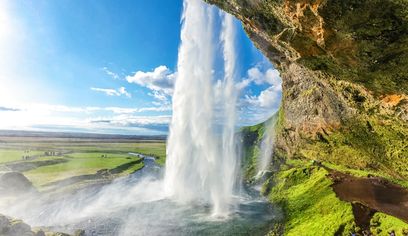 11 hours
Private Premium South Coast Small Group Tour
Iceland Horizon - Saga Travel - GeoIceland
から
299,900 ISK
 13 hours
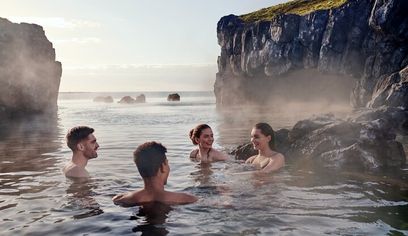
South Coast & Sky Lagoon Saman Pass Tour
BusTravel Iceland
から
31,790 ISK
 14 hours
Private South Coast and Glacier Lagoon Day Tour
David The Guide
から
279,900 ISK
Build Your Photography Route
Use the GoIceTravel trip planner to combine photography locations with realistic driving days and overnight stops.
Open Trip Planner


