

northern lights
Norðurljós á Íslandi – leiðarvísir
Ítarleg ráð um norðurljós: hvenær á að fara, spár, skýjahulu, bestu staði, myndatöku, öryggi og ferðaáætlun.
Uppfært
© Sævar G
Hvernig á að sjá norðurljós á Íslandi
Þrjú atriði þurfa að fara saman: myrkur, nægilega heiðskír himinn og virk norðurljós. Þess vegna getur enginn lofað norðurljósum á ákveðnu kvöldi. Best er að hafa nokkrar nætur til umráða, fylgjast með skýjum og norðurljósaspám og geta aðlagað áætlunina.
Norðurljósatímabilið nær yfirleitt frá síðari hluta ágúst fram í apríl þegar nætur eru nógu dimmar. September til mars býður gott samspil myrkurs og ferðamöguleika, en haust getur haft auðveldari færð og vetur lengri nætur og erfiðari vegi.
Ekki einblína á KP. Sterk ljós sjást stundum við lágt KP á Íslandi, en há spá hjálpar lítið í alskýjuðu veðri. Sólvindur og stefna segulsviðsins geta breyst hratt. AuroraVision má nota með skýja- og veðurupplýsingum til að meta hvort og hvert sé skynsamlegt að fara.
Norðurljósatímabil og myrkur
Síðari hluti ágúst og byrjun september geta gefið norðurljós þegar myrkur snýr aftur. Október til febrúar hefur lengri myrkurglugga, mars er enn góður með lengri dagsbirtu til skoðunarferða. Í lok apríl fer næturmyrkrið hratt minnkandi og á sumrin er of bjart til að sjá venjuleg norðurljós.
Hvernig á að lesa norðurljósaspá
Byrjaðu á skýjum og veðri og skoðaðu síðan norðurljósavirkni. Leitaðu að heiðskírum gluggum sem hægt er að ná á öruggan hátt. Hraði sól vinds, þéttleiki og stefna segulsviðs hjálpa til við að skýra breytingar. Viðvarandi neikvætt Bz er oft hagstætt fyrir orkutengingu við segulsvið jarðar. Spár eru leiðbeiningar, ekki nákvæm tímasetning.
Má sjá norðurljós frá Reykjavík?
Já. Sterk norðurljós geta sést frá Reykjavík, en ljósamengun dregur úr andstæðum og veikum ljósum. Dimmdir strandstaðir og opin útsýni nálægt borginni geta hjálpað án langrar akstursferðar. Ef skýjahula er breytileg getur heiðskír gluggi jafnvel verið næst borginni.
Öryggi við akstur á norðurljósaveiðum
Ekki stoppa á akbraut eða vegöxl vegna norðurljósa. Notaðu lögleg bílastæði, haltu þér utan akbrautar og athugaðu færð og veður. Vindur, hálka og skyndilega lélegt skyggni geta gert stuttan vetrarakstur hættulegan.
Stillingar fyrir norðurljósamyndir
Notaðu þrífót, RAW-snið og handvirkan fókus á fjarlægt ljós eða bjarta stjörnu. Byrja má með opnu ljósopi, ISO 1600–3200 og 2–10 sekúndna lýsingu. Björt og hraðfara ljós njóta styttri lýsingar, veikari ljós kunna að þurfa lengri. Athugaðu skerpu og birtu reglulega.
Algeng mistök við norðurljósaskoðun
Algengast er að hafa aðeins eitt kvöld, taka aðeins mark á KP, hunsa ský, aka of langt í slæmu veðri, vera ekki nógu vel klæddur og gera ráð fyrir að augað sjái sömu liti og myndavélin. Gefðu þér tíma: veik byrjun getur orðið að góðri sýningu og góð spá getur brugðist vegna skýja.
3-Night Aurora Strategy
3 nightsA flexible approach gives you more chances than chasing a single forecast.
Learn the forecast and stay flexible
Check cloud movement and use a safe nearby dark location if conditions are promising.
Follow the best reachable clear sky
Combine daytime sightseeing with an evening plan that can move according to cloud and road conditions.
Keep the final evening open
Avoid committing to a fixed aurora location days in advance; use the best safe conditions available that evening.
Best Places to Look for the Northern Lights
These are useful aurora bases or foreground locations from the GoIceTravel attraction database. They are not guarantees of aurora; always choose the safest location with the best available sky.

Grótta
Grótta is one of the easiest darker coastal options near Reykjavík and works well when cloud openings are close to the capital.
Use the lighthouse and coastline as foreground elements, but respect access restrictions and tides.

Thingvellir National Park
Þingvellir offers a broad dark-sky landscape within reach of Reykjavík and combines open horizons with distinctive rift-valley scenery.
Use paths and rock formations as foregrounds. Stay on safe, open routes and avoid icy paths in winter darkness.

Kirkjufell
Kirkjufell is one of Iceland's most recognisable aurora foregrounds, but conditions, parking and winter surfaces require care.
Arrive before darkness to choose a safe composition and avoid moving around unfamiliar terrain with only a headlamp.

Jökulsárlón Glacier Lagoon
Jökulsárlón can create exceptional aurora reflections and ice foregrounds when skies clear in Southeast Iceland.
Photograph from stable shore areas and never climb onto floating or unstable ice.
Skýjahula skiptir meira máli en margir halda
Sterk norðurljósaspá nýtist lítið ef alskýjað er yfir þér. Skoðaðu skýjakort ásamt sólvirkni. Rof í skýjum geta dugað, en samfelld ský geta réttlætt að bíða eða fara í aðra átt í stað blindrar akstursferðar.
Hugsaðu um heiðskíra glugga sem hægt er að komast að. Staður í fjörutíu mínútna öruggum akstri getur verið betri en frægur útsýnisstaður tveimur tímum í burtu undir skýjum. Endurmettu aðstæður reglulega.
Hvernig norðurljósin líta út með berum augum
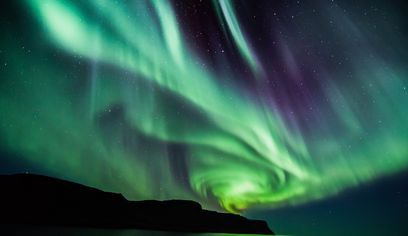
Myndavélar greina oft liti betur en nætursjón mannsins. Veik norðurljós geta litið gráhvít eða daufgræn út með augum en orðið grænni í langri lýsingu. Í sterkri sýningu eru græni liturinn og hraðar hreyfingar greinilegri. Símaljósmyndir geta því stundum sýnt dauf ljós áður en þú ert viss með berum augum.
Book a Northern Lights Tour
Guided tours move to wherever the sky is clearest on the night, which is the main advantage over waiting in one place. Compare departures from Reykjavík below.
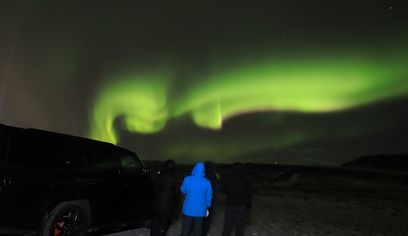 4 hours
LUX 110 Luxury Northern Lights Tour, Aurora Borealis
Superjeep
Frá
159,900 ISK
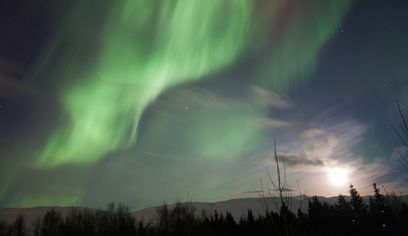 3 hours
Private Northern Lights Tour
Imagine Iceland Travel
Frá
129,000 ISK
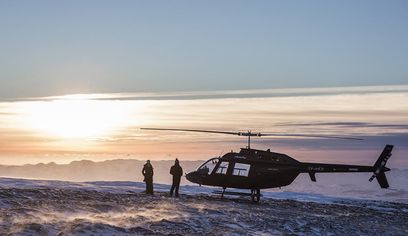 4 hours
Reykjavik by Helicopter & Northern Lights by Boat
Special Tours
Frá
50,690 ISK
 11 hours 30 minutes
The Golden Circle & Northern Lights - Combo Deal
Reykjavik Excursions by Icelandia
Frá
20,299 ISK
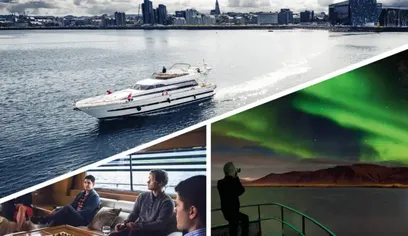 2 hours 30 minutes
Northern Lights Yacht Cruise
Harpa Yachts
Frá
12,990 ISK
 4 hours
PRIVATE Northern Lights Hunt
Travelling Iceland
Frá
189,000 ISK
Northern Lights & Dark-Sky Locations


Check Tonight's Aurora Conditions
Use AuroraVision alongside local weather and cloud information before heading out.
Open AuroraVision


