

weather
Besti tíminn til að heimsækja Ísland
Berðu saman árstíðir eftir veðri, dagsbirtu, norðurljósum, hálendi, dýralífi, mannfjölda og akstursaðstæðum.
Uppfært
Það er enginn einn besti mánuður
Besti tíminn til að heimsækja Ísland fer eftir því hvað þú vilt gera. Sumarið býður mesta birtu og aðgengi, dimmir mánuðir gefa færi á norðurljósum og vor og haust geta jafnað fjölda ferðamanna og aðstæður.
Sumar: langir dagar og gott aðgengi
Júní til ágúst henta best fyrir langa akstursdaga, göngur, tjaldferðir, dýralíf og hálendi þegar vegir eru opnir. Þetta er líka annasamasti tíminn og gott að bóka gistingu, bíla og vinsæla afþreyingu snemma.
Haust: myrkrið snýr aftur
Í september og október styttir hratt daginn, haustlitir birtast og nætur verða nægilega dimmar fyrir norðurljós. Veður verður óstöðugra og aðgengi að hálendi og árstíðabundinni þjónustu minnkar.
Vetur: norðurljós, ís og stuttir dagar
Vetur hentar þeim sem sætta sig við stutta dagsbirtu og sveigjanleika í veðri fyrir dimman himin, snævi þakið landslag og ísupplifanir. Stíf akstursáætlun hentar illa á óveðurstímum.
Vor: breytingatími
Dagsbirta lengist hratt að vori en vetraraðstæður hverfa misjafnlega eftir svæðum. Ferð getur verið róleg og gefandi, en aldrei má gera ráð fyrir opnu hálendi og aðstæður geta verið ólíkar milli landshluta.
Veldu árstíð eftir markmiðinu
Fyrir norðurljós skiptir myrkur máli; fyrir hálendi þarf opna sumarvegi; fyrir lunda og langa göngudaga hentar sumar; fyrir færri ferðamenn má velja vor eða haust en halda sveigjanleika vegna veðurs.
Veldu mánuð út frá aðalmarkmiði
Besti tíminn fer eftir því hvað þú vilt fá út úr ferðinni. Langar vegferðir og göngur benda til sumars, norðurljós og íshellar til dimmari mánaða, og ljósmyndun eða færri gestir geta gert vor og haust áhugaverð.
Veldu eitt eða tvö aðalmarkmið fyrst. Það er óraunhæft að vilja samtímis miðnætursól, norðurljós, opna hálendisvegi og djúpan vetur.
Dagsbirta breytir ferðastílnum
Löng sumardagsbirta auðveldar að færa skoðunarferðir eftir veðri og mannfjölda. Á veturna er útivistartíminn styttri og skipulag leiðarinnar mikilvægara.
Hvorug árstíðin er sjálfkrafa betri. Birtan hjálpar við sveigjanlega skoðun en myrkrið gefur möguleika á norðurljósum og gjörólíkri stemningu.
Vegaaðgengi skiptir meira máli en dagatalið
Helstu ferðamannastaði má heimsækja stóran hluta ársins en afskekktir vegir og hálendi eru árstíðabundnari. Raunveruleg færð og veður hafa alltaf forgang fram yfir væntingar út frá mánuði.
Ef Landmannalaugar eða annar hálendisstaður er aðalmarkmið þarf að byggja ferðina á raunhæfu aðgengi í stað þess að setja staðinn fyrst inn og athuga færð síðar.
Árstíðin breytir líka framboði og bókunum
Á vinsælum ferðatímum þarf að taka ákvarðanir fyrr um gistingu, bíla og tímasetta afþreyingu. Á rólegri tímum er oft meiri sveigjanleiki en þjónusta getur verið takmarkaðri.
Rétta málamiðlunin fer eftir því hvort þú vilt mesta úrvalið eða frjálsari ferðaáætlun. Kannaðu hverja þjónustu sérstaklega.
Hvenær á að koma fyrir norðurljós?
Norðurljós krefjast raunverulegs myrkurs og dimmir mánuðir gefa möguleika sem hásumarið býður ekki. Myrkur eitt nægir ekki; skýjahula og sólvirkni ráða sýnileika hverja nótt.
Ef norðurljós eru aðalatriði skaltu hafa nokkrar nætur til umráða í stað þess að treysta á eitt kvöld. Þá aukast líkur á myrkri, heiðskíru og virkni á sama tíma.
Besta ljósmyndaárstíð fer eftir myndefninu
Sumarið býður langa gullna birtu, grænt landslag og gott aðgengi. Veturinn færir lága sól, snjó, ís og norðurljós. Vor og haust gefa breytilegt veður og hefðbundnari sólarupprás og sólsetur.
Veldu árstíð eftir því sem þú vilt mynda fremur en almennri hugmynd um besta ljósið. Fossar, svartar strendur, jöklar og jarðhitasvæði breytast með veðri og árstíð.
Attractions That Show the Seasons Clearly
These GoIceTravel attractions illustrate how the same Iceland trip can feel very different depending on access, daylight and weather.

Thingvellir National Park
A year-round route anchor whose walking conditions, light and pacing change strongly by season.

Landmannalaugar
A clear example of a destination where access and conditions should drive the travel date.

Jökulsárlón Glacier Lagoon
A major glacier-lagoon destination that changes with light, weather and surrounding ice conditions.

Lake Myvatn
A North Iceland base where summer exploration and winter atmosphere create very different trips.
Activities for Your Travel Season
Browse activities that fit the season and your route rather than booking from a generic list.
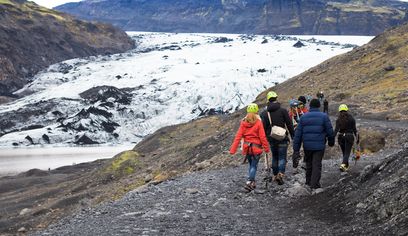 Mest selda 12 hours
South Coast & Glacier Hike Minibus Tour
Troll Expeditions
Frá
22,353 ISK
 30 minutes
Pick up for Tours
Reykjavik Excursions by Icelandia
Frá
1,899 ISK
 11 hours 30 minutes
The Golden Circle & Northern Lights - Combo Deal
Reykjavik Excursions by Icelandia
Frá
20,299 ISK
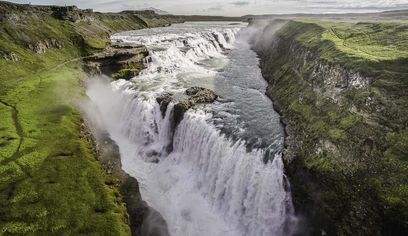 8 hours 30 minutes
Golden Circle Afternoon Tour
BusTravel Iceland
Frá
10,990 ISK
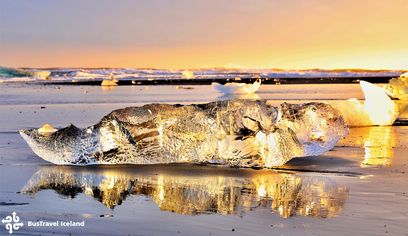 14 hours
Glacier Lagoon (Jökulsárlón) & South Iceland Tour
BusTravel Iceland
Frá
27,990 ISK
 2 hours
Northern Lights by Boat
Special Tours
Frá
14,490 ISK


