
Rauðhólar — Colinas Rojas
null es un/una maravilla natural ubicado/a en Reikiavik, Islandia. Islandia se encuentra en la Dorsal Mesoatlántica, donde las placas tectónicas de Norteamérica…
De un vistazo
Tiempo de visita
1-2 hours
Mejor temporada
Summer (June-August) offers 24-hour daylight; winter for Northern Lights
Cómo llegar
Accessible by car on paved or gravel roads. Some require short hikes.
GPS
64.0956, -21.7515
Acerca de
Sobre Rauðhólar — Colinas Rojas
null es un/una maravilla natural ubicado/a en Reikiavik, Islandia. Islandia se encuentra en la Dorsal Mesoatlántica, donde las placas tectónicas de Norteamérica y Eurasia se encuentran. La actividad volcánica ha dado forma a este paisaje único de campos de lava y áreas geotermales.
Walk among 50 red pseudocraters inside Reykjavík — unique volcanic geology you can explore without leaving the city.
Tours cerca de Rauðhólar — Colinas Rojas
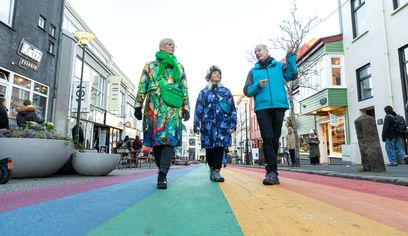
Private Reykjavik LGBTQ+ City Walk
Your Friend in Reykjavik · 3 hours
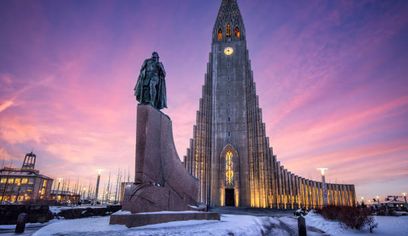
Private Reykjavik City Tour
Icelimo Luxurytravel · 4 hours
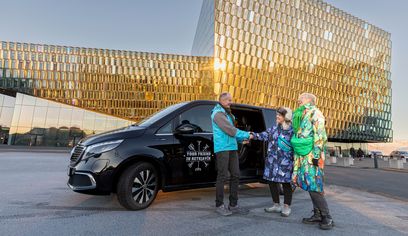
Private 3 hour Reykjavik Driving Tour
Your Friend in Reykjavik · 3 hours
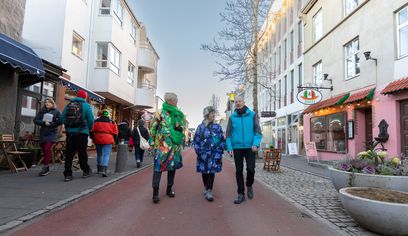
Private Reykjavik Shopping & Sightseeing Walking Tour
Your Friend in Reykjavik · 3 hours
Fotos
Galería
Antecedentes
Historia y Antecedentes
Este sitio en Reykjavík ha cautivado tanto a visitantes como a lugareños a lo largo de la historia de Islandia. Las formaciones naturales aquí fueron formadas durante miles de años por las fuerzas del vulcanismo, la glaciación y la erosión. Los primeros pobladores reconocieron la belleza única de este lugar y aparece en varios relatos históricos y folclore. Las maravillas naturales de Islandia han sido descritas por viajeros desde la época medieval, y algunos de los primeros relatos escritos aparecen en las sagas y tratados geográficos de los siglos XII y XIII. Hoy en día, este sitio continúa atrayendo visitantes de todo el mundo que vienen a presenciar los extraordinarios paisajes que hacen de Islandia uno de los lugares con mayor diversidad geológica del planeta.
Folclore
Historia y Folclore
null es un/una maravilla natural ubicado/a en Reikiavik, Islandia. Islandia se encuentra en la Dorsal Mesoatlántica, donde las placas tectónicas de Norteamérica y Eurasia se encuentran. La actividad volcánica ha dado forma a este paisaje único de campos de lava y áreas geotermales.
¿Sabías que?
Pseudocraters look like volcanoes but aren't — they're explosions caused by lava flowing over water, not actual magma vents.
Cultura
Historias y Leyendas
Sagas islandesas y folclore de esta área
Explorar
Joyas ocultas cercanas
Off-Peak Visit
Visit this attraction during shoulder season (May or September) for a perfect balance of access and solitude.
You'll experience the site without summer crowds while still having good weather and daylight.
Local Flora
Look for the native Icelandic plants growing in the area — Arctic thyme, moss campion, and various lichens.
These resilient plants have adapted to survive harsh conditions and add subtle beauty to the landscape.
Changing Light
this attraction looks dramatically different depending on the time of day and weather conditions.
Cloud shadows, rain showers, and low-angle sunlight can transform the landscape within minutes — Iceland's famous "four seasons in one day."
Ayuda
Preguntas frecuentes
Ubicación
Ubicación
Discover
Explore Nearby
Places from our database within 5.0 km — all data from Sanity
Loading nearby places…
0 places found within 5.0 km
Plan full itinerary →Explorar más