
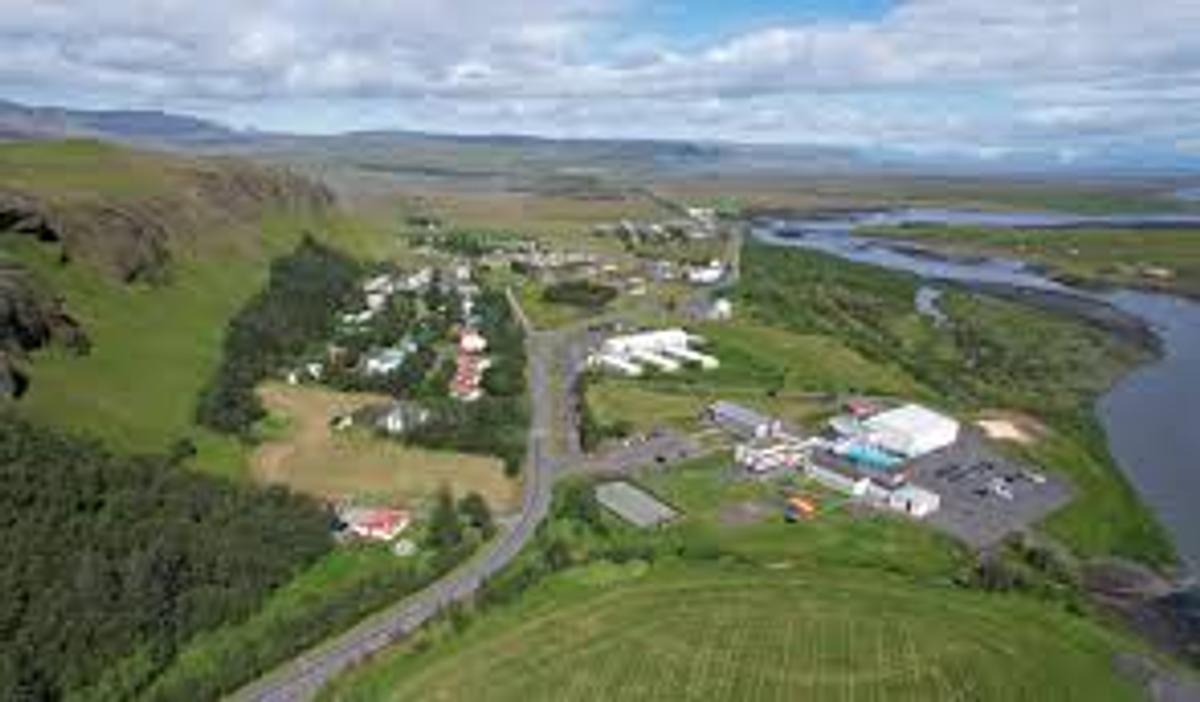
Kirkjubæjarklaustur
Enclavado entre dramáticos campos de lava y una vegetación exuberante, Kirkjubæjarklaustur ofrece una cautivadora mezcla de historia antigua y asombrosas maravi…
De un vistazo
Tiempo de visita
Allocate 2-3 hours to explore the main sights like Kirkjugólfið, Systrafoss, and Systrastapi, plus time for refreshments. A half-day allows for a more relaxed visit.
Mejor temporada
Late spring to early autumn (May–September) for best weather and access to outdoor sights. Mornings are often quieter.
Cómo llegar
Located directly on Ring Road 1 (Route 1) in South Iceland, approximately halfway between Vík í Mýrdal and Skaftafell Nature Reserve. Easily accessible by car.
GPS
63.7890, -18.0531
Acerca de
Sobre Kirkjubæjarklaustur
Enclavado entre dramáticos campos de lava y una vegetación exuberante, Kirkjubæjarklaustur ofrece una cautivadora mezcla de historia antigua y asombrosas maravillas naturales. Este pequeño pueblo, impregnado de relatos monásticos y maravillas geológicas, sirve como un centro vital para los aventureros que exploran el sur de Islandia.
A practical South Coast base with distinctive monastic and volcanic history.
Tours cerca de Kirkjubæjarklaustur
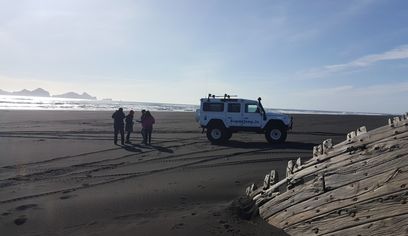
DT 322 Private Superjeep South Coast & Eyjafjallajökull Volcano Sights
Superjeep · 8 hours
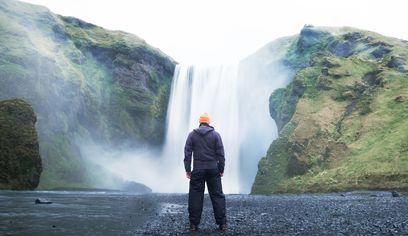
South Coast Waterfalls, Glacier & Black Sand Beach Tour
BusTravel Iceland · 10 hours
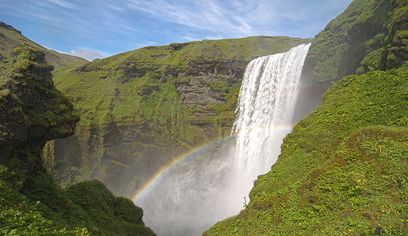
South Coast Small Group Tour: Waterfalls, Glacier & Black Sand Beach
BusTravel Iceland · 10 hours
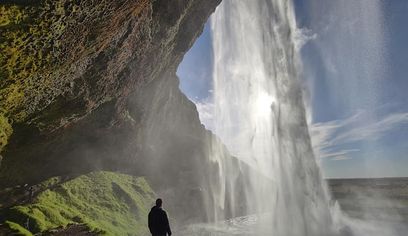
South Coast Waterfalls, Black Beach and Glacier Adventure | Small Group Day Tour
Nicetravel · 11 hours
Fotos
Galería
Antecedentes
Historia y Antecedentes
El área alrededor de Kirkjubæjarklaustur cuenta con una rica y antigua historia, con algunas evidencias que sugieren que monjes irlandeses, conocidos como 'Papar', pudieron haberse asentado aquí incluso antes que los nórdicos. Según el Landnámabók (Libro de los Asentamientos), el sitio era considerado sagrado, y se creía que ningún pagano podía residir allí; un pagano llamado Hildir Eysteinsson supuestamente murió instantáneamente al intentar asentarse allí en el siglo X, siendo enterrado en Hildishaugur. Un momento crucial en la historia del pueblo fue el establecimiento de un convento benedictino en Kirkjubær en 1186. Este fue el primer monasterio femenino de Islandia, funcionando como un importante centro cultural y literario hasta la Reforma en 1550. El legado del convento está profundamente arraigado en el paisaje local, inspirando nombres como Systrafoss (Cascada de las Hermanas), Systravatn (Lago de las Hermanas) y Systrastapi (Roca de las Hermanas). Kirkjubæjarklaustur también ocupa un lugar notable en los anales de la resiliencia islandesa. Durante la catastrófica erupción de Lakagígar en 1783, un enorme flujo de lava amenazó con engullir el pueblo. Se salvó milagrosamente cuando la lava se detuvo justo antes de la iglesia local, un evento ampliamente atribuido al poderoso 'Sermón del Fuego' pronunciado por el Reverendo Jón Steingrímsson, una historia que sigue resonando entre los visitantes.
Kirkjubæjarklaustur, cariñosamente conocido como 'Klaustur', es un fascinante pueblo en el sur de Islandia, estratégicamente ubicado en la carretera de circunvalación 1 entre Vík y la Reserva Natural de Skaftafell. A pesar de su pequeña población, sirve como el único centro de servicios en el municipio de Skaftárhreppur, ofreciendo comodidades esenciales como combustible, restaurantes, alojamiento y un supermercado para los viajeros. El nombre del pueblo, que significa 'convento de la granja de la iglesia', insinúa sus profundas raíces históricas. La evidencia sugiere que monjes irlandeses pudieron haberse asentado aquí antes que los nórdicos. El sitio se convirtió en el hogar del primer convento benedictino femenino de Islandia en 1186, un centro de cultura y aprendizaje hasta la Reforma. Este pasado monástico está grabado en el paisaje, dando nombre a características icónicas como Systrafoss (Cascada de las Hermanas), Systravatn (Lago de las Hermanas) y Systrastapi (Roca de las Hermanas). Más allá de su historia, Klaustur es una puerta de entrada a fenómenos naturales extraordinarios. Descubre Kirkjugólfið ('El Suelo de la Iglesia'), una sorprendente formación natural de columnas de basalto que parece un suelo de iglesia perfectamente embaldosado, moldeado por antiguos glaciares y el mar. Contempla la belleza de Systrafoss, una cascada de dos niveles que desciende de Systravatn. Explora el vasto campo de lava de Eldhraun, un recordatorio austero pero hermoso de la devastadora erupción de Skaftáreldar (Laki) de 1783, un evento para siempre ligado a la milagrosa supervivencia del pueblo durante el 'Sermón del Fuego'. Como parte del Geoparque Katla y una puerta de entrada al Parque Nacional Vatnajökull, Kirkjubæjarklaustur ofrece un rico tapiz de historia, geología y resiliencia islandesa.
Folclore
Historia y Folclore
Es el año 1783, y el fuego cae del cielo. La erupción de Lakagígar ruge, arrojando vastos ríos de roca fundida por todo el sur de Islandia. Kirkjubæjarklaustur, un pequeño asentamiento con una antigua iglesia, se encuentra directamente en su camino. El pánico se apoderó de los aldeanos mientras la marea incandescente se acercaba, consumiendo todo a su paso. La esperanza disminuía hasta que el Reverendo Jón Steingrímsson, un hombre de profunda fe, reunió a su rebaño. Pronunció un ferviente 'Sermón del Fuego', una poderosa súplica a los cielos. Mientras sus palabras resonaban en el aire lleno de humo, un evento increíble se desarrolló: el colosal flujo de lava, aparentemente imparable, se detuvo abruptamente justo fuera de los muros de la iglesia. El pueblo se salvó. Hasta el día de hoy, la historia del 'Sermón del Fuego' es un testimonio del espíritu perdurable del pueblo y de una intervención milagrosa que salvó a Kirkjubæjarklaustur de una destrucción segura.
¿Sabías que?
During the catastrophic 1783 Lakagígar eruption, a lava flow miraculously stopped just short of the village church, an event attributed to the 'Fire Sermon' by Reverend Jón Steingrímsson.
Cultura
Historias y Leyendas
Sagas islandesas y folclore de esta área
Geirland
Geirland is a historic location in Iceland mentioned in "Gunnars saga Keldugnúpsfífls", one of the ancient Íslendingasögur (Sagas of Icelanders). These medieval narratives preserve the history of Iceland's Viking Age settlement.
Keldunúpur
Keldunúpur: A site of ancient prophecy and a tragic saga's turning point.
Kirkjubær á Síðu (nú Kirkjubæjarklaustur)
Kirkjubær á Síðu: A historic site where faith and saga intertwine.
Explorar
Joyas ocultas cercanas
Best Time of Day
Visit Kirkjubæjarklaustur during golden hour (the hour after sunrise or before sunset) for the most beautiful light.
Iceland's low-angle sunlight creates long shadows and warm colors that transform ordinary scenes into extraordinary ones.
Local Knowledge
Ask locals for their favorite nearby spots — Icelanders are friendly and love sharing recommendations.
The best experiences often come from local tips about lesser-known viewpoints, cafés, or hidden natural features.
Weather Changes
Don't leave if the weather is bad — wait 15 minutes and it often changes dramatically.
Iceland's rapidly changing weather can transform a gray scene into a spectacular display of light and clouds in minutes.
Ayuda
Preguntas frecuentes
Ubicación
Ubicación
Discover
Explore Nearby
Places from our database within 5.0 km — all data from Sanity
Loading nearby places…
0 places found within 5.0 km
Plan full itinerary →Explorar más