
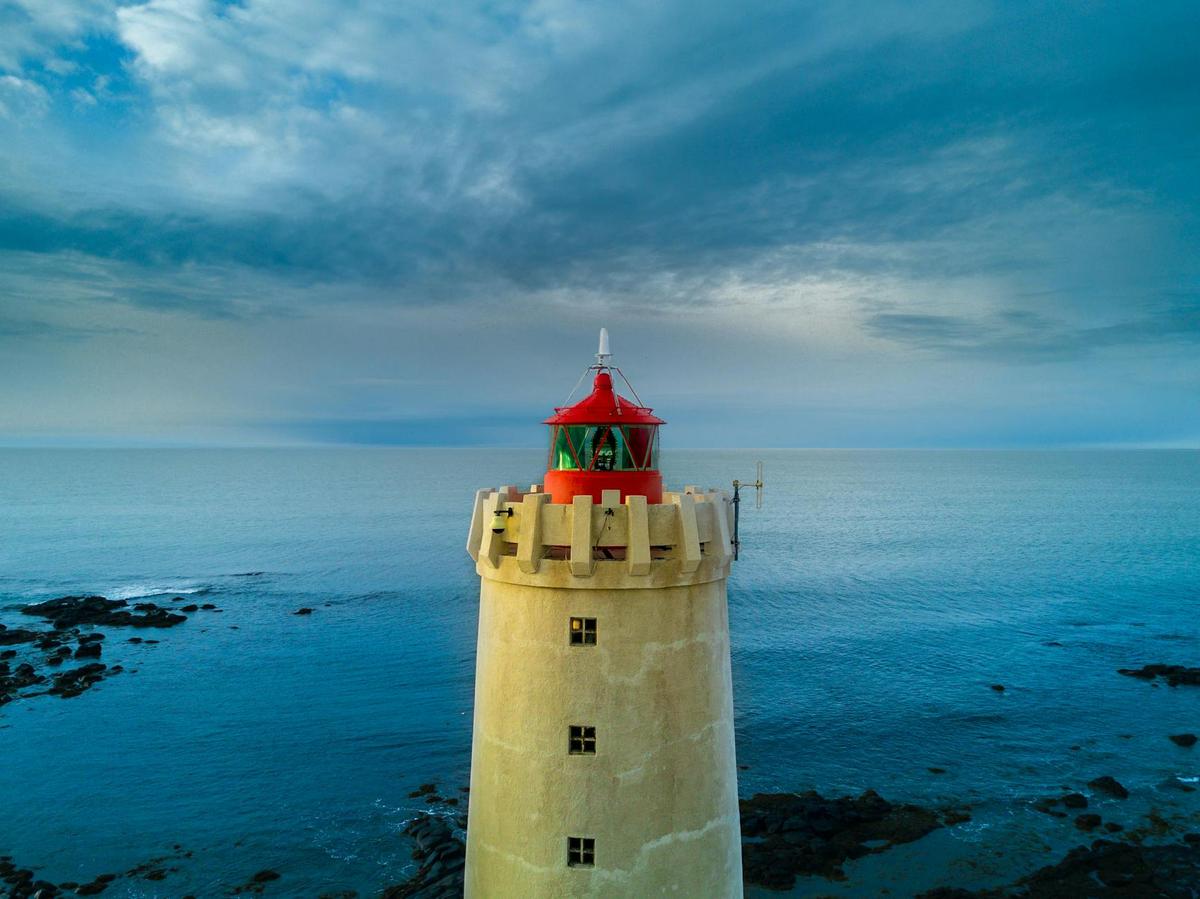
Grotta
Faro y reserva natural en Reykjavík, excelente para observar auroras boreales y aves marinas.
De un vistazo
Tiempo de visita
30 minutes to 1 hour
Mejor temporada
Summer (June-August) for mild weather; winter for dramatic waves
Cómo llegar
Accessible by car. Stay well back from waves at black sand beaches.
GPS
64.1643, -22.0219
Acerca de
Sobre Grotta
Faro y reserva natural en Reykjavík, excelente para observar auroras boreales y aves marinas.
The combination of northern lights potential (away from city light pollution), wading birds at high tide and spectacular westward sunsets makes this one of the capital area's most atmospheric spots.
Tours cerca de Grotta
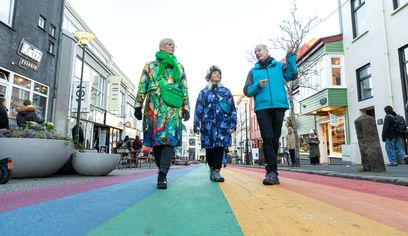
Private Reykjavik LGBTQ+ City Walk
Your Friend in Reykjavik · 3 hours
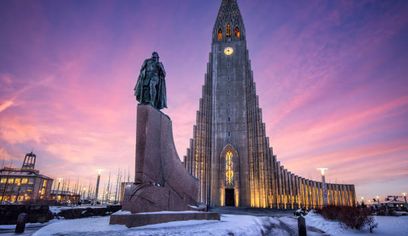
Private Reykjavik City Tour
Icelimo Luxurytravel · 4 hours
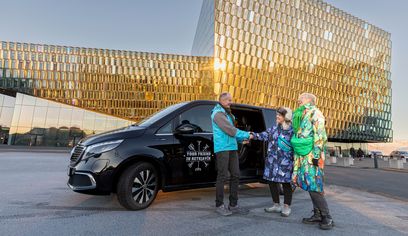
Private 3 hour Reykjavik Driving Tour
Your Friend in Reykjavik · 3 hours
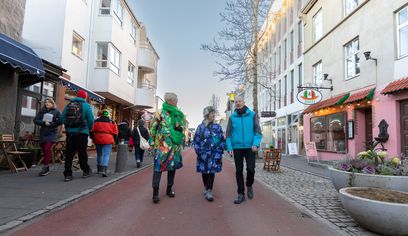
Private Reykjavik Shopping & Sightseeing Walking Tour
Your Friend in Reykjavik · 3 hours
Fotos
Galería
Antecedentes
Historia y Antecedentes
Grótta ha sido un sitio importante en el paisaje de Islandia. A lo largo de los años, este lugar ha desempeñado un papel importante en la cultura y la historia natural de Islandia.
Grótta es una playa extraordinaria en Islandia. Grótta es una impresionante playa ubicada en la Región Capital. Esta espectacular zona costera presenta la distintiva arena volcánica negra de Islandia, moldeada por poderosas... Grótta es el faro en el extremo más alejado de la península de Seltjarnarnes, el extremo más occidental del Gran Reykjavík y uno de los mejores lugares para escapar de la contaminación lumínica de la ciudad y observar la aurora boreal. El paseo desde la piscina Seltjarnarneslaug p. Esta ubicación ofrece a los visitantes una oportunidad única de experimentar la belleza natural y el patrimonio cultural de Islandia.
Folclore
Historia y Folclore
Grotta es una pequeña isla de marea en la costa occidental de Reykjavík. El área es una reserva de aves y un lugar popular para observar auroras boreales. El faro se construyó en 1947 y todavía está operativo.
¿Sabías que?
At low tide, a sand spit appears connecting the mainland to Grótta's small island — but it fills within hours. The lighthouse has operated since 1897 and was one of Iceland's first electrified lighthouses.
Cultura
Historias y Leyendas
Sagas islandesas y folclore de esta área
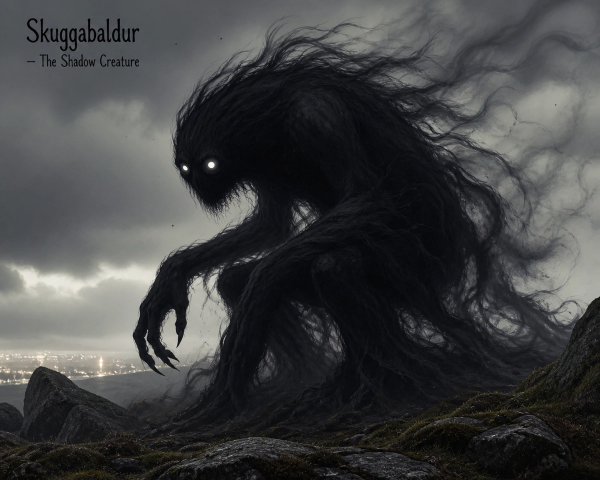
Skuggabaldur – The Shadow Creature
Skuggabaldur: A phantom dog guarding forgotten paths.
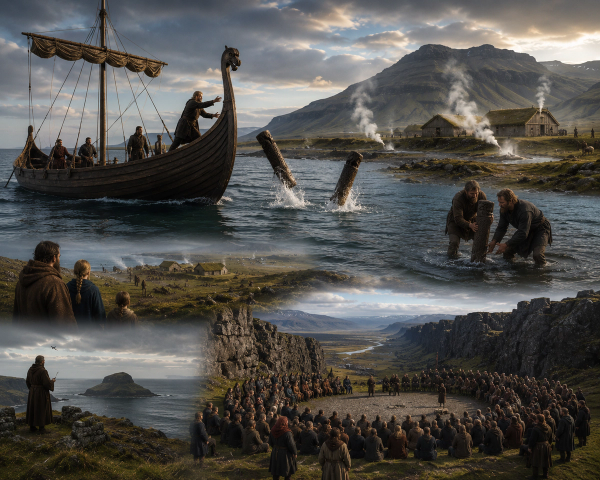
The Settlement of Iceland – Land of Fire and Freedom
Iceland: Land of Fire and Freedom, forged by Vikings and volcanic might.
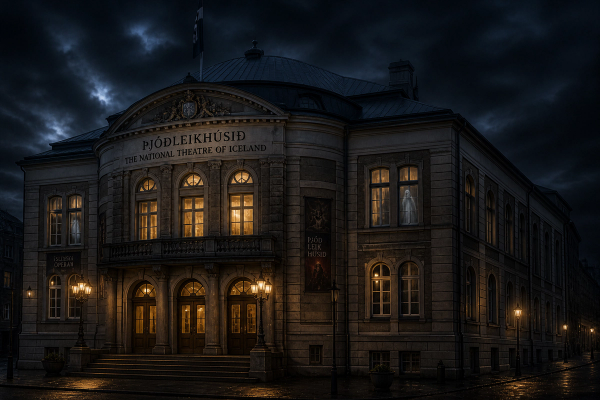
National Theatre of Iceland
Staff and performers have reported unexplained sounds, flickering lights and ghostly presences in the backstage areas and upper floors of this early 20th century building.
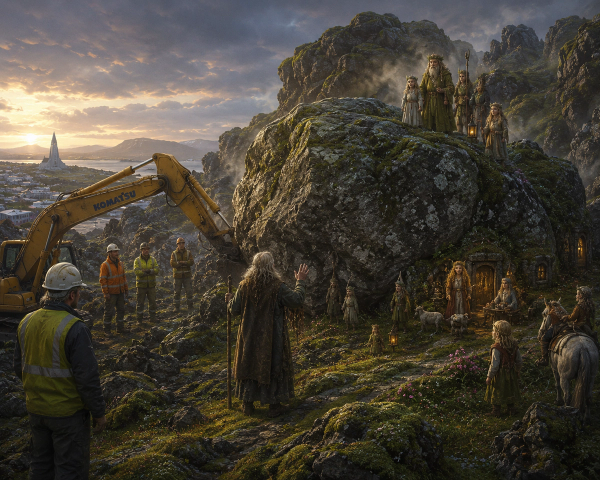
Elves and the Hidden People (Huldufólk)
Reykjavík's hidden folk: Elves are said to reside in and around the capital.
Explorar
Joyas ocultas cercanas
Tidal Patterns
The black sand creates stunning patterns as the waves retreat, especially at low tide.
The interplay of water, sand texture, and reflected sky creates naturally artistic compositions that are constantly changing.
Rock Formations
Explore the rock formations at the edges of the beach — many feature columnar basalt and small caves.
These geological features add variety to your beach visit and often shelter small tidal pools with marine life.
Seabird Watching
Bring binoculars to spot seabirds nesting on nearby cliffs, especially during summer months.
In breeding season (May-August), you can often see puffins, fulmars, and guillemots from the beach.
Ayuda
Preguntas frecuentes
Ubicación
Ubicación
Discover
Explore Nearby
Places from our database within 5.0 km — all data from Sanity
Loading nearby places…
0 places found within 5.0 km
Plan full itinerary →Explorar más