
Islandia · Maravillas naturales
Las cascadas
de Islandia
Descubre más de 200 cascadas espectaculares — desde torrentes glaciales hasta joyas ocultas en las Tierras Altas. Camina detrás de Seljalandsfoss, contempla el Dettifoss más poderoso de Europa.
200+
Named waterfalls
Free
Most free entry
24/7
Year-round access
8
Regions to explore
200+
Cascadas
8
Regiones
6
Rutas
Gratis
Entrada a todas
Todo el año
La mayoría abiertas
10
Experiencias
Discovery
Explore Iceland's Waterfalls
Discover waterfalls across Iceland — select a pin for details.
No te lo pierdas
Las cascadas más famosas de Islandia
Las cascadas imprescindibles que definen Islandia

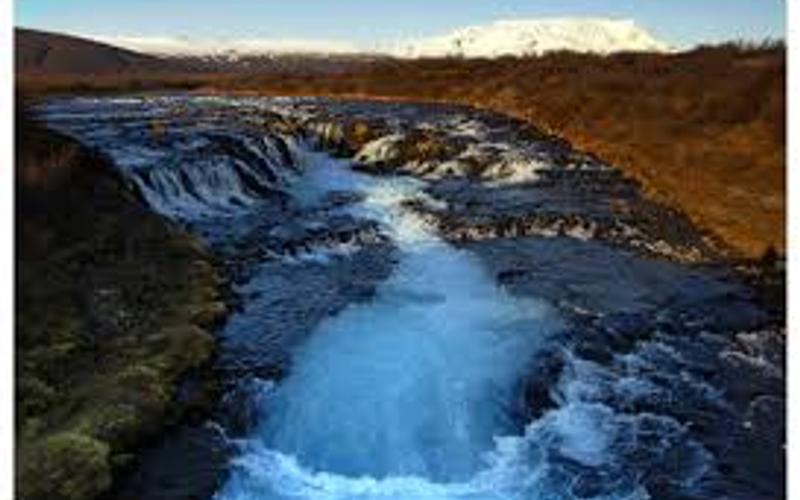
Brúarfoss Waterfall
Blue-water waterfall on the Brúará river, reached by official walking access in the Golden Circle area.


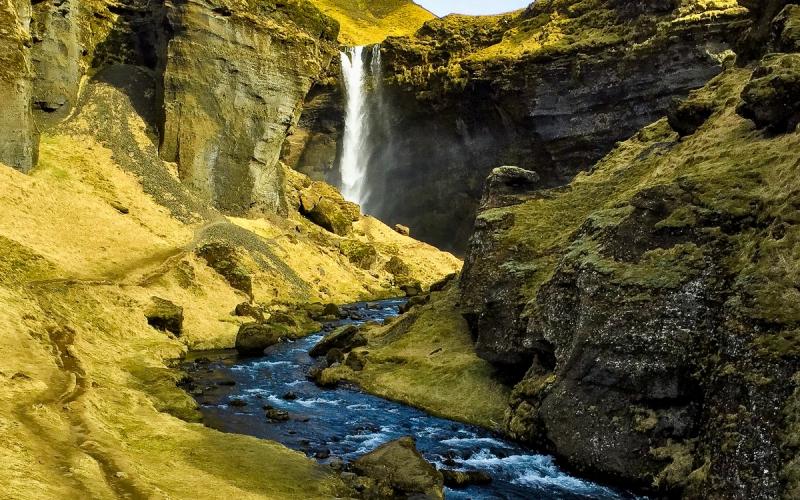
Kvernufoss
30-metre waterfall in a narrow gorge near Skógar, with a path behind the cascade in suitable conditions.

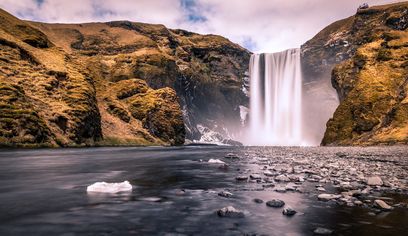
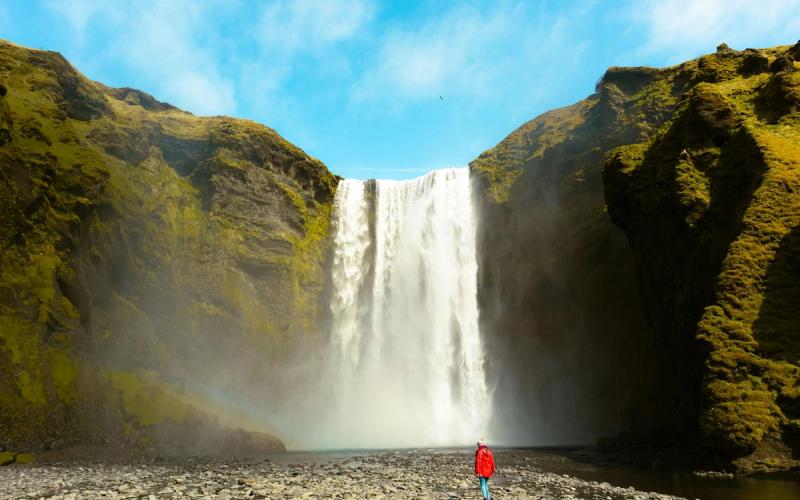
Skógafoss
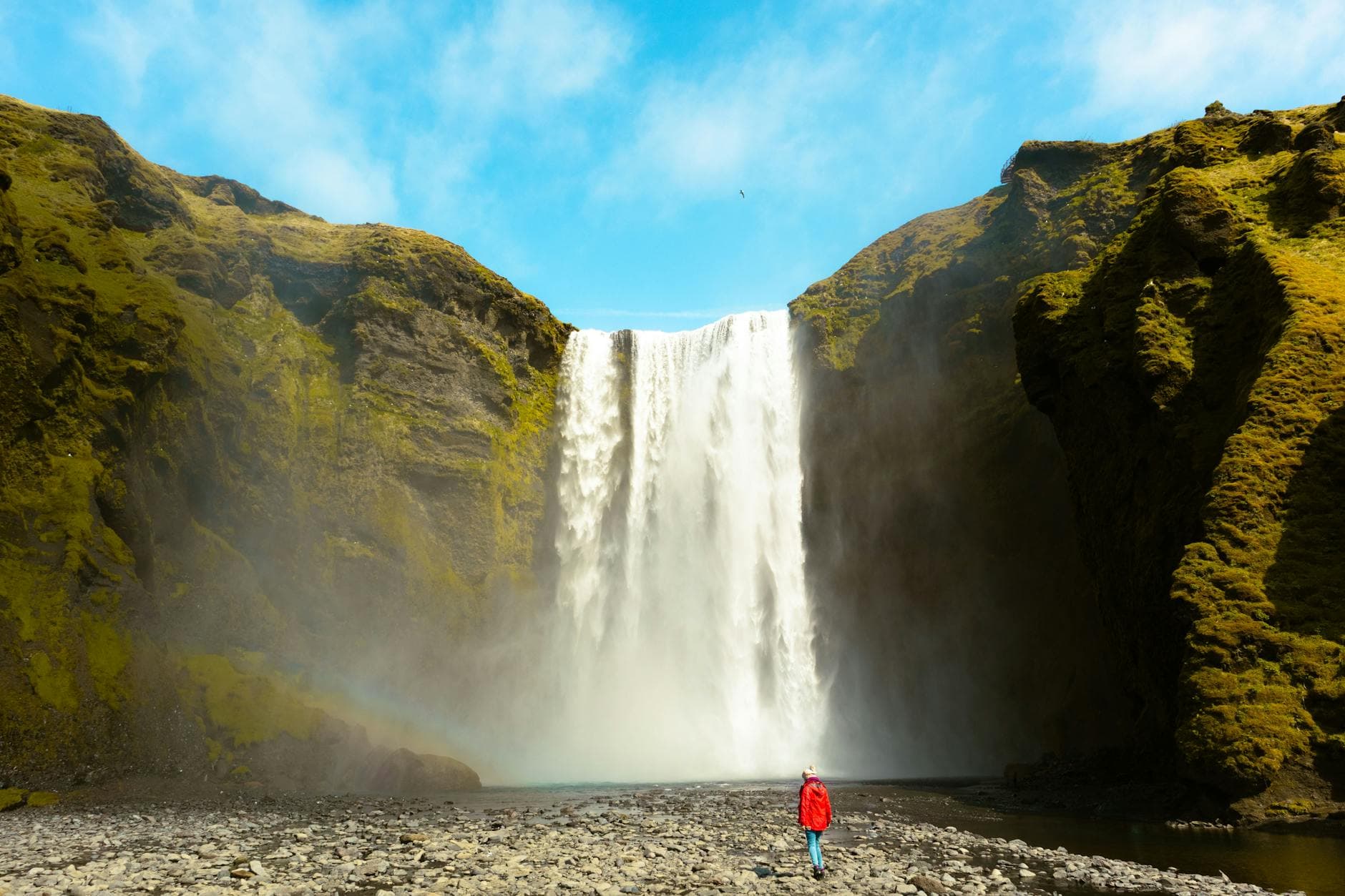
Broad 60-metre waterfall by Skógar with viewpoints at the base and above the falls.

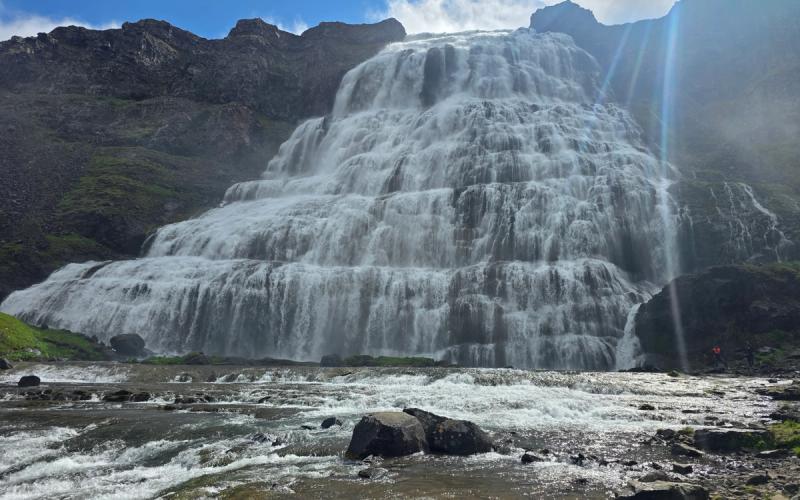
Dynjandi
Dynjandi, also known as Fjallfoss, is the Westfjords' majestic 100-meter tiered waterfall, fanning out like a bridal veil.

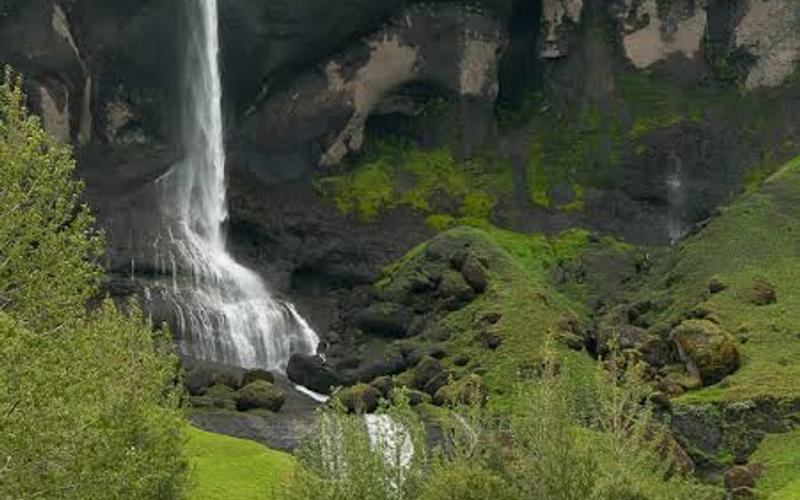
Folaldafoss
A powerful cascade tumbling over dark basalt cliffs, Folaldafoss is an Eastfjords' hidden gem.

Seljalandsfoss
60-metre South Coast waterfall with a path behind the cascade when conditions allow.

Gullfoss
Two-stage waterfall on the Hvítá river and one of the main stops on the Golden Circle.
 10 hours 30 minutes
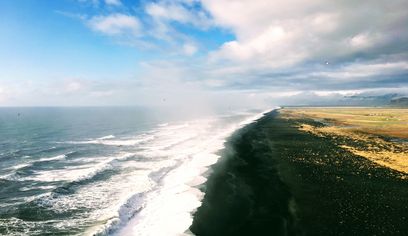
South Coast Tour - Black Sand Beach, Plane wreck, Skogafoss, Seljalandsfoss guided in Chinese冰岛南岸黑沙滩飞机残骸中文一日团
Magic Iceland Travel
Desde
18,480 ISK
 10 hours
Private South Coast tour
EastWest
Desde
220,000 ISK
 11 hours
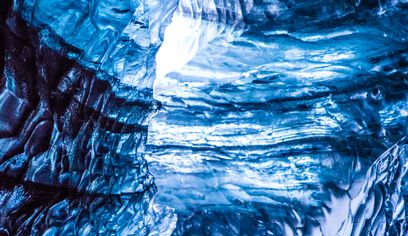
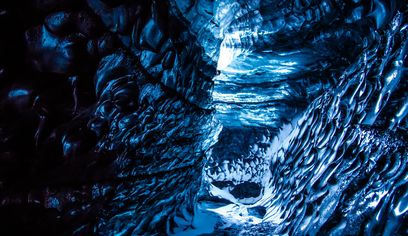
DT 02 South Coast and Katla Ice Cave
Superjeep
Desde
85,580 ISK
 10 hours
DT 302 Private Superjeep South Coast & Katla Ice Cave
Superjeep
Desde
289,400 ISK
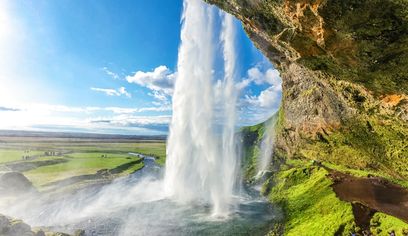 11 hours
Private Premium South Coast Small Group Tour
Iceland Horizon - Saga Travel - GeoIceland
Desde
299,900 ISK
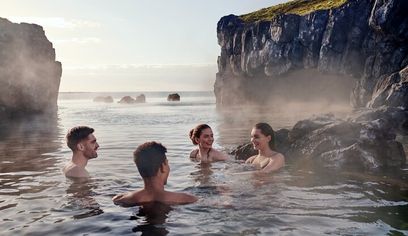 13 hours
South Coast & Sky Lagoon Saman Pass Tour
BusTravel Iceland
Desde
31,790 ISK
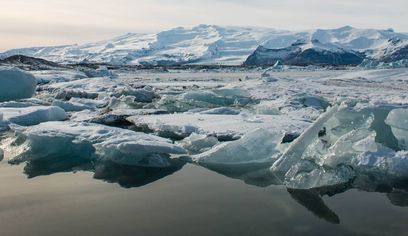 14 hours
Private South Coast and Glacier Lagoon Day Tour
David The Guide
Desde
279,900 ISK
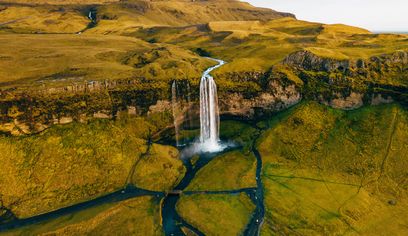 11 hours
Private South Coast Fire & Ice: Lava Show & Glacier Viewpoint | Private Day Tour
Hidden Iceland
Desde
350,000 ISK
 10 hours
South Coast Tales! A Spanish-Language Tour
EastWest
Desde
20,990 ISK
Waterfall Explorer
123 of 123 waterfalls — search, filter or find falls near you
Browse by Experience
What kind of waterfall are you looking for?
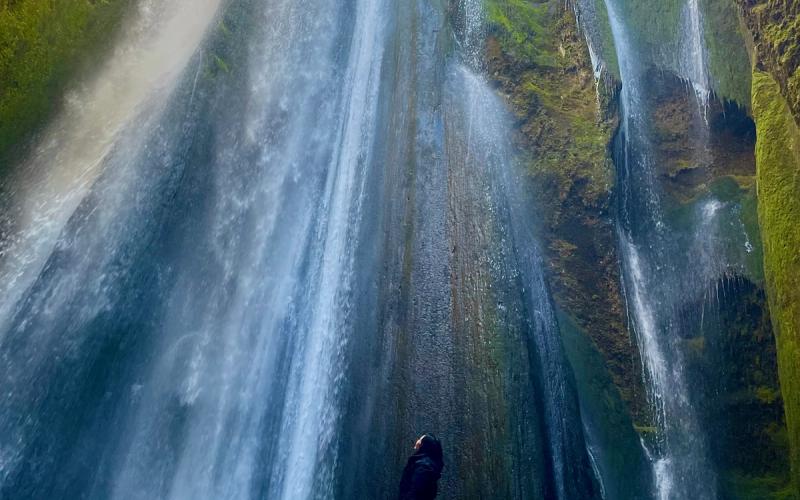
Walk Behind
Waterfalls you can walk behind
2 waterfalls →
Hidden Gems
Off the beaten path — few tourists, pure Iceland
22 waterfalls →
Most Powerful
Raw glacial force — Europe's mightiest falls
20 waterfalls →
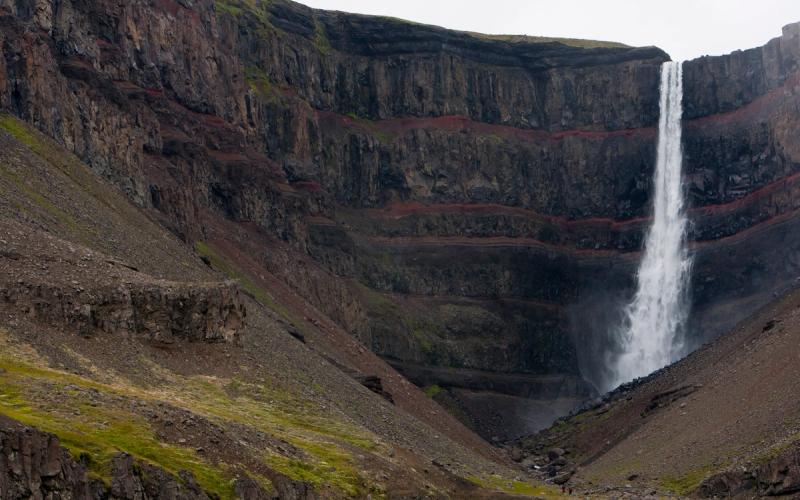
Highest
Iceland's tallest drops
3 waterfalls →
Family Friendly
Easy paths and safe viewpoints for all ages
5 waterfalls →
Easy Access
Steps from the parking lot
7 waterfalls →
Photography
Rainbows, reflections and epic compositions
3 waterfalls →
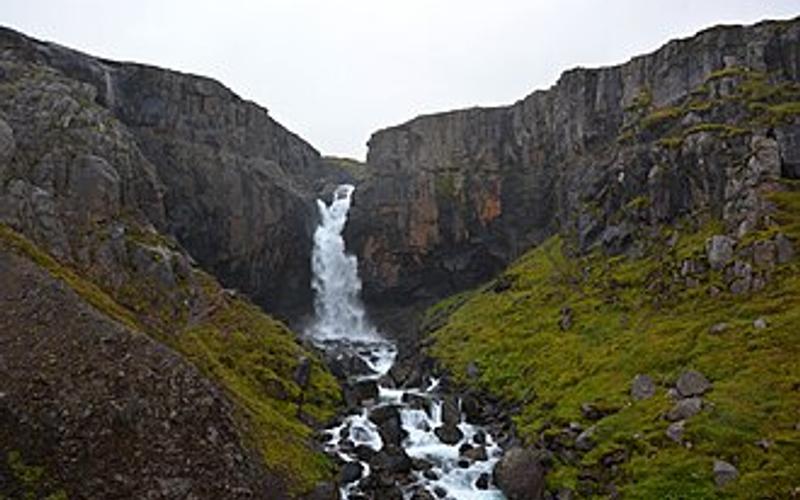
Short Hike
Earn the view — under 2 hours round trip
6 waterfalls →
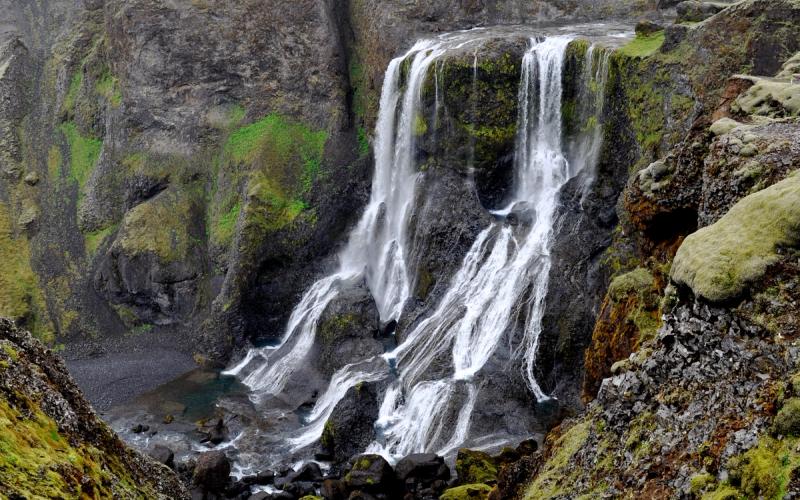
Highlands
Remote falls in the wild interior (4×4 season)
6 waterfalls →
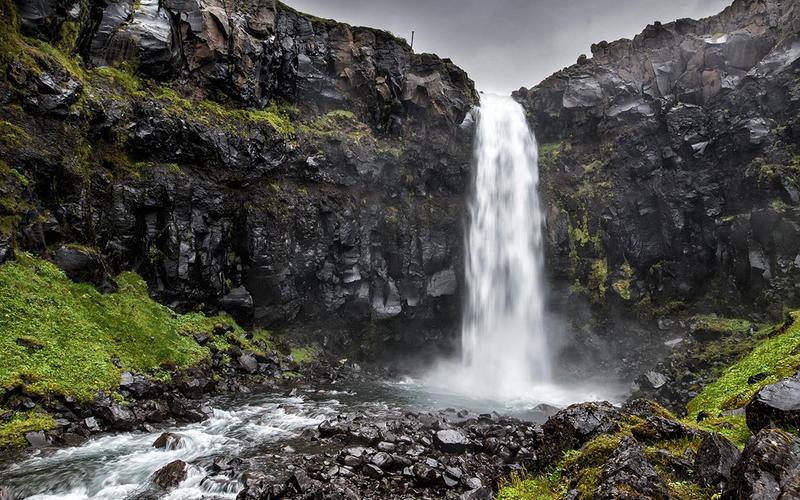
Winter
Frozen curtains and northern lights backdrops
64 waterfalls →
Waterfall Road Trips
Curated routes — one click loads every stop into your Trip Planner
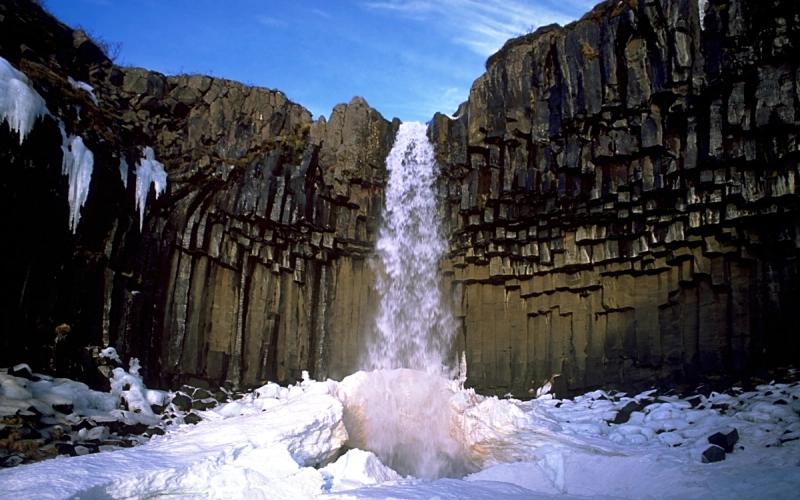
South Coast Waterfall Trail
The classics in one day — walk behind Seljalandsfoss, find hidden Kvernufoss, stand under Skógafoss and hike to Svartifoss.
Skógafoss
Svartifoss
Golden Circle Waterfalls
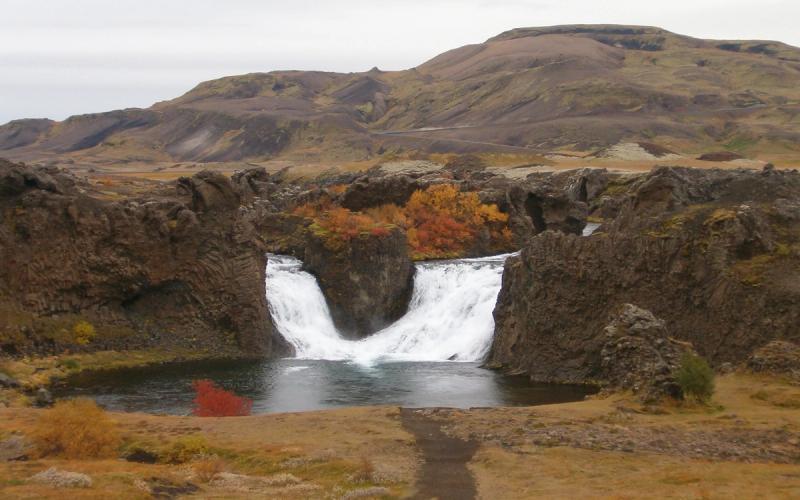
Gullfoss and the blue wonder Brúarfoss, then detour into Þjórsárdalur for Háifoss and Hjálparfoss.
Brúarfoss Waterfall
Hjálparfoss
North Iceland Waterfall Route
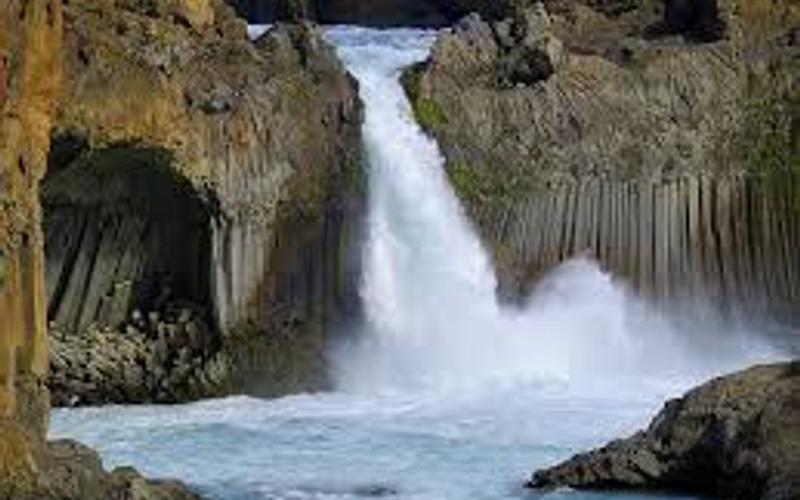
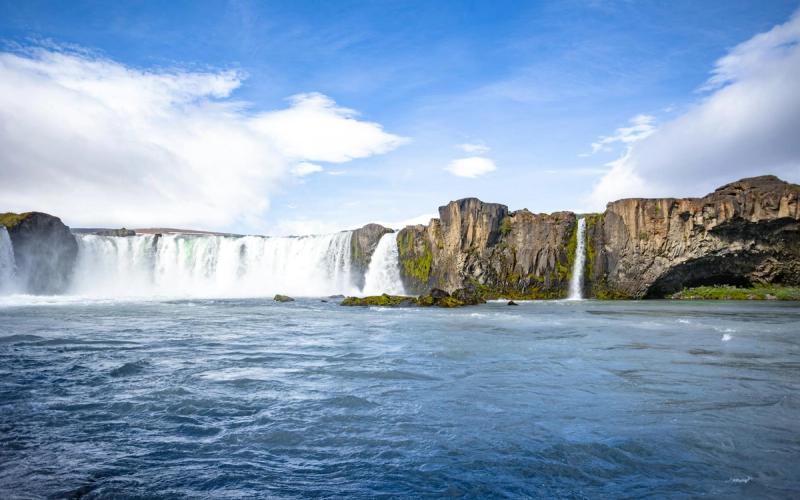
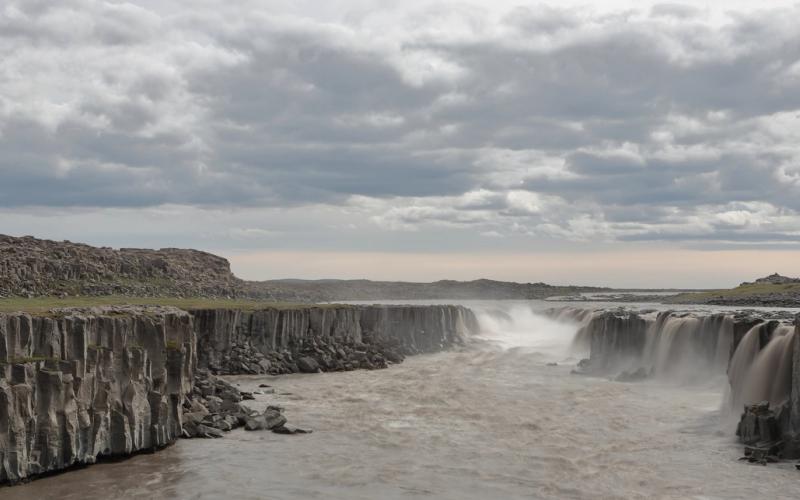
From Goðafoss to the basalt columns of Aldeyjarfoss and Europe's most powerful waterfall, Dettifoss.
Goðafoss
Aldeyjarfoss
Selfoss Waterfall
East Iceland Waterfall Trail
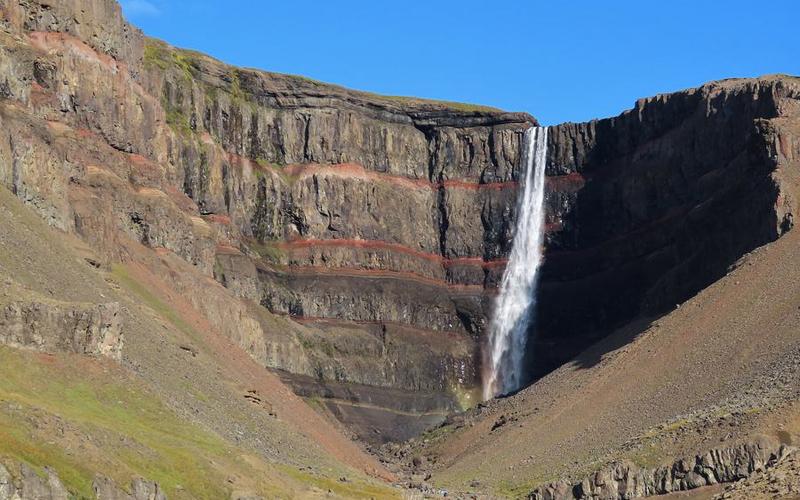
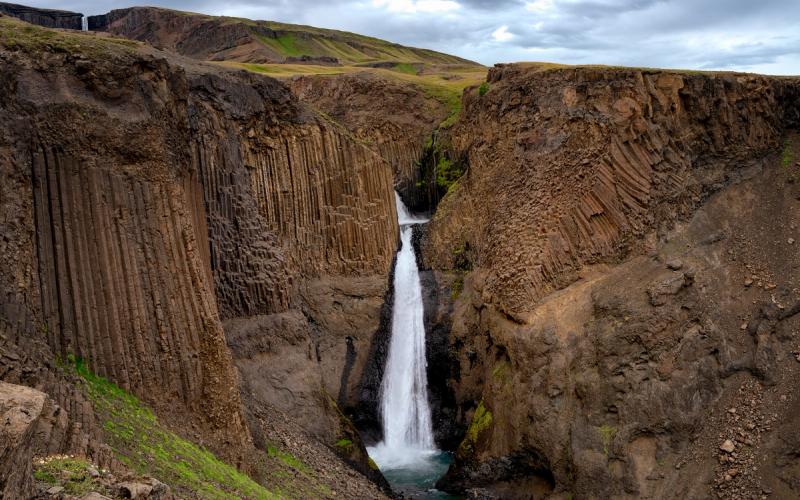
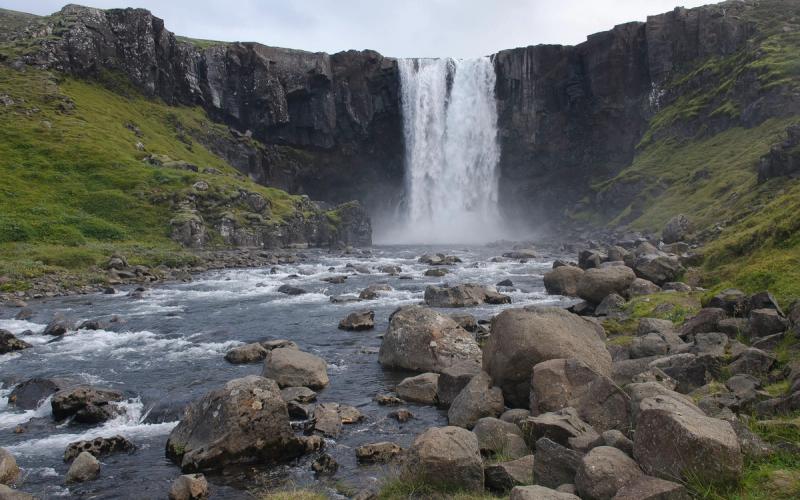
Hike to Hengifoss above the basalt-framed Litlanesfoss, with Fardagafoss and Gufufoss by Seyðisfjörður.
Litlanesfoss Waterfall
Fardagafoss
Gufufoss
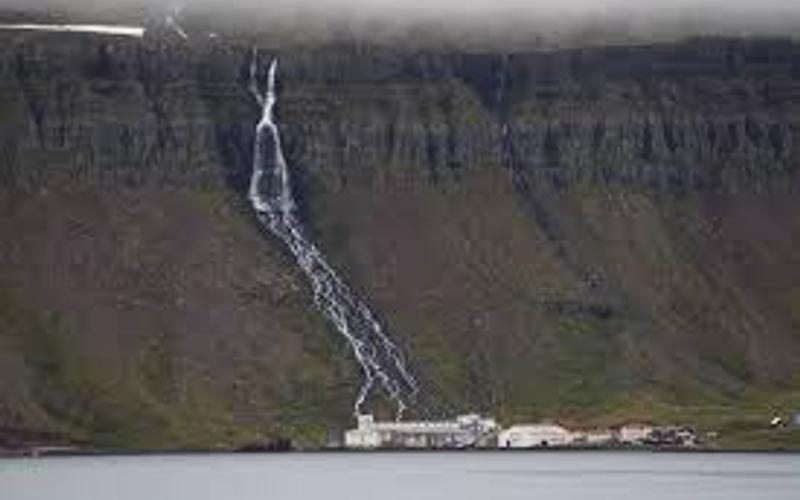
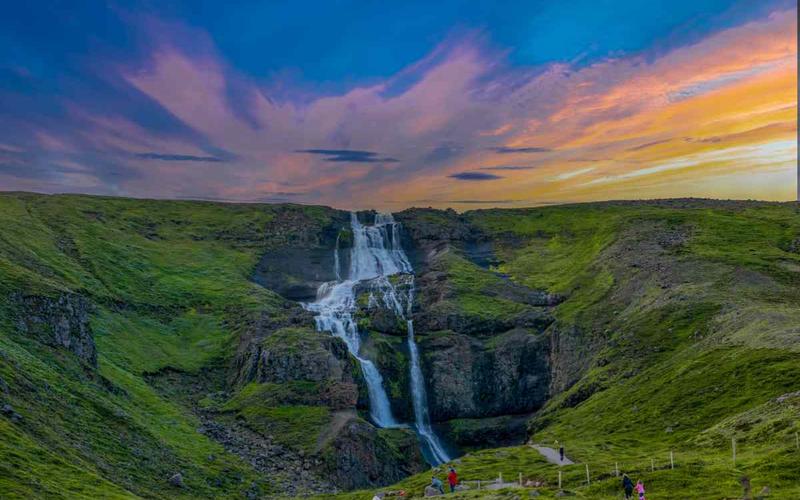
Westfjords Hidden Falls
The bridal-veil giant Dynjandi and the falls almost nobody visits along the Strandir coast.
Dynjandi
Djúpavíkurfoss
Rjúkandi
Kerlingarfoss
Ring Road Waterfalls
The ultimate circle — every must-see waterfall on Route 1, from the south coast to the north.
Skógafoss
Svartifoss
Goðafoss
Hraunfossar
Photography Guide
Where and how to shoot Iceland's waterfalls
Best at Sunrise
Seljalandsfoss faces west but glows at dawn from behind; Skógafoss catches first light on clear mornings with almost no crowds before 8 AM.
Best at Sunset
Kirkjufellsfoss with Kirkjufell mountain is Iceland's most photographed sunset frame. Goðafoss turns gold under the midnight sun in June–July.
Rainbow Spots
Skógafoss throws a double rainbow on sunny days around midday. Gullfoss and Dettifoss mist up rainbows whenever the sun is out.
Drone Friendly
Háifoss, Aldeyjarfoss and Strútsfoss allow dramatic aerials with few people. Always check current rules — drones are banned at crowded falls and in national parks.
Long Exposure Tips
Bring an ND filter (6–10 stops), a tripod and a lens cloth — spray is constant. 0.5–2 s exposures give silky water while keeping texture.
Northern Lights Falls
Goðafoss, Kirkjufellsfoss and Seljalandsfoss are the classic aurora foregrounds — dark skies, easy access and parking beside the falls.
Waterfalls Through the Seasons
Each season transforms the falls completely
Spring (Apr–May)
Snowmelt swells every river — waterfalls are at their most powerful. Fewer tourists, but highland falls like Háifoss remain closed until late May.
Summer (Jun–Aug)
Everything is open, including F-road falls like Aldeyjarfoss. Midnight sun means you can shoot at 1 AM with golden light and empty car parks.
Autumn (Sep–Oct)
Golden birch and moss frame the falls, northern lights return, and the summer crowds vanish. Hengifoss and Glymur hikes are at their prettiest.
Winter (Nov–Mar)
Frozen curtains and blue ice at Gullfoss, Goðafoss and Seljalandsfoss. Stick to south coast and Golden Circle falls — many others are inaccessible.
Experiencias guiadas
Tours y excursiones de un día en Islandia
Círculo Dorado, auroras boreales, avistamiento de ballenas, caminatas por glaciares, cuevas de lava y mucho más. Explora Islandia a tu manera.
Accommodation
Where to Stay for Waterfall Chasing
Hotels and guesthouses on the South Coast — base yourself here for Seljalandsfoss, Skógafoss and Gullfoss
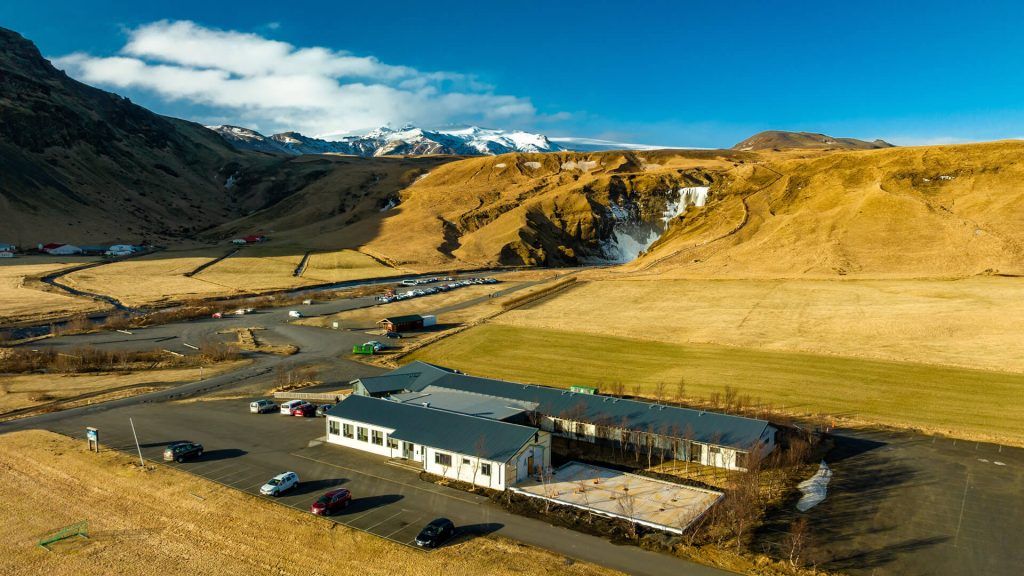 Hotel876 m
Hótel Skógá
Experience Icelandic tranquility at Hótel Skógá, steps from the majestic Skógafoss waterfall.
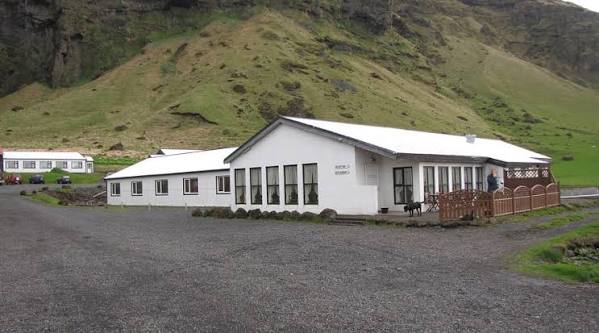 Hotel1.6 km
Hótel Drangshlíð
Experience rustic charm and stunning South Iceland scenery at Hótel Drangshlíð.
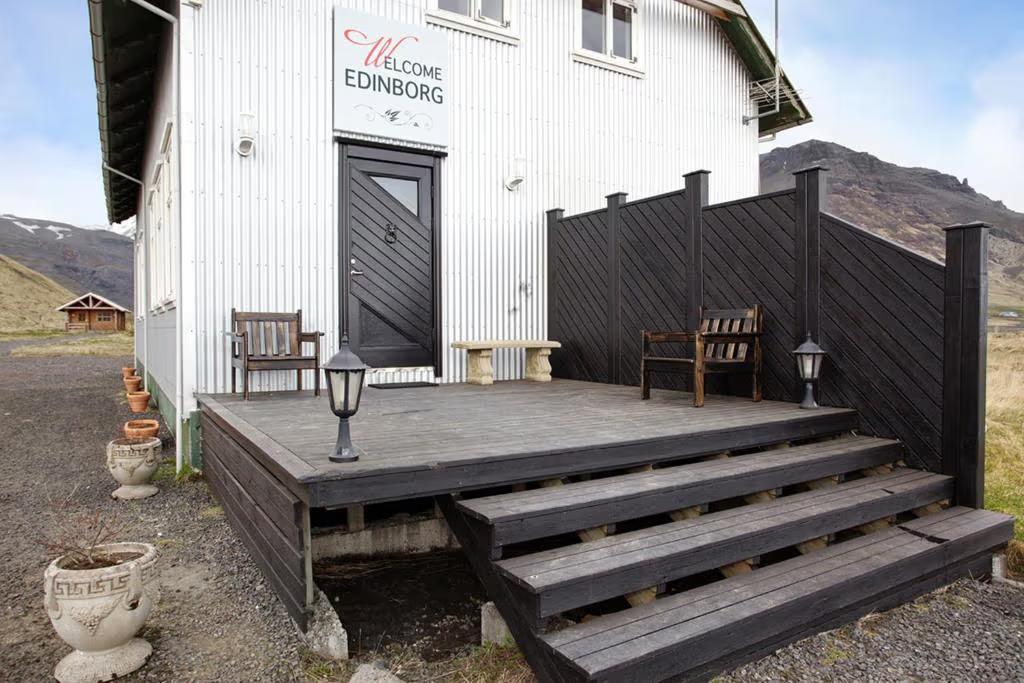 Guesthouse5.8 km
Welcome Edinborg
Charming guesthouse with a rustic wooden deck, nestled amidst the stunning South Iceland landscape.
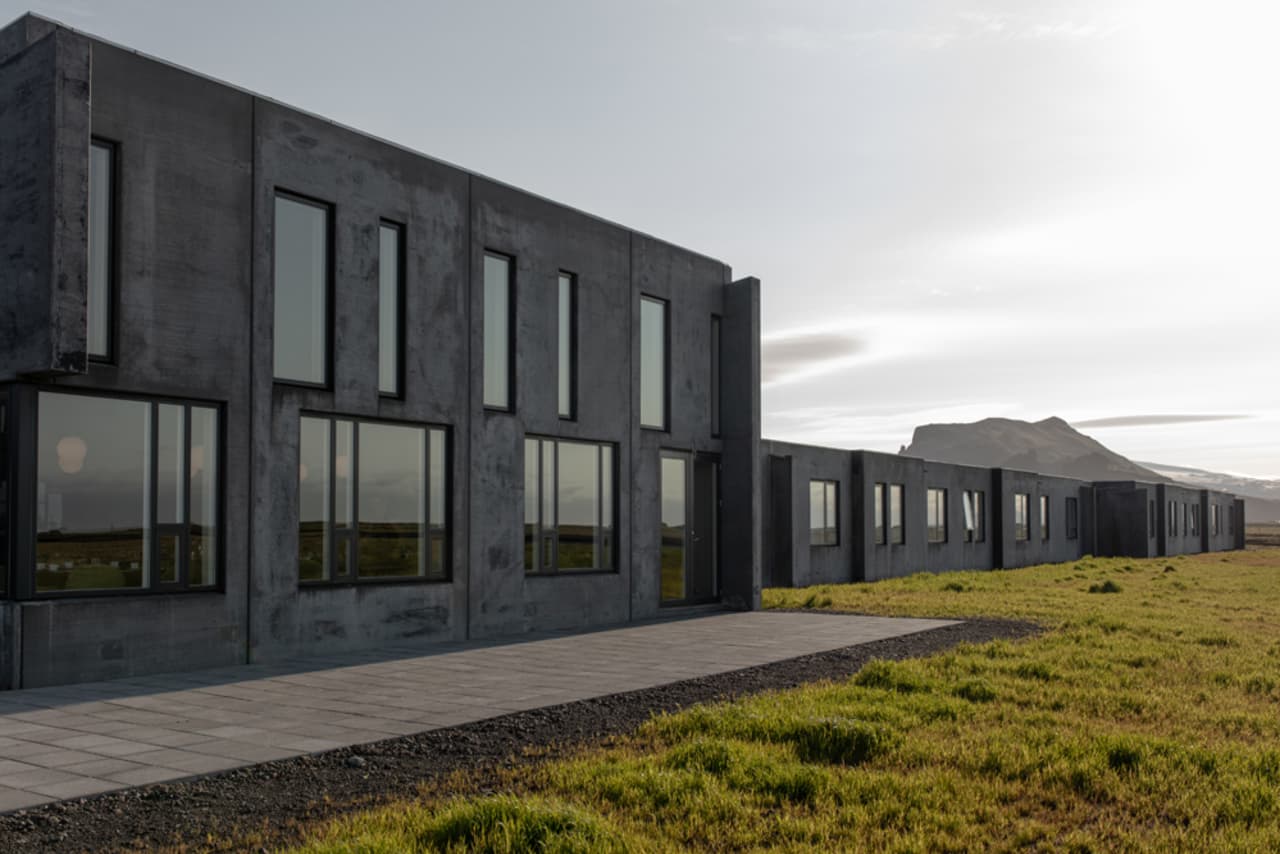 Hotel6.1 km
Umi Hótel
Experience modern design amidst South Iceland's breathtaking landscapes at Umi Hótel.
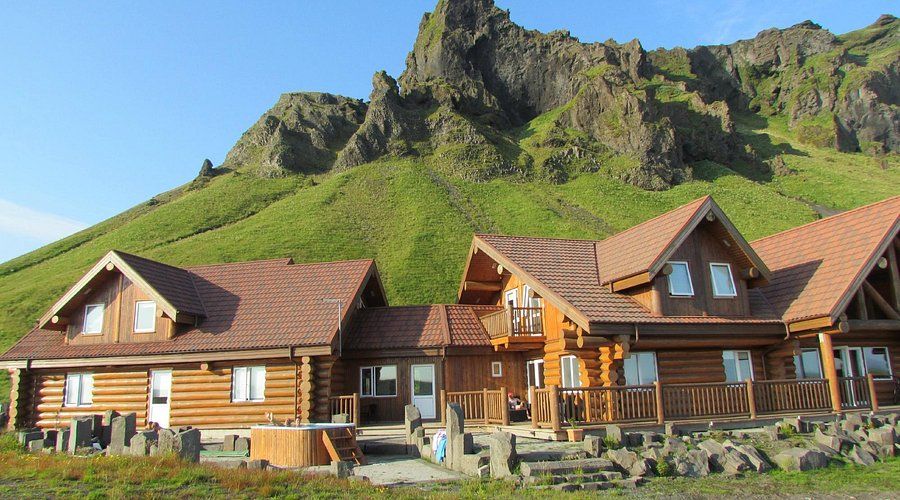 Guesthouse6.4 km
Welcome Lambafell
Experience rustic charm and mountain serenity at Welcome Lambafell, featuring cozy log cabins and an outdoor hot tub amidst stunning South Iceland scenery.
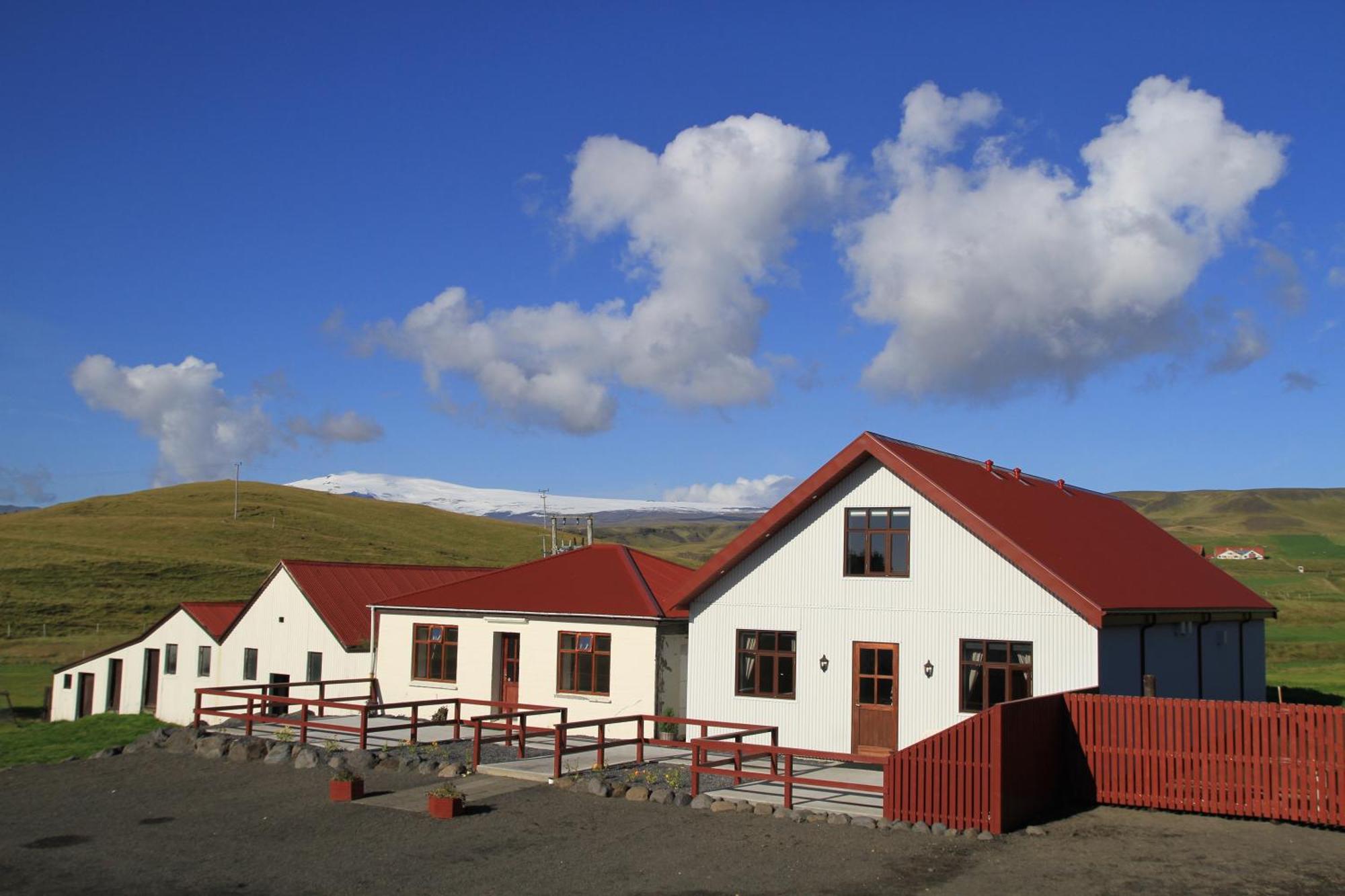 Guesthouse10.9 km
Sólheimahjáleiga
Experience tranquil Icelandic hospitality at Sólheimahjáleiga, nestled amidst green hills with glacier views.
Ayuda
Preguntas frecuentes
Todo lo que necesitas saber antes de visitar las cascadas de Islandia
¿Cuál es la cascada más famosa de Islandia?
+
Gullfoss es posiblemente la cascada más famosa de Islandia, ubicada en la ruta del Círculo Dorado. Seljalandsfoss y Skógafoss en la Costa Sur también están entre las más visitadas. Para pura potencia, Dettifoss en el Norte de Islandia es la cascada más poderosa de Europa.
¿Se puede caminar detrás de una cascada en Islandia?
+
Sí — Seljalandsfoss en la Costa Sur tiene un camino que permite a los visitantes caminar completamente detrás de la cascada. Está abierta la mayor parte del año excepto en condiciones heladas de invierno. Lleva ropa impermeable ya que el camino se moja mucho.
¿Cuál es la cascada más alta de Islandia?
+
Morsárfoss con 228 metros es técnicamente la más alta, pero está muy remota. Glymur con 198 metros es la cascada accesible más alta de Islandia y es popular para senderismo.
¿Qué cascada de Islandia es mejor en invierno?
+
Seljalandsfoss, Skógafoss y Gullfoss son dramáticas en invierno y accesibles todo el año. Kirkjufellsfoss es especialmente popular en invierno para fotografía de auroras boreales.
¿Son gratuitas las cascadas de Islandia?
+
La mayoría de las cascadas en Islandia son gratuitas. Algunas, como Seljalandsfoss y Skógafoss, tienen áreas de aparcamiento de pago cercanas. La entrada a las cascadas en sí siempre es gratuita.
¿Qué debo llevar para visitar cascadas?
+
Chaqueta y pantalones impermeables (especialmente para Seljalandsfoss), botas de senderismo resistentes con agarre, cámara con paño para la lente contra el spray, y capas cálidas.
🌌 See the Northern Lights
Track real-time aurora activity and plan your Northern Lights trip with AuroraVision.
Find Hotels in Iceland
From cozy Reykjavík guesthouses to remote Highland lodges — thousands of properties with free cancellation and best price guarantee.
Tours y experiencias
Explora actividades en Islandia
Tours y actividades
Reserva los mejores tours de Islandia, excursiones de un día y experiencias — auroras boreales, glaciares, avistamiento de ballenas y más.
Ver actividades →Explora los tours de Islandia
Círculo Dorado, Costa Sur, cuevas de hielo, senderismo volcánico — descubre la colección de tours de GoIceTravel.
Ver tours →Experiencias guiadas
Tours y excursiones de un día en Islandia
Círculo Dorado, auroras boreales, avistamiento de ballenas, caminatas por glaciares, cuevas de lava y mucho más. Explora Islandia a tu manera.