
Montañas en Islandia
Desde el icónico cono de Kirkjufell hasta la remota montaña de Herðubreið, las montañas de Islandia ofrecen algunas de las caminatas y fotografías más espectaculares del mundo.
Las montañas de Islandia están formadas por fuerzas volcánicas, erosión glacial y actividad tectónica — creando picos que van desde conos volcánicos perfectamente simétricos hasta dramáticas mesas planas y dentadas crestas de riolita pintadas en colores vivos.
La más famosa es Kirkjufell en la Península de Snæfellsnes — la montaña más fotografiada de Islandia. Pero casi cada región tiene su propio pico icónico que define el paisaje local.
Muchas montañas de Islandia pueden ser escaladas por visitantes en buena forma física sin experiencia técnica en escalada. El Monte Esja cerca de Reykjavík es uno de los destinos de senderismo más populares del país. Las montañas de las Tierras Altas requieren acceso con 4WD y visitas solo en verano.
Consejo de Planificación
Montañas destacadas en Islandia
Las Montañas Más Icónicas de Islandia
Desde conos volcánicos hasta picos glaciales — senderismo, fotografía y paisajes dramáticos.

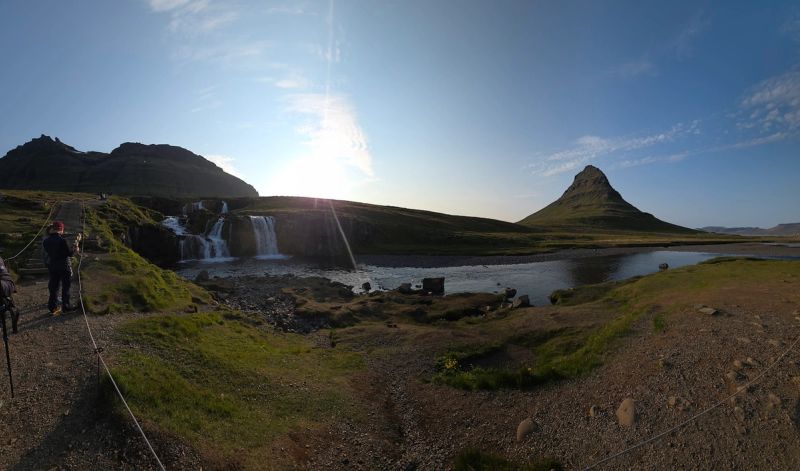
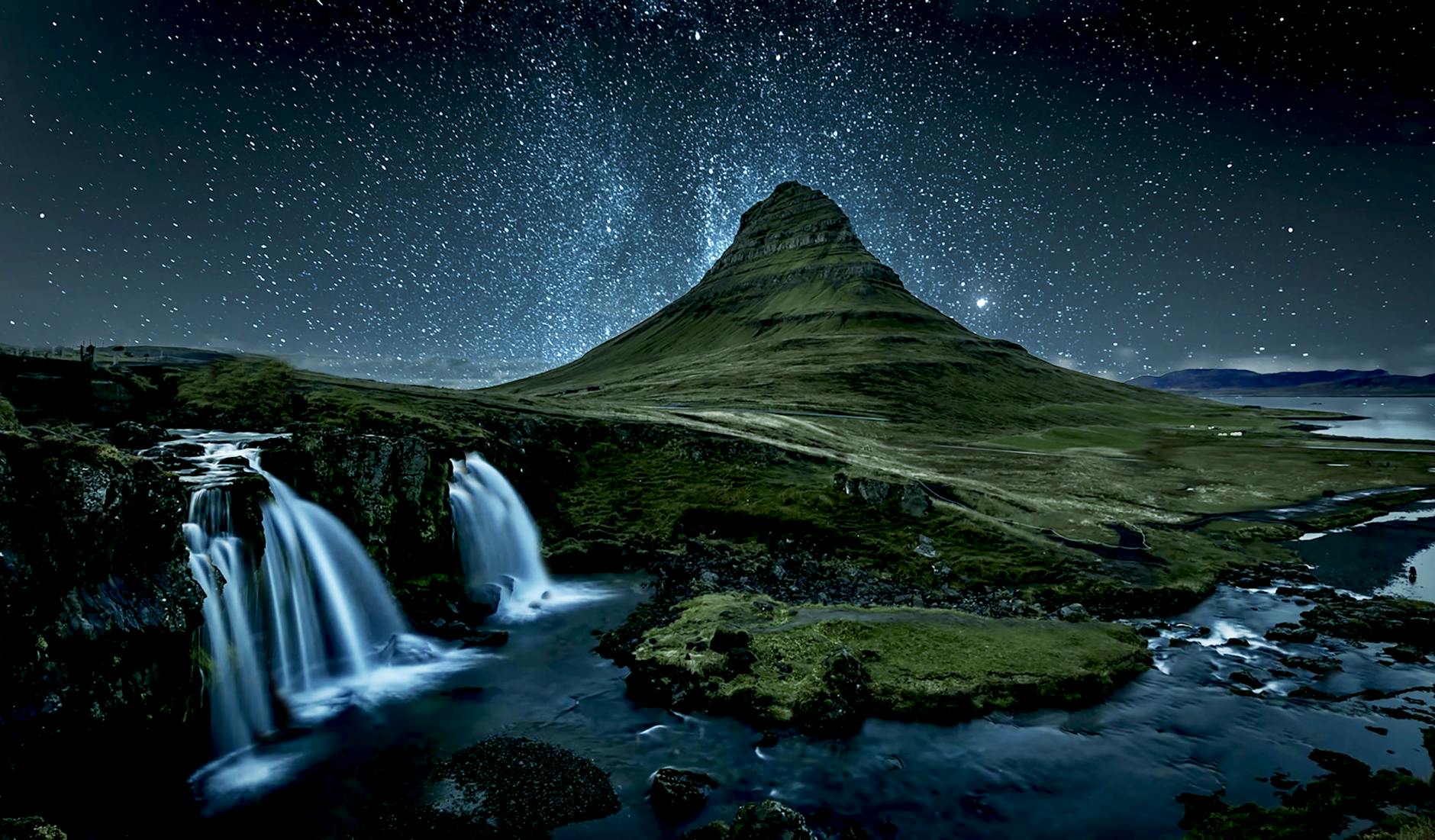
Kirkjufell
Iceland's Most Photographed Mountain
Kirkjufell (Church Mountain) rises 463m above the Snæfellsnes Peninsula, creating one of Iceland's most iconic silhouettes. Its distinctive cone shape and nearby waterfall Kirkjufellsfoss make it the most photographed mountain in Iceland.
Consejos para Visitantes
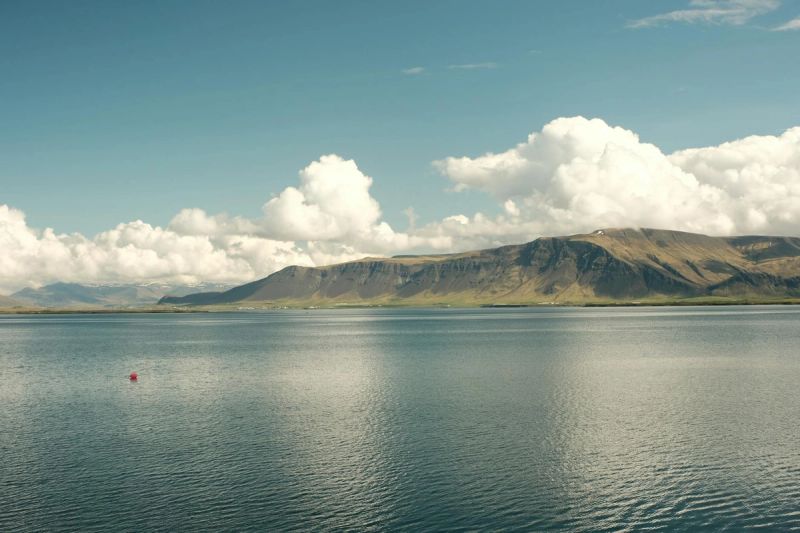

Mount Esja
Reykjavík's Backyard Mountain
Esja dominates Reykjavík's skyline at 914m. Multiple hiking trails lead to various peaks, with the most popular route taking 2-3 hours to reach Þverfellshorn (780m). The views over Reykjavík and Faxaflói Bay are spectacular.
Consejos para Visitantes
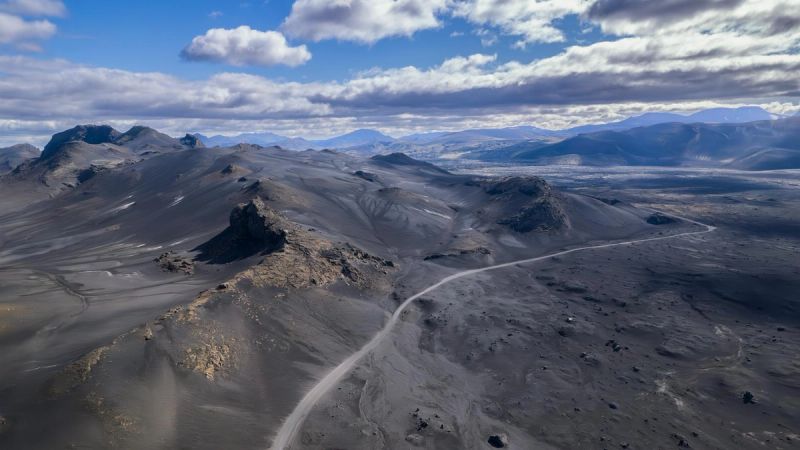
Mount Hekla
Gateway to Hell
Hekla (1,491m) is one of Iceland's most active and notorious volcanoes, erupting over 20 times since 874. In medieval times, Europeans believed it was the entrance to Hell. The 4-hour summit hike requires experience and good conditions.
Consejos para Visitantes
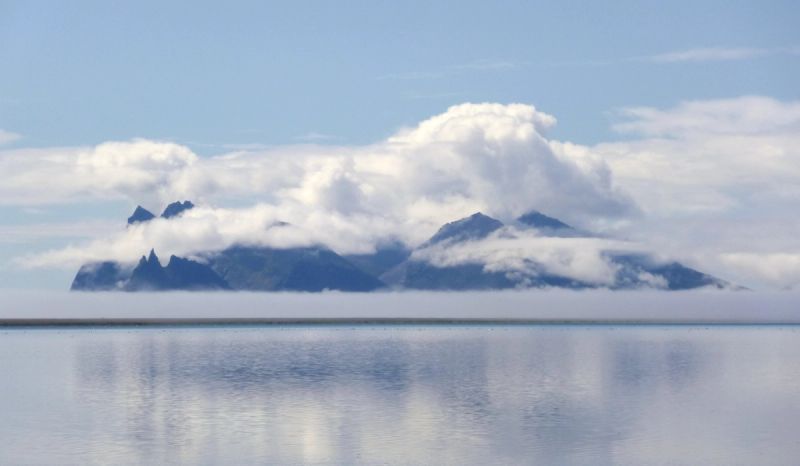

Vestrahorn
Batman Mountain
Vestrahorn's jagged 454m peaks create one of Iceland's most dramatic mountain profiles. Its nickname "Batman Mountain" comes from its distinctive silhouette. The black sand beach of Stokksnes provides perfect reflections.
Consejos para Visitantes
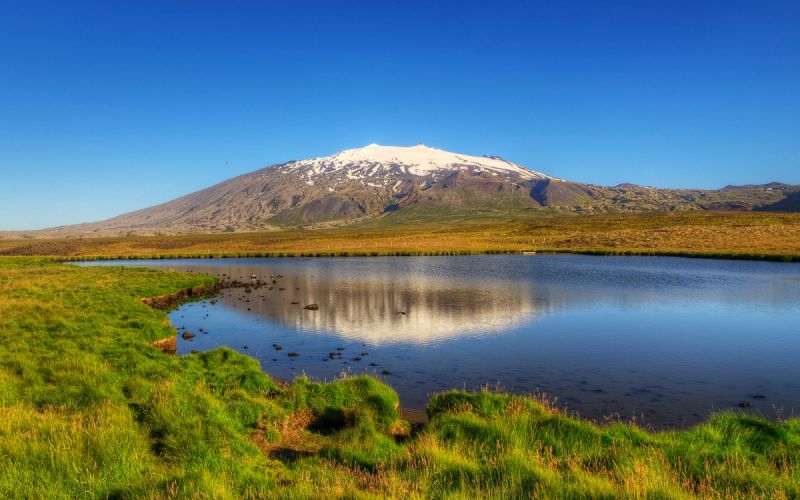
Snæfellsjökull
Journey to the Center of the Earth
This 1,446m glacier-capped stratovolcano towers over the Snæfellsnes Peninsula. Jules Verne chose it as the starting point for "Journey to the Center of the Earth." On clear days, it's visible from Reykjavík, 120km away.
Consejos para Visitantes
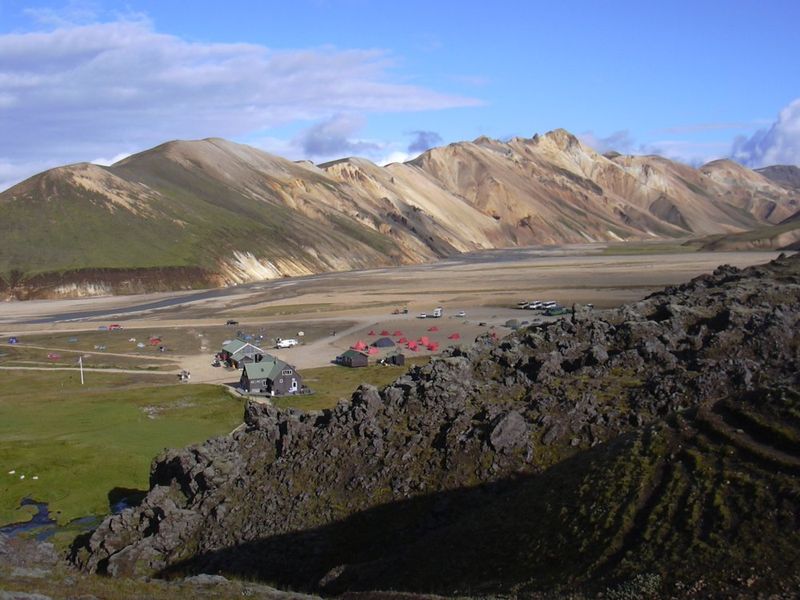
Landmannalaugar
Rhyolite Rainbow Mountains
Landmannalaugar's mountains showcase rhyolite geology in incredible colors - pink, green, yellow, blue, and black. This highland area at 600m elevation is the starting point for the famous Laugavegur hiking trail.
Consejos para Visitantes
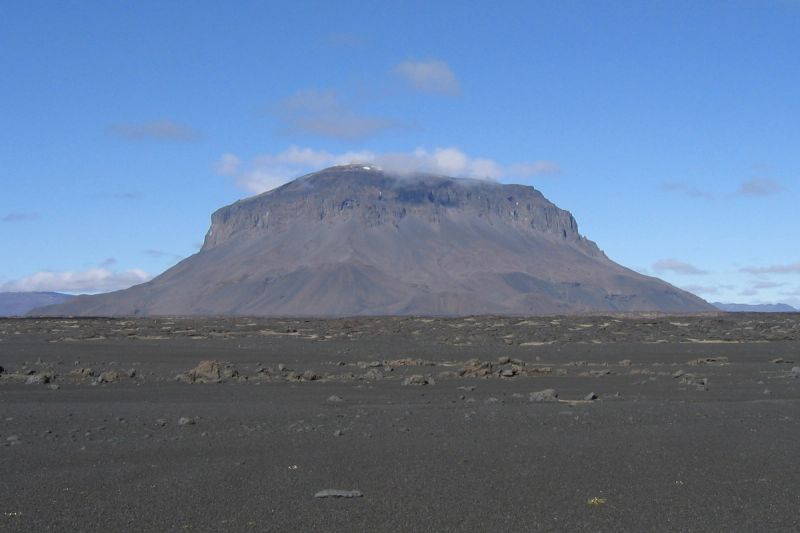
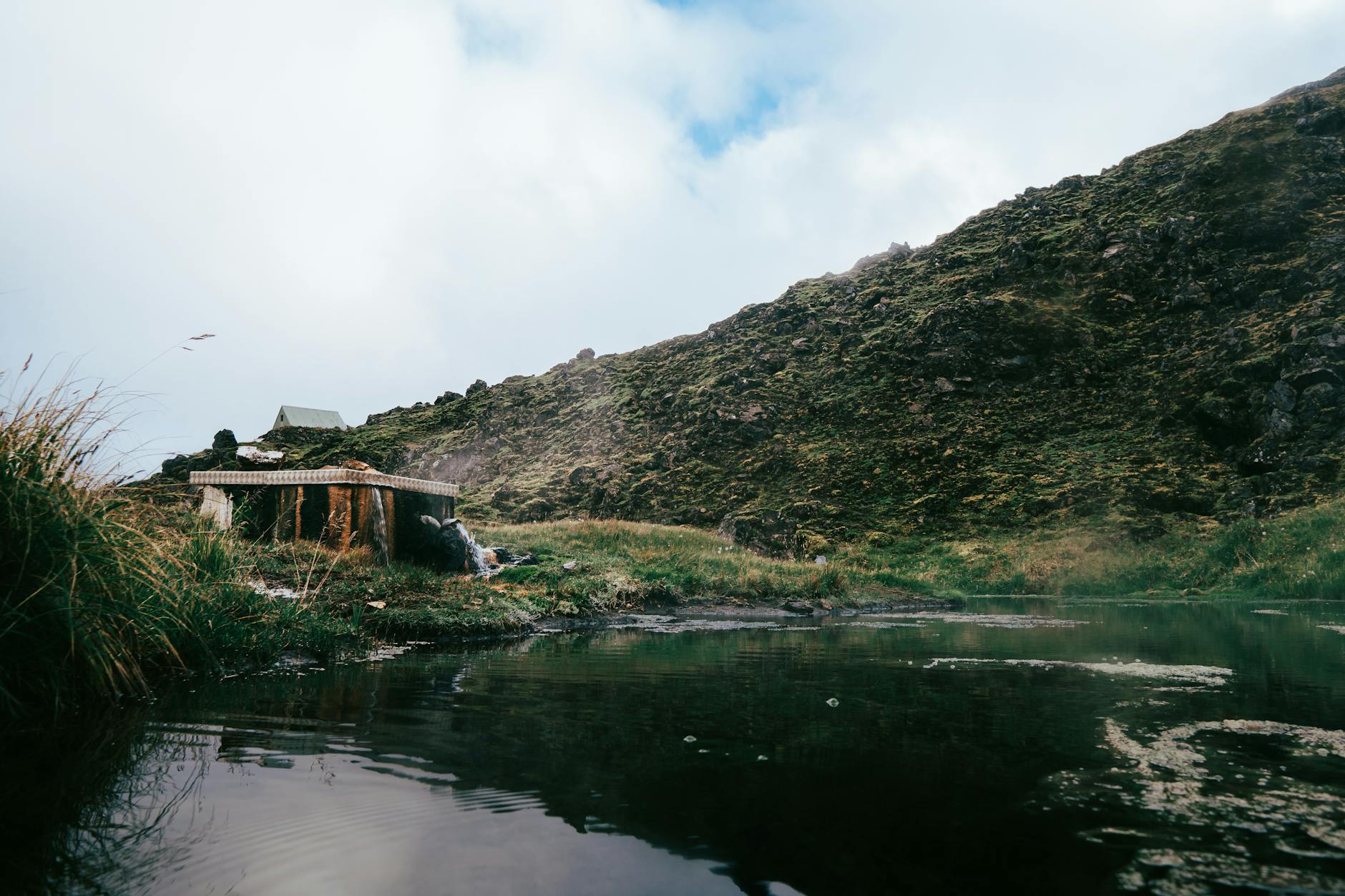
Herðubreið
Queen of Icelandic Mountains
Herðubreið (1,682m) is a magnificent table mountain formed by subglacial volcanic eruptions. Rising from the Ódáðahraun lava desert, its flat-topped peak and steep sides create a surreal, otherworldly landscape.
Consejos para Visitantes
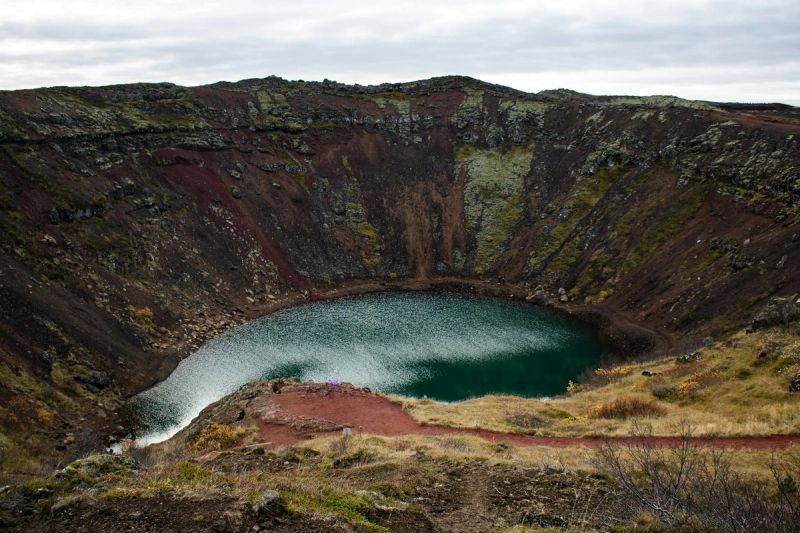
Askja & Víti
Volcanic Caldera Lake
Askja is a massive volcanic caldera in the remote Dyngjufjöll mountains. Within it lies Víti, a warm blue crater lake where you can swim, and Öskjuvatn, one of Iceland's deepest lakes at 220m.
Consejos para Visitantes
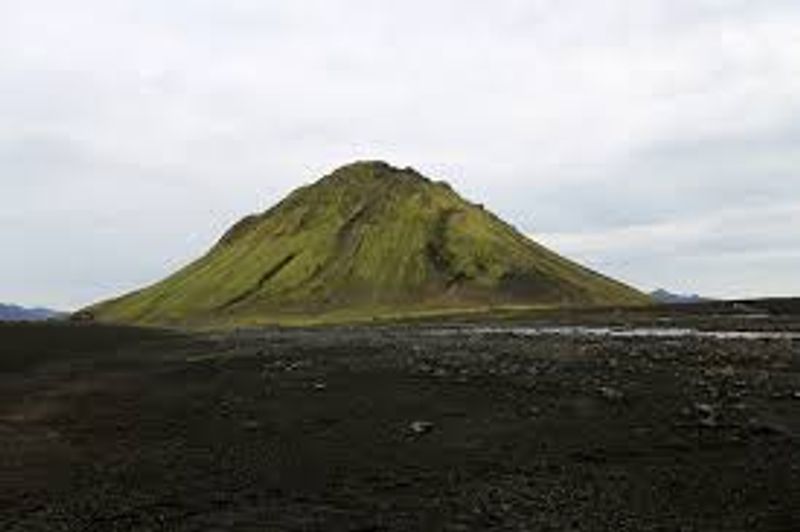
Mælifell
Green Pyramid in Black Desert
Mælifell is a perfect pyramid-shaped volcanic cone covered in vibrant green moss, rising 200m from the black Mýrdalssandur desert. The contrast between green mountain and black sand creates surreal photos.
Consejos para Visitantes
Eyjafjallajökull
The One Nobody Can Pronounce
Eyjafjallajökull (1,651m) became world-famous in 2010 when its eruption created massive flight disruptions. The glacier-capped stratovolcano overlooks the south coast, with waterfalls Seljalandsfoss and Skógafoss at its feet.
Consejos para Visitantes
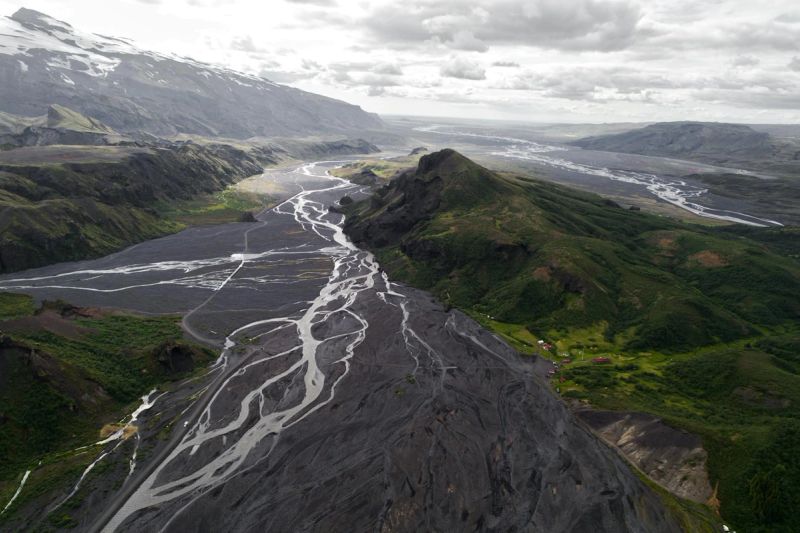
Þórsmörk
Thor's Forest
Þórsmörk is a mountain valley between three glaciers: Eyjafjallajökull, Mýrdalsjökull, and Tindfjallajökull. Protected from harsh winds, it's one of Iceland's most lush areas with birch forests and incredible hiking.
Consejos para Visitantes
Bláfjöll
Blue Mountains
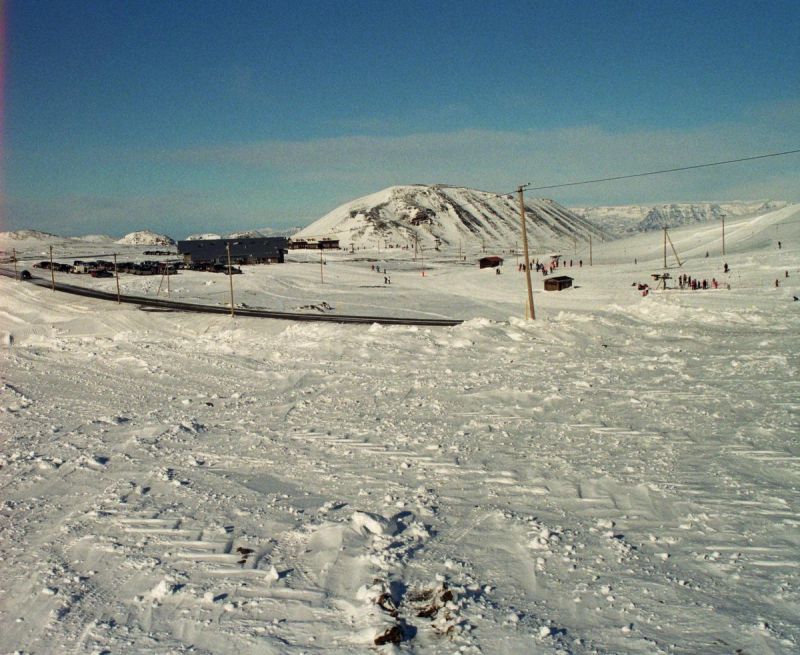
Bláfjöll, meaning 'Blue Mountains,' is a picturesque mountain range located just southeast of Reykjavík on the Reykjanes peninsula. Renowned for its winter sports facilities, it transforms into a bustling ski resort during the colder months, as vividly captured in the image with numerous skiers, buildings, and a network of power lines against the snow-covered slopes.
Consejos para Visitantes
Todas las montañas en Islandia
Akrafjall
west-iceland
Akurfell
east-iceland
Arnarfell
reykjanes
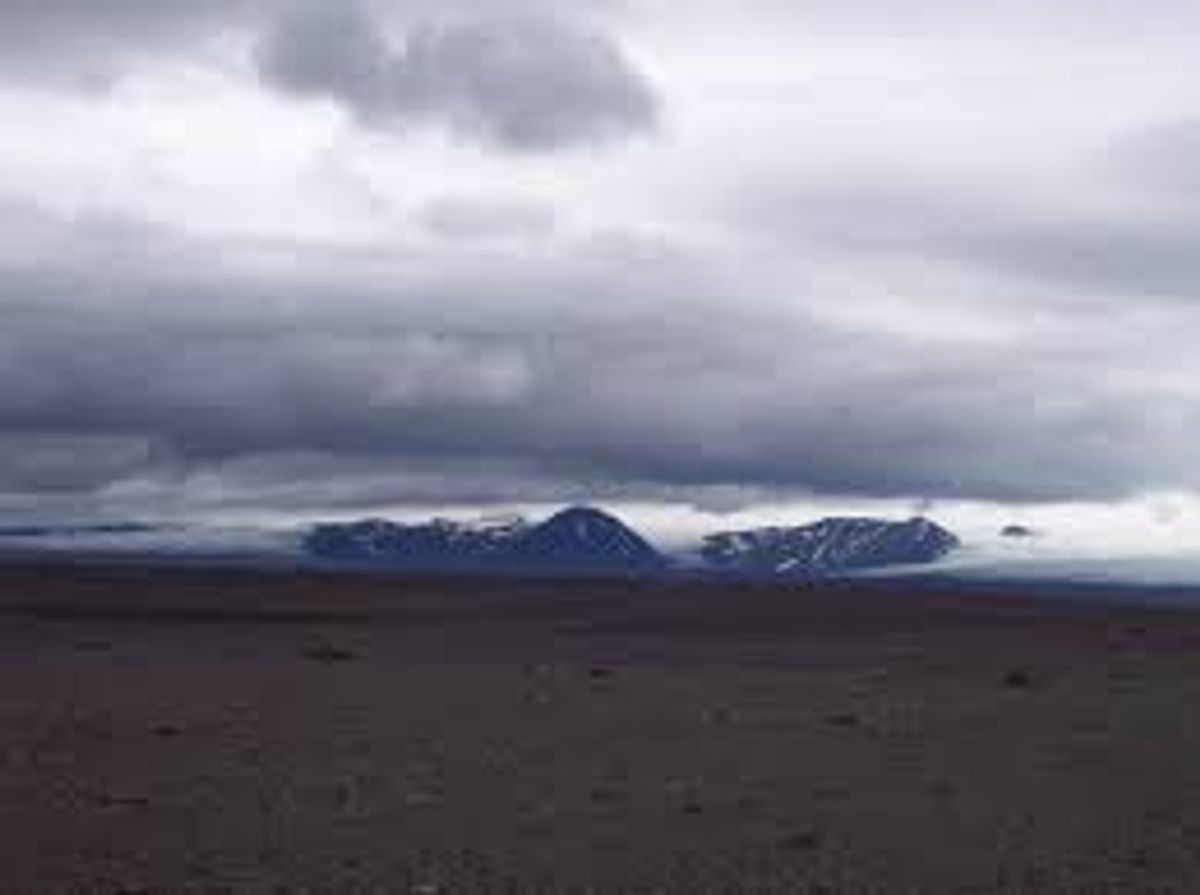
Arnarfell hið mikla
south-iceland
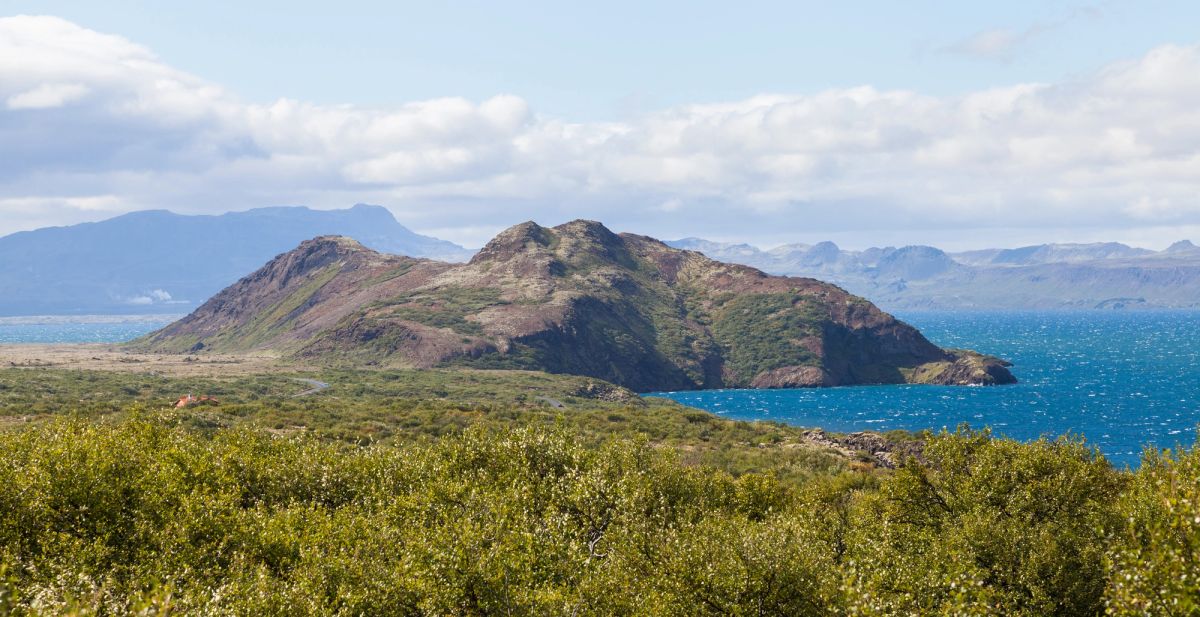
Arnarfell Þingvellir
south-iceland
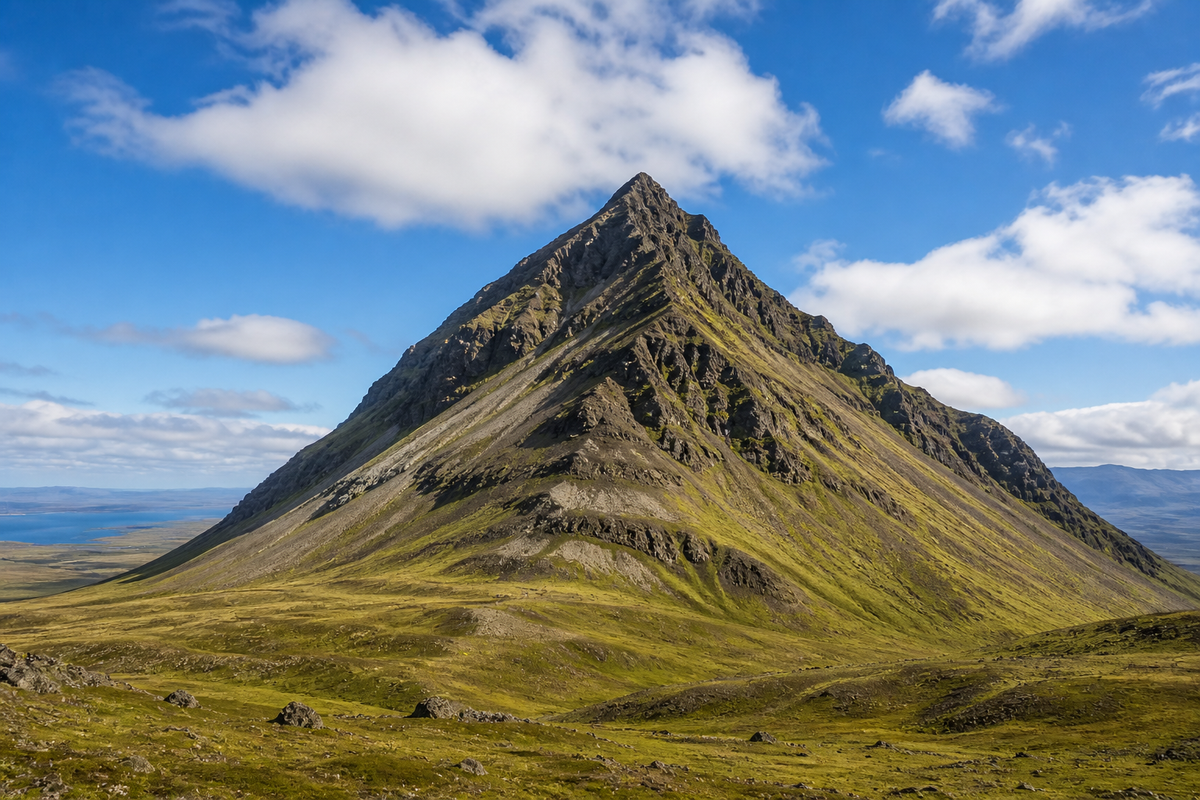
Axlir
westfjords
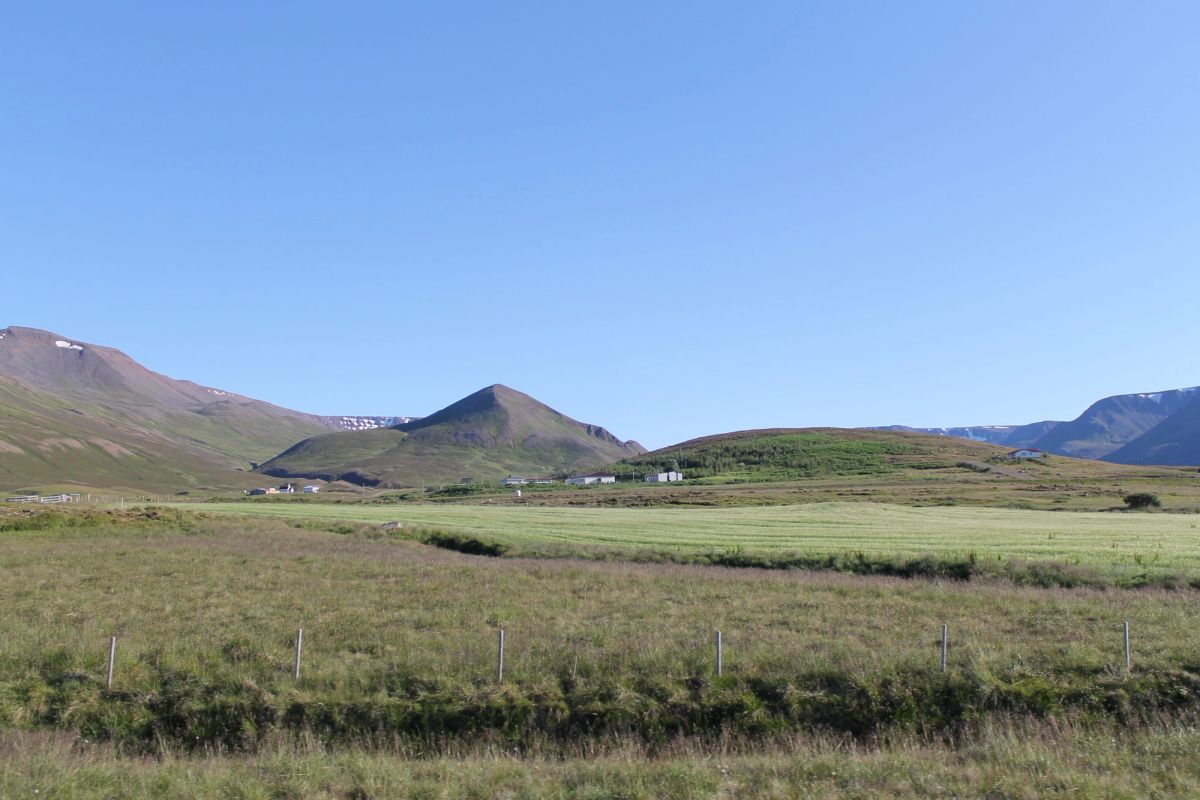
Barð
north-iceland
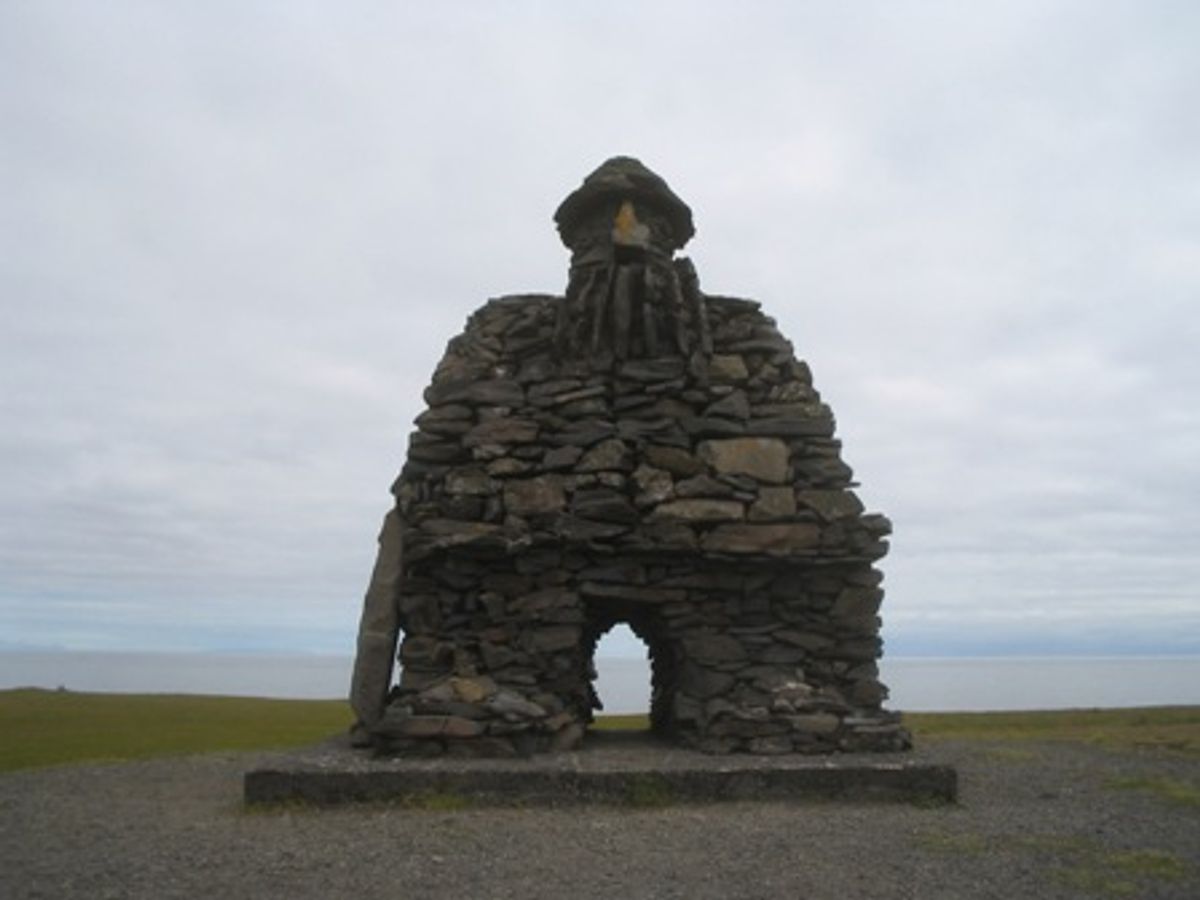
Bárður Snæfellsás
west-iceland
 Bookable Tour
Tour privado de 2 días por la laguna glaciar Jökulsárlón y caminata por el glaciar
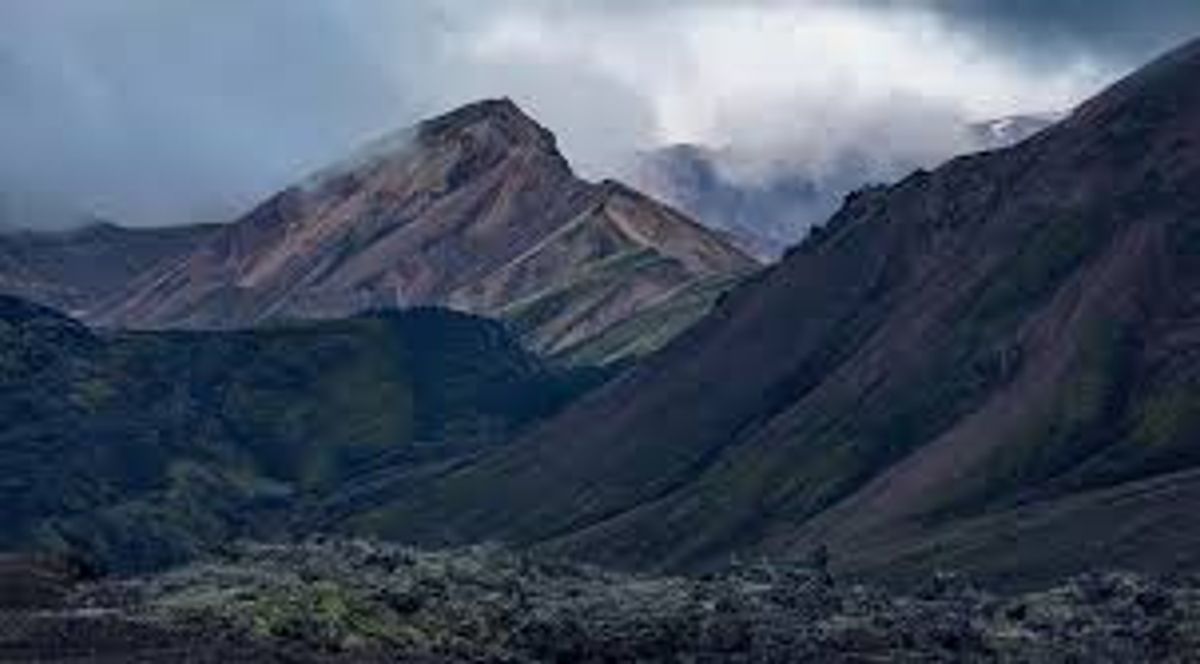
Barmur
westfjords
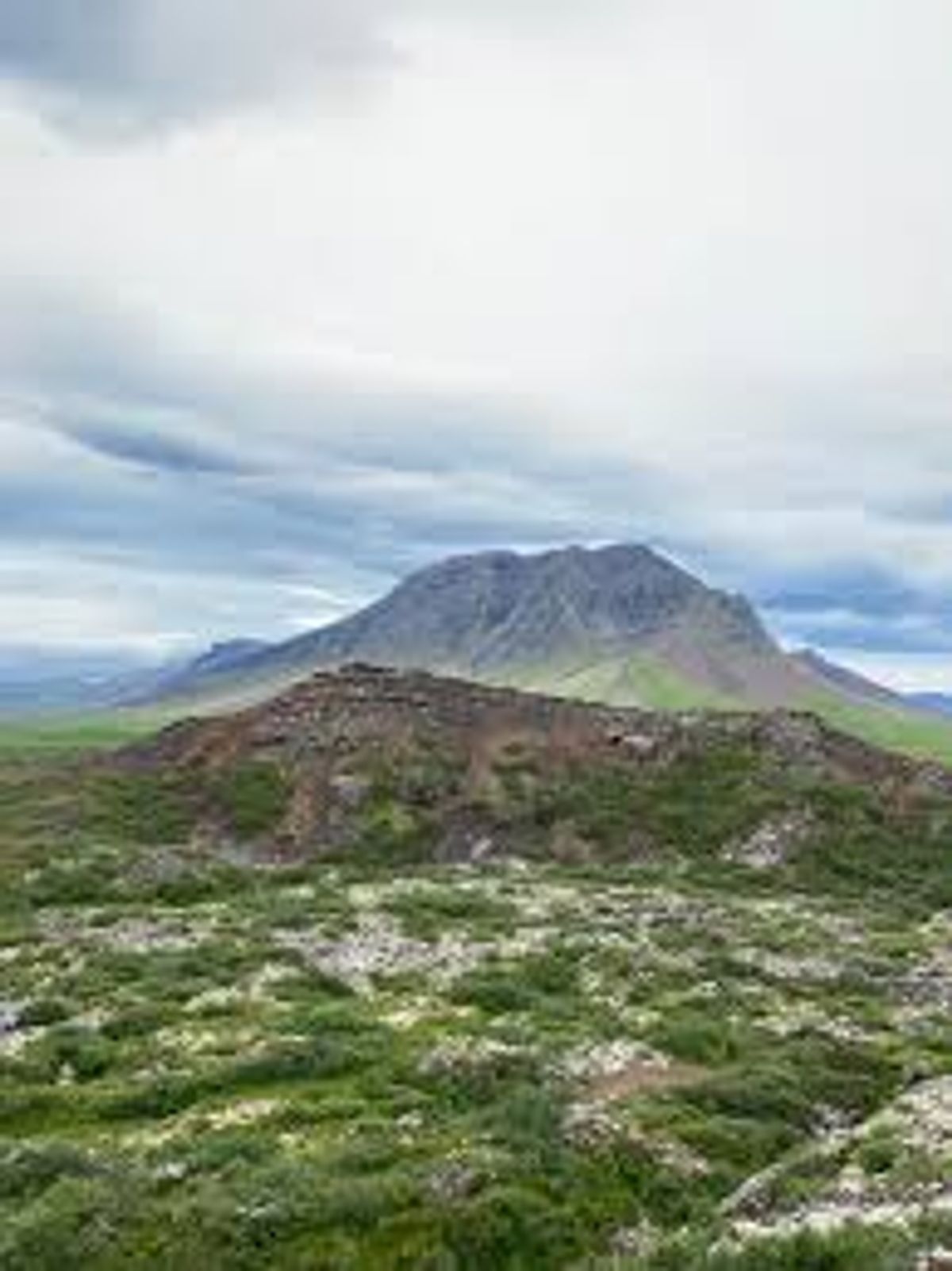
Barnaborgir
west-iceland
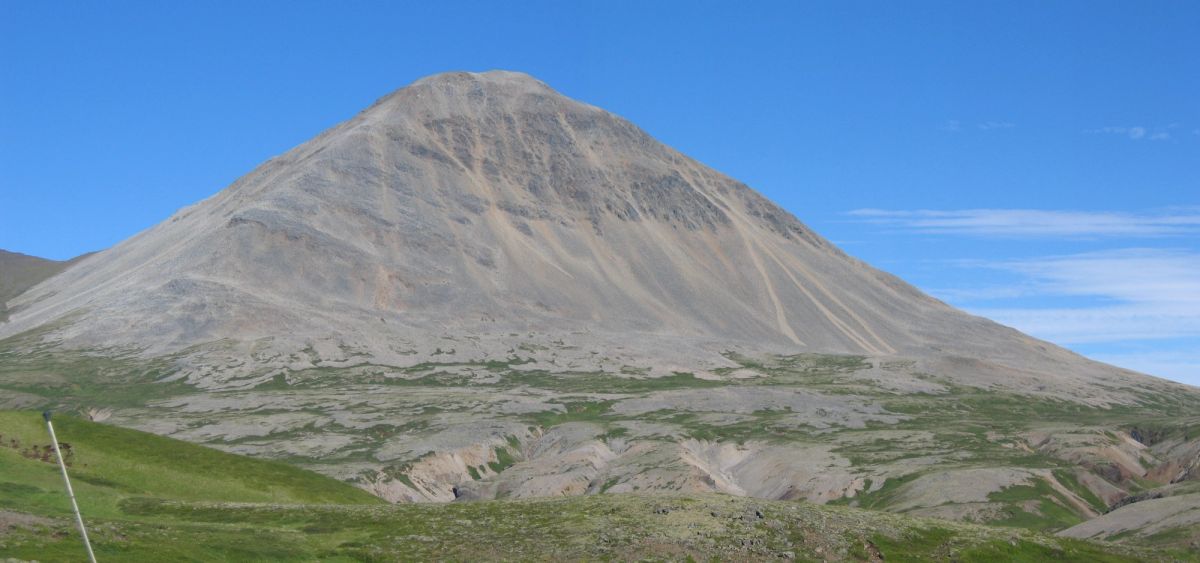
Baula
west-iceland
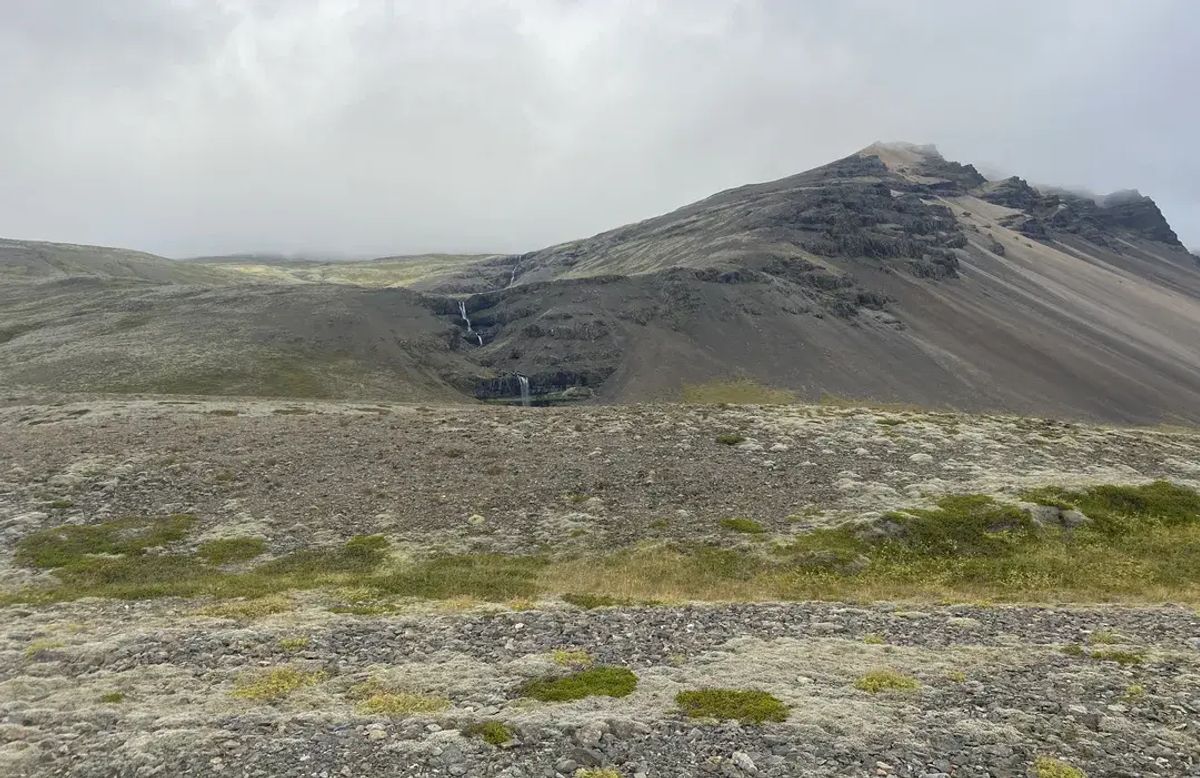
Bergárheiði
east-iceland
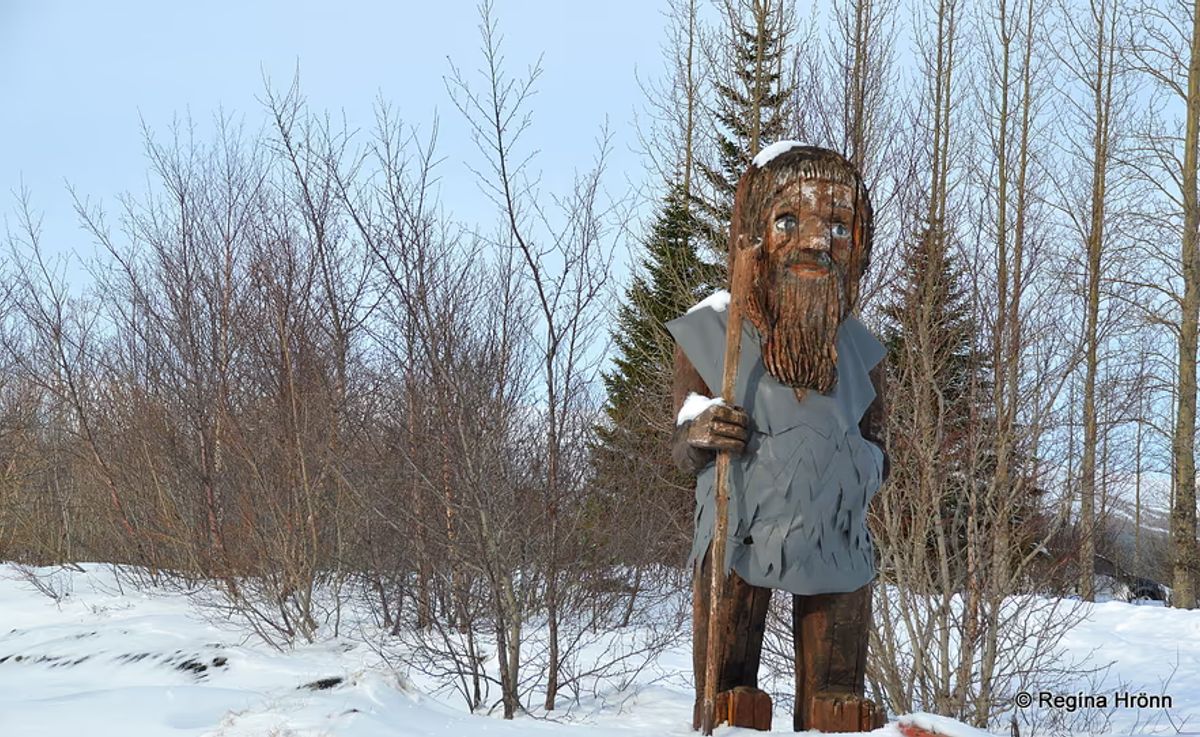
Bergþór úr Bláfelli
south-iceland
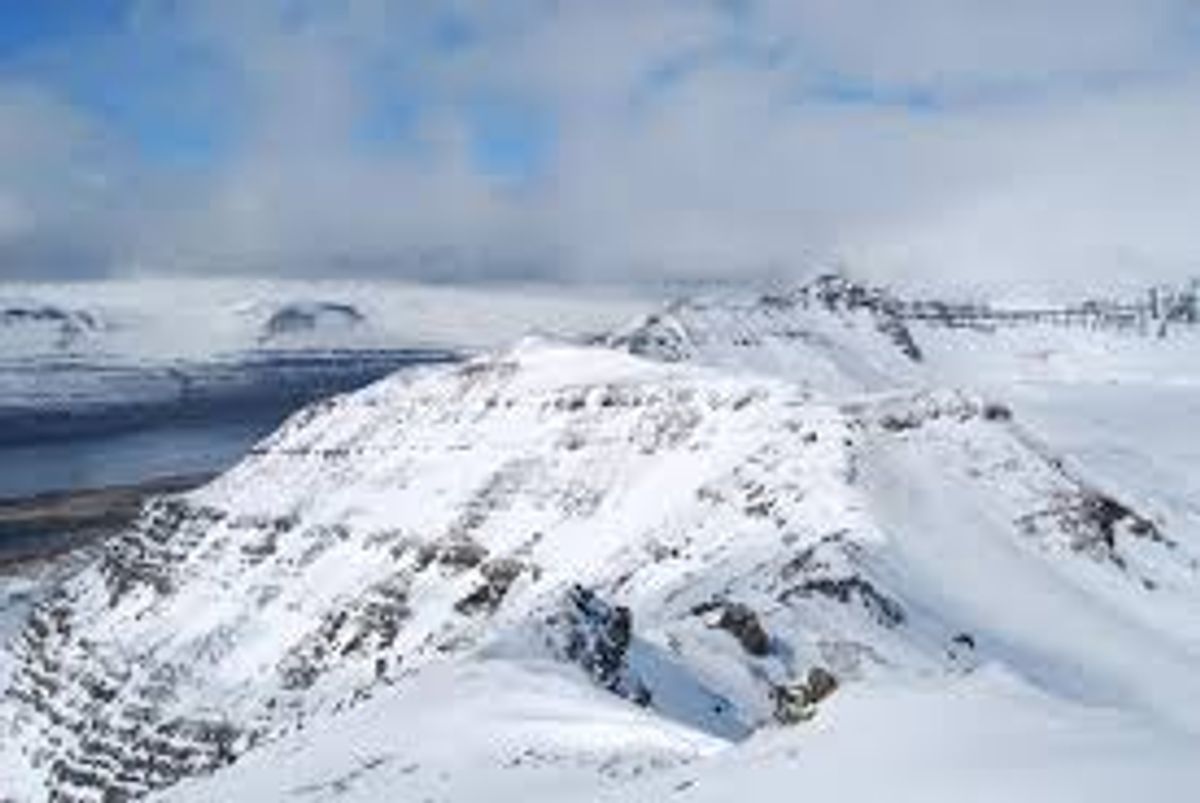
Berunestindur
east-iceland
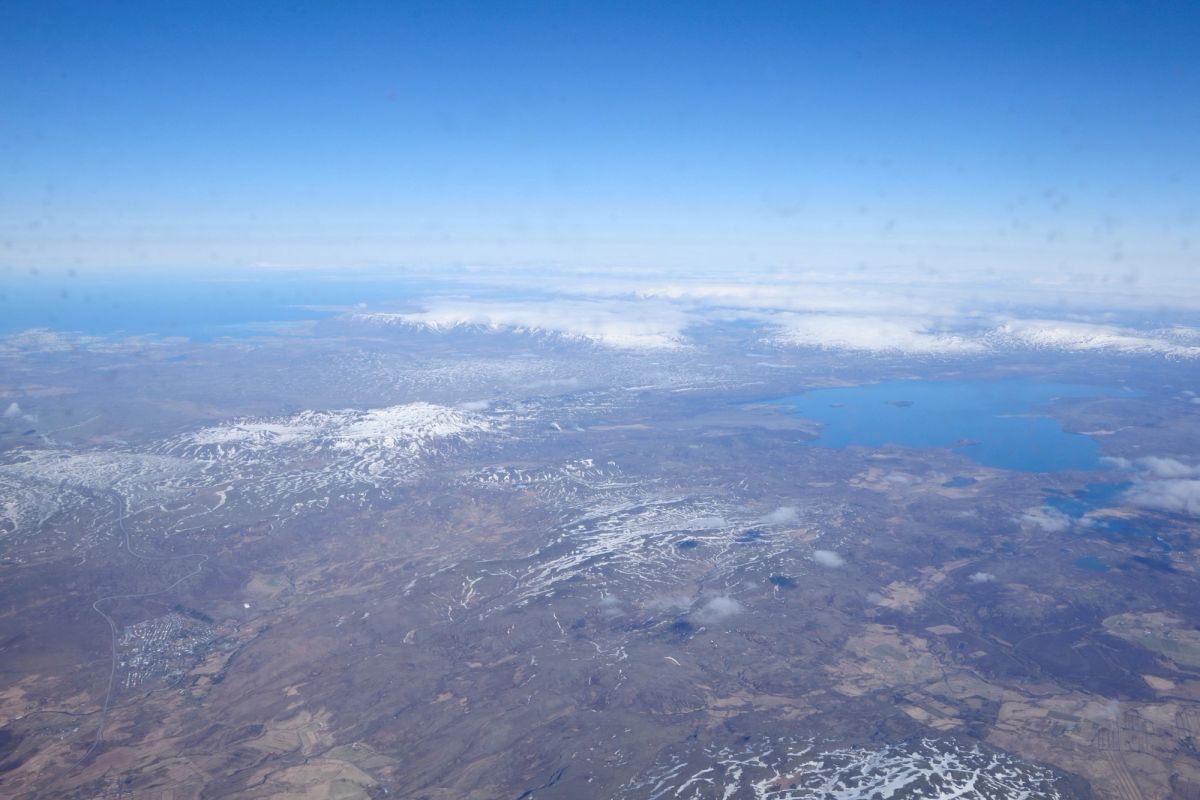
Bíldsfell
region-south-iceland
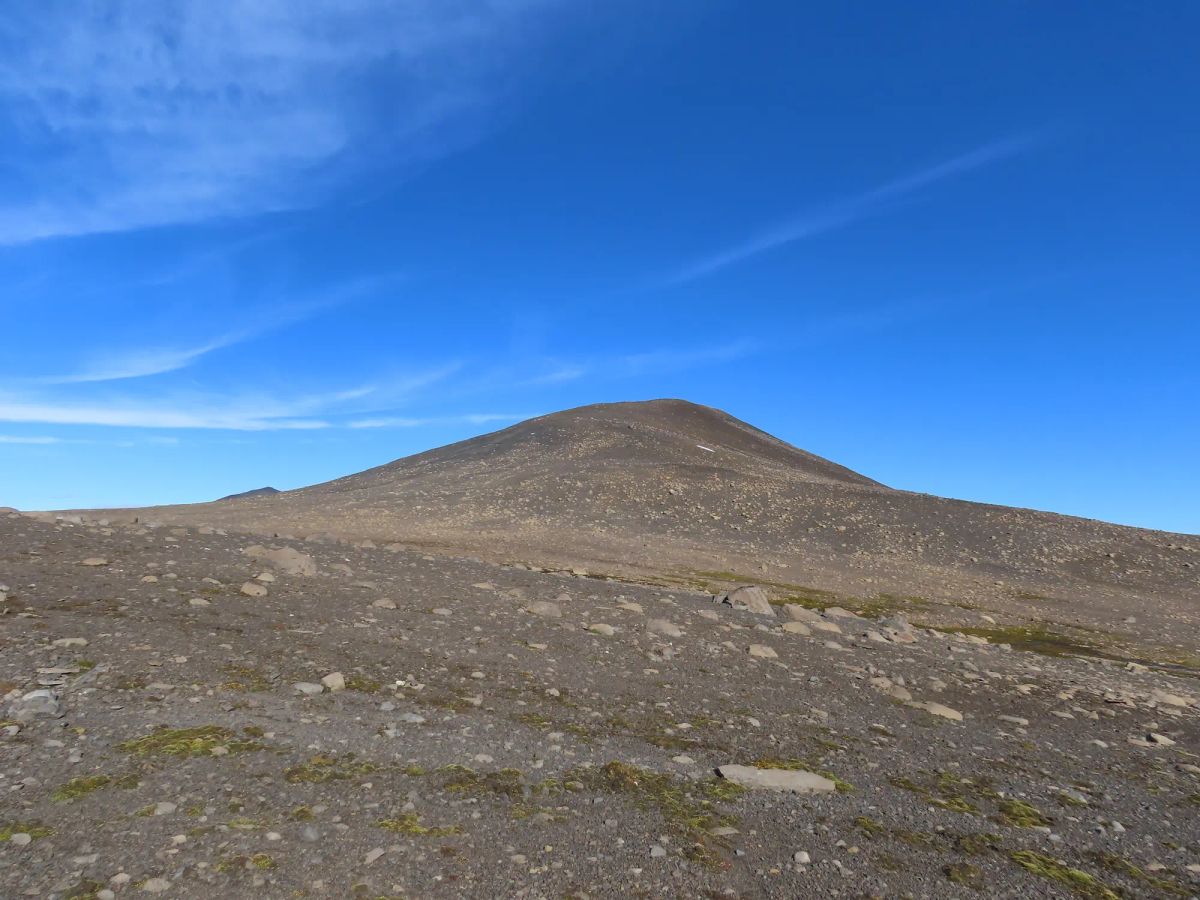
Bjálfafell
east-iceland
 Bookable Tour
Laguna glaciar privada de 2 días, cueva de hielo y aurora boreal
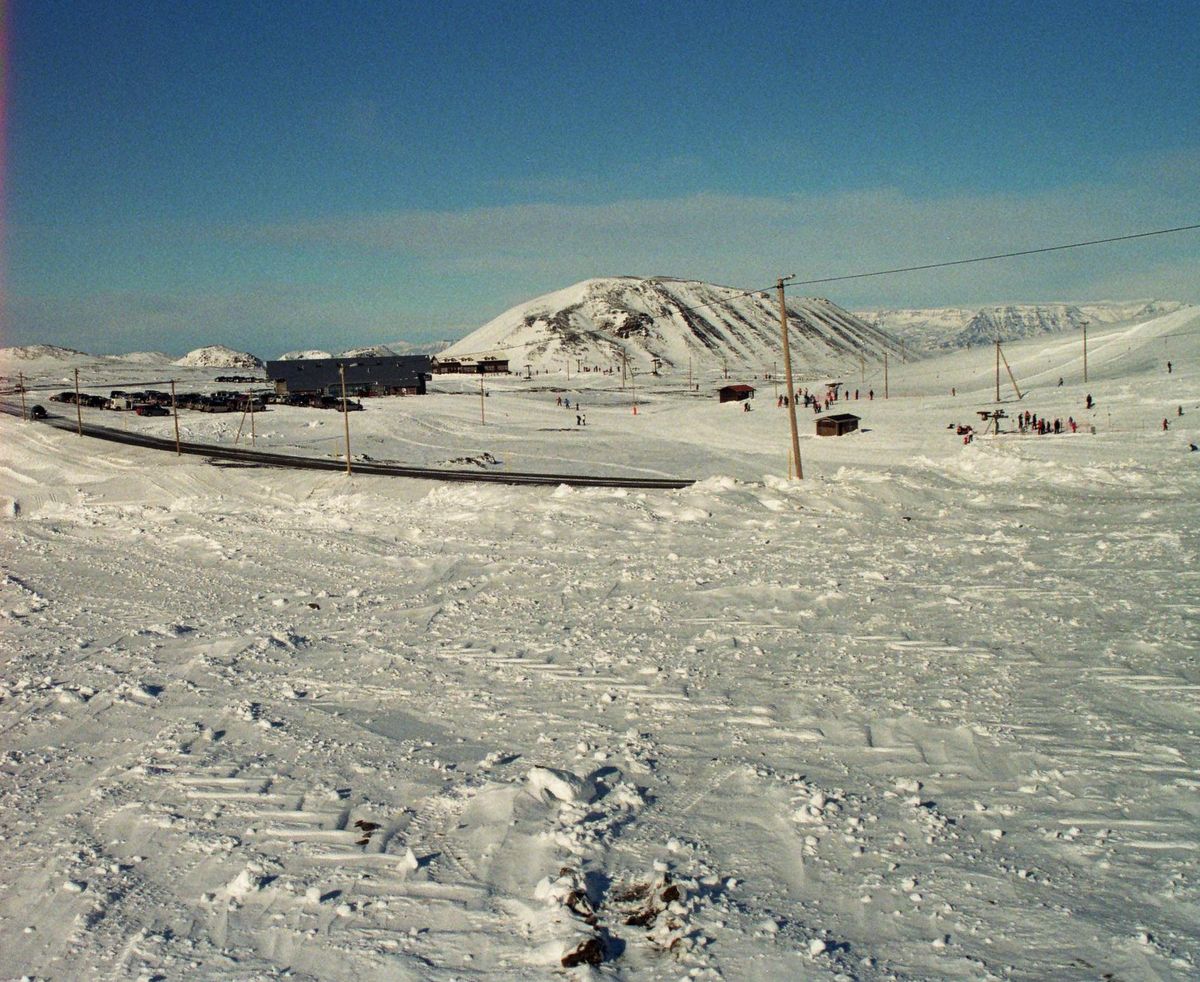
Bláfjöll
south-iceland
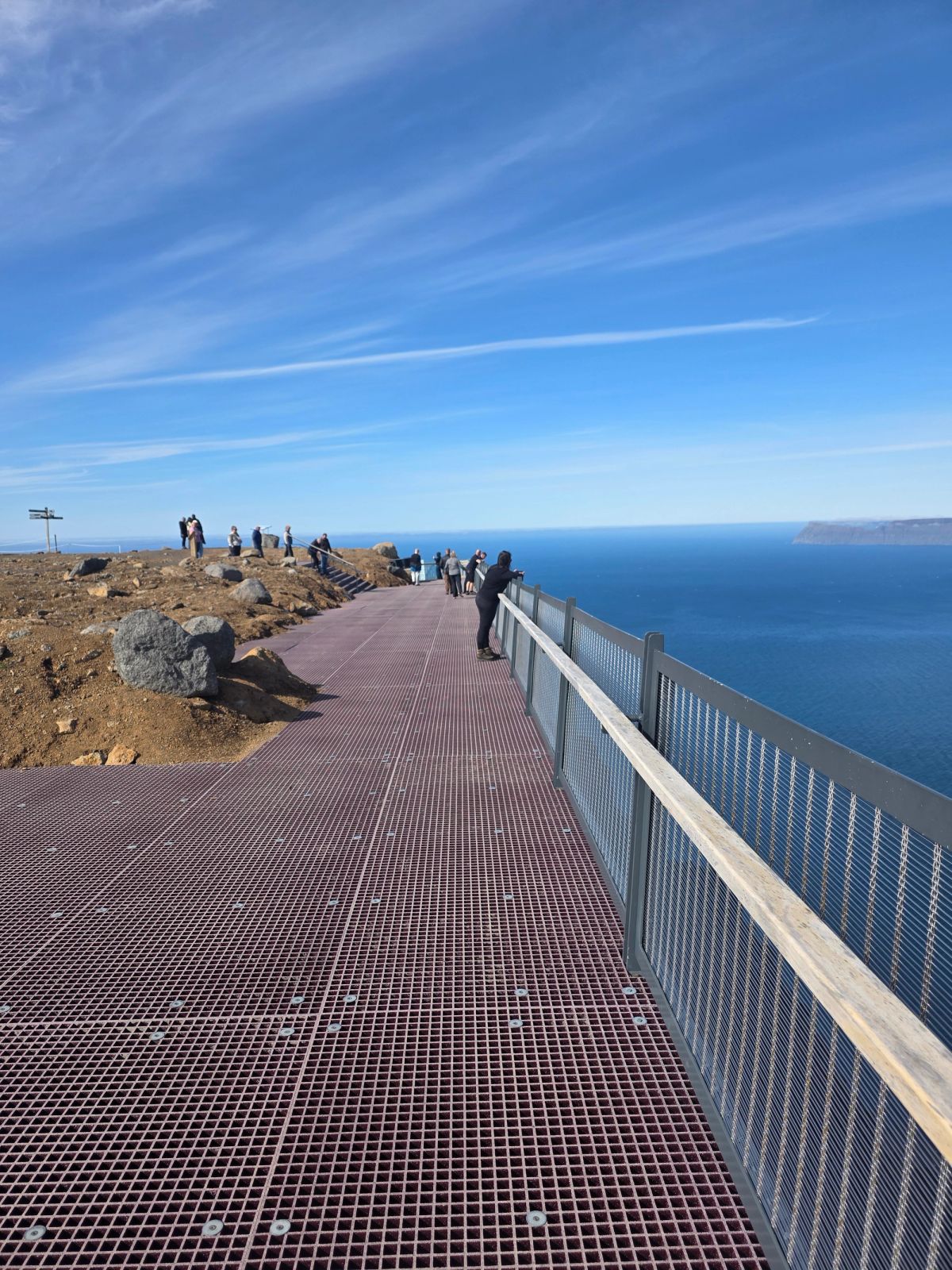
Bolafjall
westfjords
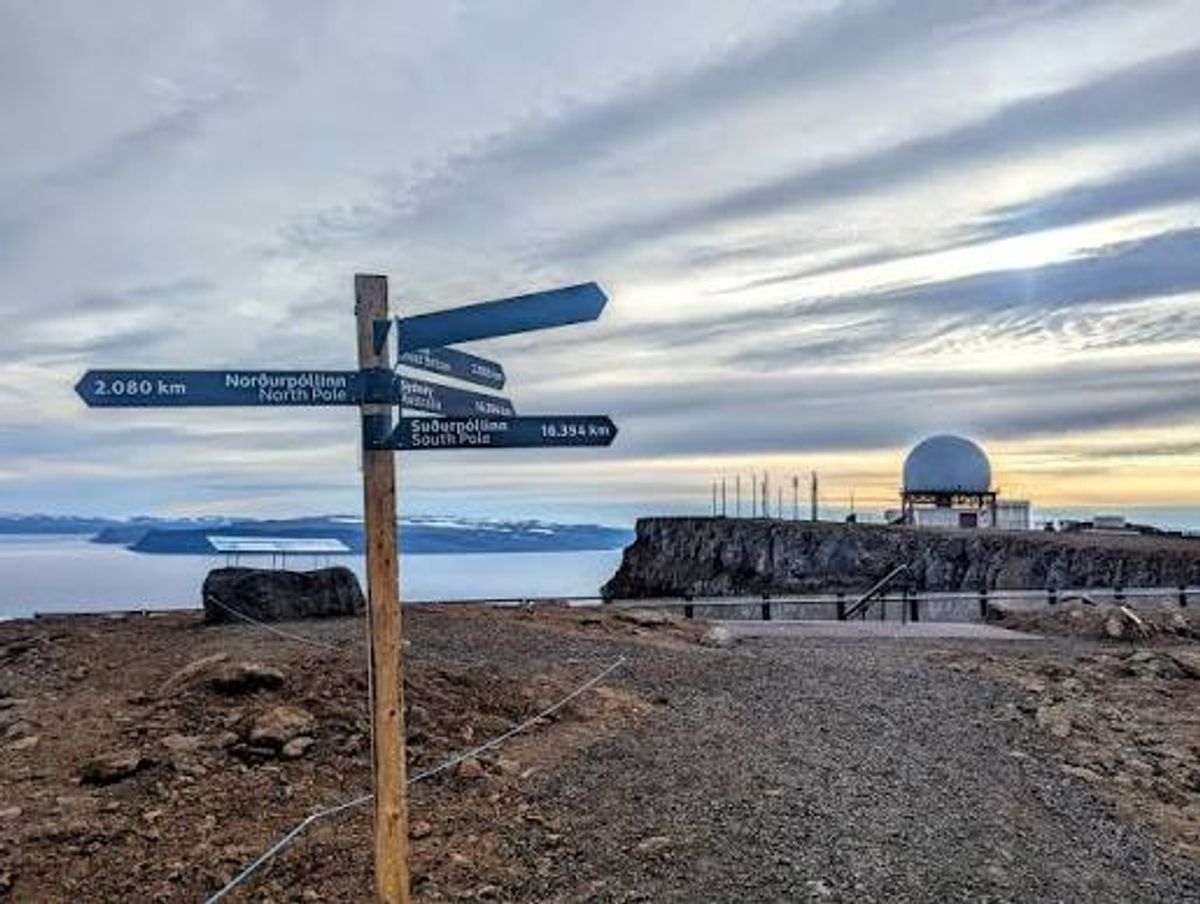
Bolafjall Cliff Trail
Westfjords
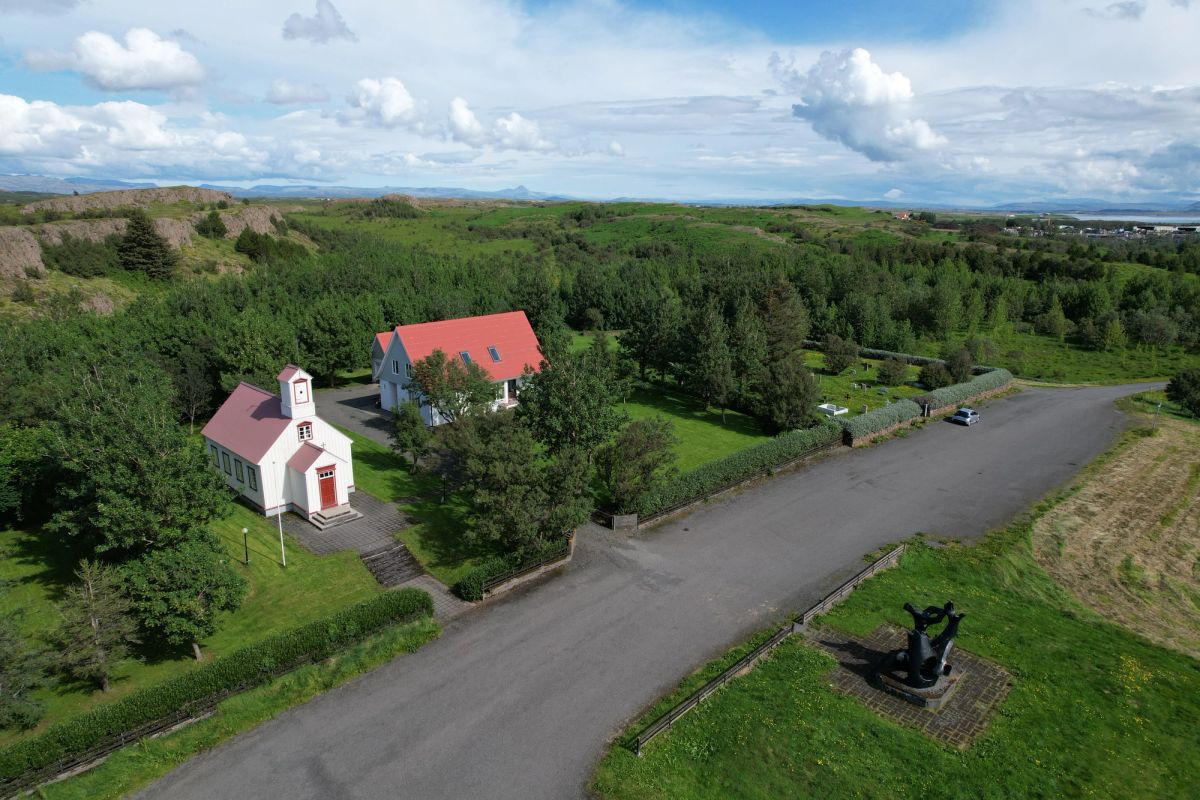
Borg á Mýrum
west-iceland
Borgir
north-iceland
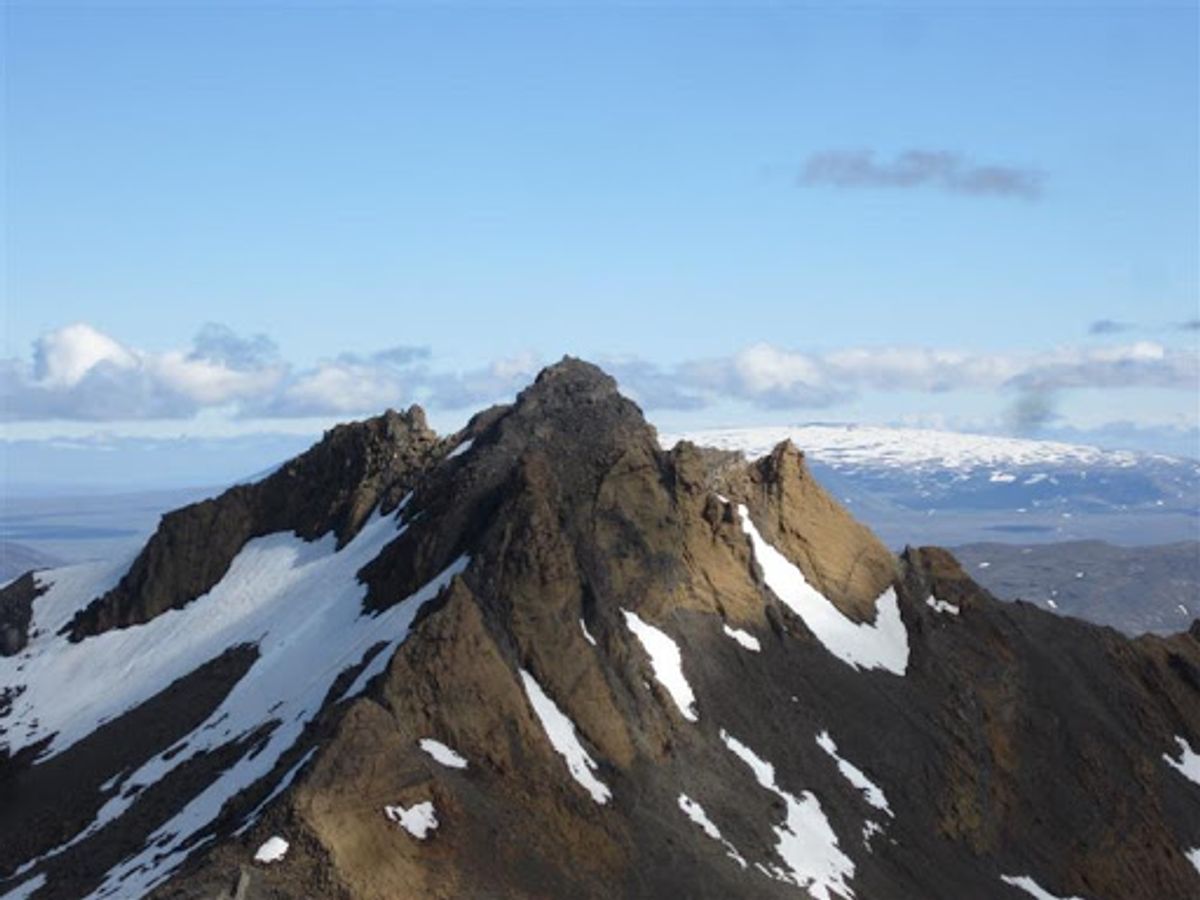
Botnssúlur
west-iceland
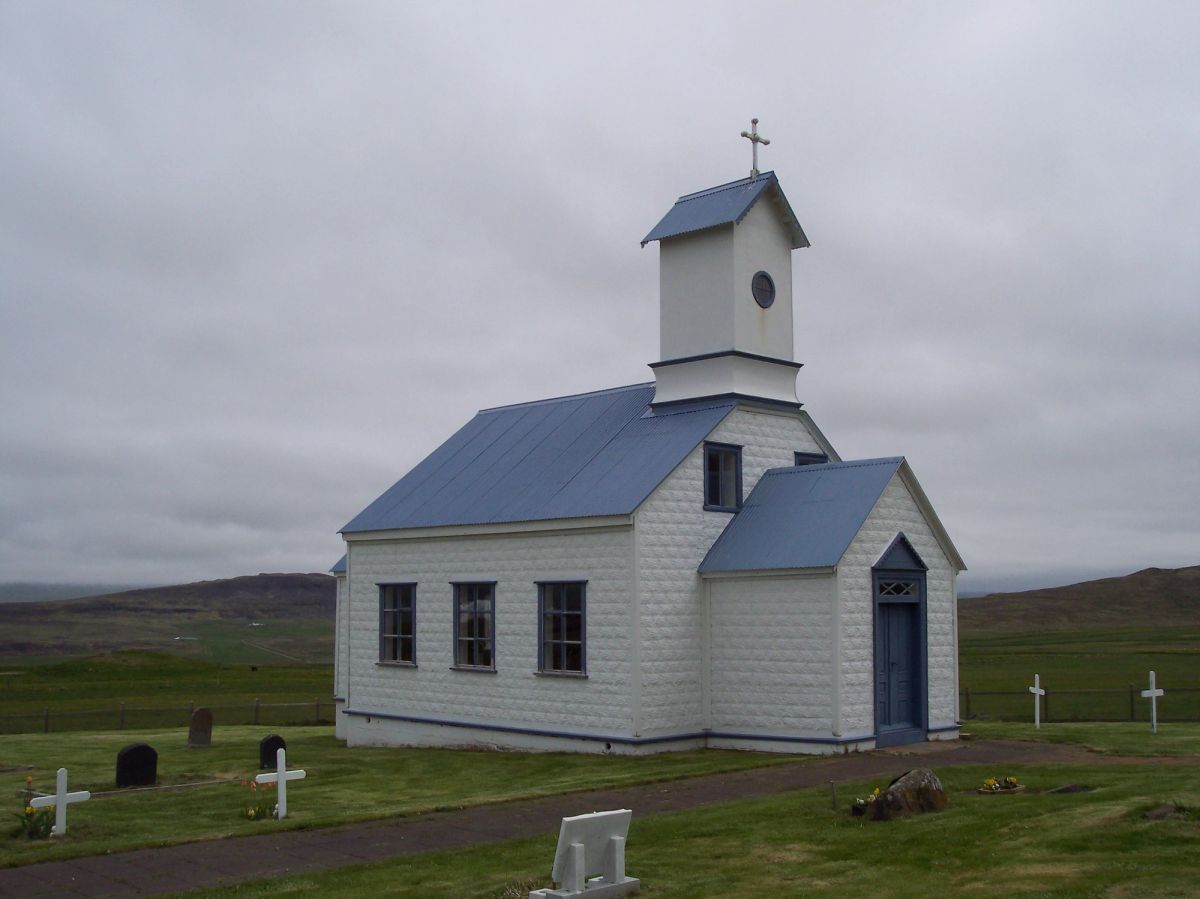
Breiðabólstaðarfjall
west-iceland
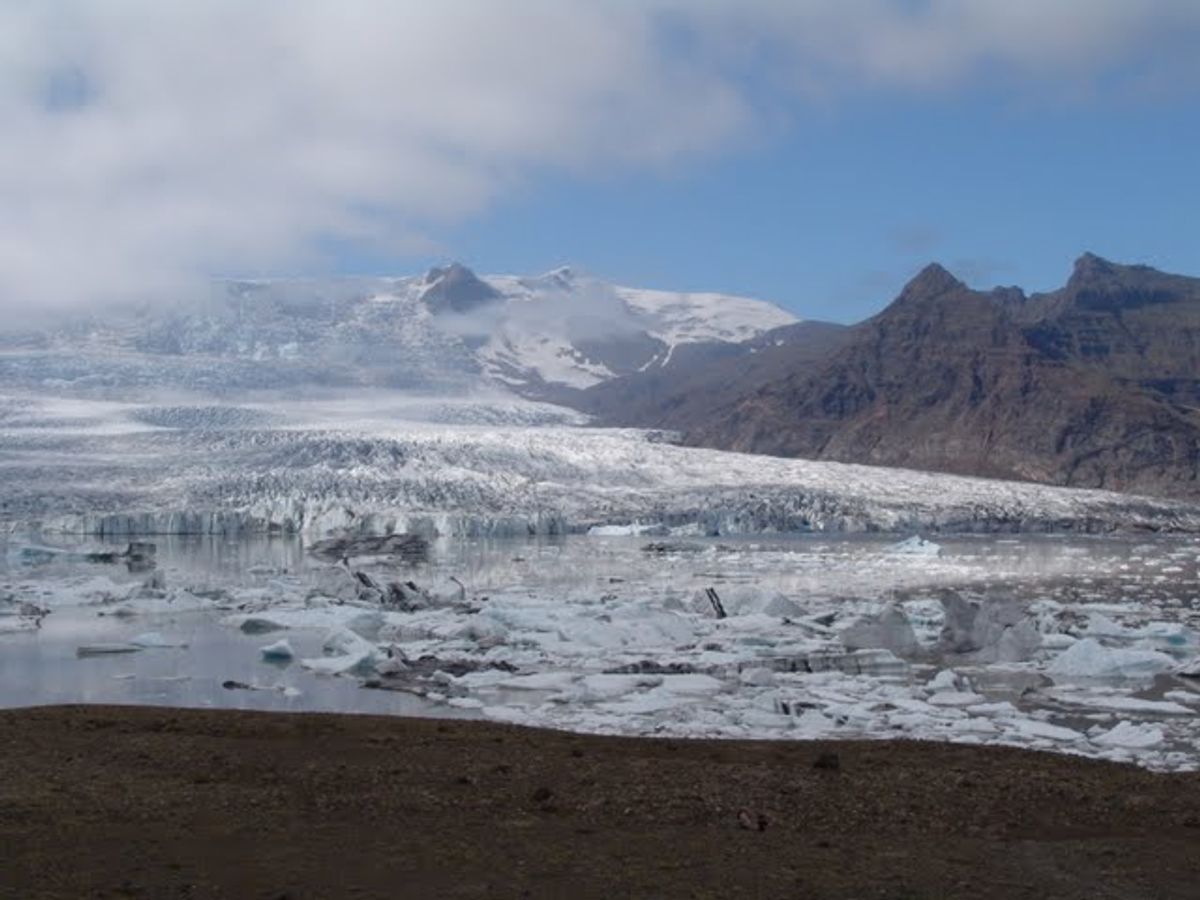
Breiðamerkurfjall Viewpoint
south-iceland
 Bookable Tour
Aventura en el glaciar en Sólheimajökull Tour privado
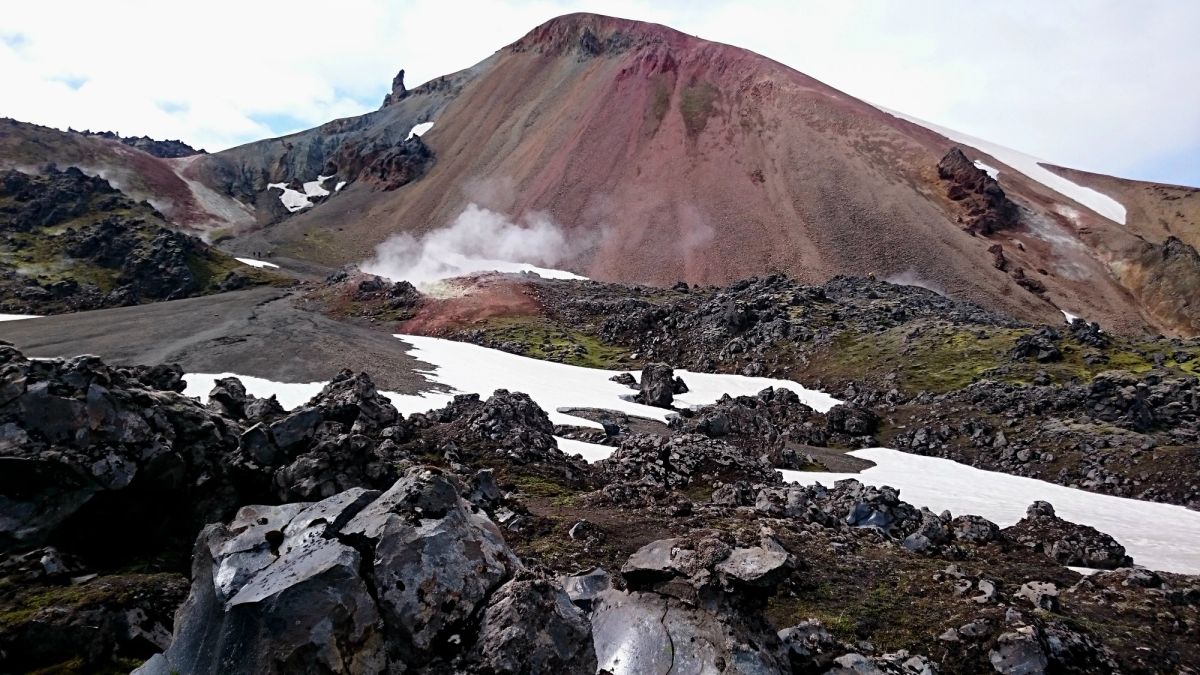
Brennisteinsalda Mountain
south-iceland
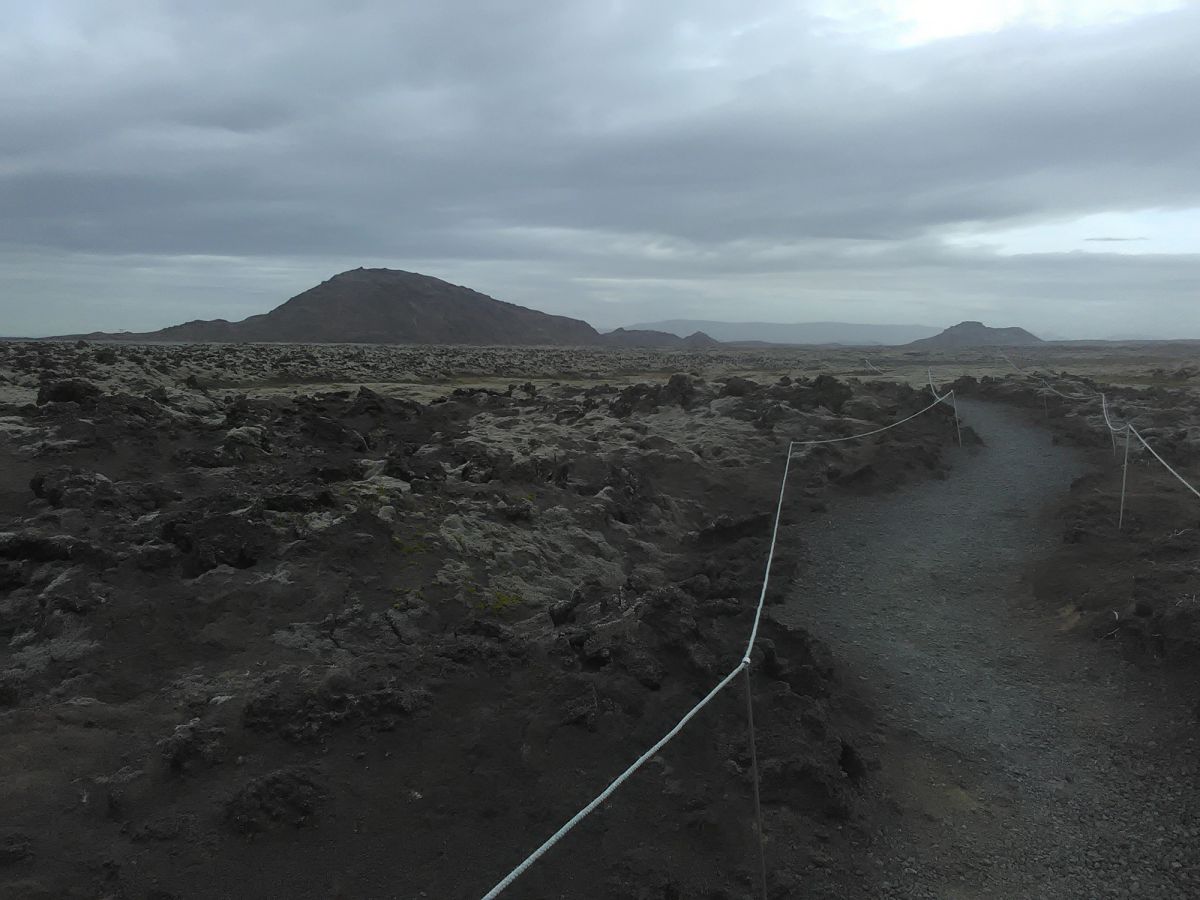
Brennisteinsfjöll
reykjanes
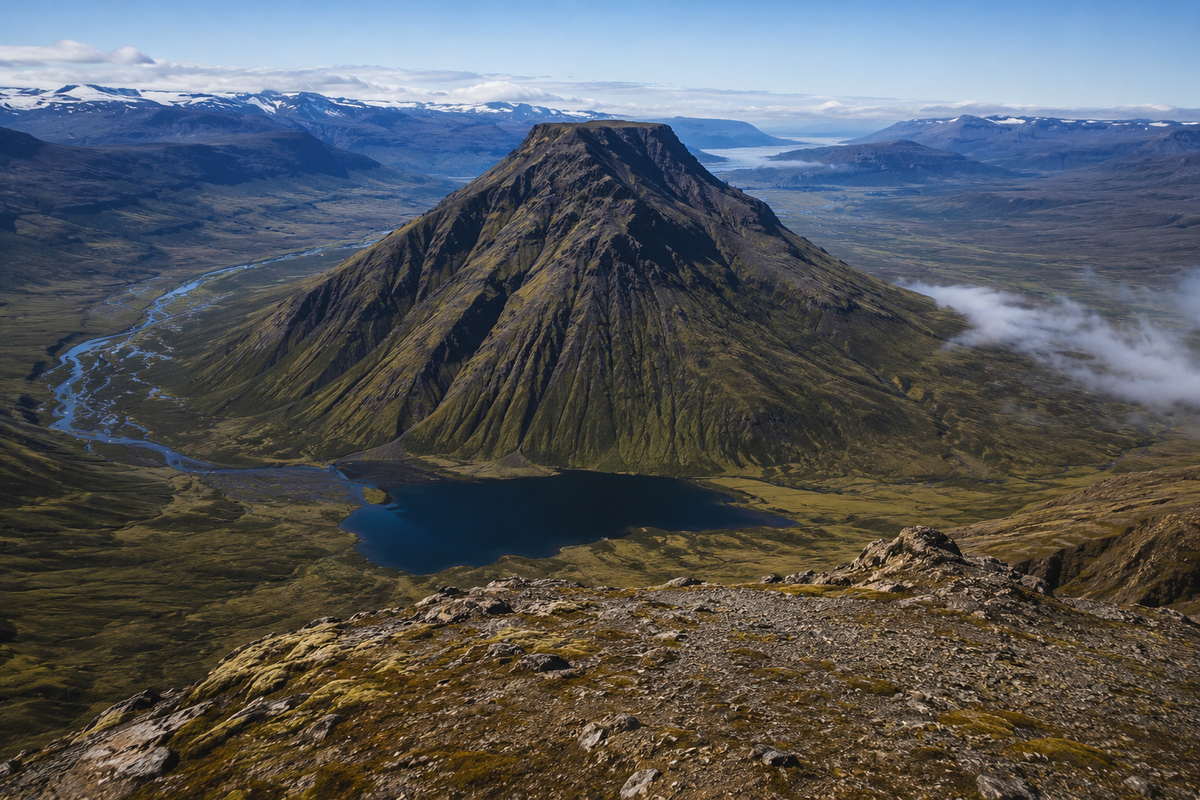
Bruni
westfjords
Accommodation
Alojamiento Cerca de las Montañas de Islandia
Casas de huéspedes y hoteles con vistas a la montaña y fácil acceso a senderos
Affiliate links — we may earn a commission at no extra cost to you.
Preguntas Frecuentes
¿Cuál es la montaña más alta de Islandia?
Hvannadalshnúkur a 2.110 m es el pico más alto de Islandia, ubicado en el borde del volcán Öræfajökull en el Parque Nacional Vatnajökull. Ascenderla requiere un tour guiado por el glaciar y se hace mejor en mayo–julio.
¿Cuál es la montaña más famosa de Islandia?
Kirkjufell en la Península de Snæfellsnes es la montaña más fotografiada de Islandia — un pico distintivo en forma de punta de flecha junto a la cascada Kirkjufellsfoss. Se hizo internacionalmente conocida tras aparecer en Juego de Tronos.
¿Pueden los principiantes escalar montañas en Islandia?
Sí — el Monte Esja cerca de Reykjavík y Skálafell en Islandia del Este son excelentes para principiantes. Muchos picos no requieren habilidades técnicas de escalada. Siempre lleva capas, impermeables y comprueba el pronóstico del tiempo antes de salir, ya que las condiciones pueden cambiar rápidamente.
¿Necesito un guía para escalar las montañas de Islandia?
La mayoría de las montañas accesibles se pueden escalar de forma independiente con el equipo adecuado y habilidades de navegación. Las rutas técnicas en picos glaciados como Hvannadalshnúkur requieren guías certificados. Registra siempre tu excursión en safetravel.is y comprueba las condiciones de las carreteras.
¿Cuándo es el mejor momento para hacer senderismo en las montañas de Islandia?
Junio a septiembre es la temporada principal de senderismo cuando las pistas F y los senderos de las Tierras Altas están abiertos. Julio y agosto ofrecen el clima más confiable. La primavera (mayo) y el otoño (octubre) son ideales para excursionistas experimentados que prefieren menos multitudes y luz dramática.
🌌 See the Northern Lights
Track real-time aurora activity and plan your Northern Lights trip with AuroraVision.
Find Hotels in South Iceland
From cozy Reykjavík guesthouses to remote Highland lodges — thousands of properties with free cancellation and best price guarantee.
Tours & Experiences
Book Activities in Iceland
Tours & Activities
Book top-rated Iceland tours, day trips, and experiences — Northern Lights, glacier hikes, whale watching and more.
Browse Activities →Guided Iceland Tours
Golden Circle, South Coast, ice caves, volcano hikes — 1,000+ guided tours with free cancellation on most bookings.
Browse Tours →Guided Experiences
Tours & Day Trips in Iceland
Golden Circle, Northern Lights hunts, whale watching, glacier hikes, lava cave tours and more. Book with free cancellation — confirmed instantly.