
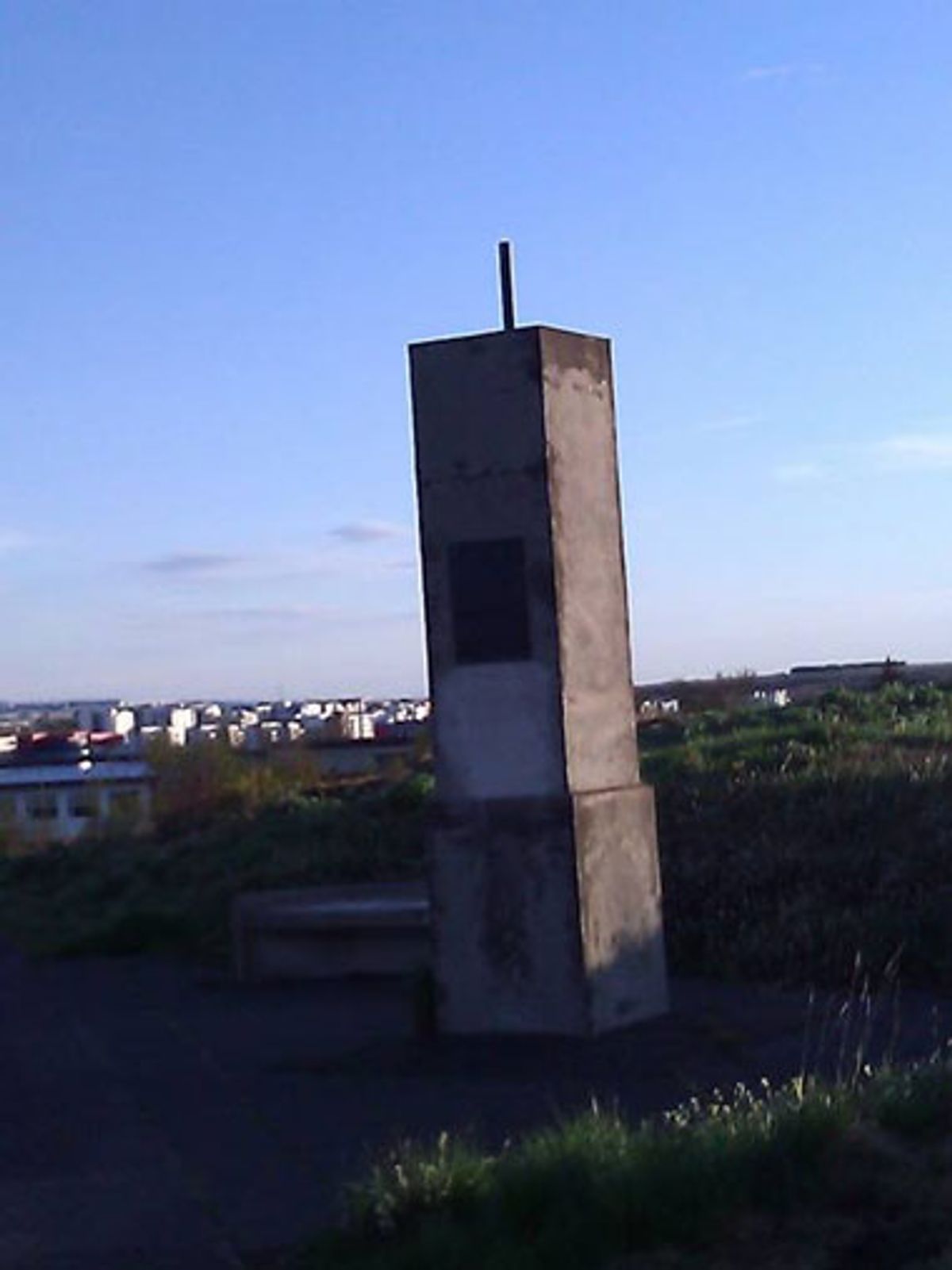
Wegener Pillar
Striking pillar commemorating Alfred Wegener's continental drift theory amidst Iceland's dramatic landscape.
About
About Wegener Pillar
Striking pillar commemorating Alfred Wegener's continental drift theory amidst Iceland's dramatic landscape.
Discover the monumental tribute to Alfred Wegener, whose groundbreaking theory explains Iceland's very formation.
Background
History & Background
The Wegener Pillar (Wegener-stöpullinn) is dedicated to Alfred Wegener (1880–1930), a German meteorologist, geophysicist, and polar researcher. Wegener is most famous for his theory of continental drift, which he first published in 1912. His hypothesis proposed that the continents were once joined together in a supercontinent called Pangaea and have since drifted apart. His theory was initially met with considerable resistance and skepticism from the scientific community, primarily because he could not provide a mechanism for how the continents moved. However, decades after his death, new evidence from ocean floor mapping, paleomagnetism, and seismic activity led to the development of plate tectonics, which validated and expanded upon Wegener's original ideas. The pillar in Iceland serves as a memorial to his enduring legacy and his connection to the geologically active North Atlantic region, where the Mid-Atlantic Ridge visibly demonstrates plate separation.
Perched on a verdant hill in Reykjavík's Öskjuhlíð area, the Wegener Pillar is more than just a concrete monument; it's a profound tribute to Alfred Wegener, the visionary scientist behind the theory of continental drift. This imposing, rectangular pillar, with its dark commemorative plaque and a distinctive metal rod reaching skyward, stands as a stark yet powerful reminder of the geological forces that continually shape our planet, and nowhere is this more evident than in Iceland. The location itself is significant, offering panoramic views of the Capital Region, a landscape actively being pulled apart by the very plate tectonics Wegener helped us understand. Visitors can approach the pillar via well-maintained paths, taking a moment to reflect on Wegener's expeditions to Greenland and his groundbreaking work. While the pillar itself is simple, its symbolic weight is immense, connecting the observer to a pivotal moment in scientific history. It's an ideal spot for those interested in science, history, or simply seeking a quiet place with a compelling story and a view.
Folklore
Story & Folklore
Iceland, a land forged by the very forces Wegener described, is a fitting home for this monument. The Wegener Pillar, a stoic concrete structure with a dark plaque, silently honors Alfred Wegener, the German meteorologist and geophysicist who dared to propose that continents drift across the Earth's surface. His pioneering theory of continental drift, though initially ridiculed, revolutionized our understanding of geology and plate tectonics. Standing on a grassy knoll in Öskjuhlíð, with the city of Reykjavík sprawling below and the vast Icelandic sky above, the pillar serves as a tangible link between a visionary scientist and the dynamic landscape that so vividly illustrates his ideas. It invites contemplation on the immense power of geological change and the human spirit of scientific inquiry.
💡 Did You Know?
Alfred Wegener's theory of continental drift, commemorated by this pillar, was initially met with skepticism but is now foundational to modern geology.
Local Legend
Hugsjónamannsins steinn
Þótt ekki sé um hefðbundna þjóðsögu að ræða, segir stöpullinn sjálfur sögu um vísindalega framsýni. Hann stendur sem vitnisburður um djörfa kenningu Alfreds Wegeners um landrek, hugmynd sem upphaflega var vísað á bug en reyndist síðar grundvallaratriði til að skilja kraftmikla jarðfræði jarðar. Hún minnir okkur á að byltingarkenndar hugmyndir mæta oft mótspyrnu áður en þær verða viðurkenndur sannleikur.
Culture
Stories & Legends
Icelandic sagas and folklore from this area
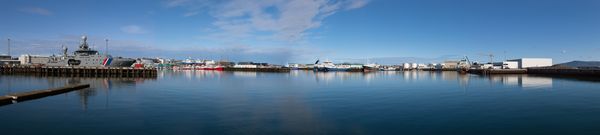
Reykjavík
Reykjavík is a historic location in Iceland mentioned in "Harðar saga og Hólmverja", one of the ancient Íslendingasögur (Sagas of Icelanders). These medieval narratives preserve the history of Iceland's Viking Age settlement.

Skuggabaldur – The Shadow Creature
Skuggabaldur: A phantom dog guarding forgotten paths.
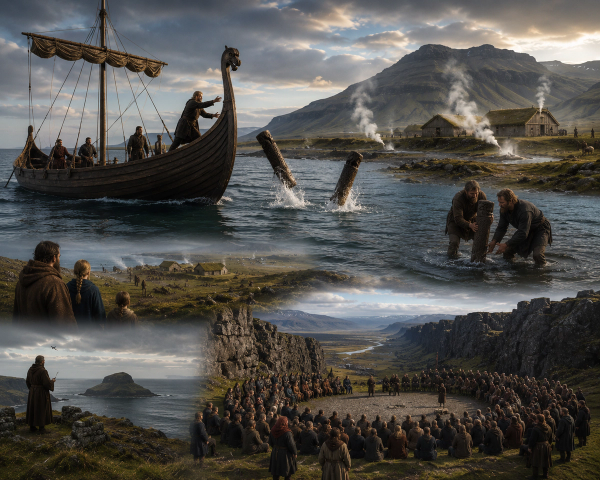
The Settlement of Iceland – Land of Fire and Freedom
Iceland: Land of Fire and Freedom, forged by Vikings and volcanic might.
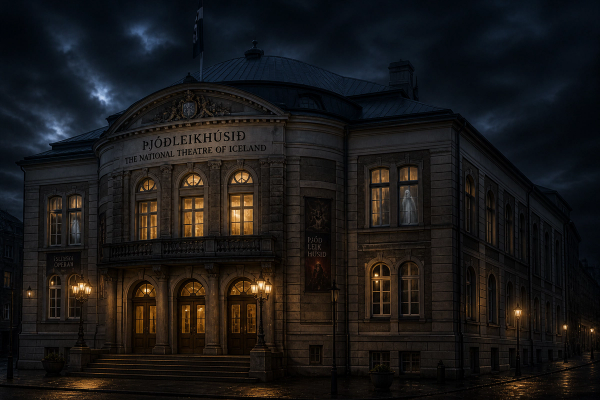
National Theatre of Iceland
Staff and performers have reported unexplained sounds, flickering lights and ghostly presences in the backstage areas and upper floors of this early 20th century building.
Explore
Hidden Gems Nearby
✦ Öskjuhlíð Hill
The hill on which the pillar stands offers lovely walking paths and stunning 360-degree views of Reykjavík, the bay, and surrounding mountains.
It's a beautiful urban green space perfect for a stroll and offers great photo opportunities.
✦ Perlan
A distinctive glass-domed building nearby, housing a nature exhibition, observation deck, and restaurant, built atop hot water tanks.
Offers an immersive experience into Iceland's natural wonders and provides spectacular city views.
✦ Nauthólsvík Geothermal Beach
A unique beach where cold ocean water is mixed with hot geothermal water, creating a warm lagoon suitable for swimming year-round.
Experience a unique blend of Icelandic nature and geothermal energy, perfect for a relaxing dip.
Help
Frequently Asked Questions
Location
📍 Location
Discover
Explore Nearby
Places from our database within 1.0 km — all data from Sanity
Loading nearby places…
0 places found within 1.0 km
Plan full itinerary →Explore More